TPO Roofing for Your Home: What Do You Need to Know Before You Buy?
Roof shopping is confusing. Many materials say they are the "best." But choosing the wrong one can lead to leaks, high bills, or early replacement. This guide breaks TPO roofing in plain terms.
TPO roofing is a single-ply membrane made from thermoplastic polyolefin. It resists UV rays, reflects heat, and welds into a tight, seamless surface. For homes with flat or low-slope sections, it offers strong waterproofing at a fair price.
I have worked with TPO waterproof membrane for years. This covers everything from picking raw materials to checking how it works on the job site. I have seen good installs last for decades, and I have seen poor ones fail within a few years. The difference comes down to material quality and installation care.
What is TPO Roofing and How Does It Compare to Other Roofing Materials?
Homeowners often get stuck comparing TPO and PVC. Each looks similar on a spec sheet, but they behave differently once the sun and rain hit them year after year.
TPO is a white, reflective membrane made from a mix of polypropylene and rubber. It welds with hot air, creating seams as strong as the membrane. Plus, it costs less than PVC and resists UV rays effectively.
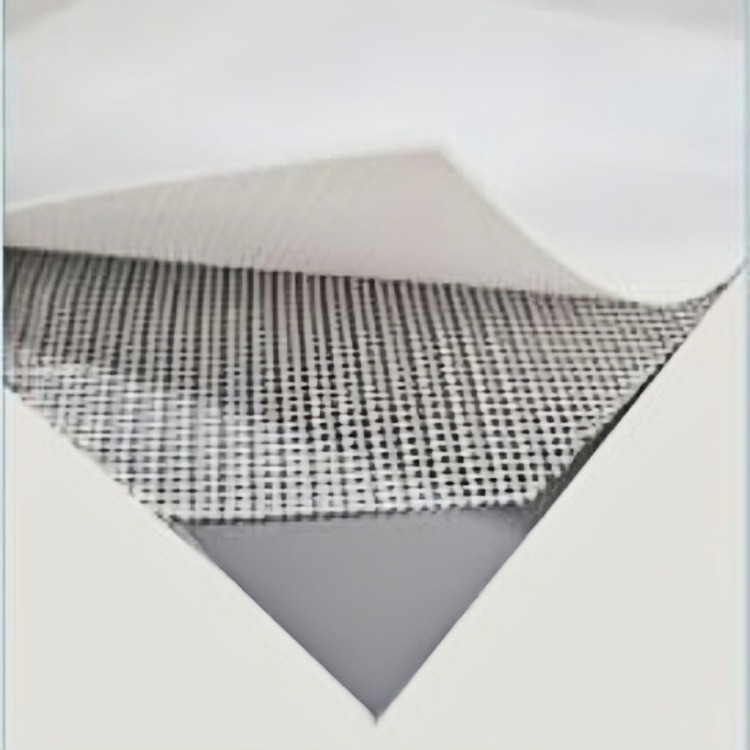
TPO membrane has three layers. A base layer gives it strength. A middle scrim, usually polyester, adds tear resistance. A top layer holds UV stabilizers and pigment.
According to ASTM International ASTM D6878 Standard Specification for Thermoplastic Polyolefin Based Sheet Roofing , TPO roofing products are evaluated under standardized performance requirements for durability and weather resistance.
| Feature | TPO | PVC |
|---|---|---|
| Heat reflectivity | High | High |
| Cold weather behavior | Stable | Can crack and shrink over time |
| Chemical or grease resistance | Fair | Excellent |
| Relative cost | Lower | Higher |
| Seam method | Hot-air weld | Hot-air weld |
For a flat garage roof, a rear addition, or a modern flat-roof home, TPO offers the best balance of cost, reflectivity, and weld strength. This is why it has become one of the most widely used low-slope roofing membranes, supported by guidance from the National Roofing Contractors Association (NRCA) .
What Are the Benefits and Drawbacks of TPO Roofing Systems?
You want a roof that saves money and lasts. No material is perfect, and TPO has real limits worth knowing before you commit.
TPO reflects sunlight and resists mold. When installed correctly, it welds into strong seams. Plus, it costs less than PVC. Still, membrane thickness and installer skill make a big difference in how long it lasts.
On the benefit side, TPO reflects a large share of solar energy, keeping attics and top-floor rooms cooler in summer.
White TPO membranes often meet the reflectance and emittance requirements recognized by the EPA ENERGY STAR Cool Roof program .
Research from the Lawrence Berkeley National Laboratory Heat Island Group has shown that reflective roofing surfaces can significantly reduce roof temperatures compared with darker materials.
TPO also resists mold in damp climates, since its surface does not retain moisture like some traditional roofing systems.On the drawback side, thinner sheets may experience faster wear under repeated heat cycles. Seam quality depends heavily on installer skill, and lower-grade materials may degrade faster under strong sunlight.Choosing the right membrane thickness and a reliable installation team is essential for achieving long-term performance.
What Does TPO Roofing Installation Typically Cost for a Home?
Budgeting for a new roof feels like guesswork when every website quotes a different number. Get this wrong, and you either overpay or accept a bid that skips corners you need.
Most homeowners pay between four and thirteen dollars per square foot installed, depending on membrane thickness, insulation, and tear-off needs. A typical fifteen-hundred-square-foot flat roof project can vary significantly based on project conditions.
Membrane thickness drives material cost first. Forty-five mil sheets cost less upfront but may wear faster under demanding conditions. Sixty and eighty mil sheets cost more per roll but provide better durability against sunlight, foot traffic, and standing water.
Insulation adds another layer of cost and plays an important role in long-term energy efficiency. Labor charges vary depending on whether existing roofing materials need removal before installation.
Flashing around chimneys, vents, and skylights can also affect the final budget. A longer manufacturer warranty, such as a No Dollar Limit warranty, may increase the upfront cost but provides additional protection against covered manufacturing defects.Before choosing a contractor, request multiple quotes and ask each company to separate material, labor, insulation, and additional service costs. This makes it easier to compare different proposals.
How Do You Find a Reliable Local TPO Roofing Installer?
The membrane only performs as well as the crew that welds it. Hiring an inexperienced installer can cause seam problems even when using high-quality TPO materials.Look for a licensed and insured roofing contractor with experience installing single-ply membrane systems. A qualified installer should understand hot-air welding techniques, flashing details, and manufacturer requirements.
Ask contractors how they test finished seams after installation. A reliable roofing team should inspect welded areas to ensure proper bonding and prevent hidden leaks.The National Roofing Contractors Association (NRCA) provides industry guidance and best practices for roofing installation quality, including proper workmanship standards.
Confirm whether the contractor has manufacturer training or certification, since installation requirements may affect warranty coverage. Ask for recent project examples, customer references, and written details covering the membrane type, thickness, insulation system, warranty terms, and installation schedule.A detailed written proposal helps prevent unexpected costs and ensures both sides understand the project requirements before construction begins.
How Long Does TPO Roofing Usually Last?
A properly installed TPO roofing system can provide reliable performance for many years. The actual lifespan depends on factors such as membrane thickness, climate conditions, maintenance frequency, and installation quality.
Higher-quality membranes with proper maintenance generally perform better against UV exposure, temperature changes, and weather conditions. Regular inspections can help identify small issues before they become expensive repairs.
Choosing a proven manufacturer, suitable membrane thickness, and an experienced installer are key factors in maximizing the service life of a TPO roofing system.

Conclusion
TPO roofing offers homeowners a reflective, durable, and cost-effective solution for flat and low-slope roofing applications. Its performance depends on both material quality and installation standards.
Before buying, compare membrane specifications, understand installation requirements, and choose a qualified contractor. A well-designed TPO roofing system can provide reliable waterproof protection and long-term value for residential buildings.
References
1.National Roofing Contractors Association (NRCA) - Industry standards and roofing best-practice guidance.
2.ASTM International - ASTM D6878 Standard Specification for Thermoplastic Polyolefin Based Sheet Roofing - Material performance requirements for TPO roofing sheets.
3.U.S. Environmental Protection Agency ENERGY STAR Roof Products Program - Information about reflective roofing and cool roof performance.
4.Cool Roof Rating Council (CRRC) - Independent testing and rating information for reflective roofing products.
5.Angi - How Much Does TPO Roofing Cost? - Residential roofing cost information and project estimates.