
Is Glass Wool Good for Soundproofing?
Noise can reduce comfort, while poor insulation choices can increase costs and weaken acoustic results.
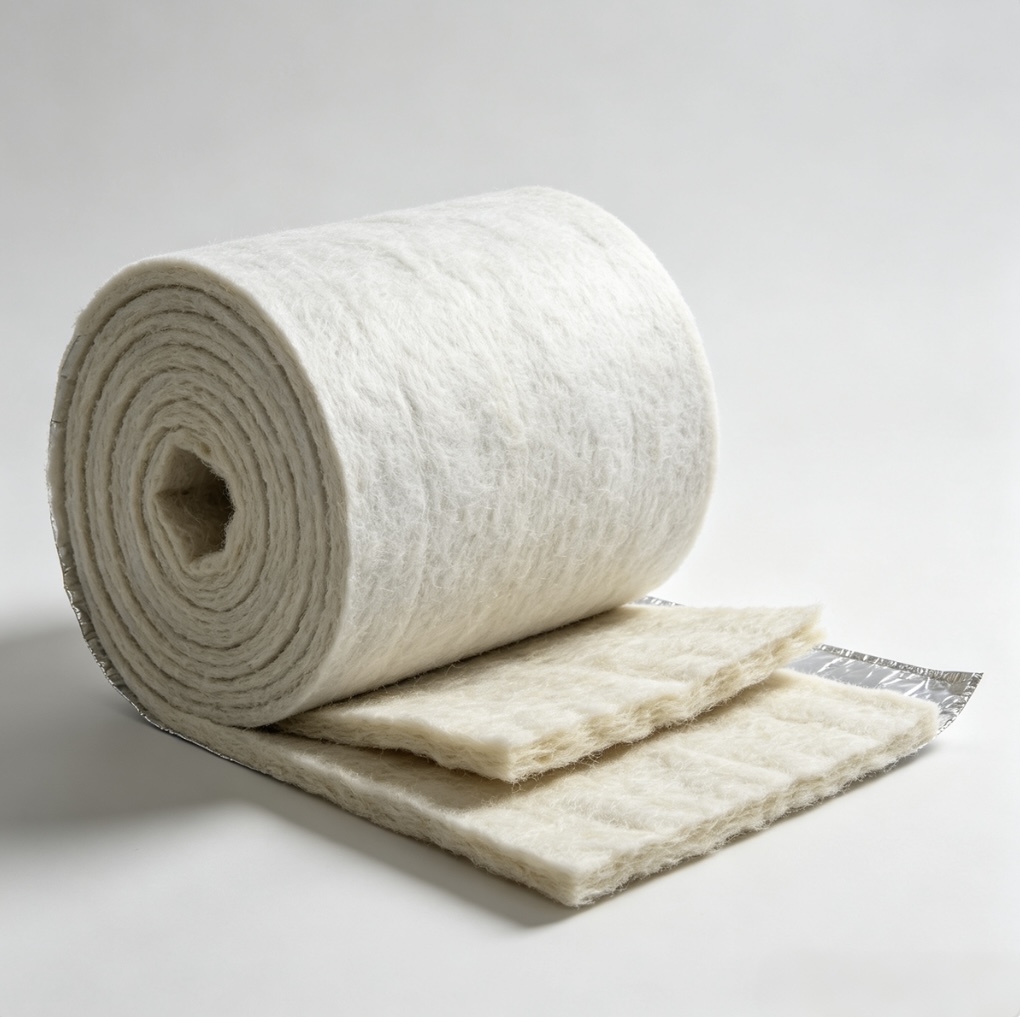
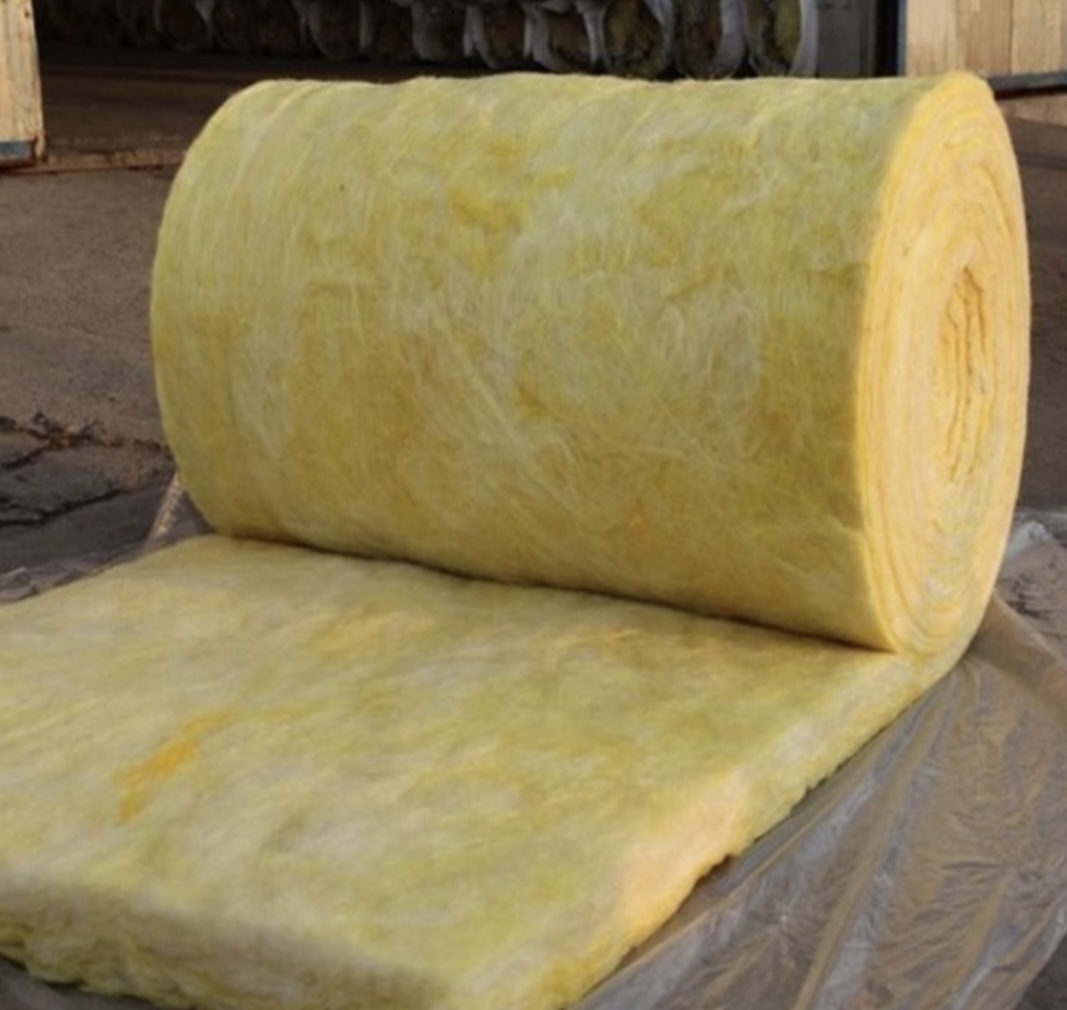
Yes. Glass wool can help control sound because its fibrous structure absorbs sound energy. Results depend on density, thickness, installation, and the complete building assembly.
I judge a glass wool blanket by its application, not one specification alone.
Is Glass Wool Safe to Touch and Handle?
Poor handling can make glass wool uncomfortable, so I treat safe handling as part of installation practice.
Installers must follow product instructions. They should also use normal job-site safety practices. This includes wearing suitable protective equipment when needed.
I treat glass wool as a fibrous material that needs care during cutting, moving, and fitting. I expect installers to follow the manufacturer's guidance and local safety rules. I also check whether the blanket stays in position after installation. Gaps, too much compression, bad fitting around frames, or not enough coverage can lower insulation value. These details also matter for acoustics because sound can pass through gaps and weak points. A good blanket cannot guarantee strong sound control if the surrounding assembly is poorly installed. I also consider ease of handling when comparing products. A material that installers can fit consistently is easier to use across a large project. Clear technical information is important. It helps teams know how to handle requirements and understand application limits.
How Does Glass Wool Blanket Density Affect Insulation Performance?
Higher density is not automatically better. I compare density with thickness, fibre structure, airflow, and the complete assembly.
Density impacts how blankets are structured and handled. Also, thermal and acoustic results rely on various factors.
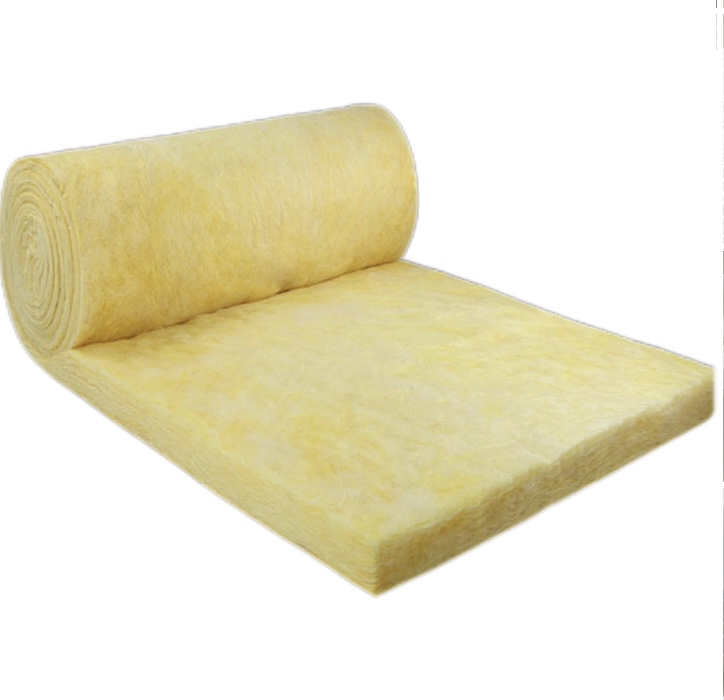
When I compare glass wool blankets, I first identify the project goal. A thermally focused wall may have different needs from a partition designed to reduce airborne noise. A ceiling may also have limited space. I therefore compare density and thickness together. I review thermal data, acoustic information when available, dimensions, facing, and installation method. I also value consistency between batches. A product that looks suitable on paper becomes less useful if production varies. For larger orders, I check manufacturing control, packaging, samples, and technical communication. I do not use density as a simple ranking. I use it as one part of a wider product decision.
Thermal Insulation Glass Wool Blanket: Where Is It Best Used in Buildings?
The wrong insulation location can waste material and reduce the expected benefit. I connect the blanket to the building area before comparing specifications.
Glass wool blankets work well in walls, ceilings, and partitions. They provide thermal insulation and absorb sound in various spaces. Exact suitability depends on the assembly, climate, fire needs, moisture conditions, and local rules.
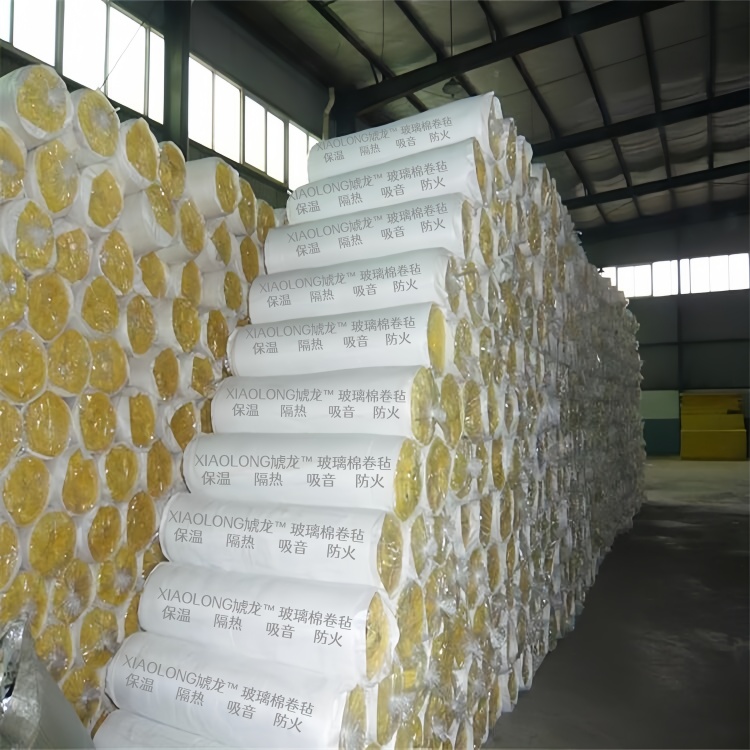
I see glass wool blanket as a flexible option when a project needs both thermal and acoustic support. In internal walls and partitions, its fibrous structure can absorb sound within the cavity. This can help in offices, homes, and commercial interiors where room-to-room noise matters. I do not assume that every glass wool product has the same fire or moisture performance. I check product documentation and project requirements. For bulk buying, I think about whether I need different densities, thicknesses, widths, or facings. Stable production is useful when several specifications must arrive on schedule. In my work with construction-material buyers, I see that location and application are key. Price is important, but it shouldn't be the only factor.
How Should I Compare Glass Wool Blanket Products Before Buying?
A low price can look attractive, but poor consistency or difficult installation can create extra project costs.
I compare application, density, thickness, thermal and acoustic data, quality consistency, handling, and supply support.
I begin with the project specs. I pinpoint the needed thermal and acoustic performance. I check thickness and density first. Then, I look at thermal conductivity, resistance, and acoustic details. ASTM C665 deals with mineral-fiber blanket insulation for light-frame buildings and manufactured homes. ASTM C553 focuses on mineral fiber blanket insulation for commercial and industrial use. [1][2] I use these as technical references, but I still check exact product documentation. I also review facing materials, packaging, lead time, samples, and technical communication. These points affect purchasing and installation. In my work with construction-material buyers, I focus on quality control at the factory level and a steady supply. Xiaolong's experience in glass wool blankets gives me a practical view of material consistency, production, and overseas project needs.
What Should I Compare Before Selecting a Glass Wool Blanket?
|
Factor |
What I Check |
Why It Matters |
|
Density & thickness |
Declared values |
Matches project needs |
|
Thermal performance |
Conductivity/resistance |
Supports heat control |
|
Acoustic performance |
Test data and assembly |
Assesses sound absorption |
|
Quality & supply |
Consistency, samples, lead time |
Reduces project risk |
Why Do Installation Details Matter as Much as the Blanket?
Even a good blanket can lose value if it has gaps, is compressed incorrectly, or is used without considering the full assembly.
I treat installation as part of insulation performance. Correct fitting, continuous coverage, and proper detailing all affect the final result.
In a real building, the blanket is only one part of a larger system. Thermal performance depends on insulation continuity and control of unwanted air movement. Acoustic performance depends on several factors. These include wall or ceiling design, cavity, surface layers, connections, and sound paths around the insulation. I therefore check installation details before calling glass wool a soundproofing solution. Glass wool can absorb sound and improve acoustic performance, but it does not make a room fully soundproof by itself. The U.S. Department of Energy says insulation slows heat flow. ENERGY STAR adds that insulation and air sealing boost energy performance. [3][4] I use the same practical approach: I look at the material, the assembly, and the installation together.
How Does Glass Wool Support More Sustainable Building Choices?
Energy loss can increase operating costs. Insulation that improves thermal control can offer value beyond its purchase price.
Glass wool can support energy-efficiency goals by reducing heat transfer. Its wider environmental value depends on composition, manufacturing, service life, installation, and building design.
I discuss sustainability in practical terms. I first ask how insulation can support thermal performance during the building's service period. I then consider consistent supply and correct installation. Batch variation or late delivery can create waste and delays. When required, I also review recycled-content or manufacturing information. NAIMA offers resources on insulation and energy efficiency. ENERGY STAR and the U.S. EPA focus on building-envelope performance. [5][6] I use these sources for wider context, but I return to exact product and project requirements. I do not believe every building needs the same density or thickness. I prefer the option that meets required performance without unnecessary material or cost. Clear specs, factory quality checks, packaging, and delivery support help buyers decide.
Conclusion
I find glass wool helpful for thermal and acoustic insulation. Its density, thickness, handling, and installation must fit the entire building assembly.
References and Sources
[1] ASTM International. ASTM C665, Standard Specification for Mineral-Fiber Blanket Thermal Insulation for Light Frame Construction and Manufactured Housing.
[2] ASTM International. ASTM C553, Standard Specification for Mineral Fiber Blanket Thermal Insulation for Commercial and Industrial Applications.
[3] U.S. Department of Energy, Energy Saver. “Insulation.”
[4] ENERGY STAR. “Air Sealing and Insulation.”
[5] North American Insulation Manufacturers Association (NAIMA). Insulation and energy-efficiency resources.
[6] U.S. Environmental Protection Agency. ENERGY STAR resources on insulation and building-envelope performance.