How does TPO Waterproof Membrane Compare to EPDM and PVC Options?
A poor membrane choice can raise repair costs, shorten roof life, and create repeated installation problems. I find that material fit matters more than a simple popularity ranking.
When I review a roofing project, I do not start with a brand name. I start with the roof structure, climate, expected exposure, drainage, installation method, and long-term maintenance plan. This approach helps me see if a membrane supplier can deliver consistent quality and good technical support.
What are the Best TPO Waterproof Membranes for Flat Roofs?
Flat roofs can expose membrane systems to strong sunlight, standing water, movement, and a lot of maintenance traffic. A weak match can become an expensive problem.
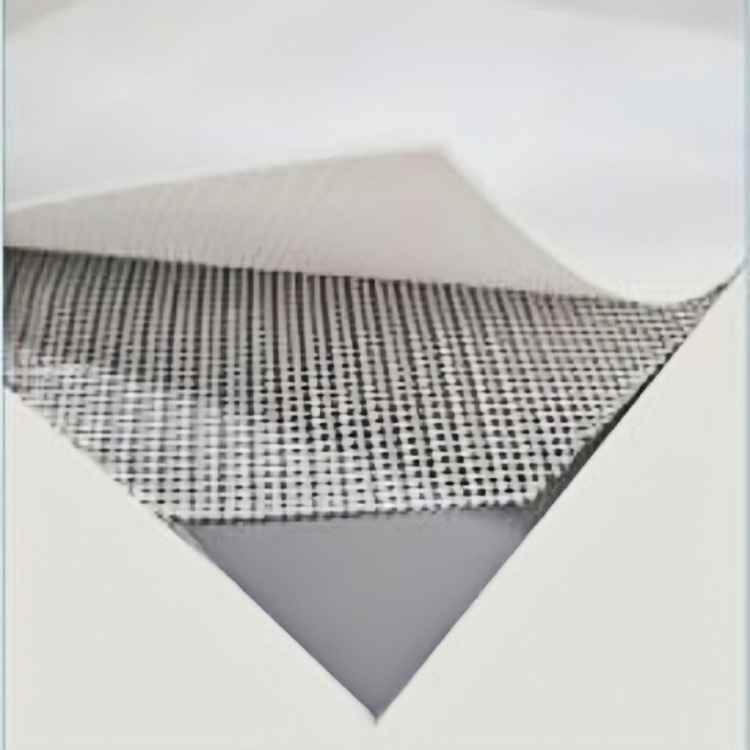
A good TPO membrane for a flat roof should meet the project specs. It must have the right thickness and reinforcement. It should also support reliable seam welding and suit the roof's climate and installation conditions.
How do I Judge TPO for a Flat-Roof Project?
I usually look at the complete roofing system instead of judging the membrane sheet alone. ASTM D6878/D6878M offers a framework for TPO-based sheet roofing. I use this specification as a starting point when reviewing technical information. I check the membrane thickness, reinforcement, surface features, seam-welding needs, attachment method, and how it works with insulation and other roof parts. On a flat roof, drainage also matters. A good membrane can still have issues if water sits on the roof too long. This can happen when drains, slopes, penetrations, or details are not well planned. I also pay attention to how the membrane will be handled on site. Large sheets can be impacted by how they are stored, the weather when they are installed, and the technique used by the installer.
What are the Top-Rated TPO Waterproof Membrane Brands for Residential Use?
A familiar brand can make buying easier. However, just the brand name doesn’t show if a membrane is right for a specific residential roof.
For residential use, I compare TPO products based on performance, compatibility, installation needs, warranty terms, and the experience of local installers, not just online ratings.
Why I Avoid Choosing by Brand Name Alone?
I am careful when buyers ask me for a single top-rated brand. Ratings can reflect different climates, installer practices, product versions, and project expectations. I prefer to compare the technical documents behind the product. I check if the membrane has a clear product specification. I also look for the thickness and reinforcement details. Finally, I ensure the manufacturer explains seam preparation and welding requirements. I also check the whole system. A membrane works with insulation, cover boards, fasteners, adhesives, flashings, and roof penetrations. For residential projects, the installation team can have a strong effect on the result. A strong membrane can still fail if seams aren't prepared right or details aren't finished properly. I also look at the support available after purchase. In my work with Xiaolong and construction-material buyers, I’ve seen that clear communication about specs and supply conditions helps cut down on costly purchasing mistakes.
Which Companies Provide Commercial TPO Waterproof Membrane Installation Services?
Commercial roofing projects involve larger areas and more details. Poor installation planning can turn a good membrane into a source of leaks, delays, and costly callbacks.
I look for commercial roofing contractors who have relevant project experience. They should also have trained installers and clear quality-control steps. Lastly, their installation plan must match the specified TPO system.
What I Check before Choosing an Installation Company
When I evaluate an installation company, I look beyond the sales proposal. I ask about the types of commercial roofs the team has installed. I want to know how they handle seams, check penetrations, and manage flashing details. I also ask how they deal with weather interruptions. I also separate the roles of the membrane manufacturer and the installer. A manufacturer offers material and system guidance. Meanwhile, the contractor manages most of the field work. I find that strong projects usually have clear communication among the buyer, membrane supplier, designer, and installer. That is the kind of process I try to encourage when I work with construction-material customers.
How do TPO, EPDM, and PVC Differ in Practical Use?
I often see buyers compare these three membranes only by price. That approach can miss important differences in material behavior and project requirements. The best option depends on the roof and service environment.
My Practical Comparison
|
Factor |
TPO |
EPDM |
PVC |
|
Seam approach |
Heat-welded seams |
Commonly adhesive/tape-based seams |
Heat-welded seams |
|
Flexibility |
Good, product-dependent |
Strong rubber-like flexibility |
Good, product-dependent |
|
Chemical exposure |
Depends on formulation and exposure |
Depends on chemical |
Often strong where chemical resistance is required |
|
Project focus |
Low-slope roofs and energy-conscious designs |
Low-slope roofs and flexible rubber systems |
Low-slope roofs where welded seams and chemical resistance matter |
This comparison is only a screening tool. I do not treat one column as automatically better. ASTM standards and manufacturer data should be checked for the exact product and intended use [1][2][3].
How Can Buyers Reduce TPO Waterproof Membrane Purchasing Risks?
I usually divide the purchasing review into a few practical checks. First, I confirm the exact product specification and intended application. Second, I compare the technical data with the project requirement. Third, I ask how samples are handled and whether the supplied production material will follow the same specification. Fourth, I confirm packaging, storage, lead time, and delivery arrangements. These points may sound basic, but they can prevent confusion later. I also prefer suppliers that can explain what they can support and what they cannot guarantee.
This is important because waterproofing projects involve variables outside the membrane itself.
Conclusion
I see TPO, EPDM, and PVC as different tools, not competing winners. I choose by project conditions, verified specifications, installation quality, and long-term value.
References and Sources
[1] ASTM International. ASTM D6878/D6878M, Standard Specification for Thermoplastic Polyolefin Based Sheet Roofing. ASTM International, West Conshohocken, Pennsylvania.
[2] ASTM International. ASTM D4637, Standard Specification for EPDM Sheet Used in Single-Ply Roof Membrane Systems. ASTM International.
[3] ASTM International. ASTM D4434/D4434M, Standard Specification for Poly(Vinyl Chloride) Sheet Roofing. ASTM International.
[4] U.S. Department of Energy, Energy Saver. “Cool Roofs.” U.S. Department of Energy, guidance on reflective roofing and building energy performance.
[5] National Roofing Contractors Association (NRCA). The NRCA Roofing Manual: Membrane Roofing Systems. NRCA, reference material for low-slope roofing design, materials, and installation practices.