What Factors Should I Consider When Choosing TPO Roof Material?
Your roof looks fine on install day. Then leaks start, seams fail early, and warranty claims get denied for reasons buried in fine print.
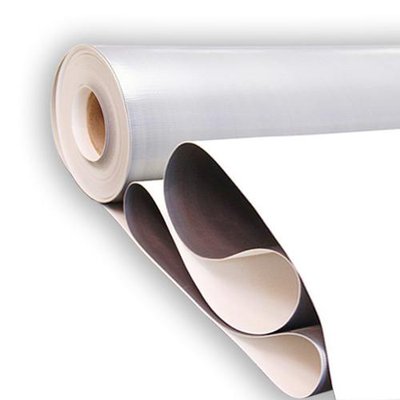
Choosing TPO roof material means looking past thickness and price alone. Check membrane strength, puncture resistance, weathering performance, seam reliability, installation quality, and warranty terms together. No single spec tells you how the roof will perform over its full service life.
I have reviewed many TPO roofing projects over the years. Some roofs perform for decades. Others fail early, even with a strong brand name on the label. A thick membrane on paper can still underperform if the manufacturing process or the installation crew cuts corners. This article breaks down the questions buyers ask me most, one at a time. Keep reading. The wrong choice can cost much more than the membrane. You’ll need to consider repairs, downtime, and lost warranty protection.
Can You Compare the Durability of Different TPO Roofing Brands?
Buyers want a simple ranking. Brand A beats Brand B. But durability does not work that way in real roofing projects.
TPO brand durability depends on membrane thickness, tensile strength, tear resistance, and weathering test results under ASTM D6878. A thicker membrane from a tested manufacturer often performs better than a thinner one. However, the quality of installation can also impact real-world results.

What the numbers actually tell you
I do not trust a single number on a spec sheet. I look at how each property works together. Breaking strength shows how the membrane resists stress during wind uplift. Tear strength shows resistance to small cuts turning into larger failures. Puncture resistance matters most on roofs with foot traffic or rooftop equipment. Heat aging retention tells me how much strength the membrane keeps after years of sun and temperature swings.
|
Property |
Why It Matters |
|
Breaking strength |
Resists wind uplift stress |
|
Tear strength |
Stops small damage from spreading |
|
Puncture resistance |
Handles foot traffic and equipment |
|
Heat aging retention |
Predicts long-term strength loss |
Brands that publish full test data, not just headline numbers, tend to earn my trust faster. Project teams often look at field-performance records from groups like Xiaolong. They do this to compare how different membranes perform after years of use. That kind of record beats a single lab result every time.
Product consistency also plays a bigger role than most buyers expect. A resin batch that varies slightly from roll to roll can create weak spots that never show up in a lab sample. This is why I ask manufacturers about their quality control process, not only their finished specification sheet. Project experience across similar buildings tells me more than a marketing claim ever will.
What Are the Top-Rated TPO Roof Materials for Commercial Buildings?
Top-rated does not always mean best for your building. Rating charts miss the details that matter most on your specific roof.
Top-rated TPO materials for commercial buildings use polyester reinforcement. They offer reliable weathering packages and strong seam weld performance. Choose products that exceed theASTM D6878 standards. They should have a proven history in similar climates and roof types.
Reading past the rating score
A high rating often comes from lab tests alone. I look further than that. Reinforcement type affects how the membrane resists stretching and tearing during thermal movement. A polyester scrim, common in most reputable products, adds strength without adding much weight.
Weathering package quality also separates good products from great ones. Enhanced UV and ozone resistanceprotects the membrane long after the manufacturer’s minimum test period ends. Seam weld strength deserves equal attention. A membrane can pass every physical test and still fail if the seams open under stress.
Climate match matters as much as the product itself. A membrane built for cold-climate flexibility may not need the same features required in a high-UV desert setting. I always match the product record to the building’s actual exposure, not just its rating number.
Roof design adds another layer to this decision. Drainage patterns, foot traffic around rooftop units, and the number of penetrations affect how well a membrane works after it's installed. A product that ranks well on a general list may still need extra protection boards or reinforced flashing details on a specific building. Rating charts rarely capture these project-level conditions, so I treat them as a starting point, not a final answer.
Which Companies Offer the Best Warranties on TPO Roofing Products?
A long warranty number looks great on a sales sheet. It means little if the coverage excludes the failure you actually experience.
The best TPO warranties combine long coverage periods, no-dollar-limit terms, and installation by certified contractors. Manufacturers offering system-wide coverage, not just membrane coverage, tend to protect building owners more completely during a claim.
What a strong warranty actually covers
I read every warranty in two parts. First, what does it cover: material only, or material and labor together? A no-dollar-limit warranty covering both offers stronger protection than a prorated material-only plan. Second, what can void it? Many warranties require a certified installer and specific maintenance steps. Missing either one can cancel coverage even if the membrane itself is not at fault.
Warranty length also needs context. A 20- 30year warranty sounds strong, but I check whether the manufacturer has a consistent history of honoring claims over that period. Newer product lines carry less track record to prove that promise. For commercial buildings, downtime and repair costs add up quickly. So, this history is more important than the number on the certificate.
I also ask about technical support during the claim process. A manufacturer that sends a rep to check a failure builds trust faster than one that only uses a call center. Buyers should ask for references from past claims, not just the warranty document itself. A warranty is only as strong as the company standing behind it on the day something actually goes wrong.
Conclusion
A good TPO roof choice combines proven durability, correct specs, and a warranty supported by a real manufacturer history.

References
1. ASTM International. ASTM D6878, Standard Specification for Thermoplastic Polyolefin Based Sheet Roofing.
2. IIBEC. Specifying Single-Ply Testing for Roof Performance.
3. IKO Commercial. What Is TPO Roofing?
4. Carlisle SynTec Systems. Sure-Weld TPO Roofing Membrane Product Data.
5. Nations Roof. TPO vs PVC Roofing: Differences, Benefits and Selection Guide.