Steel Structure Material Processing Selection Guide: Process Flow, Core Procedures and Engineering Standards
Steel structure material processing is a key preparatory process of steel structure engineering construction. It converts raw materials such as H-beams, channel steel, C-beams, steel plates and steel pipes into finished components that meet construction drawing standards through standardized fabrication techniques. Processing quality directly affects the installation accuracy, structural stability and service life of steel structures, serving as an essential foundation for industrial workshops, municipal bridges, large venues and exported steel structure projects.
1. Core Advantages of Steel Structure Processing
Factory Pre-fabrication Improves Construction Efficiency
All procedures including cutting, drilling, beveling and welding are completed in the factory. On-site construction only requires hoisting and assembly, which shortens the construction period and minimizes on-site hot work and rework. This method is highly suitable for prefabricated buildings and exported packaged projects.
High-precision Fabrication Ensures Installation Quality
Equipped with CNC automatic equipment, the process maintains controllable tolerances for component dimensions, hole positions and bevel angles. It avoids deviations, gaps and misalignment caused by traditional on-site processing, enabling tight assembly and uniform force distribution, thereby improving overall structural stability.
Strong Adaptability for Diverse Working Conditions
In accordance with domestic and international engineering standards, customized processing such as fixed-length cutting, special-shaped cutting, custom drilling and curved assembly is available to meet the requirements of complex buildings and special construction scenarios.
Standard Anti-corrosion Treatment Controls Comprehensive Costs
Centralized factory rust removal, painting and hot-dip galvanizing produce uniform and durable protective layers with good weather resistance, reducing later maintenance costs. Large-scale fabrication minimizes material waste and controls overall project costs, striking a balance between reliable quality and economic benefits.
2. Standardized Processing Flow
Steel structure processing adopts a closed-loop standardized workflow with strict quality control at each procedure to ensure precision and structural performance:
Raw Material Inspection: Verify material specifications and qualification documents, and reject unqualified materials with deformation, rust or cracks to ensure raw material quality.
Precision Cutting: CNC equipment performs fixed-size cutting to ensure standard dimensions and smooth, burr-free edges.
CNC Drilling and Beveling: Standardize hole diameters, spacing and welding bevels to prevent welding defects and ensure stable assembly and welding quality.
Assembly, Welding and Straightening: Assemble components strictly according to drawings, complete standardized welding, and correct welding thermal deformation to ensure flatness and dimensional compliance.
Polishing, Anti-corrosion and Packaging: Thoroughly remove welding slag and rust, apply painting or hot-dip galvanizing based on working conditions, and package finished products after full inspection.
3. Main Processing Categories and Engineering Selection Guidelines
Main Processing Categories
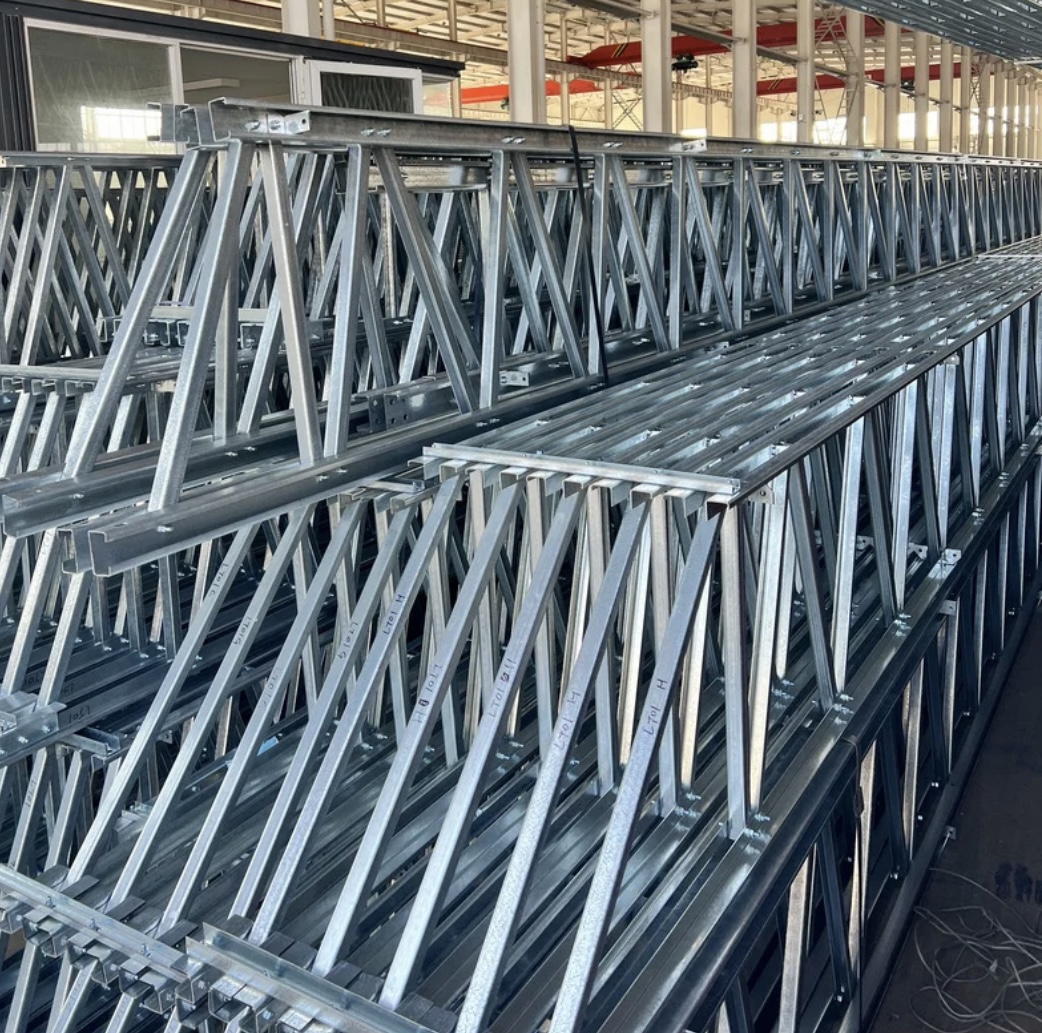
For diverse engineering applications, full-range customized steel structure processing is available, covering H-beams, C-beams, channel steel, steel plate accessories, pipe trusses, as well as special-shaped and curved components.
Engineering Selection Guidelines
Ordinary workshops and temporary buildings: Adopt standard processing with conventional paint coating for favorable cost-effectiveness.
High-rise and long-span heavy-load projects: Apply high-precision CNC processing, flaw detection and multi-layer anti-corrosion treatment to ensure structural safety.
Coastal and high-humidity corrosive environments: Prioritize hot-dip galvanizing to enhance corrosion resistance and extend service life.
Export projects: Customize fabrication in line with international standards and provide complete inspection and export documents to meet overseas acceptance requirements.
4. Foreign Trade Supply Advantages
Equipped with complete automatic processing production lines, our factory provides comprehensive customized services including cutting, drilling, beveling, welding, straightening and anti-corrosion treatment. All procedures comply with domestic and international industrial standards with traceable and stable quality. We undertake domestic engineering projects, bulk export orders and long-term cooperative orders, and support non-standard component customization. Feel free to contact us for processing solutions, quotations and export services.