


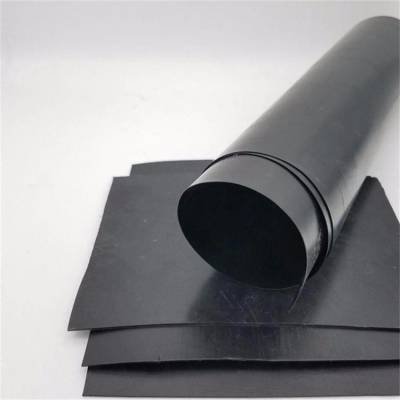
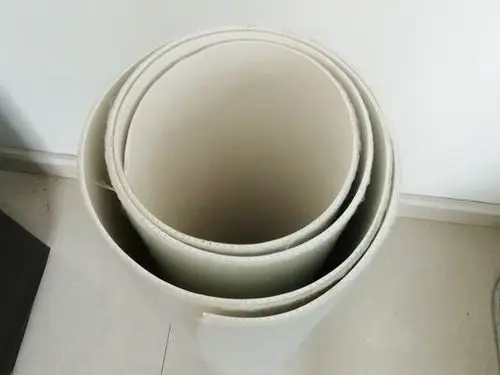
TPO Non-Reinforced Flashing Membrane: Soft-Forming Sheet for Roof Edges
TPO Non-Reinforced Flashing Membrane Supplier for Roof Corners, Pipe Penetrations and Edge Details
Jinsimai manufactures TPO non-reinforced flashing membrane for the spots where a flat roll sheet cannot follow the geometry: tight corners, round pipes, scupper openings and sealant pockets. With no polyester scrim inside, the sheet relaxes under a hot-air welder and sits flat on awkward shapes, so crews can finish watertight details without waiting for prefabricated accessories. Tell us your detail types, base roofing membrane and substrate, and we will propose a flashing sheet thickness and color that fits your scope.
Soft-Forming Sheets for Roof Detail Fabrication
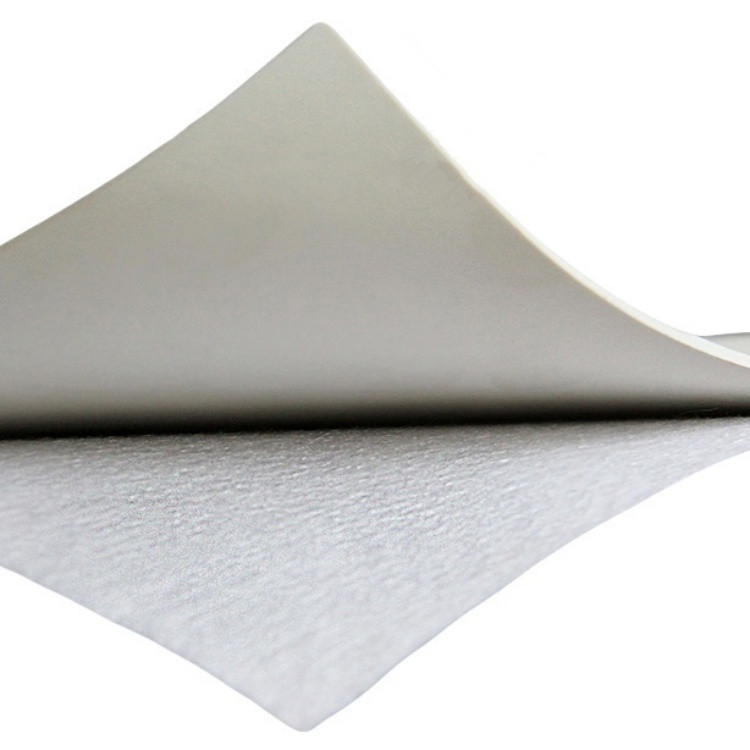
Scrim-Free Body that Forms Around Tight Radii
The unreinforced core softens evenly under heat, so it wraps small-diameter pipes and inside corners without wrinkling.
A crew can cut, relax and weld a custom boot from one sheet of TPO non-reinforced flashing membrane right on the roof.
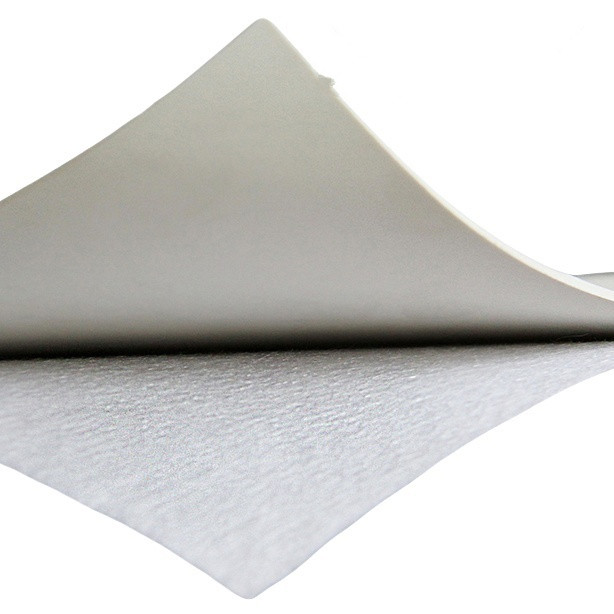
Clean Cut Edges with No Fiber Exposure
A trimmed edge of this TPO non-reinforced flashing membrane has no fabric layer to wick water, which removes one sealing step from every detail.
Hot-Air Weld Compatibility with TPO Field Sheets
The polyolefin formulation fuses with common TPO roofing sheets, so a seam becomes one homogeneous layer instead of a glued joint.
A test weld on a scrap strip sets temperature and speed before the real detail begins.
Light-Reflective Surface that Holds Its Color
White and light grey faces stay visually matched to the main roof, so details do not read as patches.

Technical Data at a Glance
| Parameter | Specification |
|---|---|
| Material | Thermoplastic polyolefin (TPO), non-reinforced |
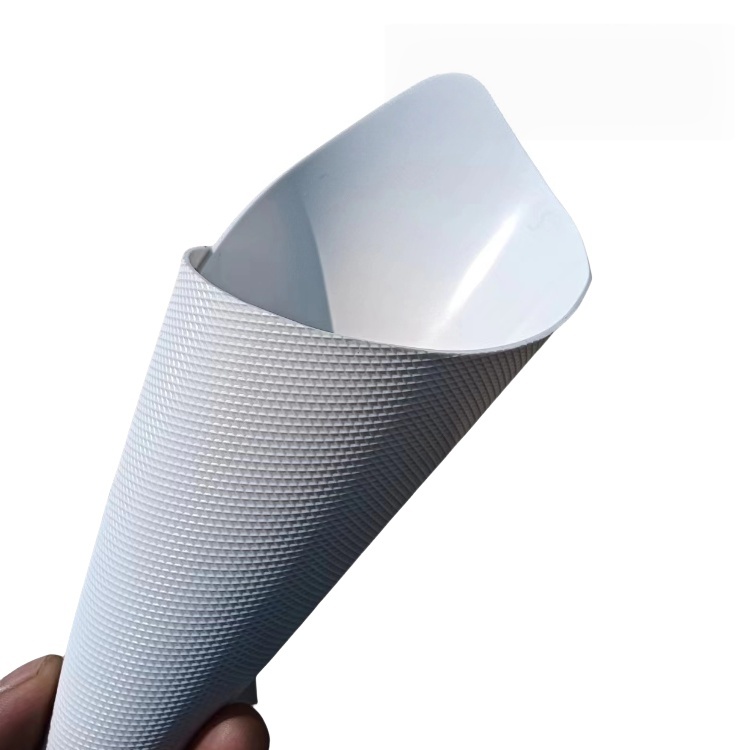
| Surface Texture | Smooth matte face |
| Nominal Thickness | 1.2 mm (45 mil) / 1.5 mm (60 mil) |
| Resin Type | Polypropylene-elastomer polyolefin blend |
| Seam Joining Method | Hot-air welding with silicone roller |
| Color | White / Light grey |
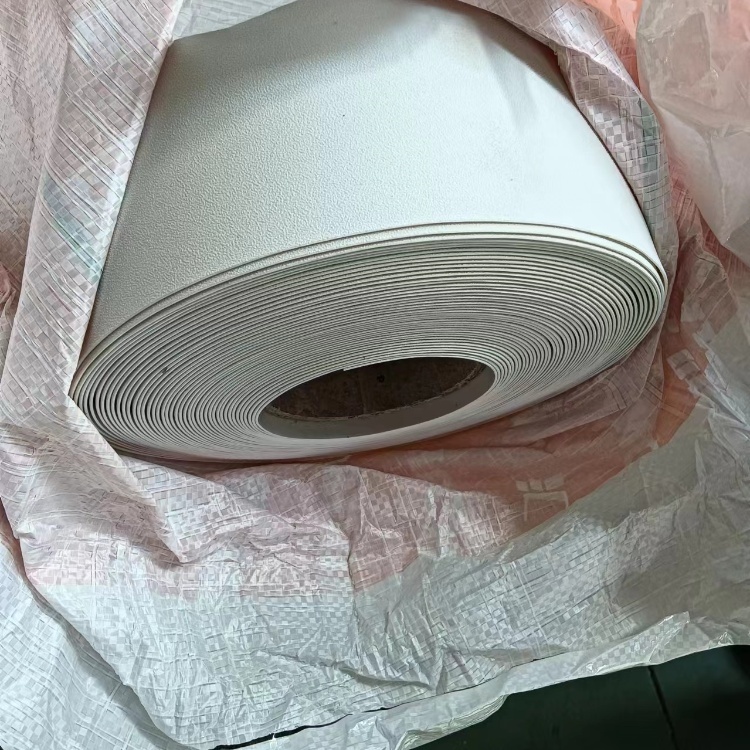
| Packaging | Core-wound rolls, polyethylene-wrapped |
Field note from Jinsimai: the thinner gauge suits tight pipe collars where flexibility matters most, while the thicker gauge is the safer pick for exposed wall flashings that see abrasion and foot traffic.
Place of Roof Details
Inside and Outside Corners
Built as a small backing patch topped by a cap piece with rounded edges, which avoids the stress points that square cuts create.
A practical choice when a pre-molded corner does not match the wall angle.
Pipe and Vent Penetrations
Cut as a collar or tube from TPO non-reinforced flashing membrane and welded to the field sheet.
Covers irregular conduits, cable bundles and square ducts that a stock boot cannot fit.
Sealant Pockets and Scuppers
Shaped into a shallow cup around support posts or into drain openings.
Keeps the TPO non-reinforced flashing membrane continuous with the main roof layer.
Curb and Parapet Terminations
Wraps equipment curbs and low parapets, then trimmed to height on site before the termination bar goes on.
FAQ: Compatibility, Site Use and Weld Checks
1. Can TPO non-reinforced flashing membrane be welded to another brand's TPO roof sheet?
Usually yes, since both are thermoplastic polyolefin, but formulations vary slightly. Run a test weld and pull it apart by hand before starting full details.
2. Can I use this flashing sheet around a vent pipe on my own flat roof?
It is possible with a hot-air welder and some practice. Because a leak at a penetration is costly, many owners buy the sheet and hire a roofer for the welding.
3. Why not use it across the whole roof deck?
With no scrim, the sheet stretches and moves more under wind and temperature change. It performs best at details, while a reinforced membrane covers the main field.
4. Will the white surface look dirty over time?
Dust shows on any light surface, though rain washes much of it away. Light grey hides grime better in dusty areas, and mild soap with a soft brush handles stubborn marks.
5. How should check welds on the flashing?
Run a rounded screwdriver tip along every seam edge to find gaps or cold spots, then re-weld any open area.
Line up Your Flashing Membrane Supply
From one roof to a multi-building program, Jinsimai supports contractors, distributors and project buyers with custom specifications, bulk wholesale supply and tender documentation. Send these three items and we will return a matched proposal for our TPO non-reinforced flashing membrane:
- Detail types and estimated quantities
- Base roofing membrane brand and substrate
- Project climate and exposure conditions