Thermal Insulation Materials
Thermal Insulation Material ManufacturerClick here to get the lowest quote
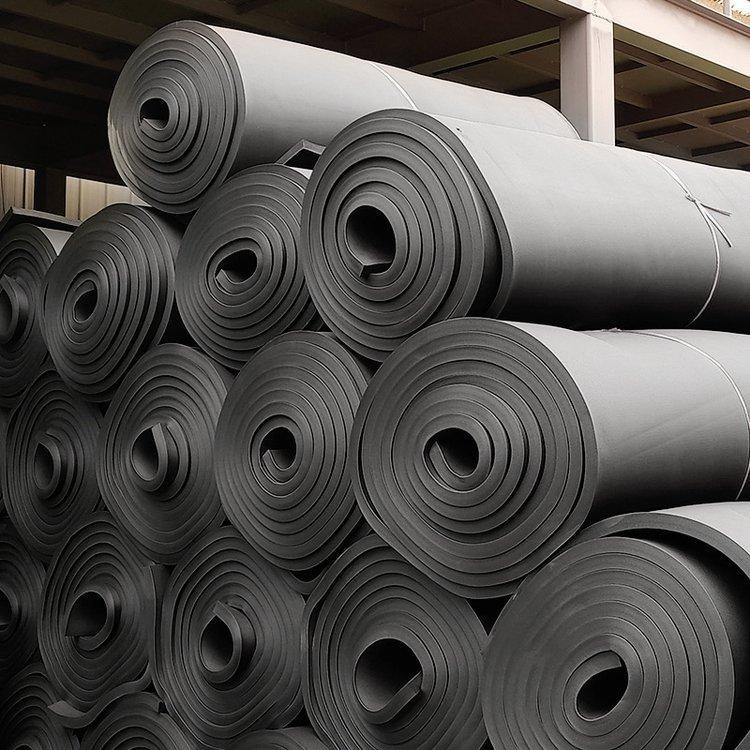
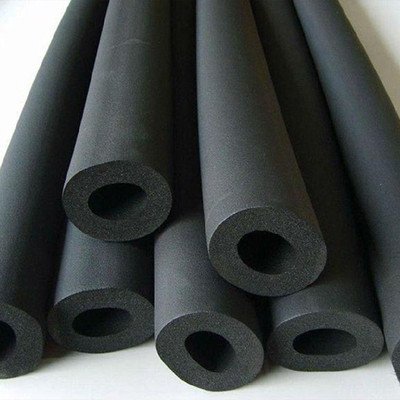
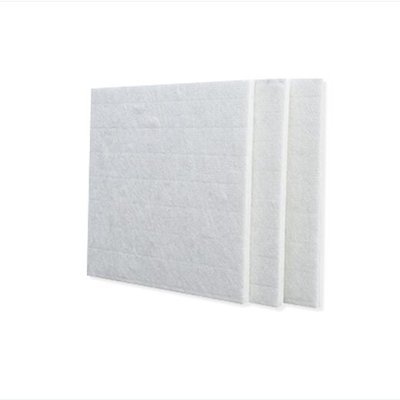
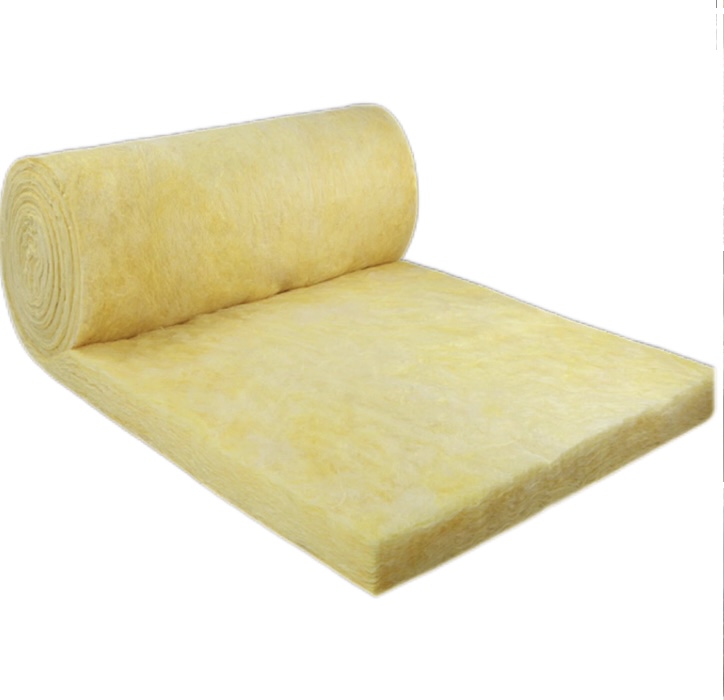
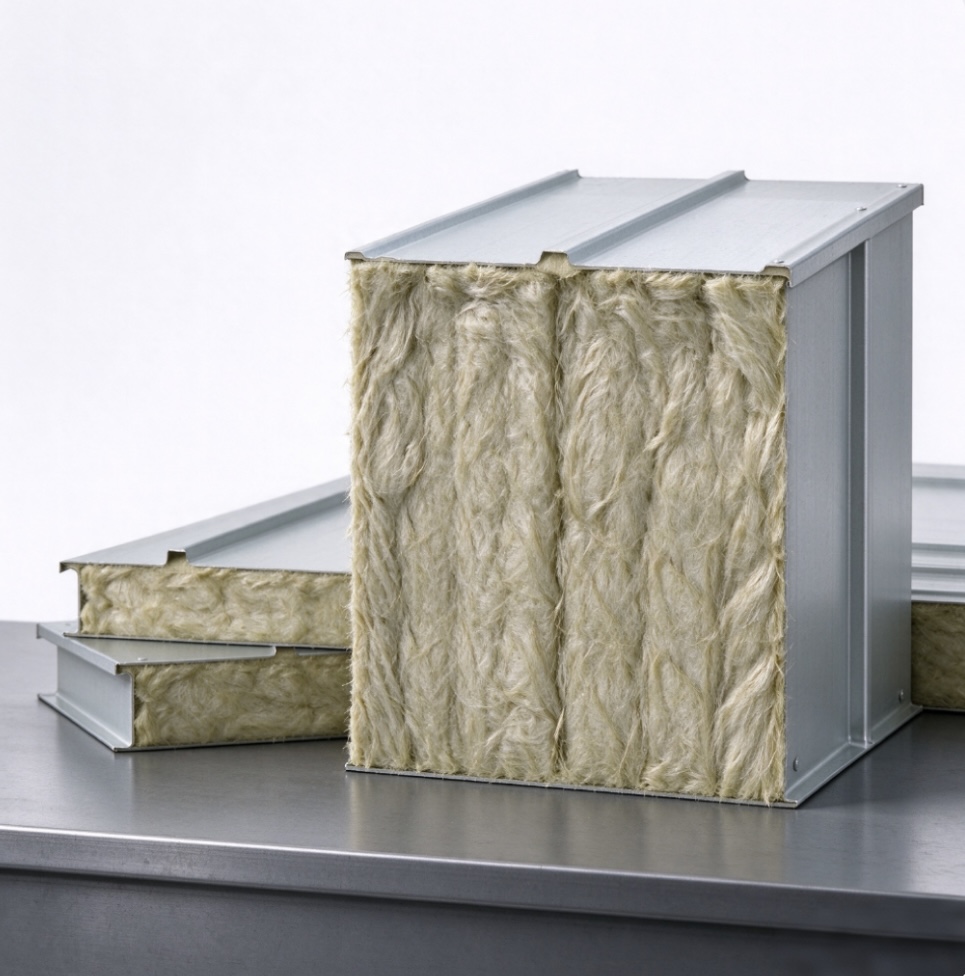
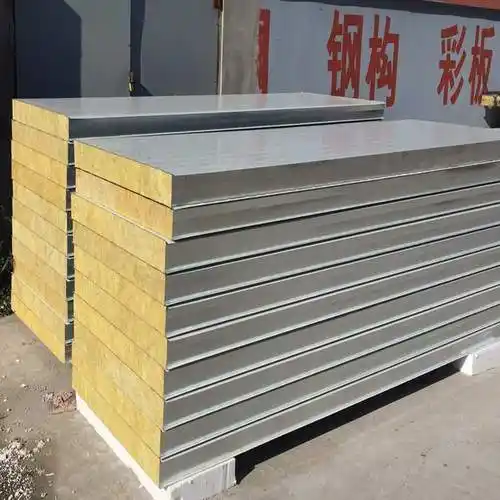
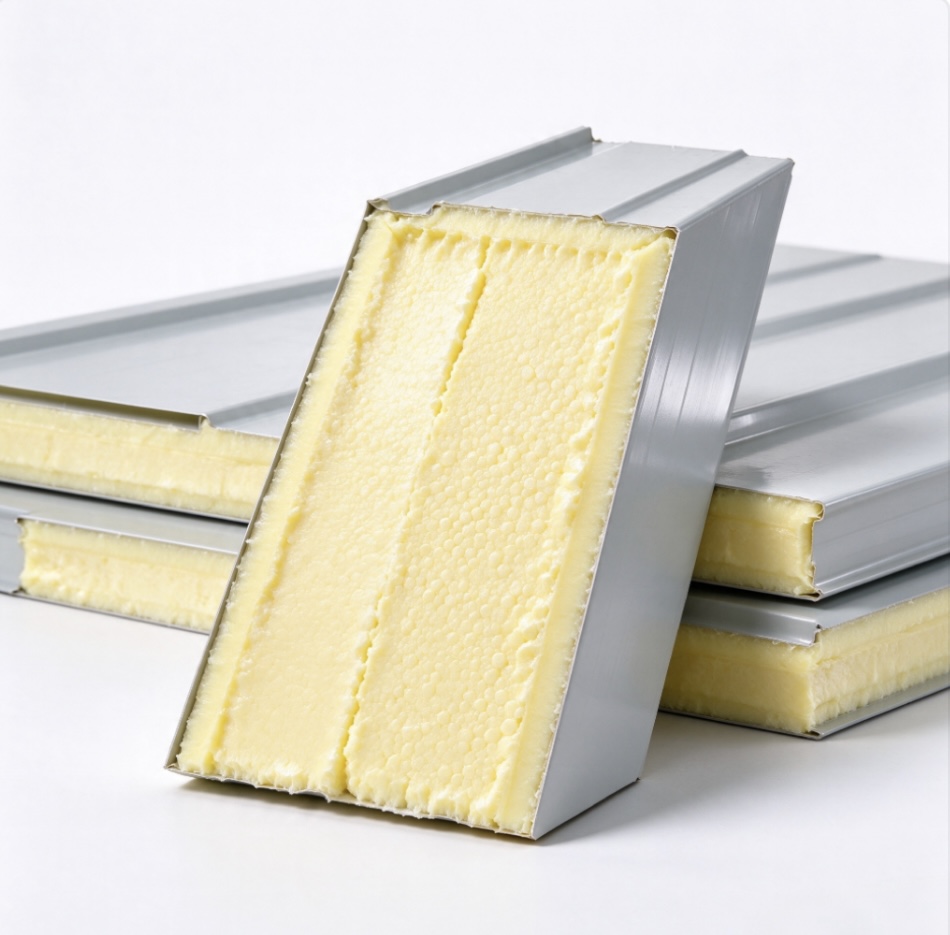
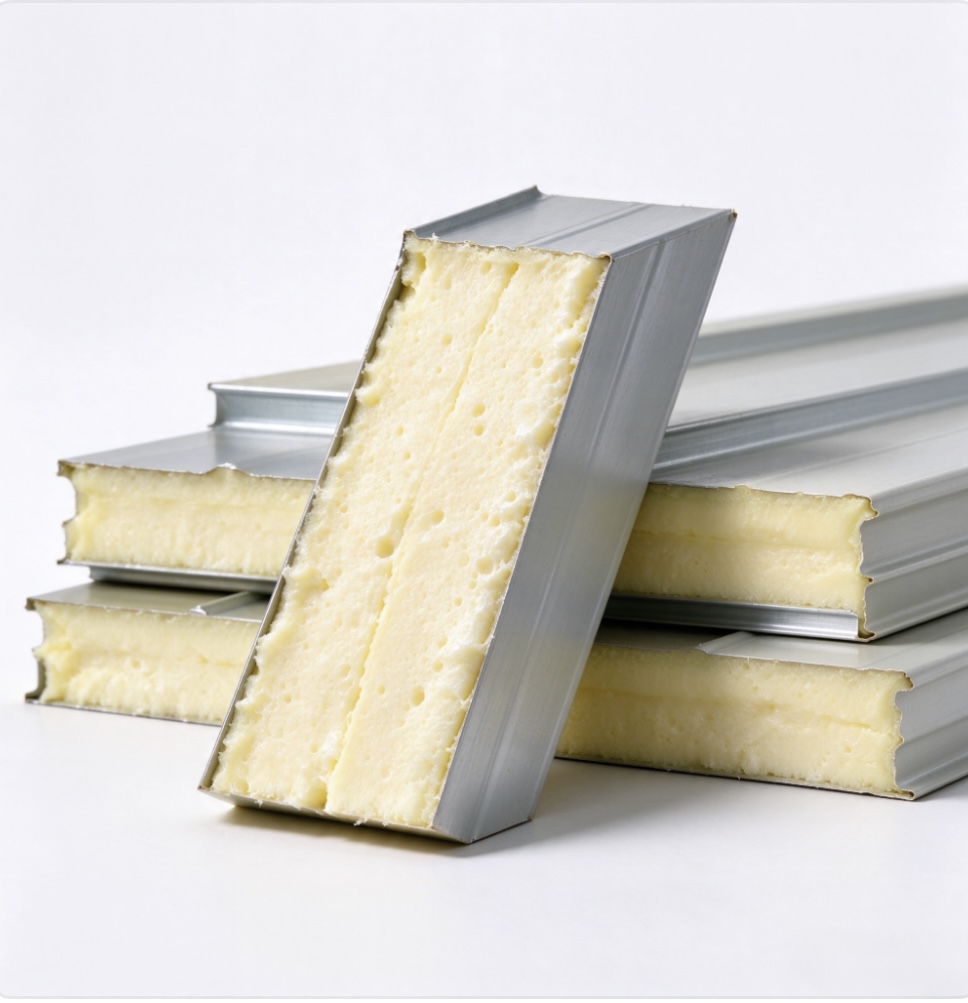
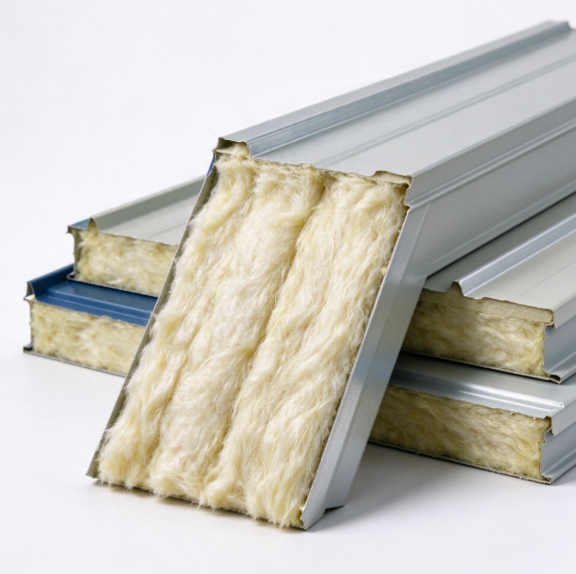
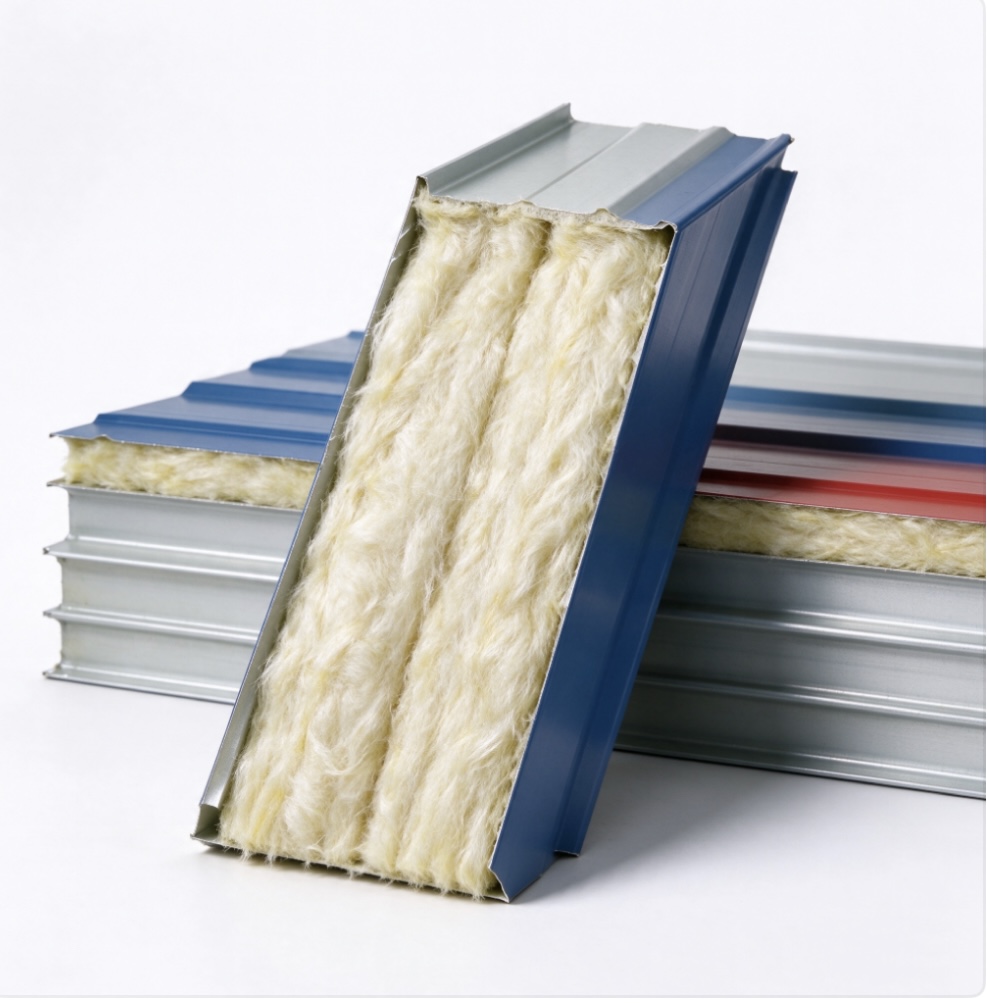
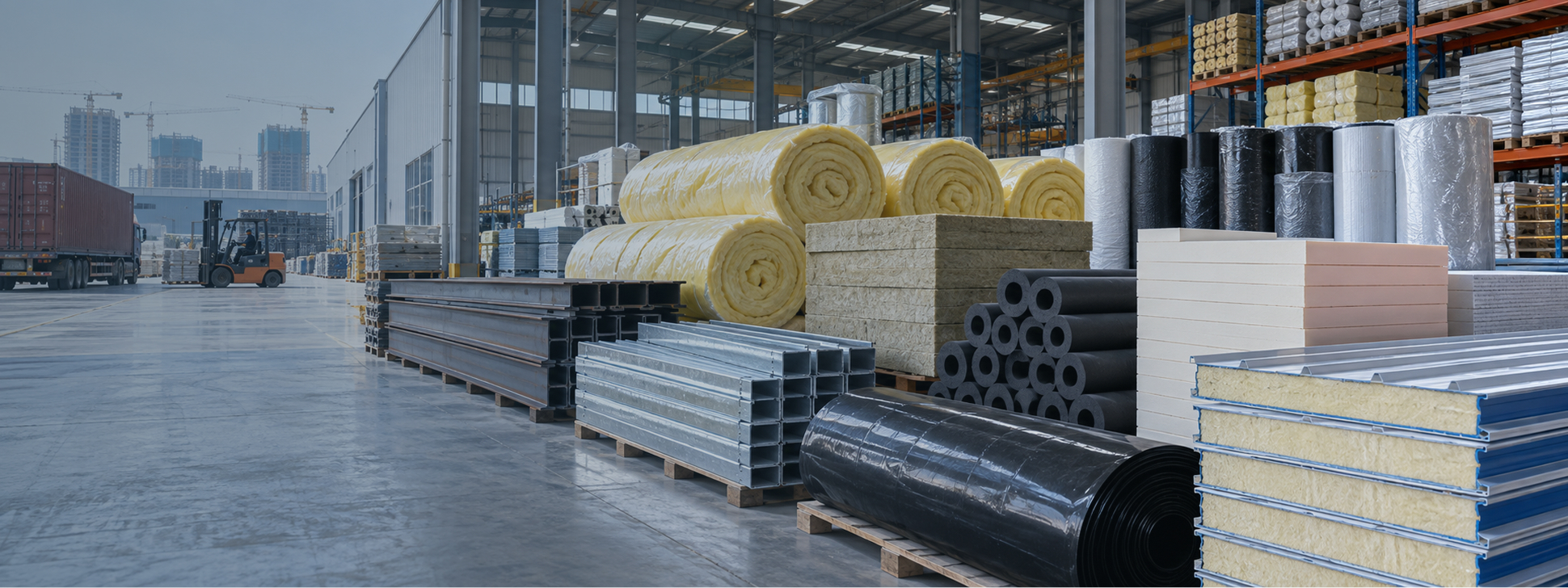
Jinsimai manufactures thermal insulation materials for building, HVAC, and industrial applications. Our product range includes glass wool, rock wool, rubber and plastic insulation, and polyurethane insulation. We focus on consistent production, practical material options, and competitive pricing to support different project requirements.
With ongoing improvements to production processes and quality management, we help customers source insulation materials for construction, equipment, and temperature-control systems.
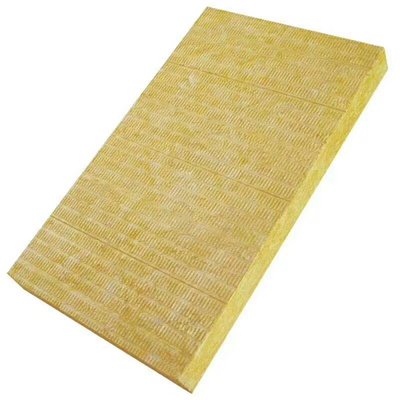
Why Thermal Insulation Materials Matter
Thermal insulation slows heat transfer between warmer and cooler areas, helping reduce unwanted heat loss or heat gain. This can support energy efficiency, temperature control, and more comfortable indoor environments.
In construction, manufacturing, HVAC systems, and cold-chain facilities, material selection can also affect acoustic performance, moisture management, fire performance, and long-term operating costs. The right insulation type depends on the application, operating conditions, and installation surface.
Thermal Insulation Materials for Different Project Needs
Choosing insulation involves more than comparing specifications on paper. The material must suit the intended use, installation method, and project budget. Jinsimai offers several insulation product categories to help customers identify suitable options.
Explore our glass wool, rock wool, rubber and plastic insulation, and polyurethane insulation products.
Contact Jinsimai to discuss your application, material requirements, and quotation needs.
Thermal Insulation Material Applications
Jinsimai insulation materials are used in a range of building, HVAC, and industrial environments. The suitable product depends on the surface, temperature conditions, and required thermal, acoustic, or fire performance.
Common applications include:
- Building walls and roofs
- Curtain wall systems
- HVAC ducts
- Hot and chilled pipelines
- Industrial equipment
- Boilers and plant facilities
- Cold storage rooms
- Marine and steel-structure projects
Key Features of Thermal Insulation Materials
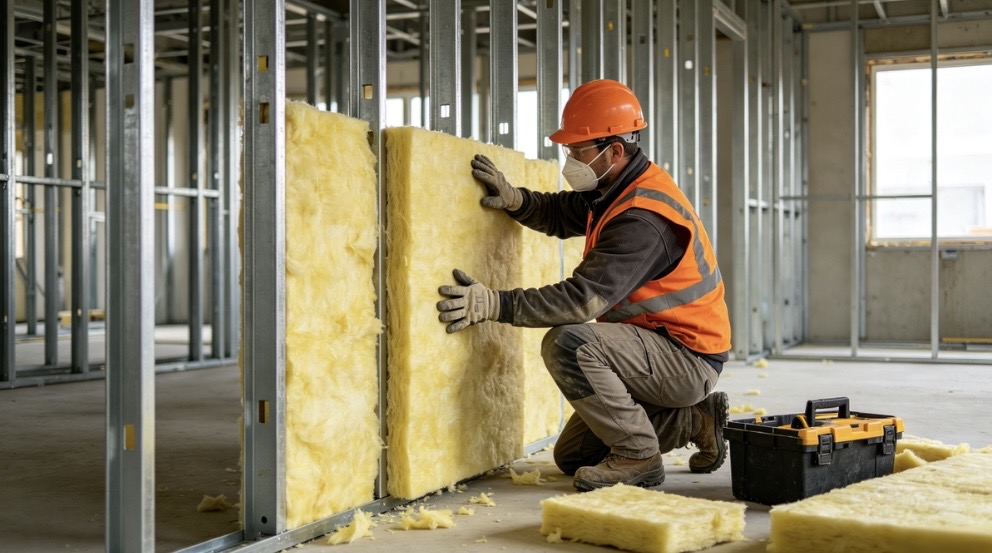
How Thermal Insulation Materials Are Installed
Identify the application. Determine the surface to be insulated, operating temperature, environmental conditions, and project performance needs.
Select the suitable form. Rigid boards are commonly used on walls, roofs, and flat surfaces; flexible blankets can wrap around ducts and irregular shapes; pre-formed pipe sections fit compatible piping systems.
Cut and secure the material. Cut the insulation to the required dimensions, then secure it using a suitable adhesive, wire, tape, or mechanical fasteners according to the product and substrate.
Add protection where needed. A foil, cloth, or protective jacket may be used where appropriate to suit the installation environment and help protect the insulation surface.
Frequently Asked Questions About Thermal Insulation
What temperature range can thermal insulation materials handle?
The operating range depends on the insulation type and product specification. Some options are used in below-freezing environments, while others are designed for elevated-temperature applications. Confirm the required range for your project before selecting a material.
Do all insulation materials have the same fire performance?
No. Fire performance varies by material and product grade. Glass wool and rock wool are commonly selected for their fire-related properties, while rubber, plastic, and polyurethane products may be available in different formulations. Check the relevant product specifications for your application.
How do insulation materials resist moisture?
Moisture performance depends on the material structure and any water-repellent treatment. Rubber and plastic foam products often have closed-cell structures, while some glass wool and rock wool products can be treated for water repellency. Installation details also matter.
How long can thermal insulation materials last?
Service life depends on product selection, installation quality, operating conditions, and protection from physical or environmental damage. Follow the product guidance and inspect the insulation as part of routine maintenance.
Thermal Insulation Materials from Jinsimai
Jinsimai supplies insulation products for building, HVAC, industrial, and temperature-controlled applications. Our range includes glass wool, rock wool, rubber and plastic insulation, and polyurethane insulation in different product forms.
Share your project application and material requirements with our team to discuss suitable options and product specifications.
Get a QuoteRead More