Waterproof Material
Xiaolong Waterproofing — Extruded TPO, PVC Membranes—Click here to get the lowest quote
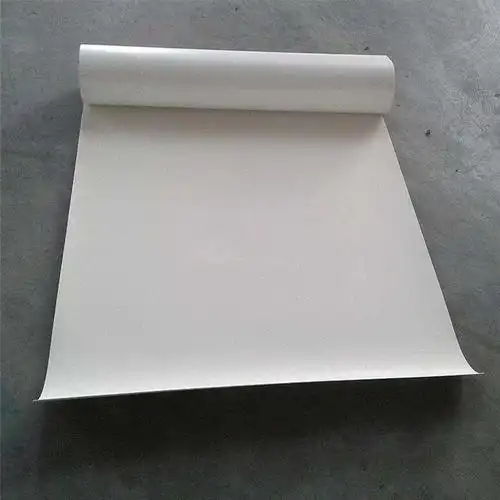
A reliable roof, foundation, or reservoir liner is made by a manufacturer who oversees everything, from resin to the finished roll. That’s where Xiaolong steps in. Our factory makes TPO, PVC, and HDPE membranes in-house. This keeps thickness, seam strength, and weather resistance steady from the first roll to the thousandth. Clients in roofing, tunneling, and containment projects trust us for membranes tailored to their climate and substrate.
Waterproofing Materials
TPO and PVC membranes are made from thermoplastic or synthetic rubber polymers. They include plasticizers, UV stabilizers, and flame retardants. This mix keeps them flexible while also making them weather-resistant. Manufacturers can adjust the ratio of polymer, filler, and reinforcement. During compounding and extrusion, these ingredients blend and heat up. They fuse into a uniform sheet, ready for roll production. UV stabilizers and reinforcement scrims play a crucial role in waterproofing membranes. They directly affect long-term flexibility, tear resistance, and protection against weather-related damage.
Need a Waterproofing Membrane Manufacturer You Can Actually Trust?
Poor-quality membranes often fail without warning. They can develop pinholes, weak seams, or age too quickly. This happens long before any leaks are visible. Xiaolong was built to remove that risk. We are a dedicated maker of waterproofing materials. We test raw materials, use precise extrusion, and inspect each batch. This way, each roll of TPO, PVC, or EPDM meets specifications from day one. Our technical team helps clients choose membranes and guides them on installation for their projects. Get in touch with Xiaolong today and protect your project with a membrane built to last.
Application
Waterproofing materials are used in many places. You’ll find them in roofing systems, basements, foundations, tunnels, landfills, water reservoirs, and green roofs. They create a strong barrier to keep out water.
How Waterproofing Materials Are Manufactured?
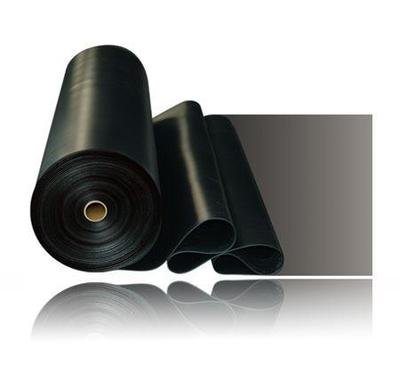
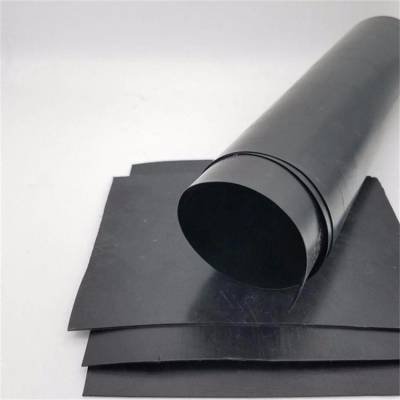
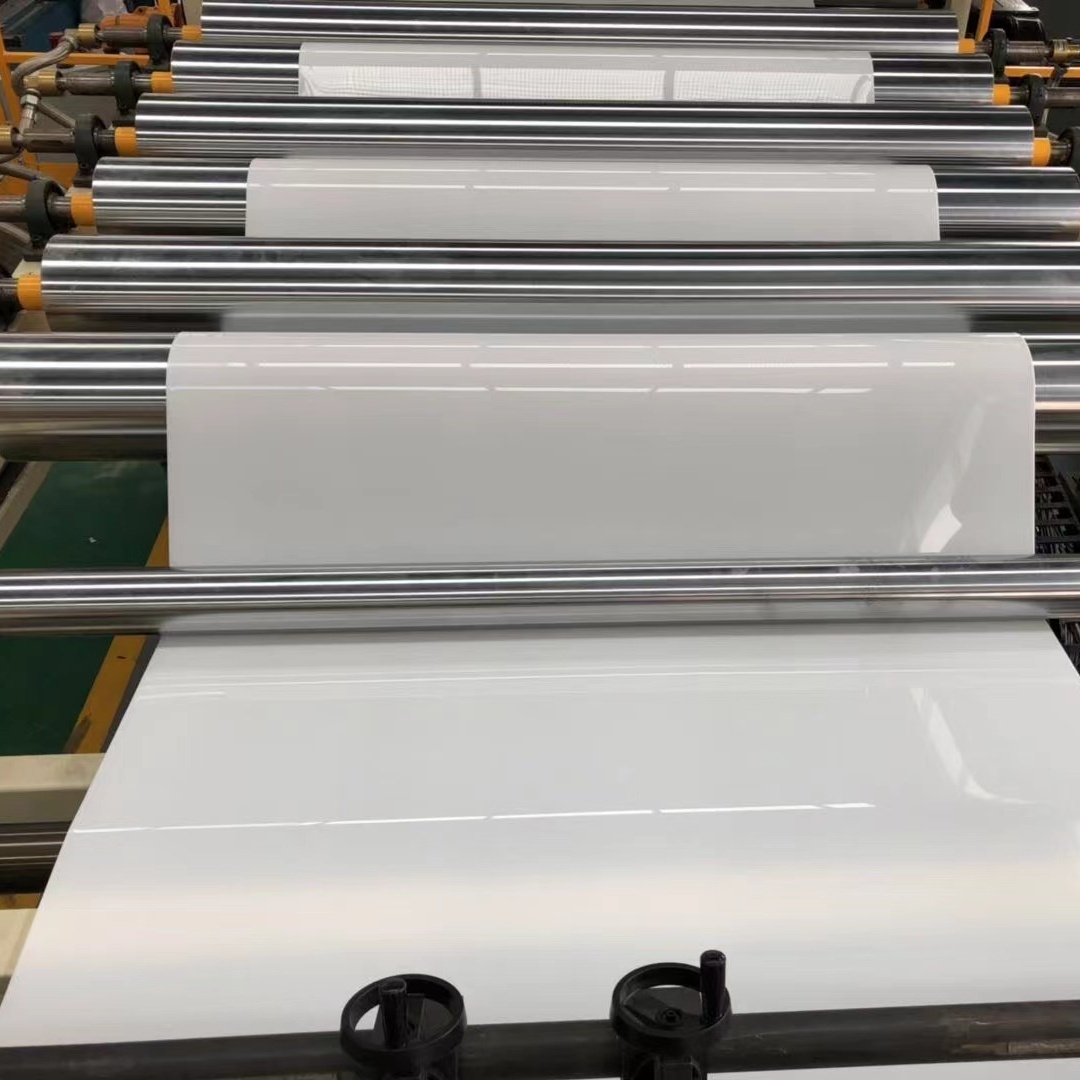
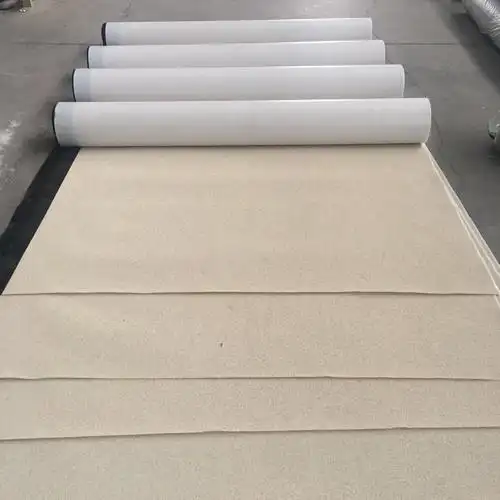
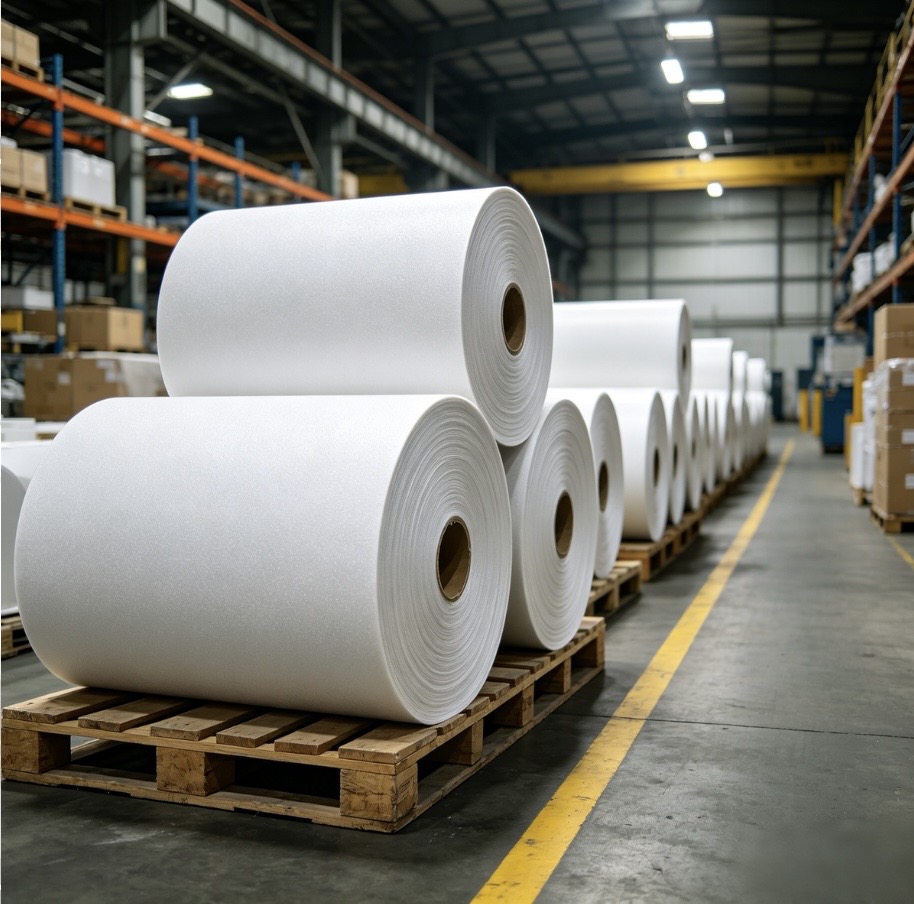
Production starts with selecting and compounding resin. TPO, PVC, or EPDM blends with UV stabilizers and plasticizers to ensure flexibility and weather resistance. The compound is then extruded or calendered into continuous sheets that have a uniform thickness. Reinforcement scrims are added for support in the membranes. Sheets get trimmed, then wound into rolls. They are tested for tensile strength, elongation, and puncture resistance before packaging.
Features of Waterproofing Materials
1. High Tensile Strength- resists tearing and stretching during installation and service life.
2. Excellent Weather Resistance - withstands UV exposure, temperature swings, and ozone without cracking.
3. Chemical & Root Resistance- suitable for landfill liners and green roof applications.
4. Flexible & Easy to Install - heat-weldable or self-adhesive seams speed up installation.
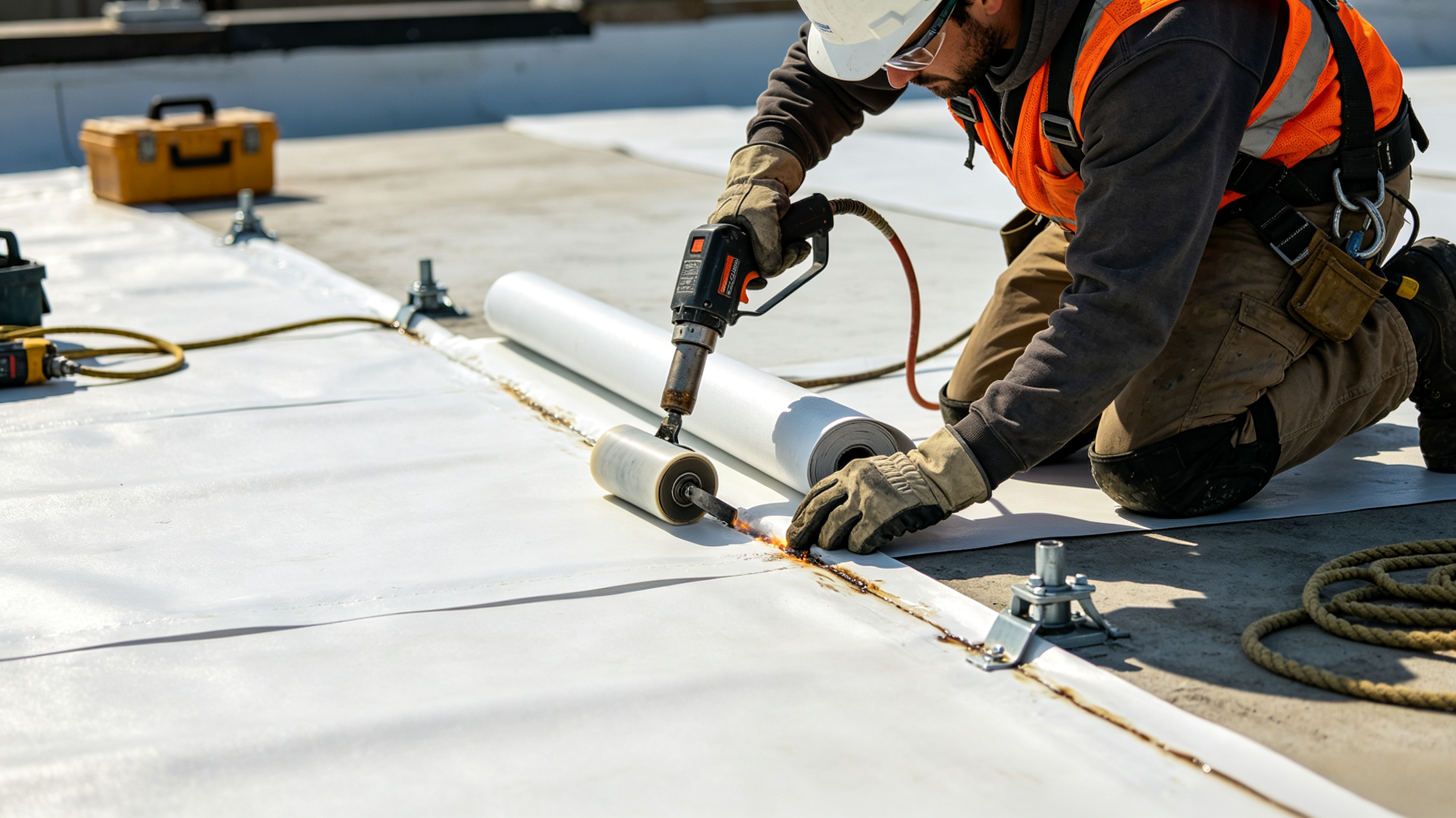
How Waterproofing Materials Are Used
Waterproofing membranes are used to create a continuous, watertight barrier across roofs, foundations, and below-grade structures. They provide high elongation and strong resistance to punctures and tears. They perform well under constant UV exposure and temperature changes. This makes them ideal for areas with movement and thermal stress. Common applications include flat roofs, underground parking structures, and reservoir linings.
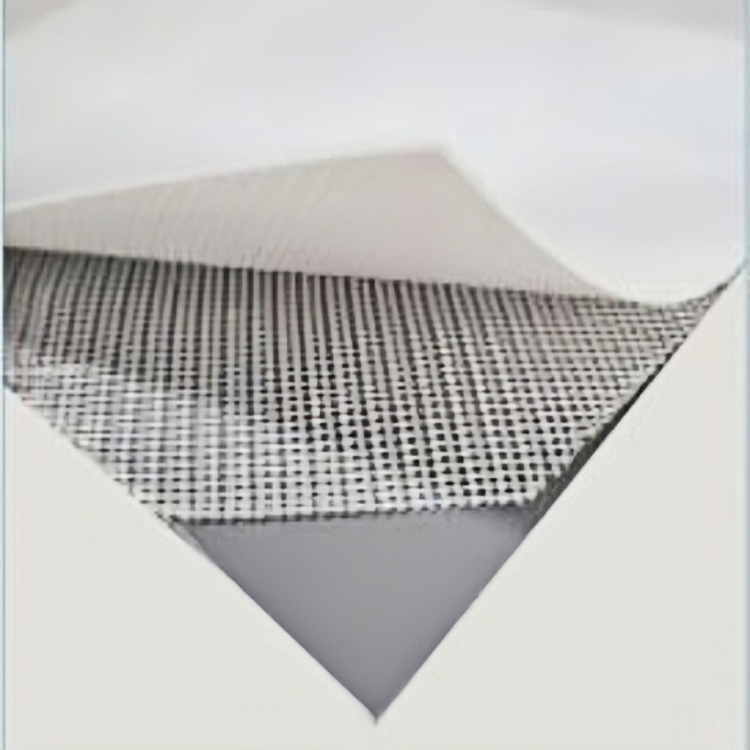
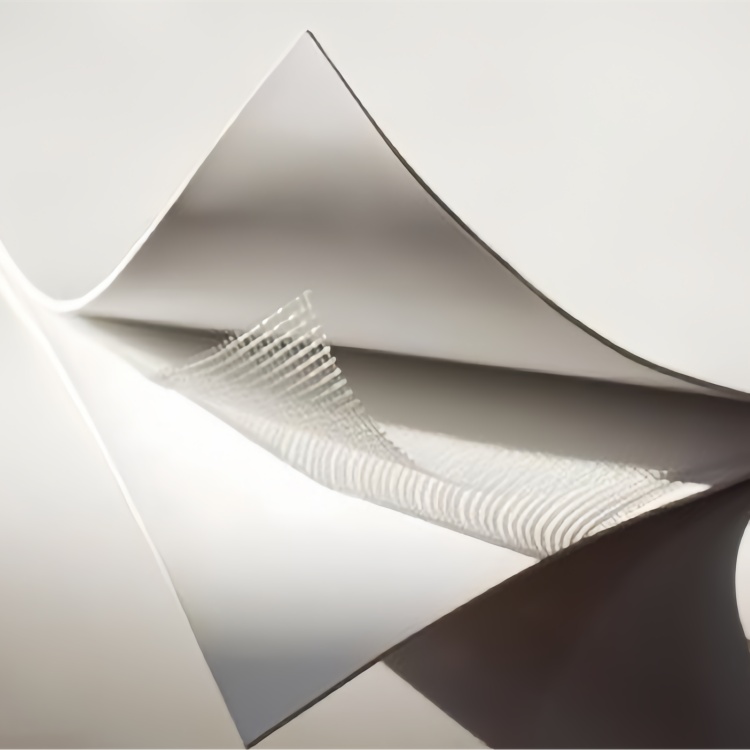
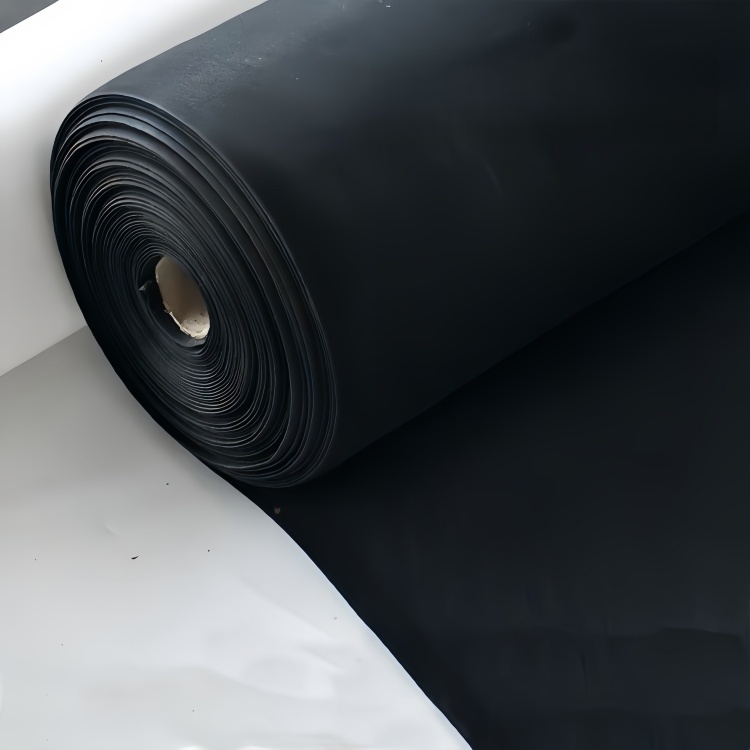
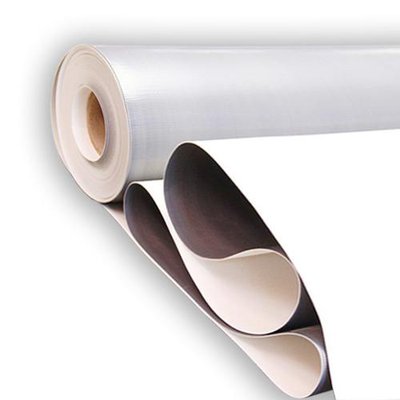
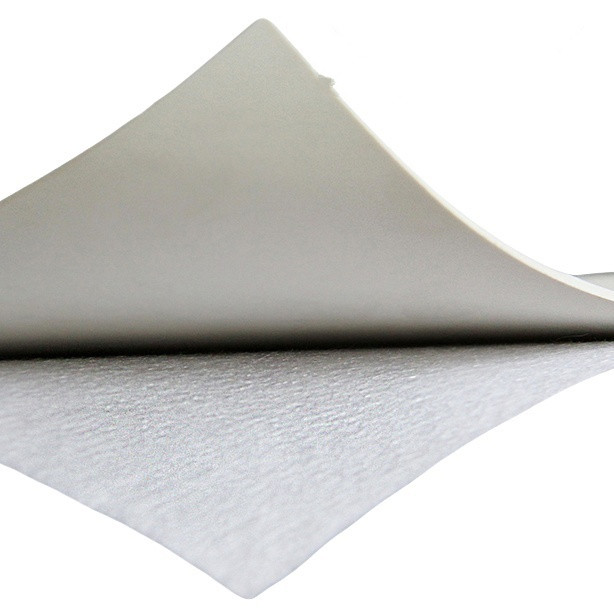
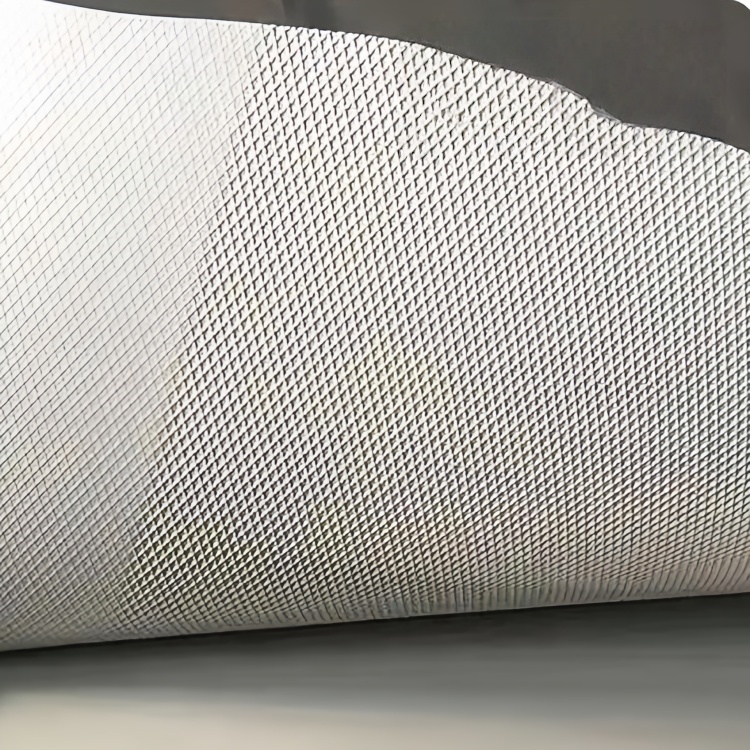
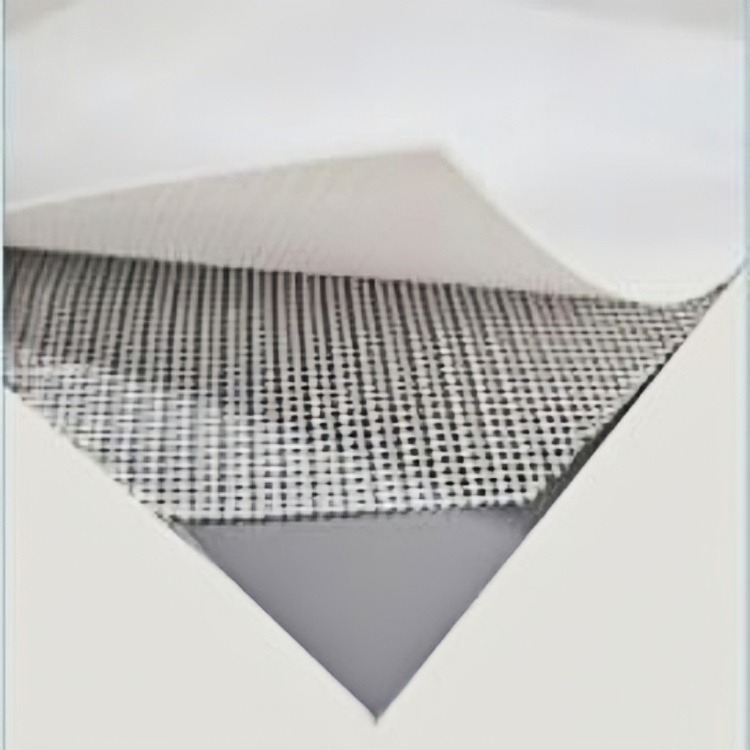
Different membrane types work similarly but differ in composition. TPO and PVC are thermoplastic sheets that can be heat-welded into one layer. EPDM is a rubber membrane joined with adhesive seam tape. HDPE geomembrane provides extra chemical resistance for landfill and containment uses. Reinforced versions have an internal scrim layer for added tear strength. In contrast, homogeneous membranes depend only on material thickness.
During installation, sheets are rolled out over the substrate. They overlap at the edges and join through hot-air welding, solvent welding, or adhesive tape, depending on the membrane type. This process forms continuous seams that stop water from penetrating. Edge details, drains, and penetrations have flashing and sealant. This makes a watertight system ready for long-term use.
Frequently Asked Questions About Waterproofing Performance
How long do waterproofing membranes typically last?
TPO and PVC membranes usually last 20–30 years. Some high-quality systems can last over 30 years if maintained well.
Can waterproofing membranes handle extreme temperature changes?
TPO membranes stay flexible in the cold and resist softening in heat. This helps them expand and contract with the substrate without cracking.
Are these membranes resistant to UV exposure?
Most exposed membranes, like TPO and PVC, have UV stabilizers. These prevent degradation, chalking, and brittleness caused by long sunlight exposure.
How well do the seams hold up over time?
Heat-welded seams on TPO and PVC membranes bond as strong as the membrane. This provides better long-term performance than systems that only use adhesive.
XIAOLONG Waterproofing Materials
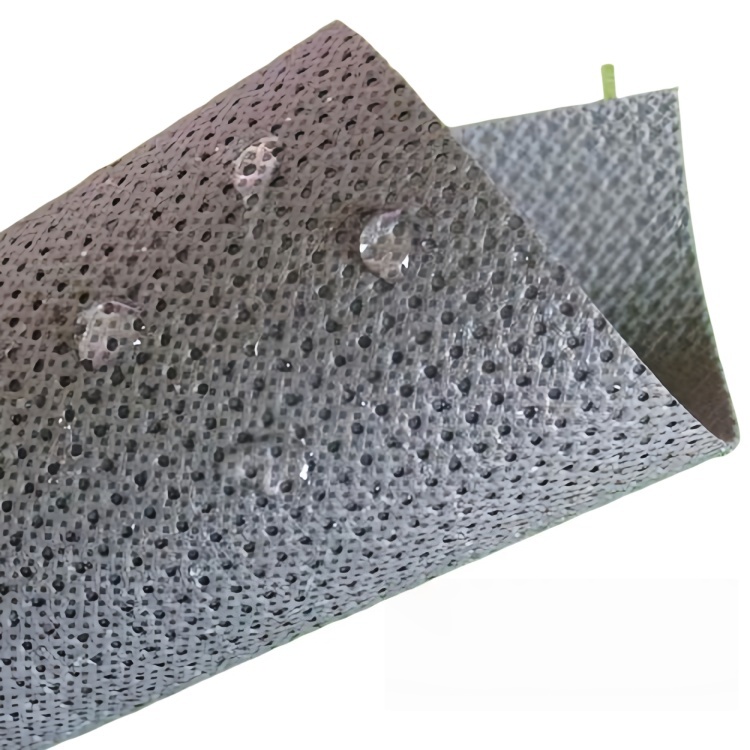
Xiaolong offers a wide range of waterproofing materials. These include reinforced TPO, SBS membranes, reinforced PVC, HDPE geomembrane, homogeneous PVC, EPDM rubber membranes, and breathable waterproof membranes. This variety offers clients a full solution for roofing, foundations, and containment projects. Our membranes are designed to work well in real-world weather and structural conditions. They come with strong quality control and technical support.
If your next project needs a waterproofing system that lasts, let Xiaolong help you pick the right membrane. Get in touch with our team today for a free consultation and quote — your lasting protection begins here.
Read More