
From Basement Walls to Roof Corners: Non-Reinforced PVC Waterproofing Membrane Welded into One Continuous
Non-Reinforced PVC Waterproofing Membrane Manufacturer for Water-Retaining Structures
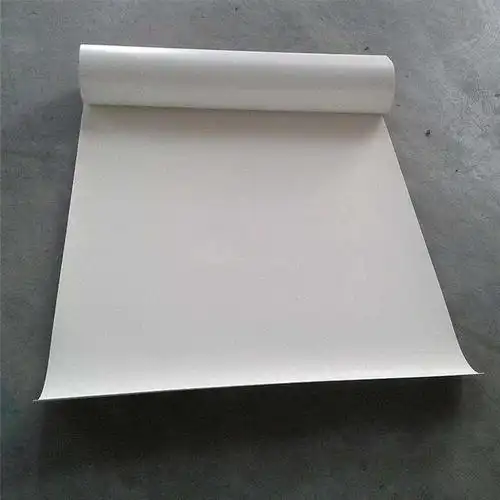
We supply non-reinforced PVC waterproofing membrane for projects where a soft, uniform sheet is easier to shape and weld than a fabric-backed one. Describe your substrate, exposure condition and joint layout, and we will suggest a membrane gauge that fits the waterproofing plan.
Homogeneous Sheets for Seamless Waterproofing Layers
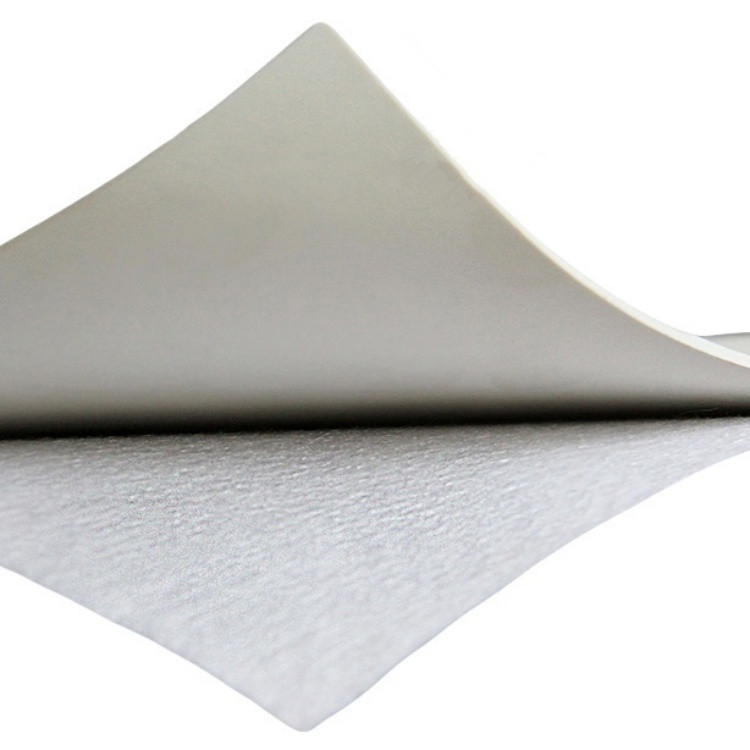
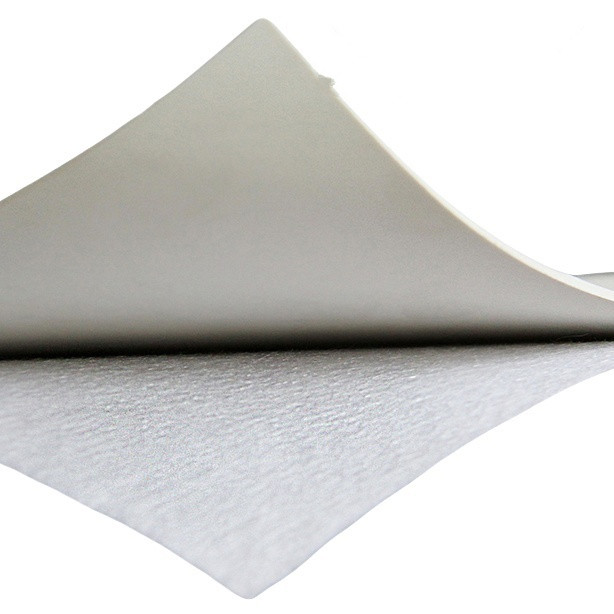
Single-Layer Body without Delamination Risk
With no fabric inside, a non-reinforced PVC waterproofing membrane has nothing to separate under water pressure or temperature cycling. Our homogeneous PVC waterproofing membrane selection guide explains how this structure compares with other PVC types.
Deep-Penetration Hot-Air Welded Joints
Overlaps fuse through the full sheet thickness, so a trimmed seam edge has no fiber to wick moisture. Welding quality depends on clean, dry laps and a settled temperature, which a short trial strip confirms.
Flexible Forming around Complex Shapes
The non-reinforced PVC waterproofing membrane folds into pipe collars, corners and drain outlets without kinking, which suits geometry that wide reinforced rolls cannot follow.
Resistance to Water, Alkali and Soil Chemicals
This non-reinforced PVC waterproofing membrane tolerates wet concrete, groundwater and common soil salts, which keeps buried layers intact for years.
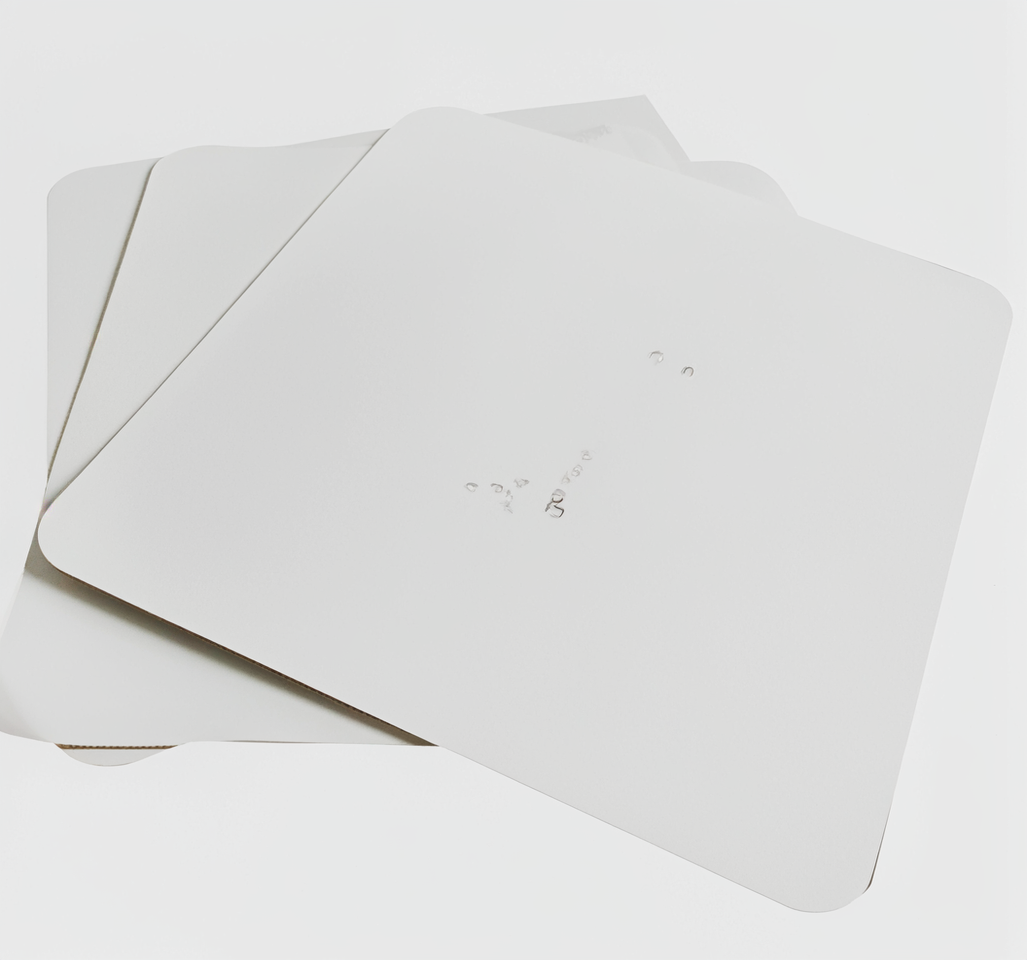
Product Parameters
| Parameter | Specification |
|---|---|
| Material | Plasticized polyvinyl chloride (PVC-P), homogeneous, non-reinforced |
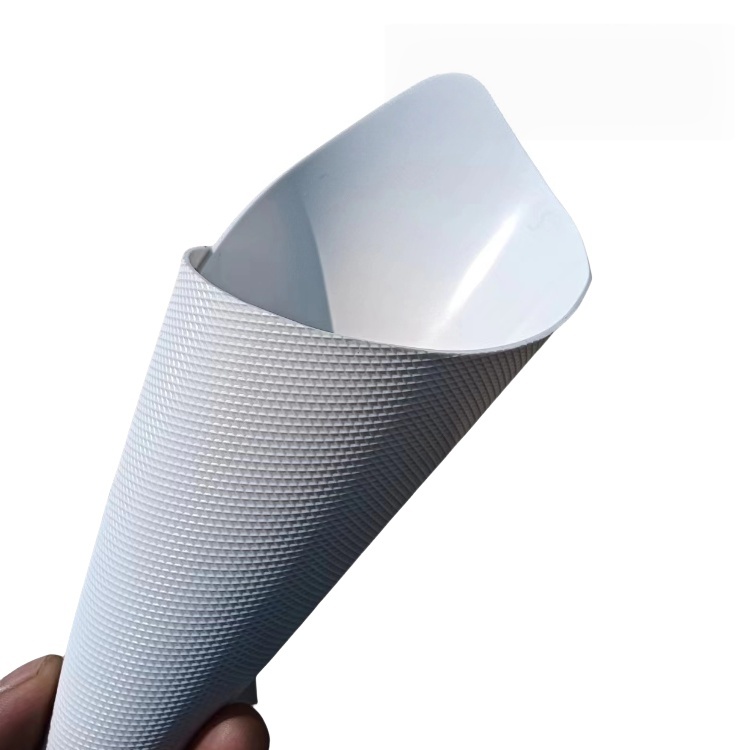
| Surface Texture | Smooth |
| Nominal Thickness | 1.2 mm / 1.5 mm / 2.0 mm |
| Resin Type | Suspension-grade PVC with polymeric plasticizer |
| Seam Joining Method | Hot-air welding |
| Color | Light grey / Slate grey |
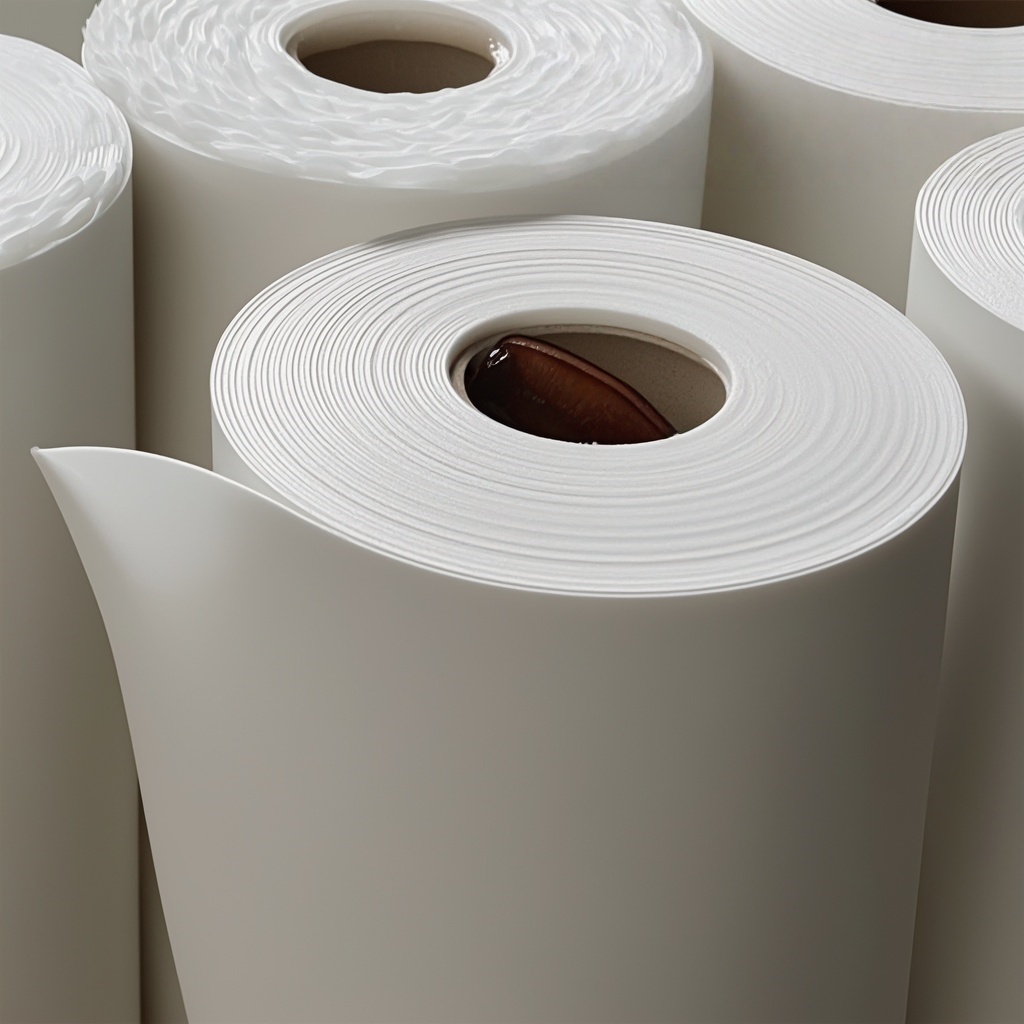
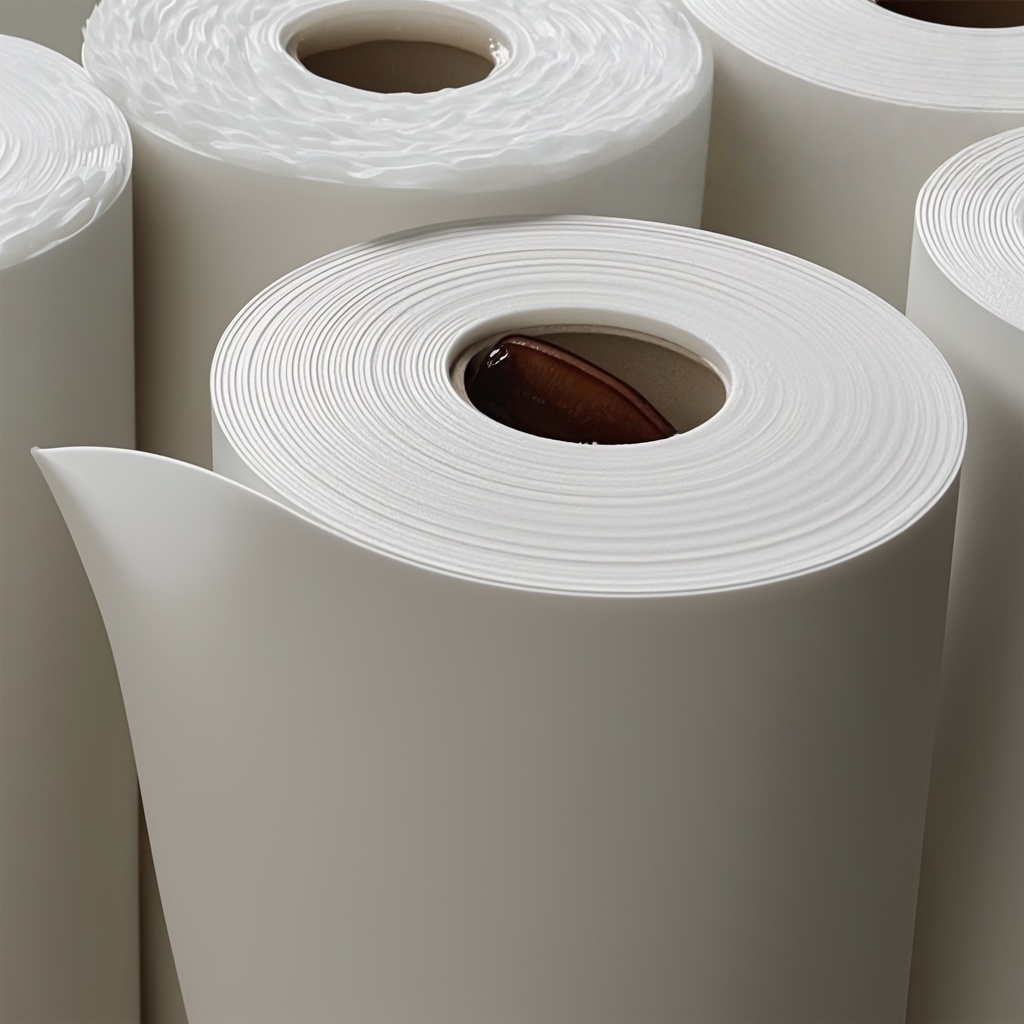
| Packaging | Rolls on cardboard cores, shrink-wrapped |
Structures where Non-Reinforced Sheet Waterproofing Performs Best
- Basement and foundation walls: fully bonded or loose-laid behind backfill, with a protection layer against sharp stones.
- Tunnel and underground linings: the sheet conforms to concrete surfaces and takes on small shape changes after pouring.
- Roof detail flashings: non-reinforced PVC waterproofing membrane wraps penetrations and parapet corners, then welds to the main roof sheet.
- Water tanks and decorative pools: smooth lining for non-drinking water with edges anchored and covered.
FAQ: Compatibility, Installation Conditions and Service Care
1. Can the membrane touch polystyrene insulation or bitumen directly?
Not without a separation layer. Plasticizer can migrate into these materials, so place a geotextile or compatible fleece between them.
2. Why not fasten it mechanically across a large roof?
Without scrim, the sheet has less tear resistance around fasteners. Bond it fully or hold it under ballast, and keep fasteners to perimeter terminations.
3. Does it get stiff in winter?
It stays workable in cold weather but becomes firmer. Store rolls in a warm place the day before use so unrolling and welding go smoothly.
4. How does it handle ground movement after backfilling?
Its soft body stretches slightly with minor settlement. A cushioning layer and well-compacted backfill spare the sheet from sharp point loads.
Prepare a Waterproofing Membrane Plan for Your Project
For contractors, distributors and project buyers, our support covers custom specifications, bulk wholesale supply and tender documentation. Share your drawings for a material proposal and we will return a clear plan for non-reinforced PVC waterproofing membrane use across your structure.