Steel Structure Engineering
Professional Manufacturer of Steel Structures—Click here to get the lowest quote
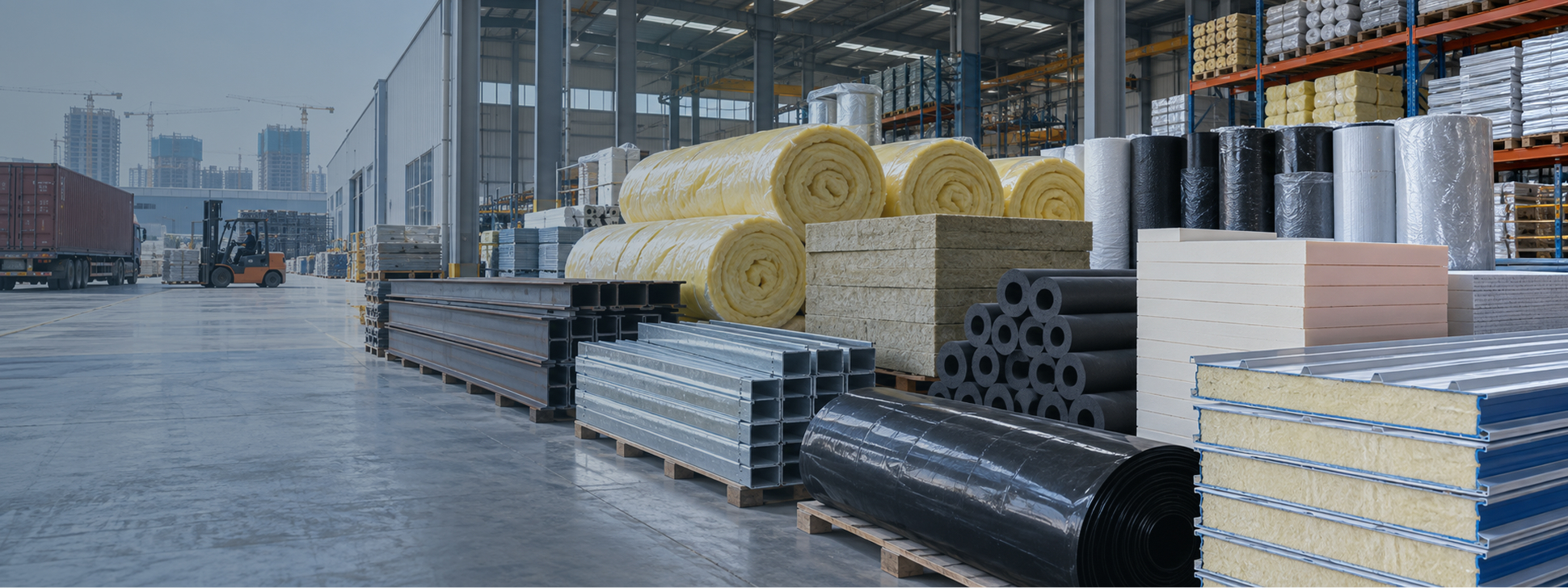
Xiaolong is a professional manufacturer specialising in structural steel engineering. This includes H-beams, C-purlins, and prefabricated steel building systems. We have advanced production lines and a skilled technical team. This lets us provide structural steel components that meet global quality and safety standards. Every project is custom-engineered to match the client's load, span, and site requirements. Whether you need a single batch of H-beams or a complete steel structure package, our team is ready to help.
Steel Structure Engineering
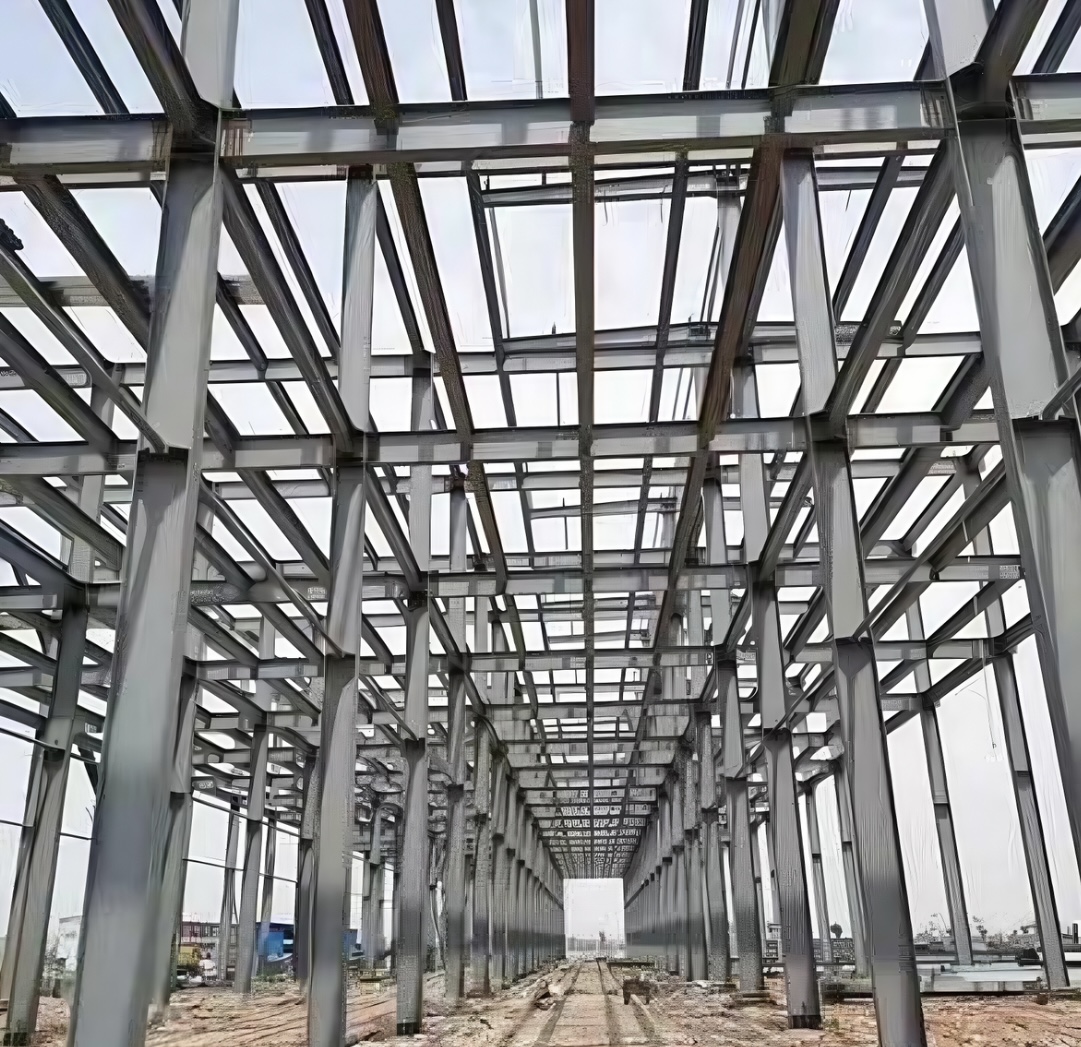
Steel structure engineering is now the backbone of modern industrial, commercial, and agricultural construction. The reasons are straightforward. Steel's high strength-to-weight ratio lets engineers build longer spans and taller buildings with less material than concrete or timber. Second, since components are made in a controlled factory and then assembled on site, schedules are shorter. Quality is also more consistent than with cast-in-place methods. Third, steel structures can be designed to withstand seismic loads, strong winds, and heavy snow. This provides owners with long-term safety. Steel is fully recyclable. Structures can be expanded or modified with little waste. This makes steel structure engineering a sustainable choice. It’s now the best option for projects needing speed, strength, and reliability.
Searching for a Steel Structure Manufacturer You Can Actually Rely On?
Many buyers spend weeks comparing suppliers. Then, they often encounter delayed shipments, inconsistent steel grades, or unclear technical support. This is exactly the gap Xiaolong was built to close. Xiaolong is a dedicated manufacturer of steel structures. We blend in-house design, strict raw-material checks, and full-process quality control. Every H-beam, C-purlin, and sandwich panel that leaves our factory meets all specs. Our engineers team up with clients to review drawings. They suggest cost-effective improvements and confirm delivery timelines before production starts. Don’t leave your next project to chance. Contact Xiaolong today, and let our team make your steel structure plan a reality.
Application
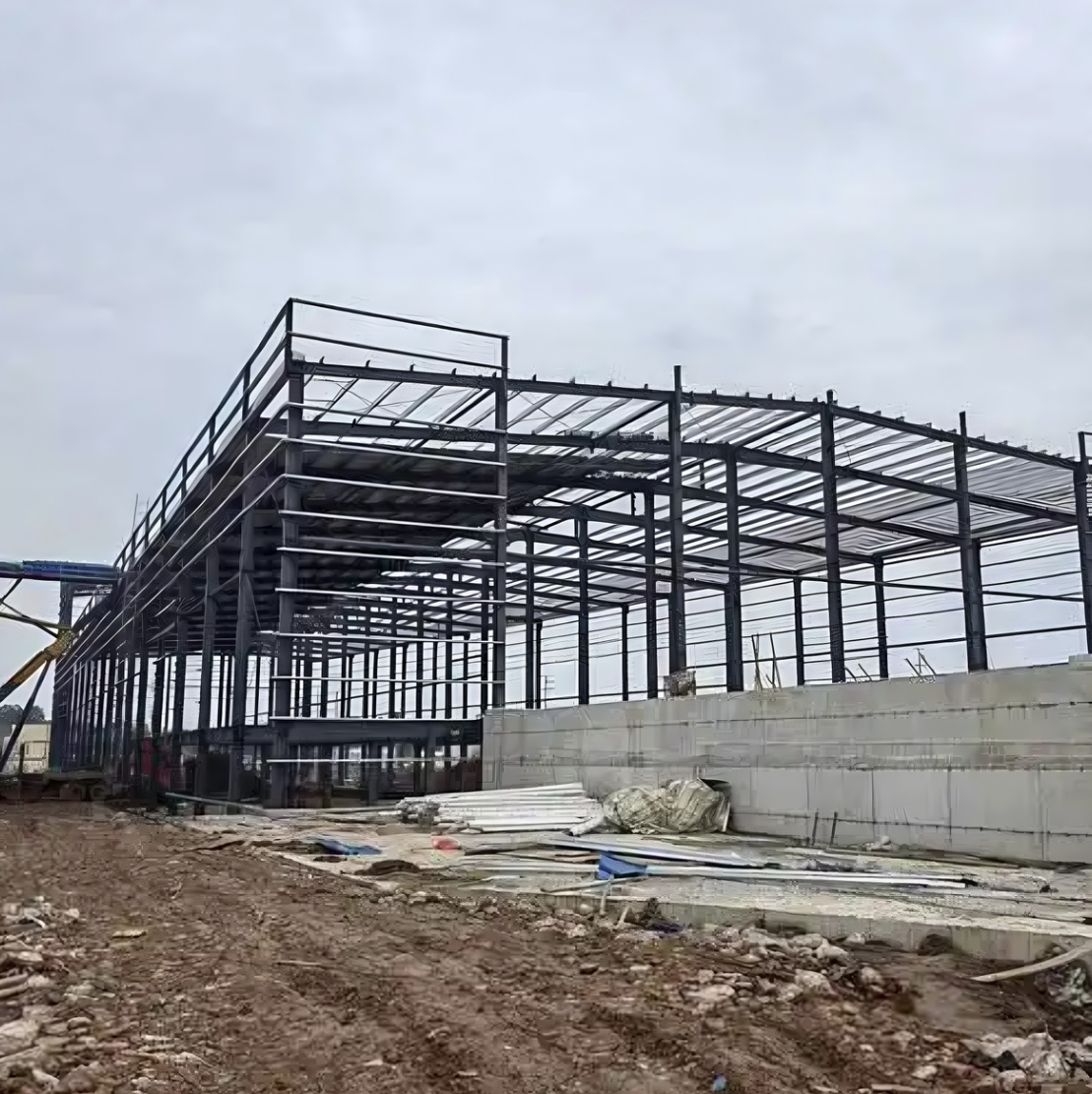
Steel structure engineering is used in many places. These include factories, warehouses, logistics centres, workshops, agricultural buildings, cold storage facilities, and multi-storey commercial buildings. Its versatility makes it a popular choice for temporary structures, expansions, and renovations. Speed and reliability are key in these projects.
How Steel Structure Engineering is Manufactured?
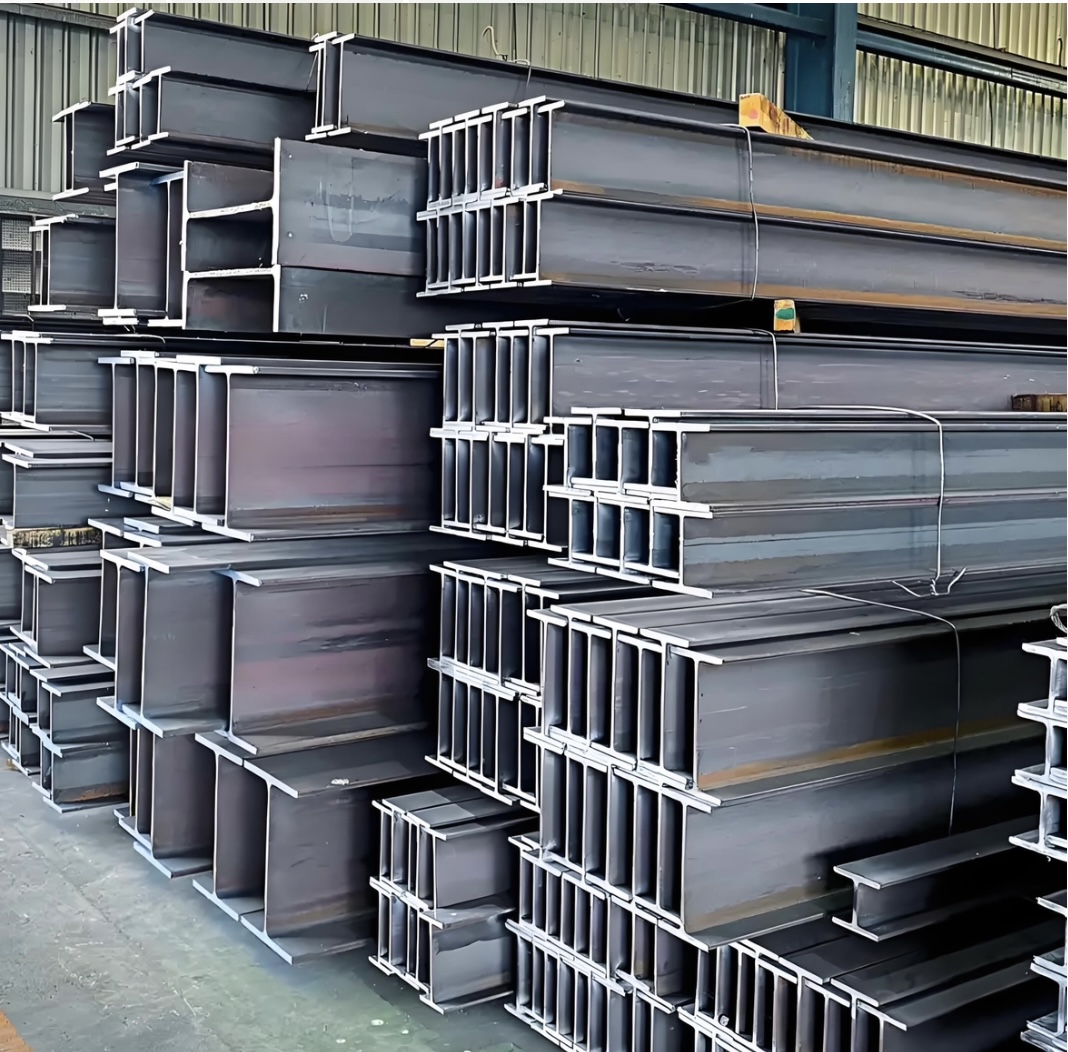
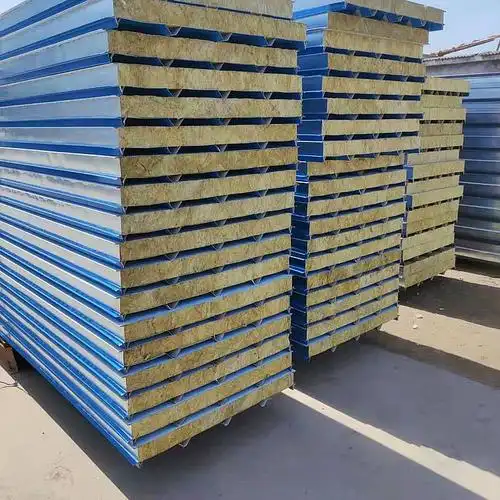
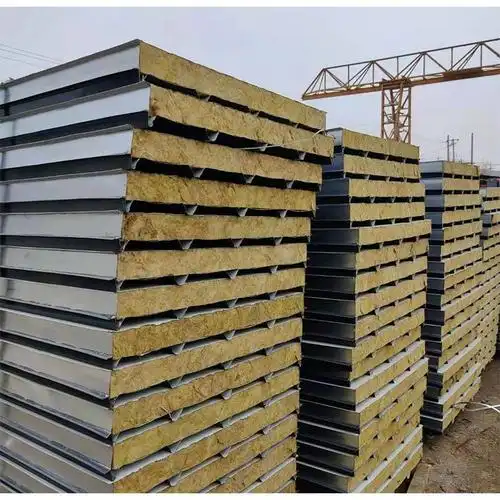
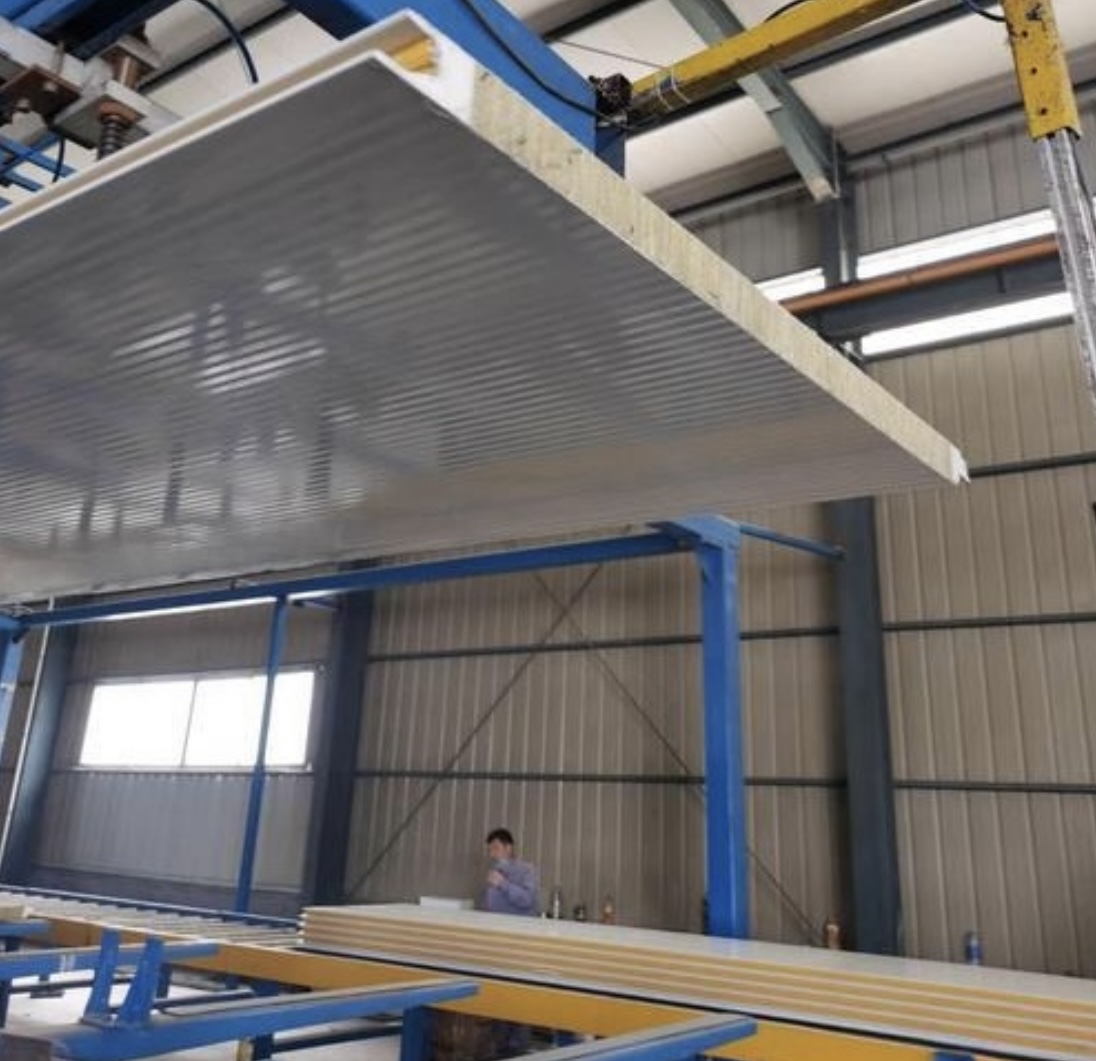
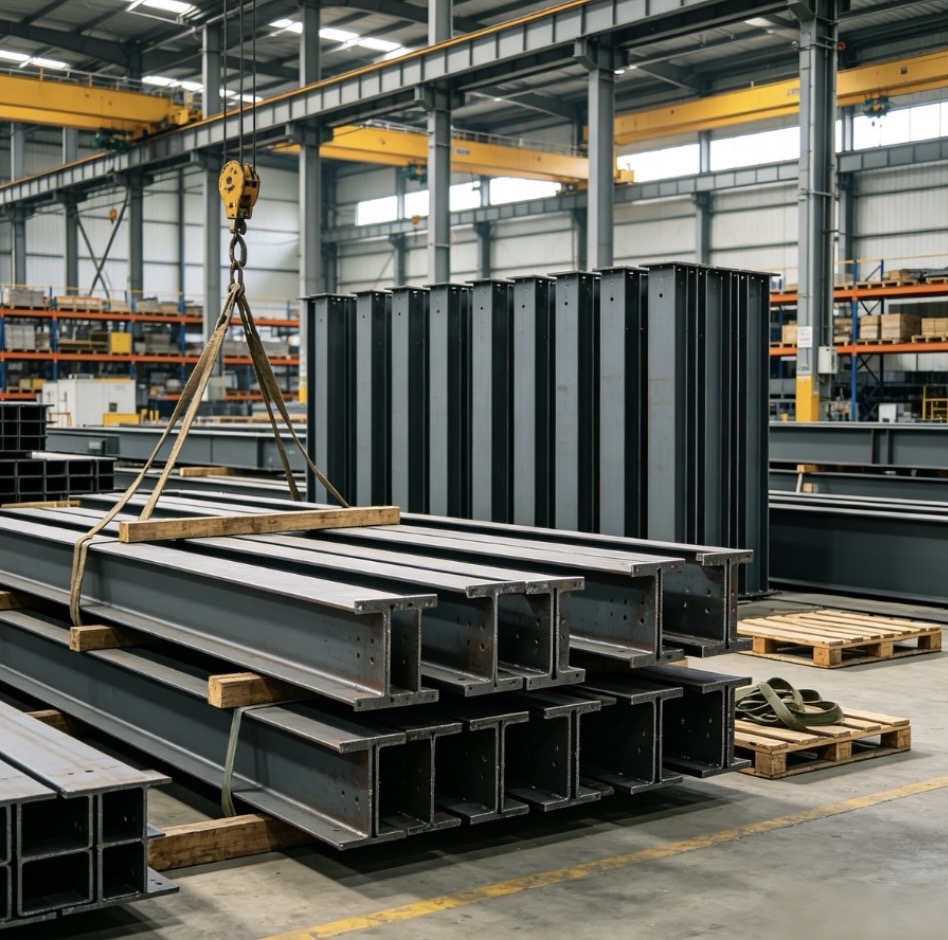
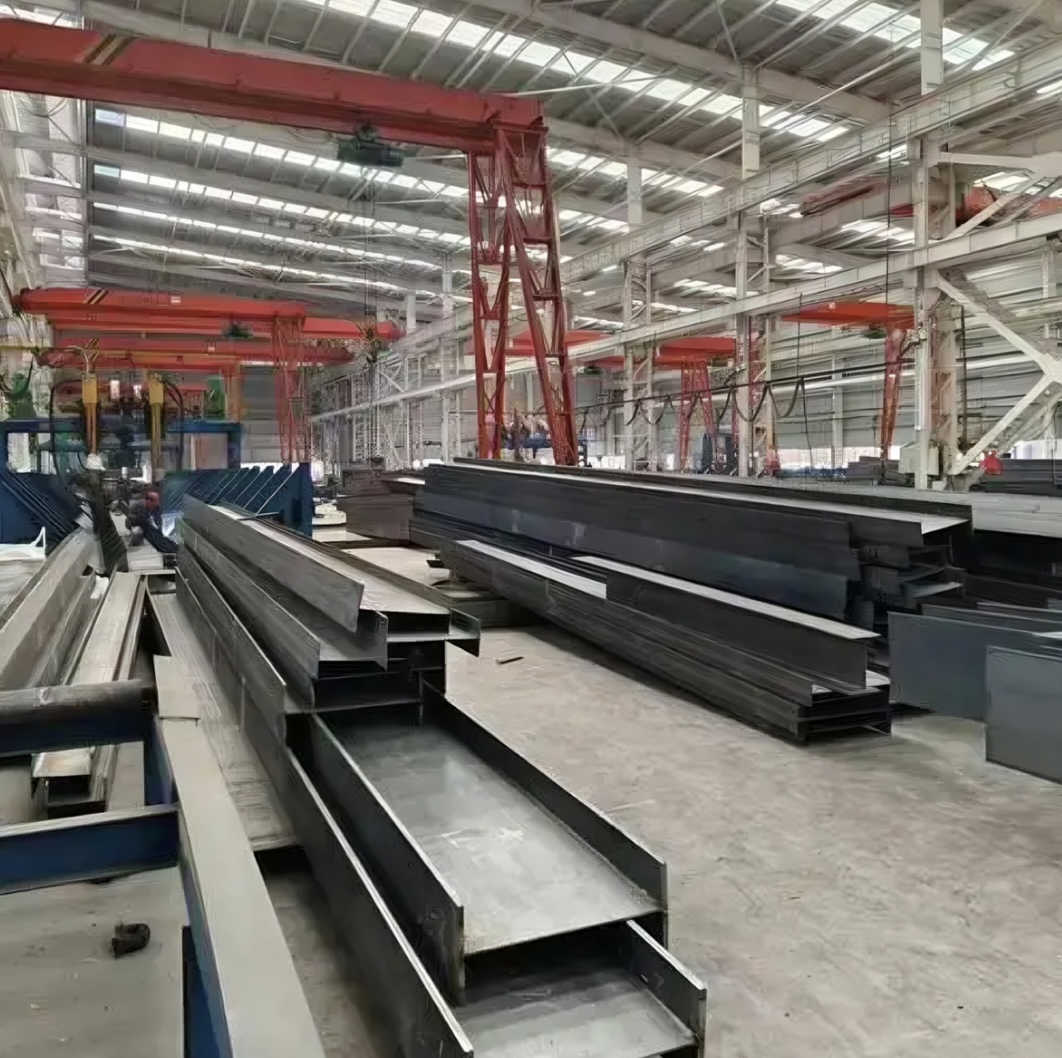
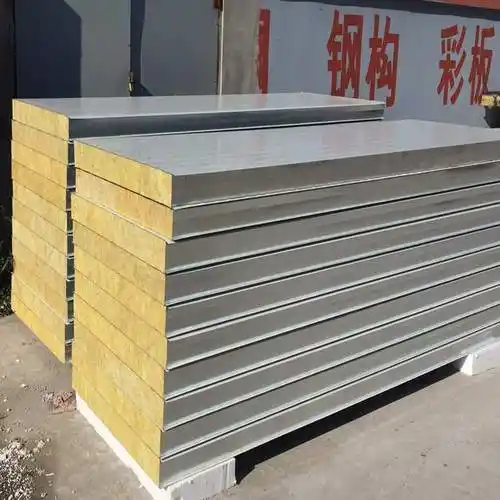
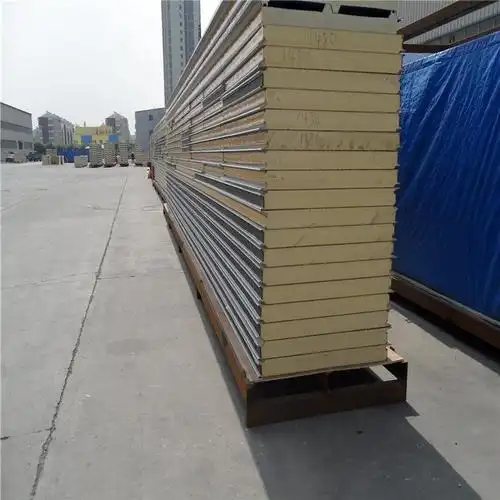
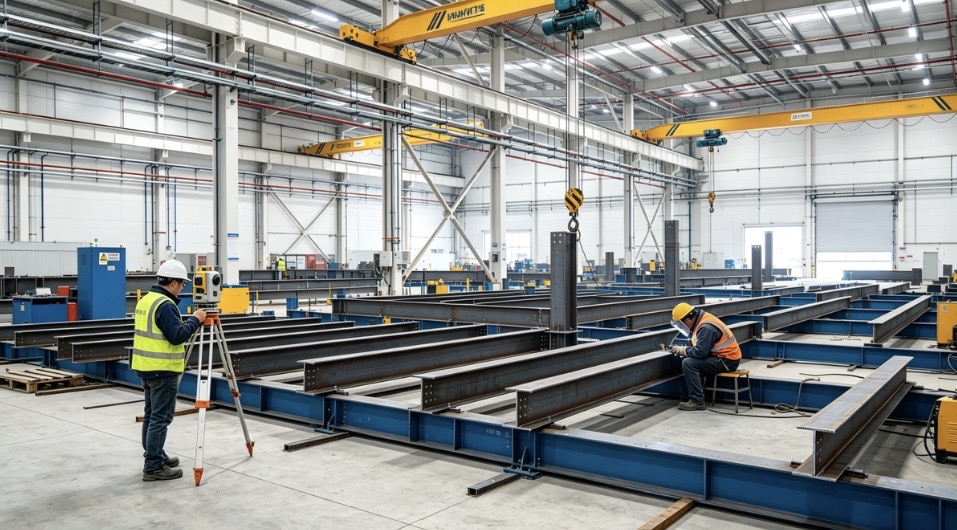
The process begins with structural design. Here, engineers calculate loads and create fabrication drawings. Raw steel, like H-beams and C-channel profiles, is cut, welded, or cold-formed to exact sizes. Then, it is hot-dip galvanized or coated to resist corrosion. Color steel sandwich panels are made on continuous lines. These lines bond steel facings to a core of rock wool, glass wool, or PU. Each component undergoes inspection and load testing. After that, they are packaged as ready-to-assemble structural systems.
Features of Steel Structure Engineering
1. High Strength-to-Weight Ratio-supports long spans and tall structures with less material.
2.Fast Installation - factory-prefabricated components significantly shorten on-site construction time.
3. Excellent Load-Bearing Capacity - engineered to withstand wind, snow, and seismic loads.
4. Corrosion & Weather Resistance - galvanized or coated surfaces protect against rust and harsh climates.
How Steel Structure Engineering is Used
Steel structure engineering is used to form the primary skeleton and load-bearing framework of a building. It provides steady performance under compression, bending, wind, and seismic forces. It also has minimal deflection under long-term loads. This is a reliable choice for large buildings where open floor space matters. Typical applications include factory workshops, warehouse frames, logistics centers, and multi-story commercial skeletons.
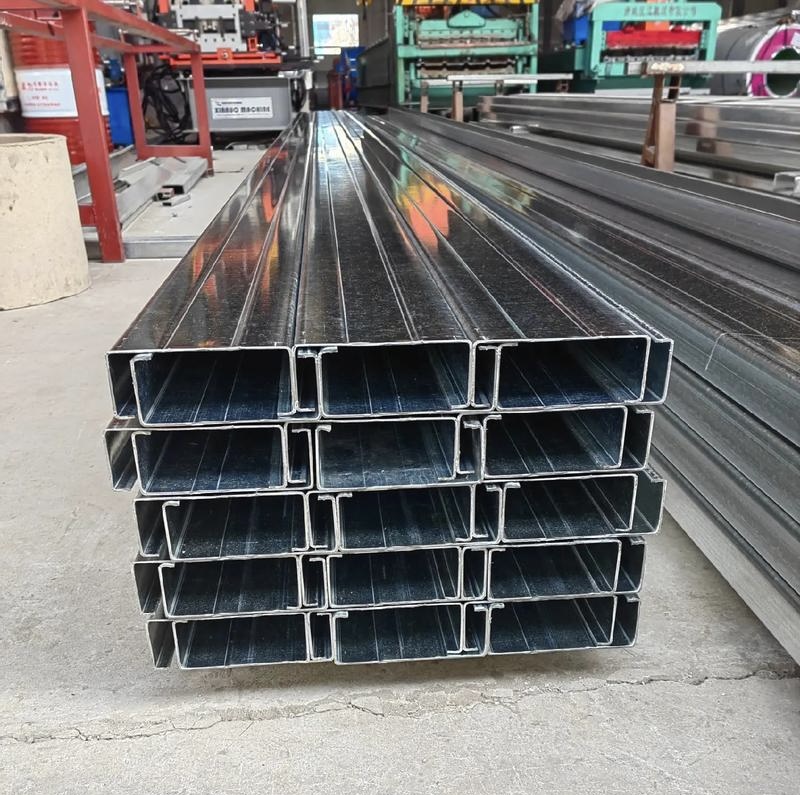
Structural steel members are strong for their weight and resist long-term deformation. This helps them support heavy loads without adding much weight to the foundation. Other steel structure parts, like colour steel sandwich panels, also have a layered design. They have an insulating core made of rock wool, glass wool, or PU. This core sits between two protective steel layers. C-purlins connect the frame to the panels. They spread loads evenly over the whole building envelope.
In the fabrication and installation process, raw steel sections are cut, welded, and bolted into finished structural members. This prepares them for on-site assembly. CNC cutting and automated welding ensure precise and repeatable connections. They also help reduce the material waste often seen in manual fabrication. Finished sandwich panels are fixed to the purlin grid using self-tapping screws or concealed fastening systems. Sealants and flashing details ensure a weatherproof, finished building envelope.
Frequently Asked Questions About Steel Structure Performance
How well does steel structure engineering perform under fire conditions?
Structural steel doesn't burn, but it can lose strength at high temperatures. To enhance fire resistance, people often use fire-rated coatings and rock wool sandwich panels.
Can steel structures withstand strong wind and seismic activity?
Yes — when properly engineered and connected, steel structures offer excellent ductility and strength, allowing them to flex and absorb energy during earthquakes and high-wind events better than many rigid materials.
How much thermal insulation do sandwich panels actually provide?
Rock wool, glass wool, and PU sandwich panels have different thermal conductivity levels. PU usually offers the best insulation efficiency for its thickness. In contrast, rock wool provides excellent fire resistance and decent insulation.
How long does a steel structure typically last before performance declines?
With proper hot-dip galvanizing or protective coatings, and regular maintenance, steel structures can last 30 to 50 years or more. This depends on their environment.
XIAOLONG steel structure engineering
Our products are made to meet real-world challenges. We support their quality and performance through strong quality control, engineering support, and dependable production capacity.
If you're planning a new build, expansion, or renovation, Xiaolong's steel structures offer the strength, speed, and lasting value your project needs. Get in touch with our team today for a free consultation and quote — your project's foundation begins here.
Read More