How Industrial Thermal Insulation Cuts Operating Costs For Manufacturing Plants
Manufacturing facilities face persistent pressure from rising electricity and gas bills, equipment wear‑and‑tear, and high maintenance expenditure. For many plant managers, factory operation cost reduction mostly focuses on production lines and staffing, while overlooking building envelope performance. Deploying high‑performance thermal insulation materials is one of the most practical, long‑term approaches to reduce factory energy consumption, without large‑scale reconstruction of production equipment. Whether for new‑build plants or old‑factory retrofits, proper industrial building insulation directly shapes daily utility spending and long‑term economic returns.
How Thermal Insulation Cuts Down Factory Energy Expenses
Heating and cooling systems account for a large proportion of total overhead in manufacturing sites. Without reliable thermal barriers, steel‑framed workshops suffer massive heat loss in winter and severe heat gain in summer, forcing HVAC units to run continuously. Cut industrial heating and cooling cost does not always mean replacing expensive air‑conditioning or heating hardware; improving envelope insulation performance can lower the working load of temperature‑control equipment.
Good factory thermal insulation delivers two obvious economic benefits. First, it helps lower factory utility bills by decreasing heating‑cooling runtime. Second, stable indoor temperature reduces frequent start‑stop cycles of mechanical equipment, slowing component aging and cutting maintenance frequency. This is why many project owners calculate the thermal insulation ROI for industrial plant before launching renovation projects.
It is worth noting that insulation brings indirect savings too. Stable indoor working temperature improves staff comfort, reduces equipment overheating faults, and avoids unplanned downtime caused by extreme indoor temperature. All these factors contribute to overall factory operation cost reduction.
Common High‑Performance Thermal Insulation Materials For Factories
Multiple material options are available for energy‑saving insulation for manufacturing facility, each with different thermal conductivity, fire‑safety performance and service life. Selecting suitable options according to local climate and building structure is the core of cost‑effective investment.
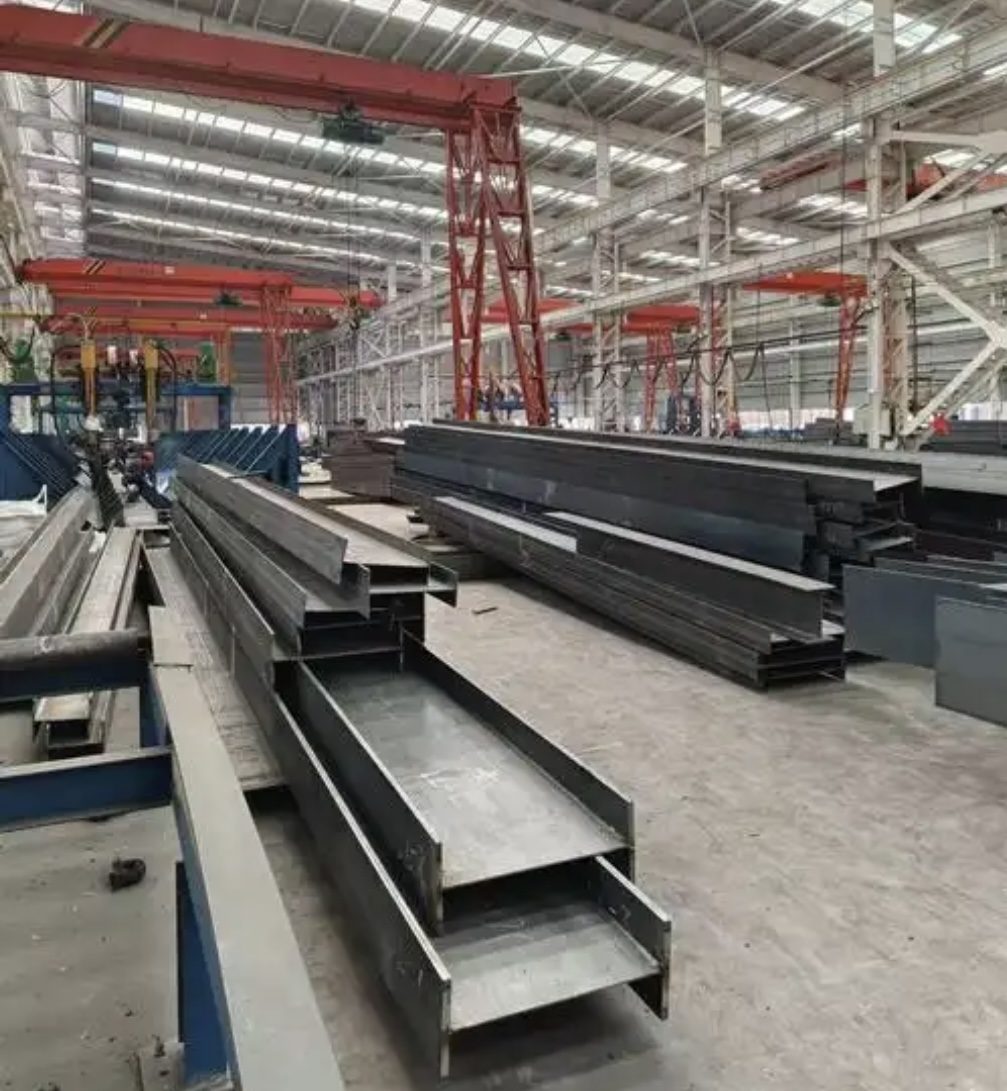
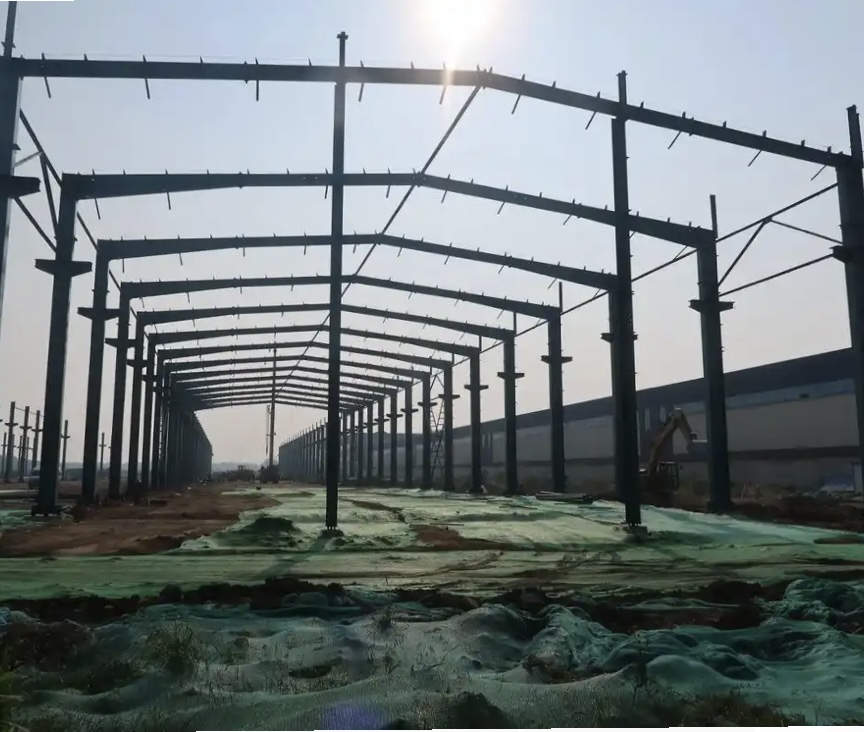
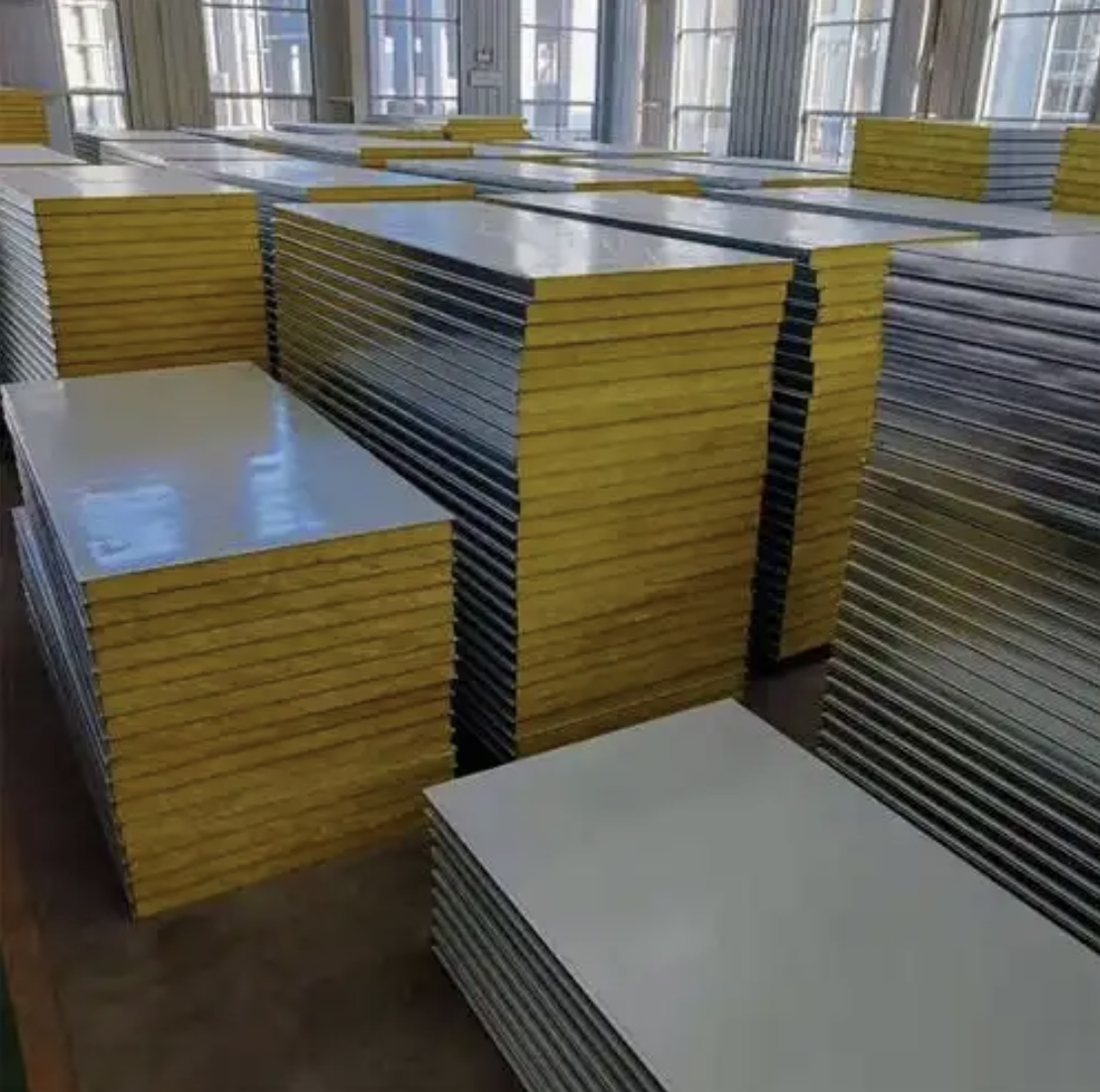
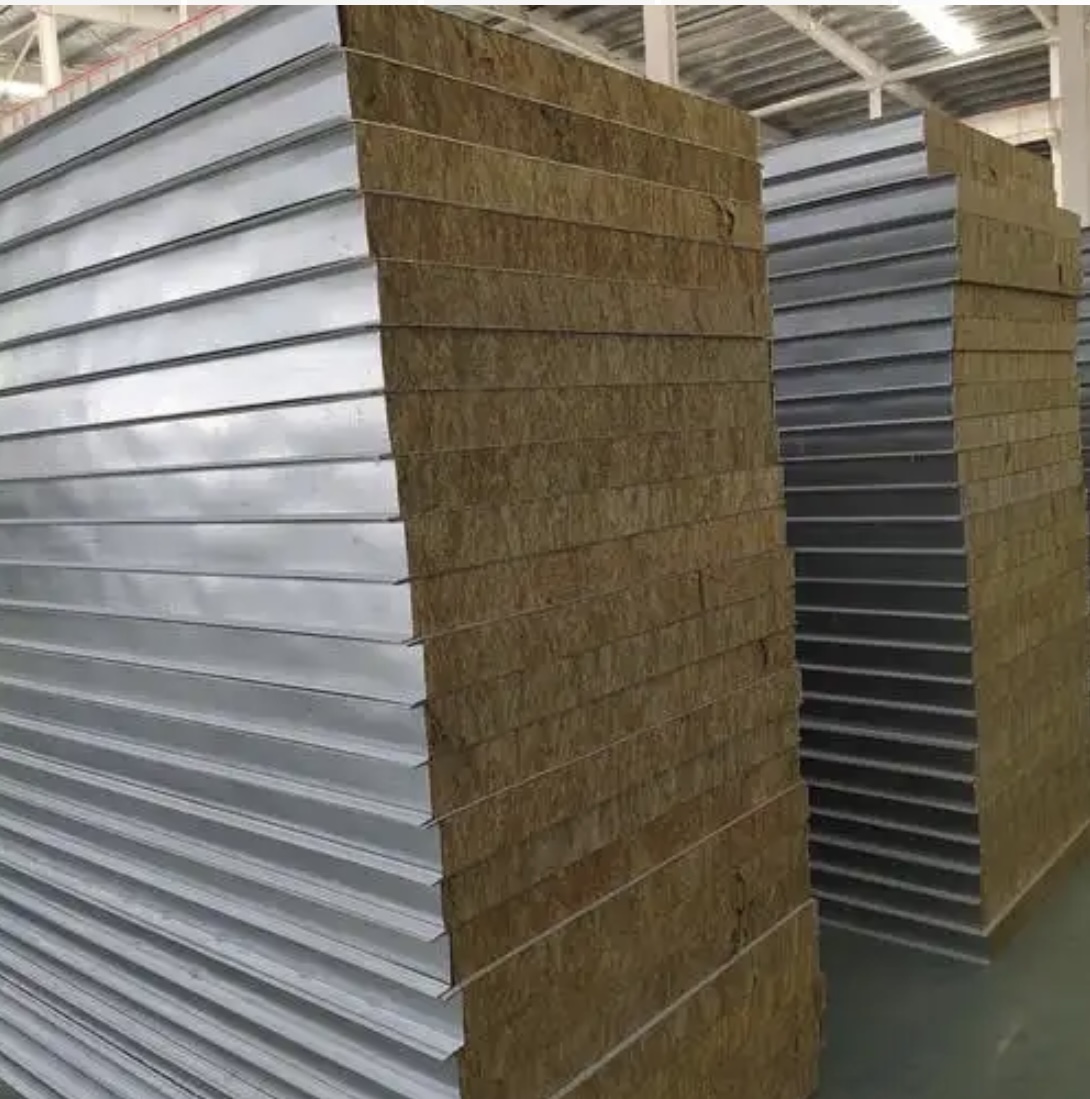
Rock wool insulation, a typical mineral‑wool product, combines low thermal conductivity and excellent fire resistance. It is widely adopted as mineral wool for industrial roof, ideal for high‑risk production workshops with strict fire‑protection requirements. For large‑span steel‑frame buildings, thermal insulation for steel structure factory often chooses rock‑wool boards to handle high‑temperature fluctuation and harsh outdoor exposure.
Glass wool blanket features lightweight texture and competitive unit cost. It works well for wall and roof cavities of standard‑requirement plants, helping control overall material budget while fulfilling basic thermal‑resistance demands.
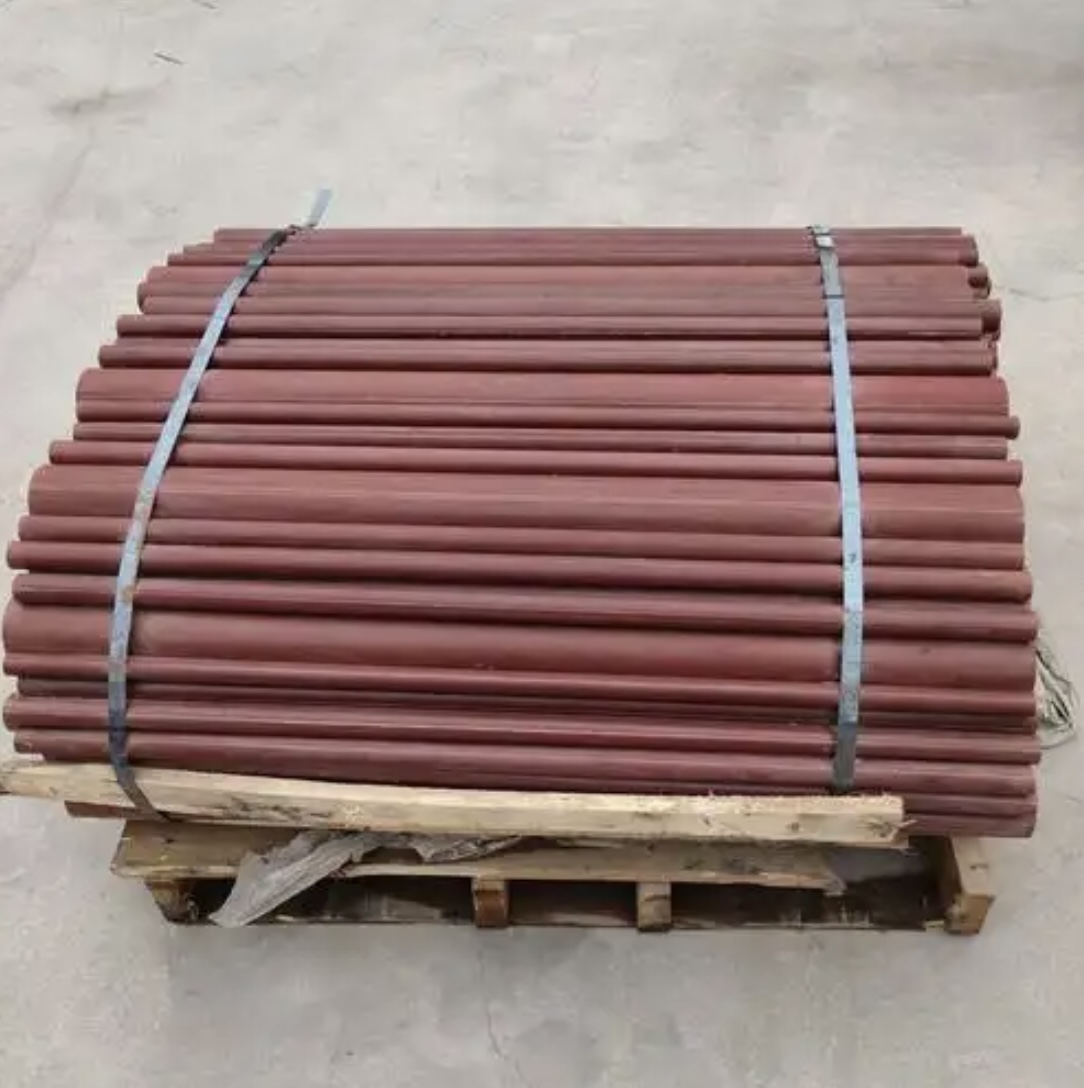
Phenolic insulation board stands out among rigid foam insulation products. It achieves low thermal conductivity alongside favorable fire‑rating performance, suitable for projects requiring both energy‑saving effect and limited installation space.
No single material fits every scenario. Engineers should compare parameters such as thermal conductivity, fire classification under EN or ASTM standards, water‑resistant performance and projected service life, rather than only comparing unit price. Cheap insulation with short service cycles will trigger frequent replacement and push up long‑term expenditure.
Key Factors When Selecting Factory Insulation To Realize Cost Savings
Choosing insulation purely based on lowest purchase price often leads to poor actual saving effects. Several core factors should be evaluated for factory thermal insulation cost‑saving.
First, match material performance with local climate. Facilities located in cold zones need higher‑thickness insulation to cut winter heat loss; factories in hot‑humid regions should pay extra attention to moisture‑proof property, preventing damp‑damaged insulation layers from losing thermal‑resistance capacity.
Second, focus on installation quality. Even premium high‑performance thermal insulation materials cannot deliver expected energy‑saving outcomes with gaps, compression or wrong laying methods. Poor construction triggers thermal bridges, which greatly weaken overall industrial building energy efficiency.
Third, take the full‑life‑cycle cost into account, not merely one‑off procurement expense. Materials with higher initial cost yet longer service cycles usually bring better comprehensive economic benefits for long‑running factories. Many plant managers ignore this point and fall into the trap of low‑price‑only procurement.
Real‑World ROI of Insulation Retrofit for Manufacturing Plants
Many decision‑makers wonder: how long does it take to get returns from insulation investment? Actual thermal insulation ROI for industrial plant varies with local energy price, factory scale and original building condition.
For old plants without effective envelope insulation, qualified retrofit using energy‑saving insulation for manufacturing facility can deliver obvious energy consumption drop. According to general industrial‑construction statistics, well‑executed industrial building insulation may lower building‑related energy consumption by 20 %‑40 %. For large‑size manufacturing workshops, accumulated saving on electricity and gas bills becomes considerable year by year.
For newly‑erected insulation for steel factory building, embedding qualified insulation at construction phase costs far less than later retrofitting. Owners should integrate insulation specification into early‑stage design, instead of treating thermal barriers as secondary optional items.
Common Mistakes When Upgrading Factory Thermal Insulation
One frequent mistake is pursuing overly thin insulation to cut initial investment. Thin layers cannot achieve target thermal‑resistance value, and the factory still bears high heating‑cooling expenditure. This completely defeats the purpose of reduce factory energy consumption.
Another mistake is mismatching material with application scenarios. For example, using low‑moisture‑resistance insulation in high‑humidity workshops will cause performance degradation after several years, requiring secondary investment for replacement.
Many teams also overlook thermal‑bridge treatment. Steel beams and purlins transfer heat easily. Even if roof and wall surfaces are fully covered by high‑performance thermal insulation materials, untreated thermal bridges will still undermine the whole energy‑saving effect.
FAQ
Q: Can thermal insulation really reduce factory operating cost?A: Yes. Qualified factory thermal insulation mainly cuts recurring heating‑cooling energy expenditure, meanwhile reduces equipment maintenance caused by frequent temperature fluctuation. The economic benefit accumulates throughout decades‑long factory service life.
Q: Which is better for cost‑saving: rock wool insulation or glass wool blanket?A: It depends on fire‑safety requirement, local climate and budget. Rock wool insulation provides superior fire‑proof performance for high‑risk workshops; glass wool blanket offers cost advantages for ordinary‑requirement steel‑structure factories.
Q: Do old factories have to shut down production for insulation retrofit?A: Not necessarily. Many wall and roof renovation schemes support partial‑zone construction without full‑plant shutdown. Project teams need to make detailed construction plans according to site conditions.