
Unreinforced vs Reinforced TPO Roofing Membrane: Which Should You Choose?
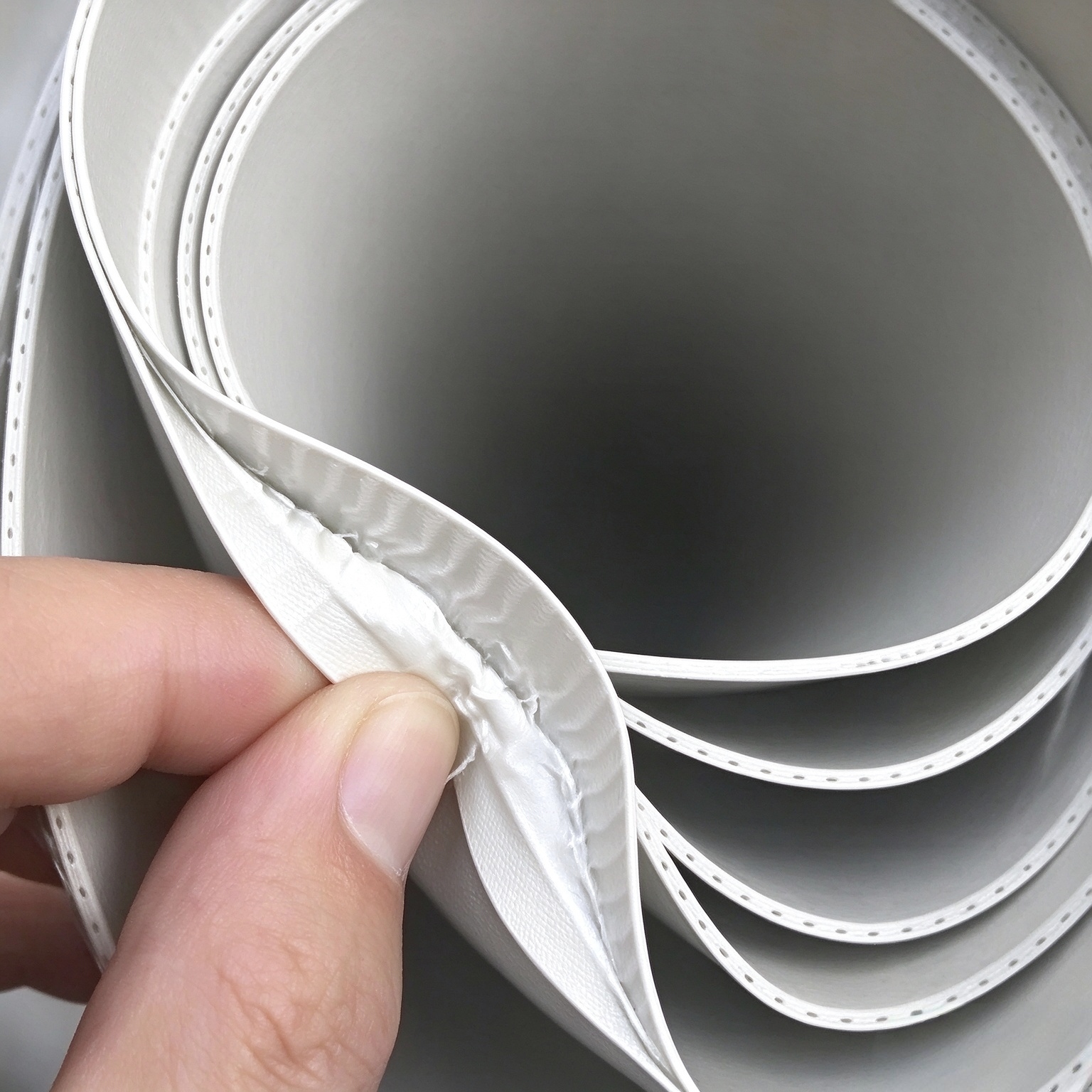
Both rolls look white and flat. Pick the wrong one for a detail, and leaks follow. I have seen it happen.
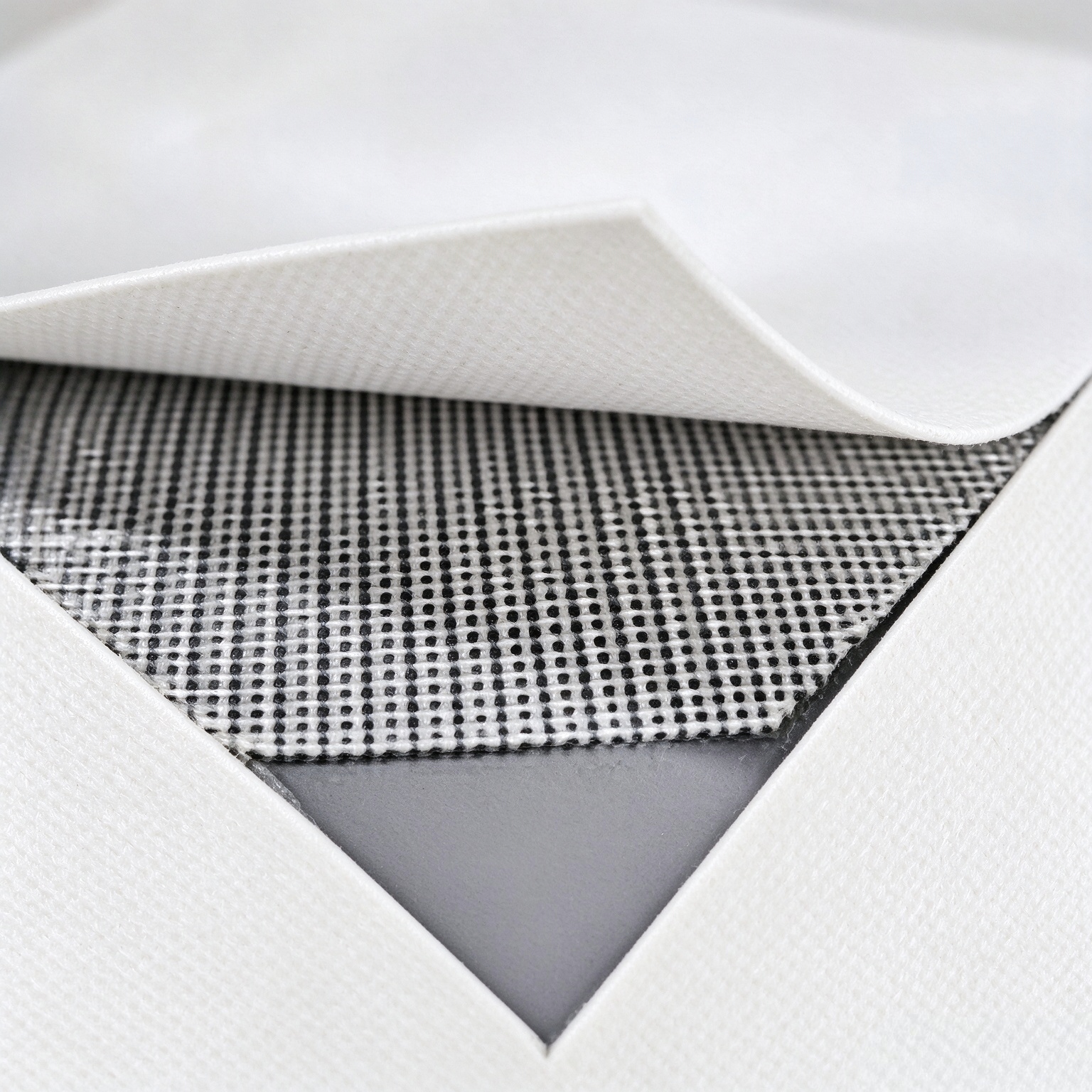
Reinforced TPO roofing membrane has a fabric scrim inside. It suits large roof areas because it resists stress and movement. Unreinforced TPO has no scrim. It suits corners, pipes, and other details. Most roofs need both types, not one or the other.
I will answer four questions I hear from buyers. Each answer comes from my own projects. Stay with me, because the last section covers a mistake many buyers make.
What is the Difference between Unreinforced and Reinforced TPO Roofing Membranes?
Two rolls, same colour, same brand. One carries a hidden layer. That layer changes how the roof behaves.
Reinforced TPO has a fabric scrim between two TPO layers. This adds strength and stability. Unreinforced TPO has no scrim, so it bends and shapes easily. Reinforced sheets cover the roof field. Unreinforced sheets form flashings and details.
Structure comes first
Reinforced TPO is built in layers. The scrim sits in the middle. The top layer faces sun, rain, and heat. This top layer is what protects the scrim. If it is thin, the fabric can show through as the roof ages. I check this layer on every sample I review. The U.S. standard sets a minimum here. A coating over the scrim of at least 30 percent of nominal thickness applies, so a 60-mil sheet needs at least 18 mils over the scrim.
Thickness can mislead
Many buyers compare total thickness only. I compare thickness over the scrim as well. One data sheet lists about 15.8, 24.1, and 31.4 mils over the scrim for its 45, 60, and 80 mil sheets. Unreinforced membrane has no scrim at all. One maker lists a 60 mil non-reinforced flashing for corners and field-made pipe flashings. At Xiaolong, we ask buyers to request both numbers before they compare any price.
How do Unreinforced and Reinforced TPO Membranes Perform under Different Roof Conditions?
A roof is not one flat surface. Wind lifts it. Heat moves it. Pipes and corners pinch it.
Reinforced TPO performs best on open roof areas with wind load, foot traffic, and heat movement. Unreinforced TPO performs best at corners, pipes, and curbs, where the sheet must bend and weld tightly. Each one struggles when used in the other's place.
Open roof fields
The scrim helps the sheet hold its shape. This matters on large roofs that expand and shrink every day. Lab heat tests can sound scary. Yet an NRCA article notes that actual rooftop surface temperatures for white membranes seldom exceed 120 F to 160 F. I read lab numbers with that in mind. Fleece-backed sheets are another reinforced option. One example uses a 10-ounce fleece and 115 mils total thickness for re-roofing and new construction.
Details and penetrations
The scrim that helps in the field becomes a problem at details. One roofing article says the scrim makes reinforced sheet nearly impossible to use for flashing in the field. So crews cut flashings from detail membrane. I agree with this. I have watched crews fight a stiff sheet around a pipe. The welds came out rushed and uneven. Pipes and corners are where I see most call-backs. One article also argues that most roofing failures occur at penetrations. That matches what I see. A good field sheet cannot save a poor detail. So I give details the same care as the main roof.
Which TPO Roofing Membrane is Better for Your Project?
Buyers ask me which one is better. The question is wrong. The right question is: better where?
Neither is better alone. Choose reinforced TPO for the main roof area and unreinforced TPO for details. Consider fleece-backed sheets for some re-roof jobs. Match the membrane to the roof area, the movement it faces, and the way you install it.
A simple decision guide
I use this table when I plan a membrane order.
| Roof Area | Better Choice | Reason |
|---|---|---|
| Open roof field | Reinforced TPO | Strength and stability across large areas |
| Inside and outside corners | Unreinforced TPO | Shapes and welds without scrim |
| Pipe flashings | Unreinforced TPO | Easy to cut and fit on site |
| Re-roofing jobs | Fleece-backed reinforced TPO | Listed for re-roofing and new work |
| Heavy foot traffic zones | Thicker reinforced TPO | More material in the sheet |
Cost and installation
Detail membrane costs more than field membrane. It contains more TPO polymer and pricier ingredients. I tell buyers to budget for it early. Thickness also matters. A heat-weldable reinforced sheet at 80 mils suits busy roofs better than a thin one. Installation method matters too. One data sheet shows sheets that can be mechanically attached, induction welded, or adhered. I confirm the method before I confirm the membrane. Seam strength also deserves a look. The same sheet states that heat-welded seams are stronger than taped seams. I ask for the seam strength values by thickness, and I compare them side by side.
What Should Buyers Check before Ordering TPO Roofing Membrane Rolls?
A roll arrives on site. The width is wrong. The crew stops, and the schedule slips.
Check thickness over the scrim, standard compliance, roll width and length, seam strength, colour or reflectivity, and detail membrane quantity. Order matched accessories with the field rolls. Ask for the data sheet before you pay.
Check the specs
I start with the roll size. The same data sheet lists widths of 5, 6, 8, 10, and 12 feet, each 100 feet long. Wider rolls mean fewer seams. Fewer seams mean fewer welds to test. I also check the colour. White starts with a high solar reflectance, and it falls after a few years. Ask for the aged value as well. The ASTM D6878 property values are based on 45-mil membranes. So I ask suppliers about heat-aging tests for thicker sheets.
Check the order list
This is the mistake I mentioned. Buyers order field rolls and forget the details. The crew then waits for corners and pipe flashings. I count every pipe, curb, and corner on the drawings. Then I add the detail membrane to the same order. At Xiaolong, we group field rolls and detail membrane in one quote, so nothing arrives late. I also keep a small spare roll for repairs. Small cuts and punctures happen on every site, and a spare saves a trip.
Conclusion
Choose reinforced TPO for the roof field and unreinforced TPO for details. Check thickness over the scrim, roll sizes, and detail quantities before you order.
References
1.TPOs Face a Changing Landscape – Professional Roofing (NRCA)
2.EverGuard TPO Smooth 80/60/45 Mil Data Sheet – GAF
3.VersiWeld TPO Non-Reinforced Flashing Technical Data Bulletin – Versico
4.Flash Reinforced Scrim TPO – Roofers Coffee Shop
5.VersiFleece FR TPO Fleece-Reinforced Roofing Membrane – Versico (Sweets)
6.TPO Sure-Weld Reinforced Roofing Membrane – Carlisle SynTec (Sweets)