
Glass Wool vs Rock Wool: Which Is Better for Steel Workshop Roof Insulation?
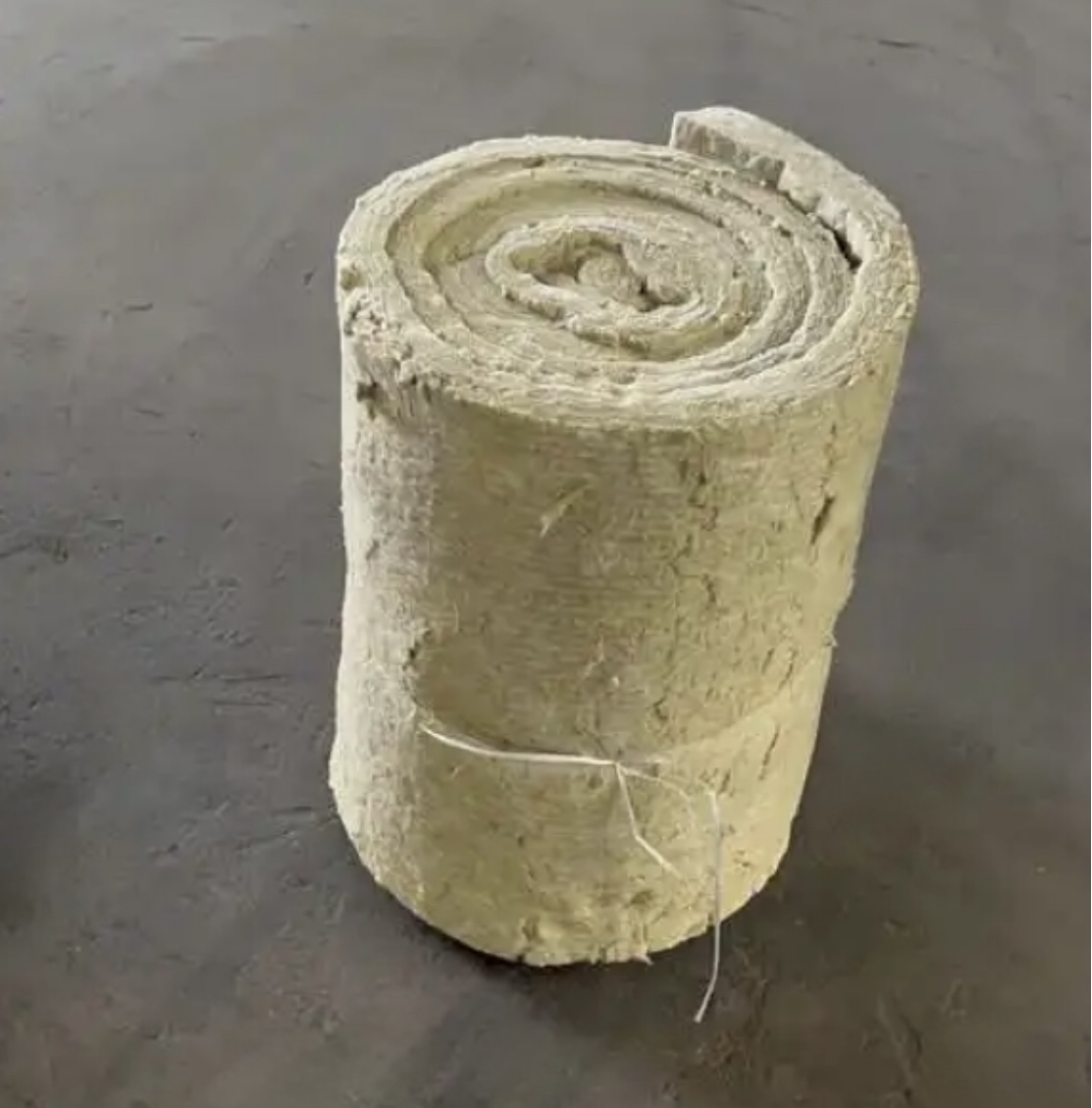
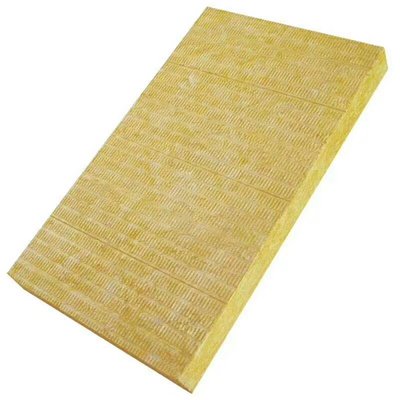
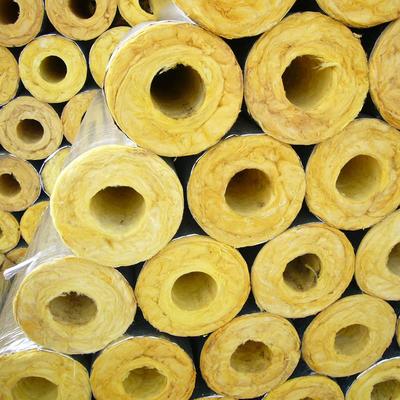
When selecting roof insulation wool for a steel workshop, buyers often compare glass wool and rock wool. Both are widely used fibrous insulation materials, but they differ in fiber structure, density, handling, thermal performance, and typical applications.
For a steel workshop, the better choice is not simply the material with the lowest price or the highest stated insulation value. Roof structure, required thermal performance, fire requirements, installation method, moisture conditions, and the complete roof assembly all need to be considered.
What Is Roof Insulation Wool for Steel Workshops?
Roof insulation wool generally refers to fibrous insulation materials used to reduce heat transfer through roof assemblies. Glass wool and rock wool are two common options for industrial and commercial buildings.
According to the ASHRAE Handbook, glass fiber and mineral wool are established insulation materials used in building assemblies. Their thermal performance depends on factors such as density, thickness, moisture, and installation conditions.
Steel workshop roofs need effective insulation because metal roof systems can transfer heat quickly. In hot climates, insufficient insulation can increase cooling loads, while in cold climates it can increase heat loss and create uncomfortable indoor conditions.
However, the insulation material itself is only one part of the system. Thickness, joints, compression, fixing, moisture control, and thermal bridges can all influence actual roof performance. This is why steel workshop roof insulation should be evaluated as a complete assembly rather than as an isolated material.
Glass Wool vs Rock Wool for Roof Insulation
Glass wool and rock wool can both provide effective thermal insulation, but their practical characteristics are different.
| Selection Factor | Glass Wool for Roof Insulation | Rock Wool for Roof Insulation |
|---|---|---|
| Material | Fibrous glass insulation | Mineral/rock fiber insulation |
| Typical form | Blankets, batts and boards | Blankets, batts and boards |
| Weight | Generally lighter | Generally denser |
| Thermal insulation | Good thermal insulation performance | Good thermal insulation performance |
| Handling | Lightweight and relatively easy to handle | More rigid and dense in many products |
| Fire performance | Depends on product specification and facing | Depends on product specification and facing |
| Roof application | Suitable for many pitched and lightweight roof systems | Suitable for roofs and industrial building systems |
| Main selection factor | Thermal performance, weight and installation | Density, fire requirements and system performance |
Thermal Insulation Performance
Thermal performance should be compared using tested or declared thermal conductivity and the required thickness, rather than assuming that one material is always better.
The ASHRAE Handbook shows that apparent thermal conductivity can vary with material structure, density, thickness, moisture, temperature, and other conditions. This is important when comparing suppliers because two products described simply as “glass wool” or “rock wool” may not provide identical performance.
For a steel workshop, buyers should therefore compare the declared thermal conductivity, thickness, density, and test standard of the actual product.
The ISO 6946:2017 standard provides a calculation method for the thermal resistance and thermal transmittance of building components and elements. In practice, this means that roof insulation performance should be evaluated as part of the complete roof construction rather than by looking at insulation material alone.
Fire Performance
Fire performance is another important consideration for industrial buildings.
Glass wool and rock wool products can have different fire classifications depending on their composition, binder, facing, density, and tested configuration. Therefore, buyers should check the fire classification and test documentation of the specific insulation product.
This point is especially important for steel workshops containing machinery, electrical equipment, stored materials, or other potential fire loads. The NFPA 5000 Building Construction and Safety Code provides a broader framework for building construction and fire-safety considerations, but the applicable requirements depend on the building type and local jurisdiction.
Weight and Installation
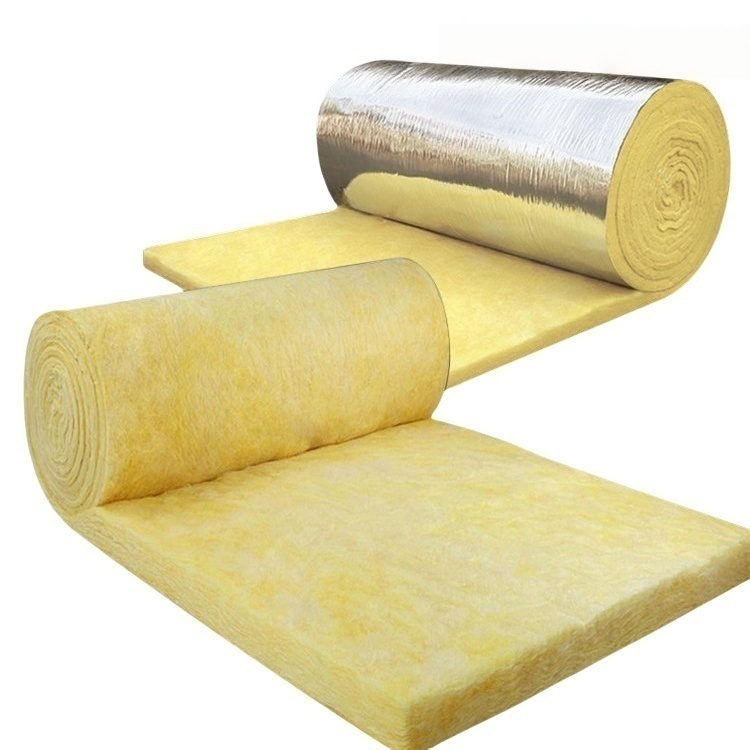
Glass wool is generally lighter, which can make transportation, cutting, positioning, and installation easier. This can be useful for large roof areas where installation efficiency affects project cost.
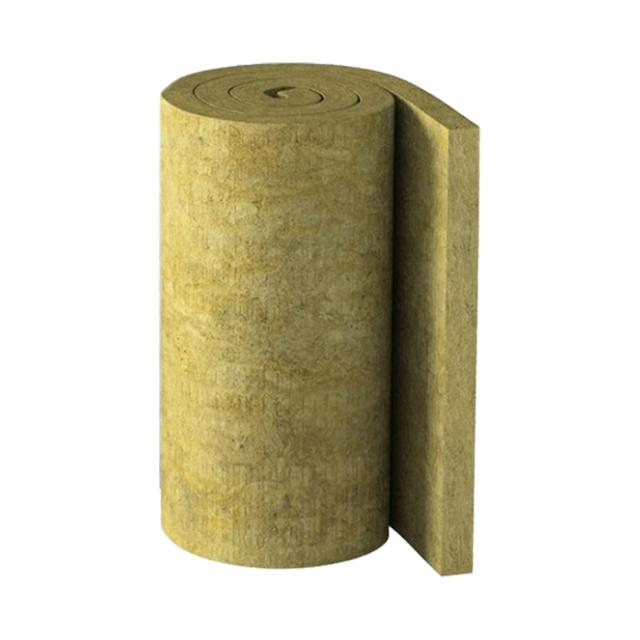
Rock wool is generally denser and more rigid in many product configurations. This can be advantageous where the roof system requires a denser insulation layer or specific fire and structural characteristics.
From a practical procurement perspective, weight should not be evaluated alone. The installer also needs to consider compression, joint treatment, fixing method, moisture protection, and whether the insulation remains properly positioned after installation.
How to Choose Roof Insulation Wool for a Steel Workshop
A practical selection process can help buyers avoid choosing insulation based only on price.
1. Check the Roof Structure
First identify the roof type, supporting structure, roof panels, purlins, and available insulation space. A lightweight roof system may require a different insulation configuration from a denser roof assembly.
The International Energy Conservation Code (IECC) includes specific requirements for insulation in commercial roof assemblies, including minimum thermal resistance requirements for roof construction. The exact requirement depends on the applicable code and project conditions.
2. Define the Thermal Requirement
Determine the required thermal resistance or U-value according to the project location and building requirements.
Do not simply ask a supplier for “the best insulation.” Provide the required thickness, thermal conductivity, roof structure, and application conditions so suppliers can recommend a suitable product.
The U.S. Department of Energy Building Technologies Office emphasizes the importance of continuous insulation in building envelopes and notes that insulation design can affect thermal bridging and overall building energy performance.
3. Confirm Fire Requirements
For workshops, warehouses, factories, and other industrial buildings, fire requirements may influence material selection.
Ask suppliers for the relevant fire classification and test documentation. The product specification should match the requirements of the project rather than relying on general material descriptions.
4. Consider Installation Conditions
Large industrial roofs can involve significant installation labor. Consider whether the insulation will be installed between roof members, below the roof panel, or as part of a composite roof system.
In actual projects, installation quality is often just as important as the nominal insulation specification. Gaps, compression, poor joints, and discontinuities can reduce the expected performance of the roof assembly.
This is consistent with the ASHRAE Handbook, which notes that improper installation, workmanship, shrinkage, settling, and compression can reduce the thermal performance of insulation assemblies.
5. Check Supplier Technical Documents
Before placing a bulk order, request the product datasheet and test reports. Important information may include:
- Thermal conductivity
- Thickness and density
- Fire classification
- Facing material
- Dimensions and tolerances
- Moisture-related properties
- Applicable testing standards
This is especially important when sourcing roof insulation material from overseas manufacturers. A low unit price is not necessarily the lowest project cost if the product requires additional installation work or does not meet the project's technical requirements.
Glass Wool or Rock Wool: Which One Should You Choose?
There is no universal answer.
Glass wool roof insulation can be a practical choice when low weight, easy handling, and efficient installation are important. It is widely used in building envelope and roof applications.
Rock wool roof insulation may be preferred where higher density, specific fire-performance requirements, or a more rigid insulation configuration are required.
For most steel workshop projects, the better approach is to start with the building requirements and then select the insulation material. Compare the actual product specifications rather than comparing the names “glass wool” and “rock wool” alone.
In other words, the right roof insulation wool is the product that provides the required thermal and fire performance while fitting the roof structure, installation method, and project budget.
FAQ
Is glass wool suitable for steel workshop roof insulation?
Yes. Glass wool is widely used for building roofs and can be suitable for many steel workshop applications when the product specification and installation method meet project requirements.
Is rock wool better than glass wool for roof insulation?
Not necessarily. Rock wool can offer advantages for certain density and fire-performance requirements, while glass wool can provide advantages in weight and handling. The correct choice depends on the complete roof system.
What should buyers compare when purchasing roof insulation wool?
Compare thermal conductivity, thickness, density, fire classification, facing, dimensions, test standards, and installation requirements. Supplier documentation is more useful than comparing price alone.
Conclusion
Choosing between glass wool and rock wool for steel workshop roof insulation should be based on the complete building requirement. Both materials are established roof insulation wool options, but their properties and suitable product configurations vary.
For buyers, the most reliable approach is to define the required thermal and fire performance first, then compare actual product specifications from qualified suppliers. Proper installation is equally important because gaps, compression, thermal bridges, and poor joint treatment can reduce the performance of the finished roof system.
References
1.ASHRAE Handbook — Fundamentals, Chapter 26: Heat, Air, and Moisture Control in Building Assemblies — Material Properties.
2.ISO 6946:2017 — Building Components and Building Elements — Thermal Resistance and Thermal Transmittance — Calculation Methods.
3.U.S. Department of Energy — Building Envelope and Insulation Guidance.
4.International Code Council — International Energy Conservation Code (IECC).
5.NFPA 5000 — Building Construction and Safety Code.