
Polyurethane Insulation Panels for Cold Room
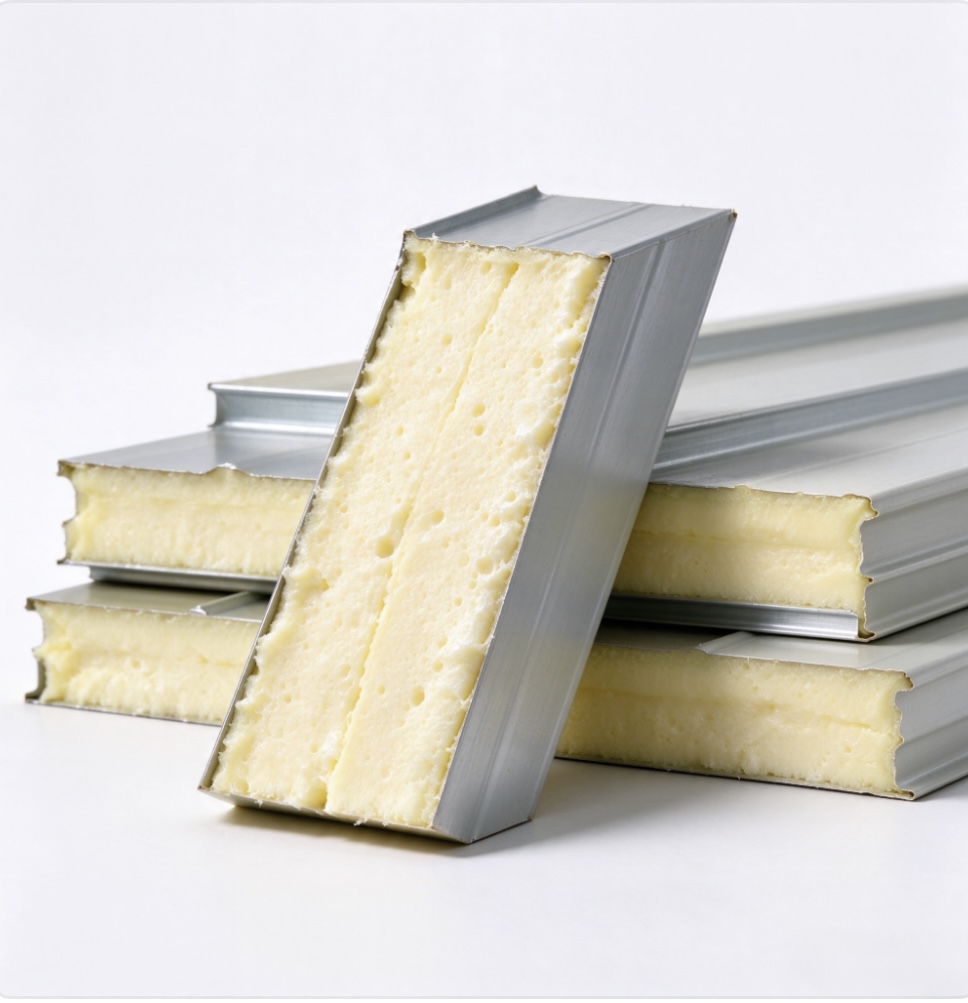
Polyurethane Insulation Panels for Cold Rooms help maintain stable temperatures in refrigerated storage, food processing facilities, and cold warehouses. Featuring a PU insulation core and protective facings, they reduce heat transfer and provide effective insulation for cold room walls and ceilings.
Key Features
High Thermal Insulation
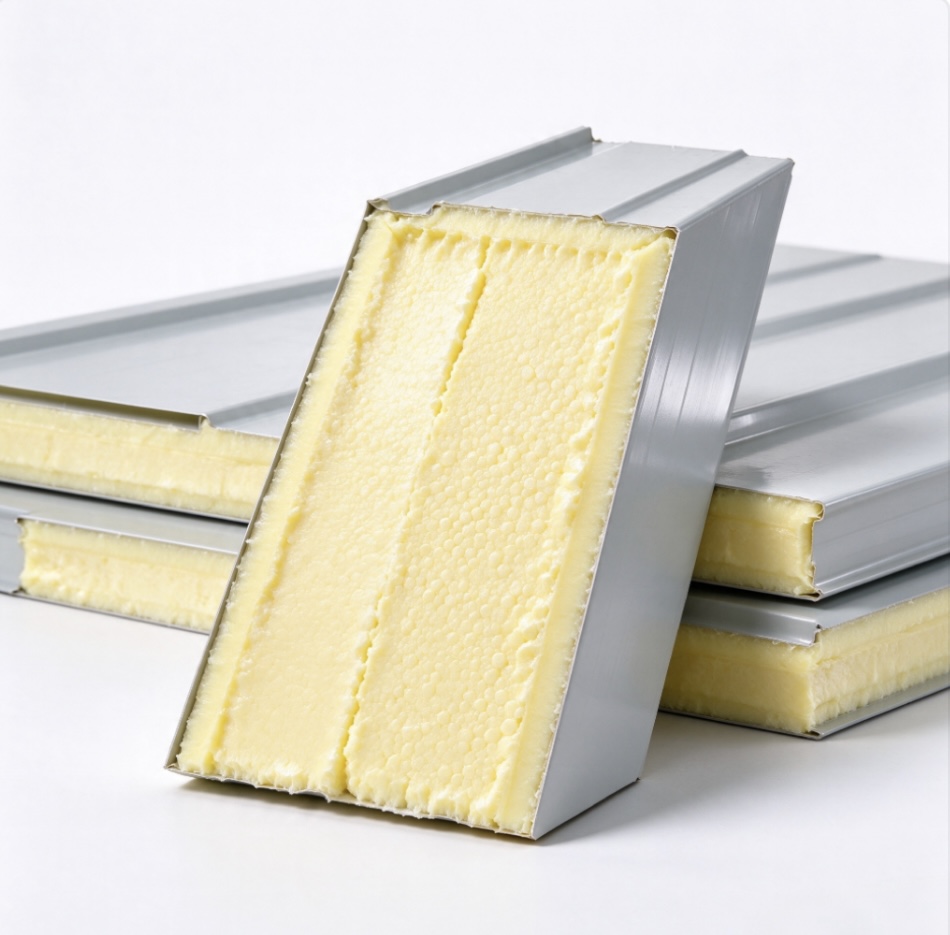
The polyurethane core helps reduce heat transfer, making these panels suitable for chilled storage and low-temperature environments.
Stable Temperature Control
Effective insulation helps limit heat entering the cold room, supporting consistent indoor temperatures and refrigeration efficiency.
Secure Panel Connections
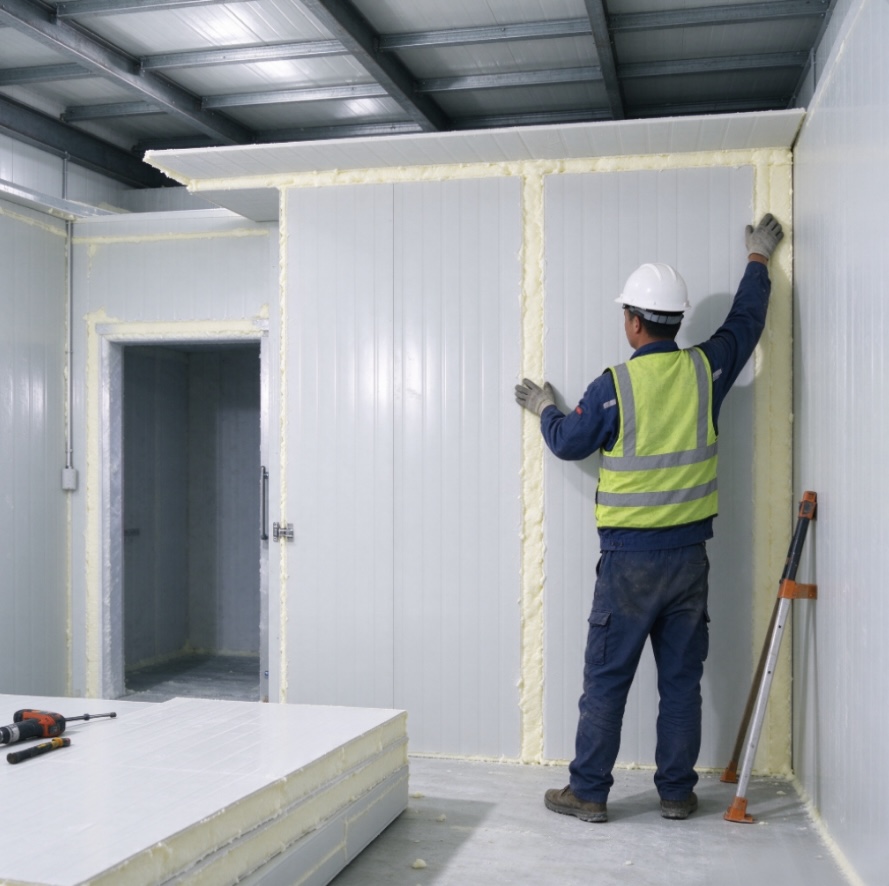
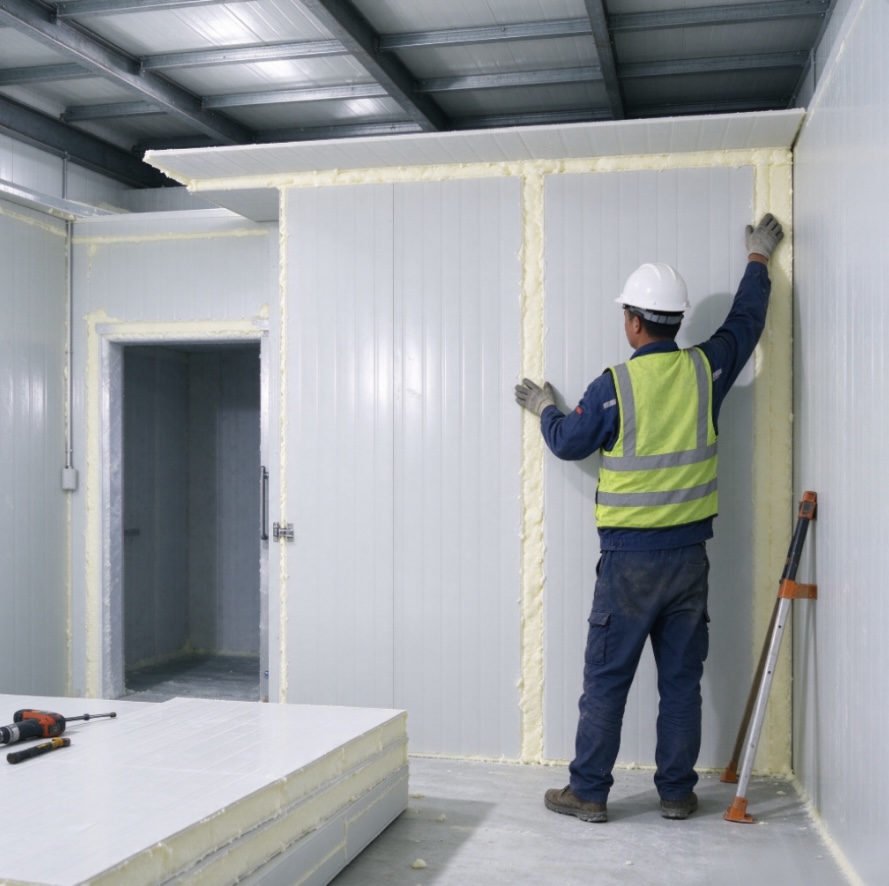
Properly fitted joints help reduce air leakage and prevent warm, humid air from entering the cold room.
Moisture Control
Suitable panel facings and correctly sealed connections help protect the enclosure in humid, temperature-controlled environments.
Flexible Panel Configuration
Different panel thicknesses and dimensions can be selected according to the room layout, operating temperature, and installation requirements.
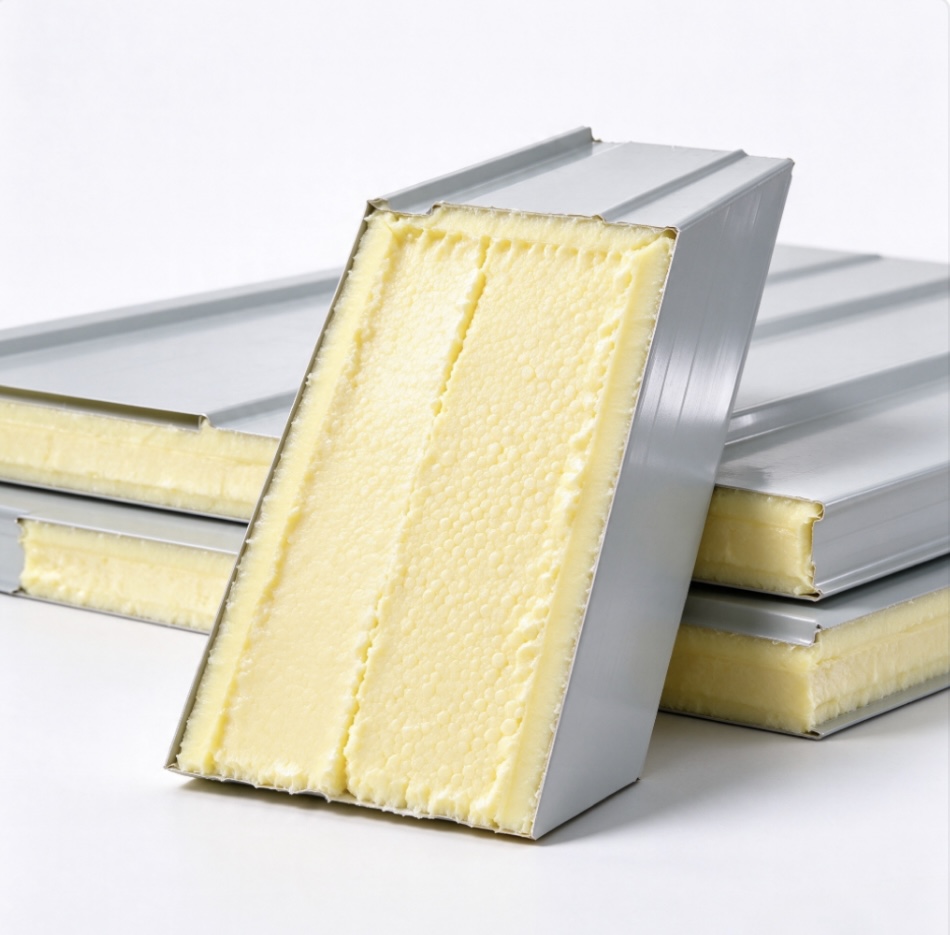
Product Specifications
|
Parameter |
Typical Specification |
|
Product Name |
Polyurethane Insulation Panels for Cold Room |
|
Core Material |
Polyurethane (PU) |
|
Panel Type |
Insulated Sandwich Panel |
|
Core Thickness |
50 / 75 / 100 / 120 / 150 / 200 mm |
|
Facing Material |
Color-Coated Steel Sheet |
|
Steel Facing Thickness |
0.4–0.6 mm |
|
Panel Length |
Customized to project requirements |
|
Main Function |
Thermal Insulation |
|
Installation Area |
Cold Room Walls and Ceilings |
Applications
Chilled Food Storage
Suitable for refrigerated rooms storing fresh produce, dairy products, beverages, and other temperature-sensitive goods.
Frozen Food Warehouses
Thicker insulation panels can be selected for freezer rooms requiring lower operating temperatures.
Food Processing Facilities
Used in temperature-controlled processing areas where insulated walls and ceilings help maintain the required environment.
Pharmaceutical Storage
Suitable for certain temperature-controlled storage facilities, subject to the project's specific temperature and regulatory requirements.
Cold Chain Distribution Centers
Used in refrigerated storage rooms and distribution facilities that require insulated building enclosures.
How to Choose the Right Cold Room Panel
1. Select the Appropriate Thickness
Panel thickness depends on the target room temperature, local climate, room dimensions, and refrigeration requirements. Freezer rooms may require thicker insulation than chilled storage rooms.
2. Check Joint Sealing
Poorly sealed joints can allow warm air and moisture to enter, increasing refrigeration demand and potentially causing condensation or frost.
3. Choose Suitable Facing Materials
Consider the room's humidity, cleaning procedures, and operating environment when selecting the panel facing.
4. Consider Moisture and Vapor Control
Wall-to-ceiling connections, door frames, floor joints, and pipe penetrations should be properly detailed to help control moisture and condensation.
5. Match Panels to the Cooling System
Panel insulation is only one part of cold room performance. Doors, floors, refrigeration equipment, and installation quality also affect temperature stability and energy consumption.
Frequently Asked Questions
1. Why are polyurethane panels used in cold rooms?
Polyurethane provides effective thermal insulation, helping reduce heat transfer through cold room walls and ceilings.
2. What thickness is suitable for a cold room?
The appropriate thickness depends on the target temperature, climate, room design, and refrigeration system. Lower-temperature applications generally require greater insulation.
3. Can polyurethane panels be used in freezer rooms?
Yes. They can be used in freezer enclosures when the panel thickness, joint system, and overall construction are suitable for the intended operating temperature.
4. Are polyurethane cold room panels waterproof?
The facings help protect the insulation core, but the complete enclosure also depends on joint sealing and installation details. Additional waterproofing may be needed in areas exposed to water.
5. What information is needed for a quotation?
Provide the room dimensions, target operating temperature, required panel thickness, wall and ceiling areas, facing requirements, and estimated quantity.
Request a Quotation
Looking for polyurethane insulation panels for a cold room project? Share your room dimensions, target temperature, and panel requirements to discuss a suitable solution and request a quotation.