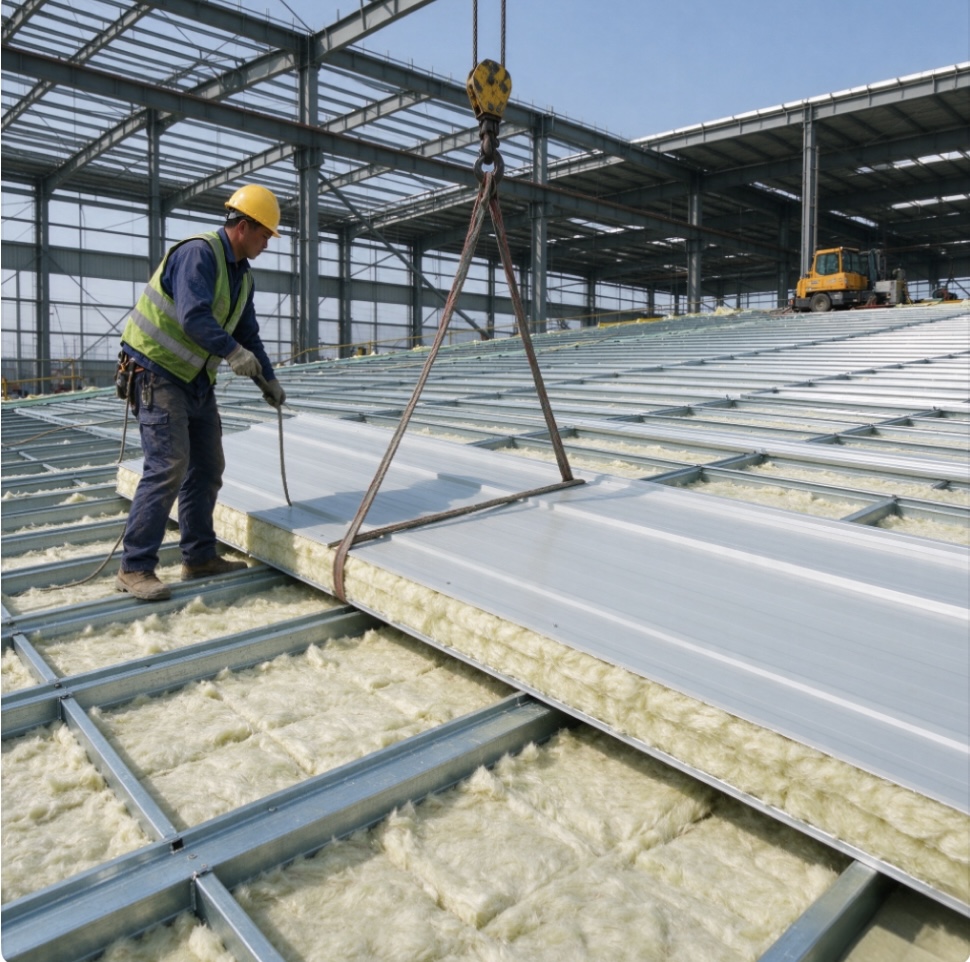
Sound Insulation Glass Wool Roof Panel for Buildings
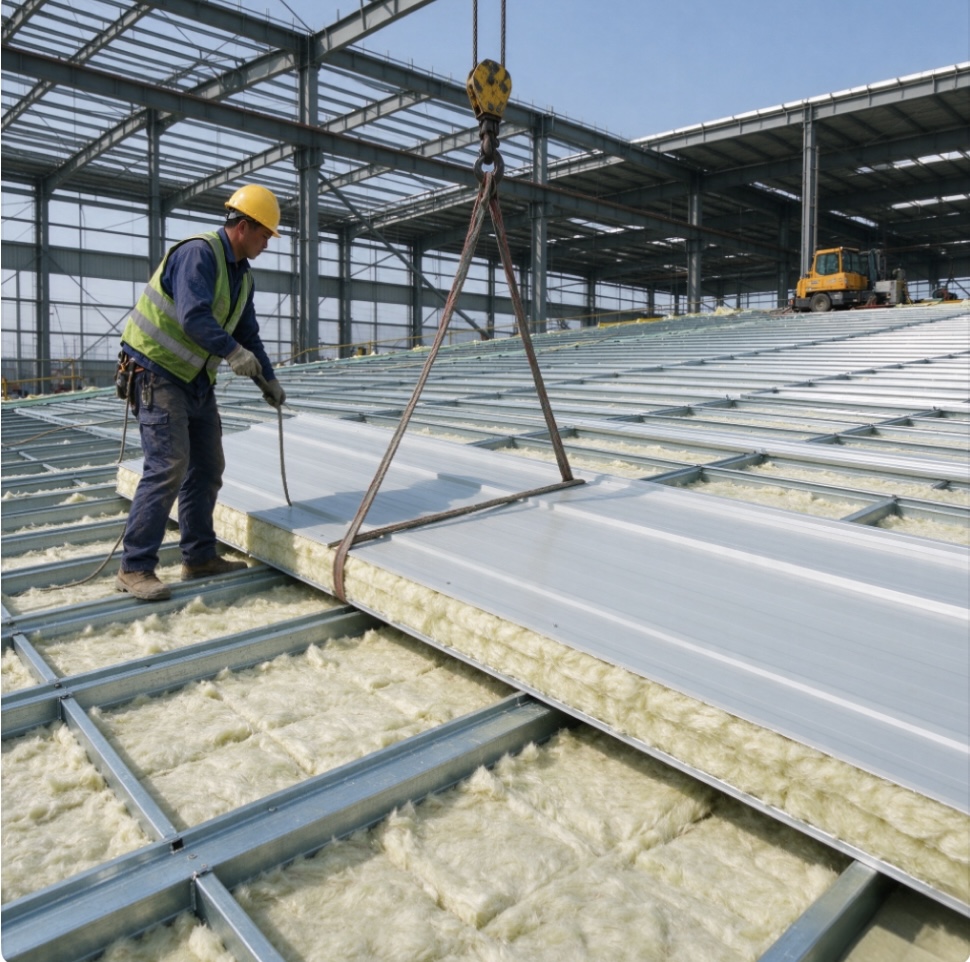
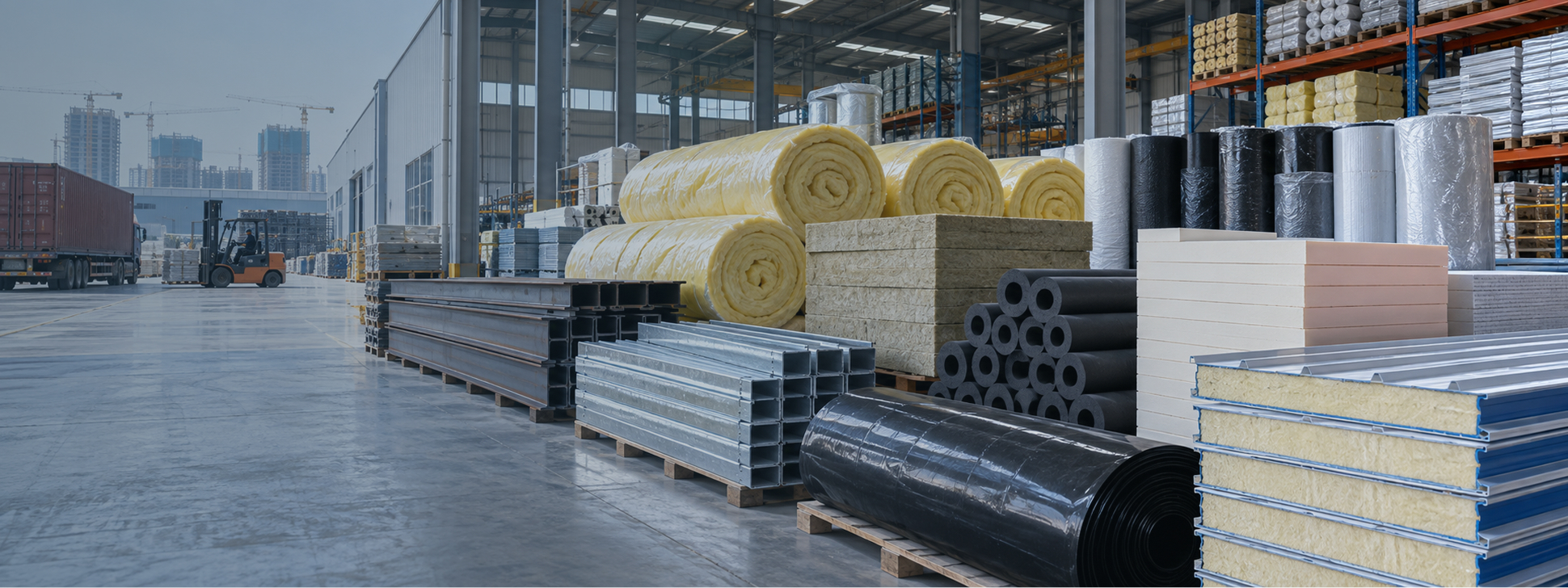
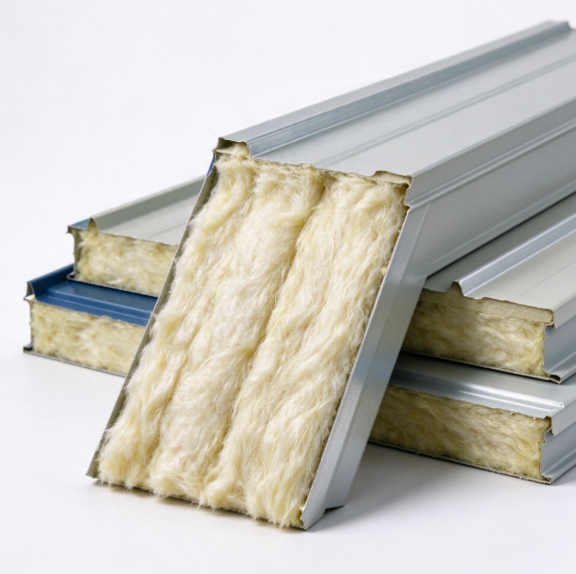
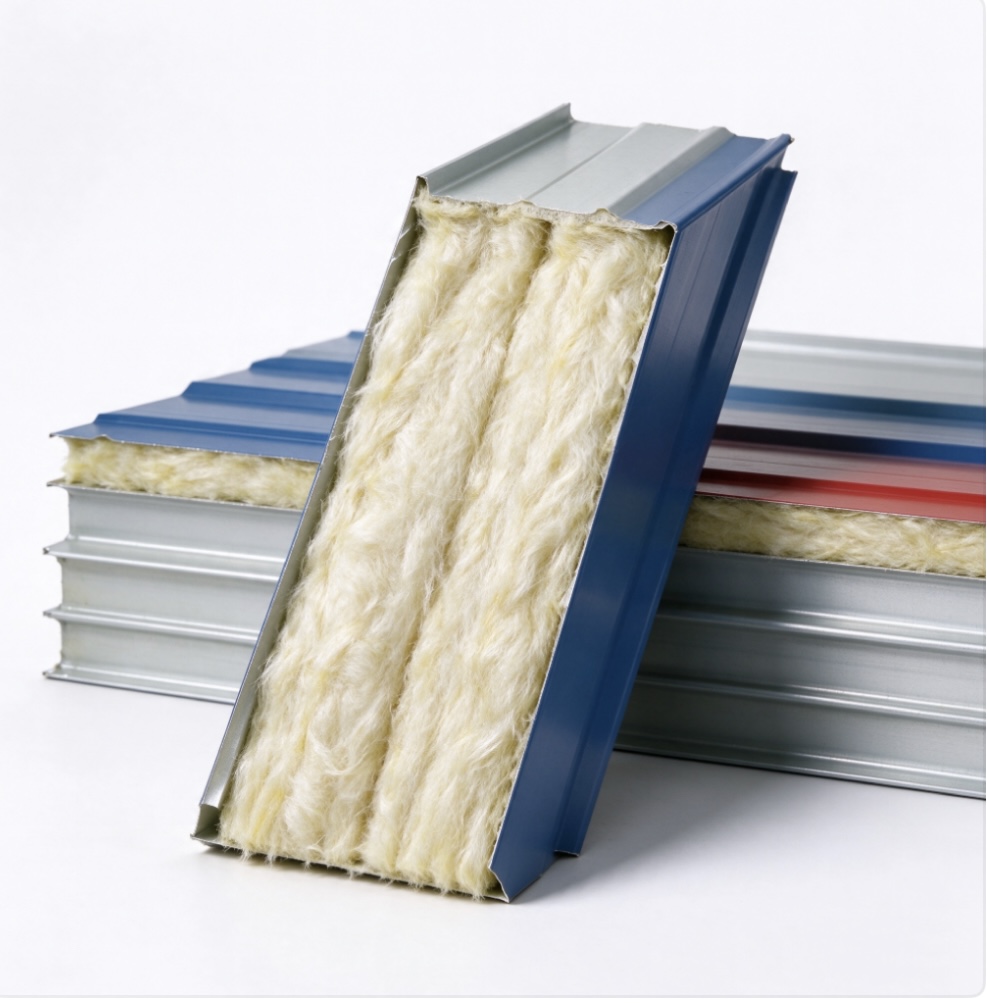
Sound Insulation Glass Wool Roof Panel is designed for industrial and commercial buildings that require both noise control and thermal insulation. Its glass wool core helps absorb sound energy and reduce indoor reverberation, while the roof panel structure contributes to overall acoustic performance. Suitable for workshops, warehouses, manufacturing facilities, and other large-span buildings, this roofing solution can also help reduce heat transfer through the roof. Proper panel selection, sealed joints, and professional installation are important for achieving better acoustic and thermal performance.
Key Features
Sound Absorption
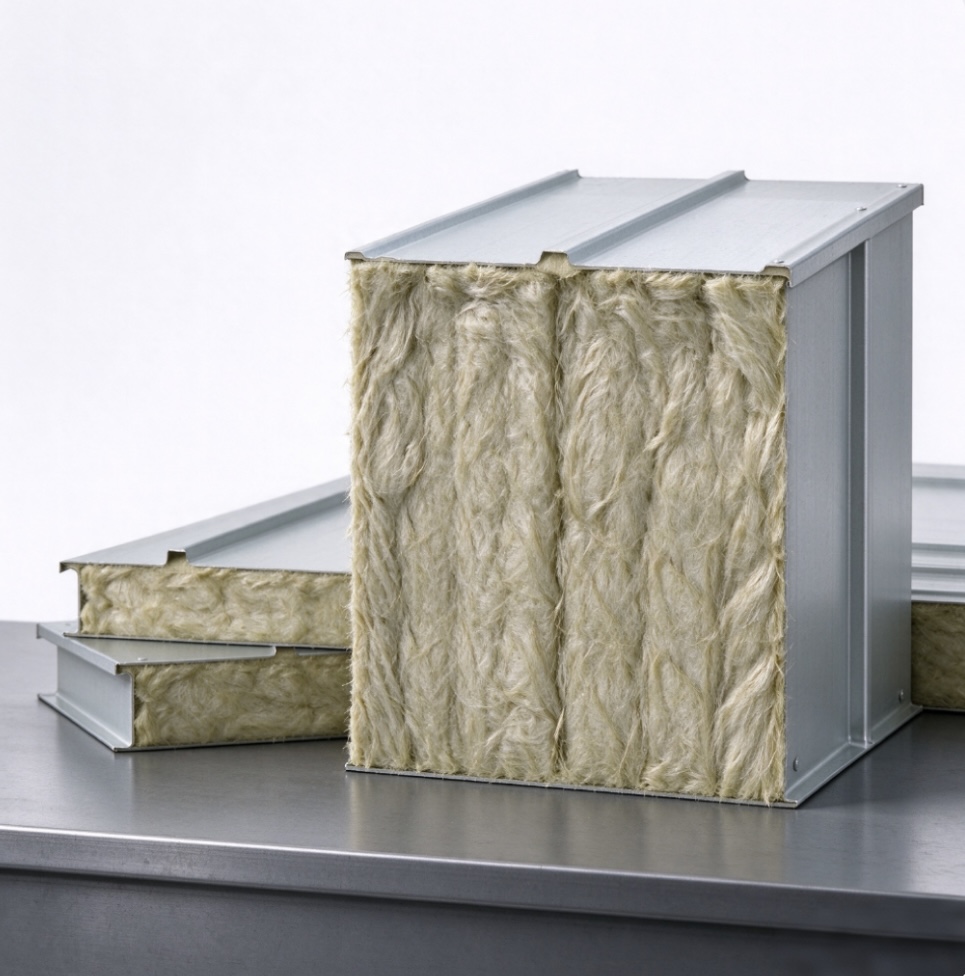
The fibrous glass wool core absorbs sound energy and helps reduce reverberation inside industrial and commercial buildings.
Thermal Insulation
Glass wool slows heat transfer through the roof, supporting more stable indoor temperatures throughout changing seasons.
Lightweight Structure
Compared with some heavier insulation materials, glass wool offers a relatively lightweight solution for roof systems where overall building weight matters.
Suitable for Industrial Roofing
The panel system can be used in workshops, warehouses, and manufacturing facilities where thermal insulation and noise management are both important.
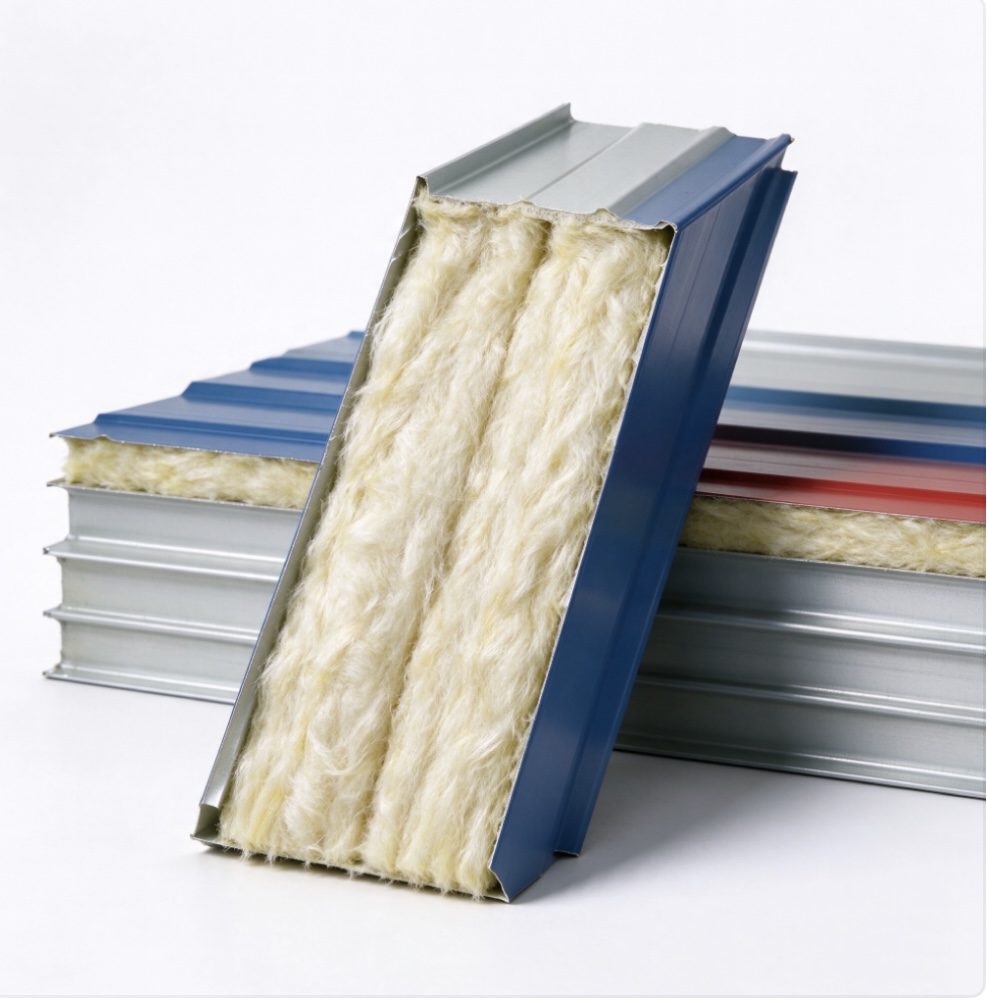
Product Specifications
|
Parameter |
Typical Specification |
|
Product Name |
Sound Insulation Glass Wool Roof Panel |
|
Insulation Material |
Glass Wool |
|
Panel Type |
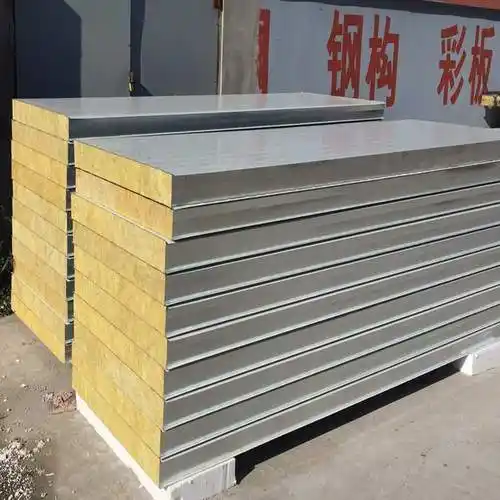
Insulated Roofing Panel |
|
Glass Wool Density |
48–64 kg/m³ |
|
Insulation Thickness |
50 / 75 / 100 mm |
|
Panel Width |
950–1000 mm |
|
Panel Length |
Customized to project requirements |
|
Facing Material |
Color-Coated Steel Sheet |
|
Steel Facing Thickness |
0.4–0.6 mm |
|
Main Functions |
Sound Absorption and Thermal Insulation |
|
Typical Applications |
Workshops, Warehouses, Factories, Commercial Buildings |
Note: The table shows common market specifications for reference, not verified specifications for a particular product model. Acoustic ratings, fire performance, and thermal conductivity depend on the complete panel assembly and should not be inferred from these general dimensions.
Applications
Industrial Workshops
Suitable for workshop roofing where noise management and thermal insulation are important to the working environment.
Warehouses and Distribution Centers
Helps reduce heat transfer through large roof areas and supports a more stable indoor environment.
Manufacturing Facilities
Can be used in factory roofing systems where machinery noise, indoor temperature, and building-envelope performance need to be considered together.
Commercial Buildings
Suitable for selected commercial and multipurpose buildings requiring an insulated roof system with sound-absorbing properties.
How to Choose a Suitable Glass Wool Roof Panel
Identify the Main Noise Source
Determine whether the main concern is rainfall noise, machinery noise, traffic, or general indoor reverberation. Different noise sources may require different roofing and acoustic treatments.
Select the Insulation Thickness
Common thicknesses include 50 mm, 75 mm, and 100 mm. The appropriate option depends on thermal requirements, roof design, local climate, and project specifications.
Consider the Complete Roof Assembly
Sound performance depends on more than the glass wool core. Panel joints, supporting structures, roof openings, and installation quality can all affect the final result.
Check Facing and Structural Requirements
The facing material, steel thickness, panel dimensions, and connection method should suit the building's structural design and environmental conditions.
Frequently Asked Questions
1. What is a sound insulation glass wool roof panel?
It is an insulated roofing panel or roof assembly incorporating glass wool to provide thermal insulation and help absorb sound energy.
2. Can glass wool roof panels reduce rain noise?
Glass wool can help absorb sound, but the amount of rain-noise reduction depends on the complete roof structure, panel design, and installation details.
3. Are glass wool roof panels suitable for industrial buildings?
Yes. They are commonly considered for workshops, warehouses, and manufacturing buildings that need roof insulation and acoustic management.
4. What thicknesses are commonly available?
Common insulation thicknesses include 50 mm, 75 mm, and 100 mm. The suitable thickness depends on the building design and required performance.
5. What information is needed for a quotation?
Provide the required panel thickness, roof area, panel dimensions, facing material, project location, and expected application. Drawings or project specifications can also help determine a suitable configuration.
Request a Quotation
Looking for a sound insulation glass wool roof panel for an industrial or commercial building? Share your project requirements, roof dimensions, and preferred panel configuration to discuss a suitable solution and obtain a quotation.