Key Materials Checklist For New Industrial Steel Warehouse Construction
Building a new industrial steel warehouse requires systematic material preparation to avoid construction delays, structural safety risks, and functional defects. Unlike traditional concrete buildings, industrial steel warehouse construction relies on standardized structural components, professional envelope systems, and specialized functional materials. A complete steel structure warehouse material checklist helps contractors, project owners, and engineers organize procurement, control costs, and ensure compliance with industrial building codes. This article sorts out all essential building materials for pre-engineered steel warehouse construction, covering structure, enclosure, insulation, waterproofing, and auxiliary accessories.
Main Structural Materials
The load-bearing frame is the core of steel warehouse stability, determining the building’s wind resistance, seismic performance, and service life. These structural materials are indispensable for all prefabricated steel warehouse building projects.
Steel frame components: Hot-rolled H-beams, square steel columns, and portal steel frames serve as the main load-bearing skeleton, supporting the entire roof and wall load.C/Z purlins are applied for secondary support, fixing roof and wall panels while optimizing overall structural rigidity. Bracing systems including steel tie rods, diagonal braces, and angle steel supports prevent structural deformation under strong wind and heavy snow loads.
Basic connection materials: High-strength bolts, welding rods, and anchor bolts ensure firm connection between steel components. Standardized bolt sets are strictly required to avoid loose structures and safety hazards during long-term operation.
Wall and Roof Envelope Materials
Envelope materials determine the warehouse’s airtightness, appearance, and basic weather resistance, acting as the outer protective barrier of the steel building. The most commonly used options are color steel sheets and insulated sandwich panels.
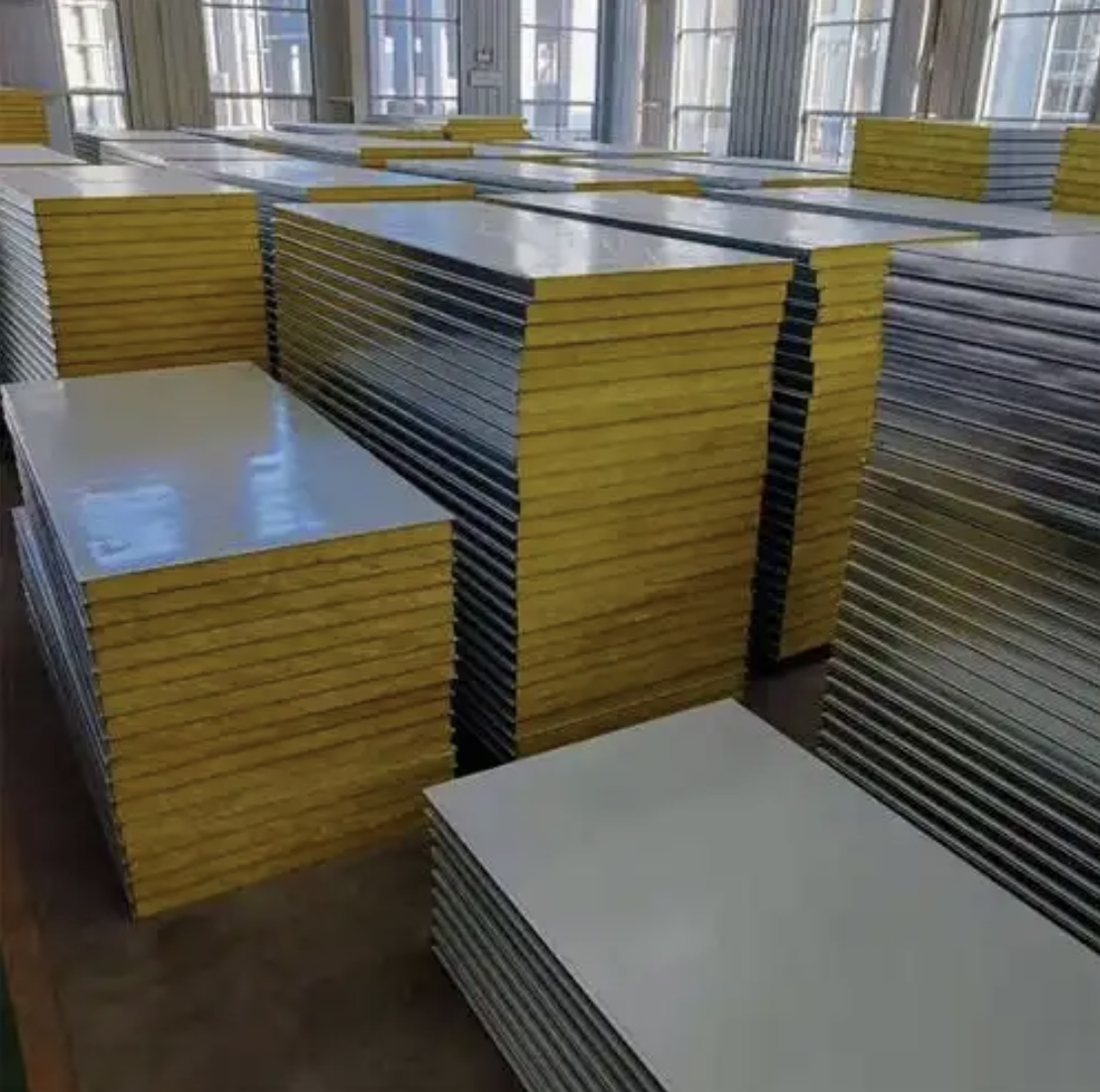
Single color steel sheets are cost-effective for simple storage warehouses with low insulation requirements. For modern industrial warehouses with energy-saving demands, insulated sandwich panels are the preferred choice, integrating heat preservation, sound insulation, and weather resistance. These panels greatly simplify installation and shorten construction cycles, which is a key advantage of pre-engineered steel structures.
Thermal Insulation Materials for Energy Saving
Thermal insulation is a vital functional part of steel warehouse roof insulation and wall systems, effectively reducing indoor temperature fluctuation and industrial energy consumption. Two materials dominate mainstream steel warehouse insulation projects.
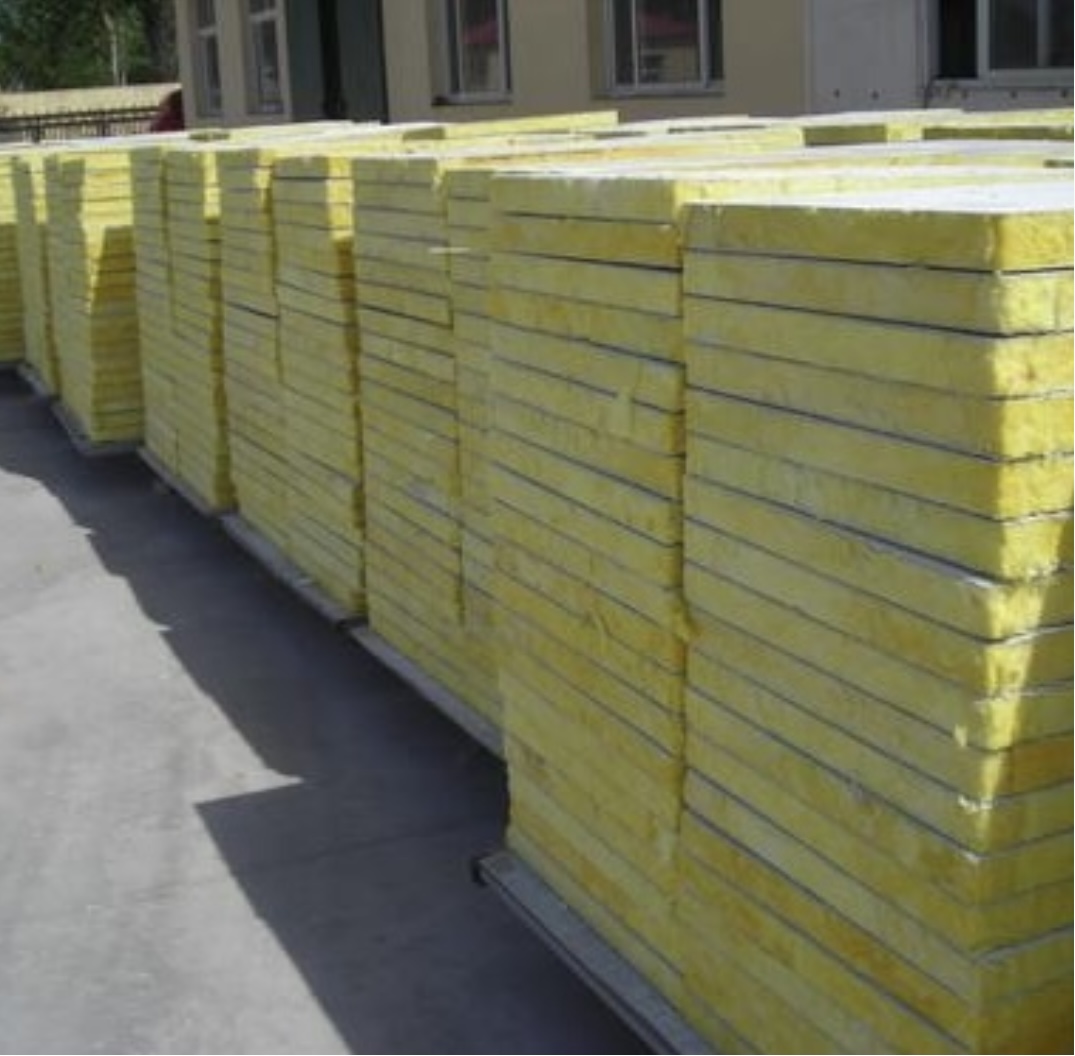
Glass wool insulation is widely used for standard steel warehouses. It features ultra-light weight, low thermal conductivity, and convenient rolling installation, which will not increase extra load on the steel structure. It perfectly meets conventional thermal preservation and basic noise reduction needs for ordinary industrial storage scenarios.
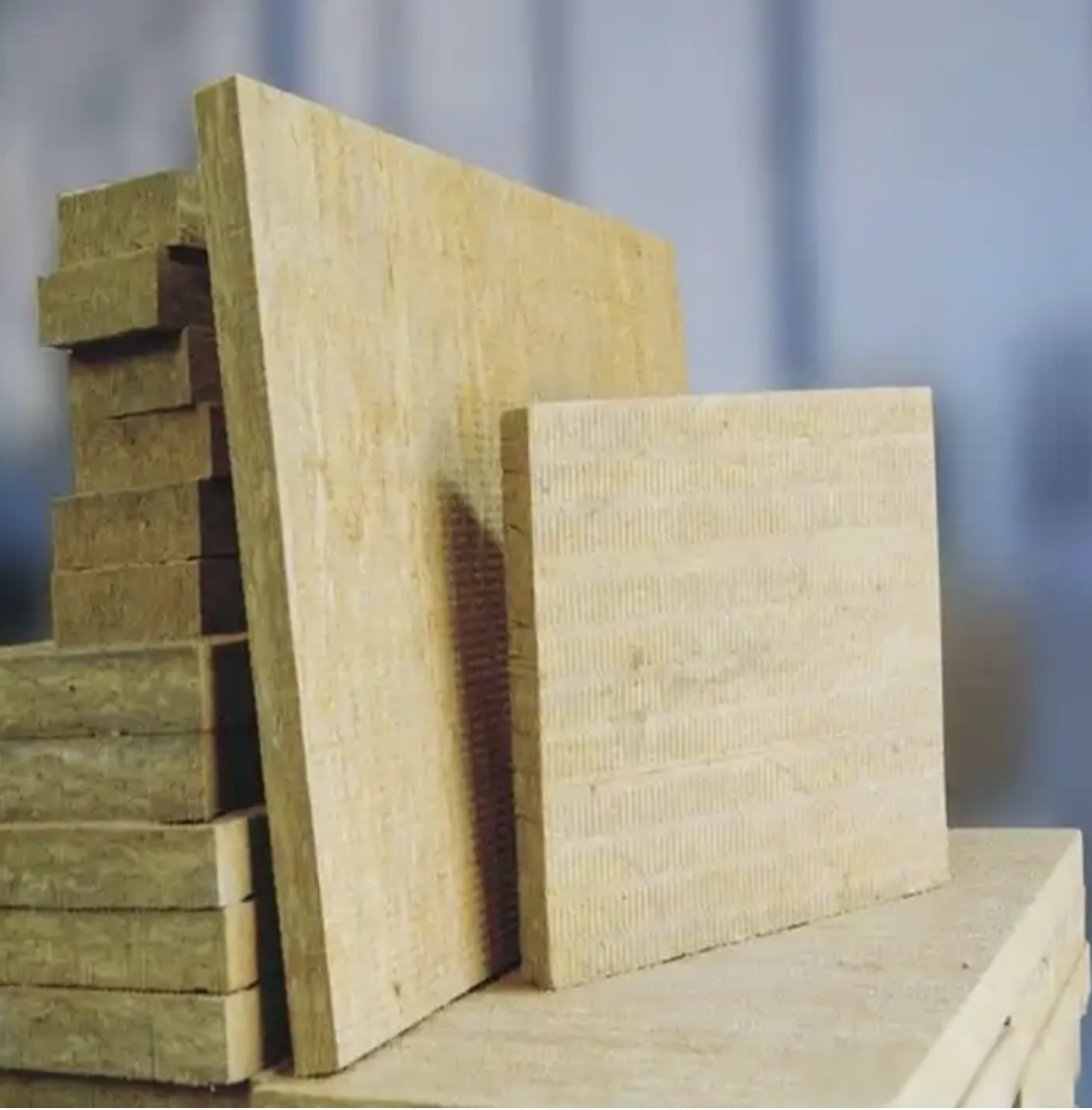
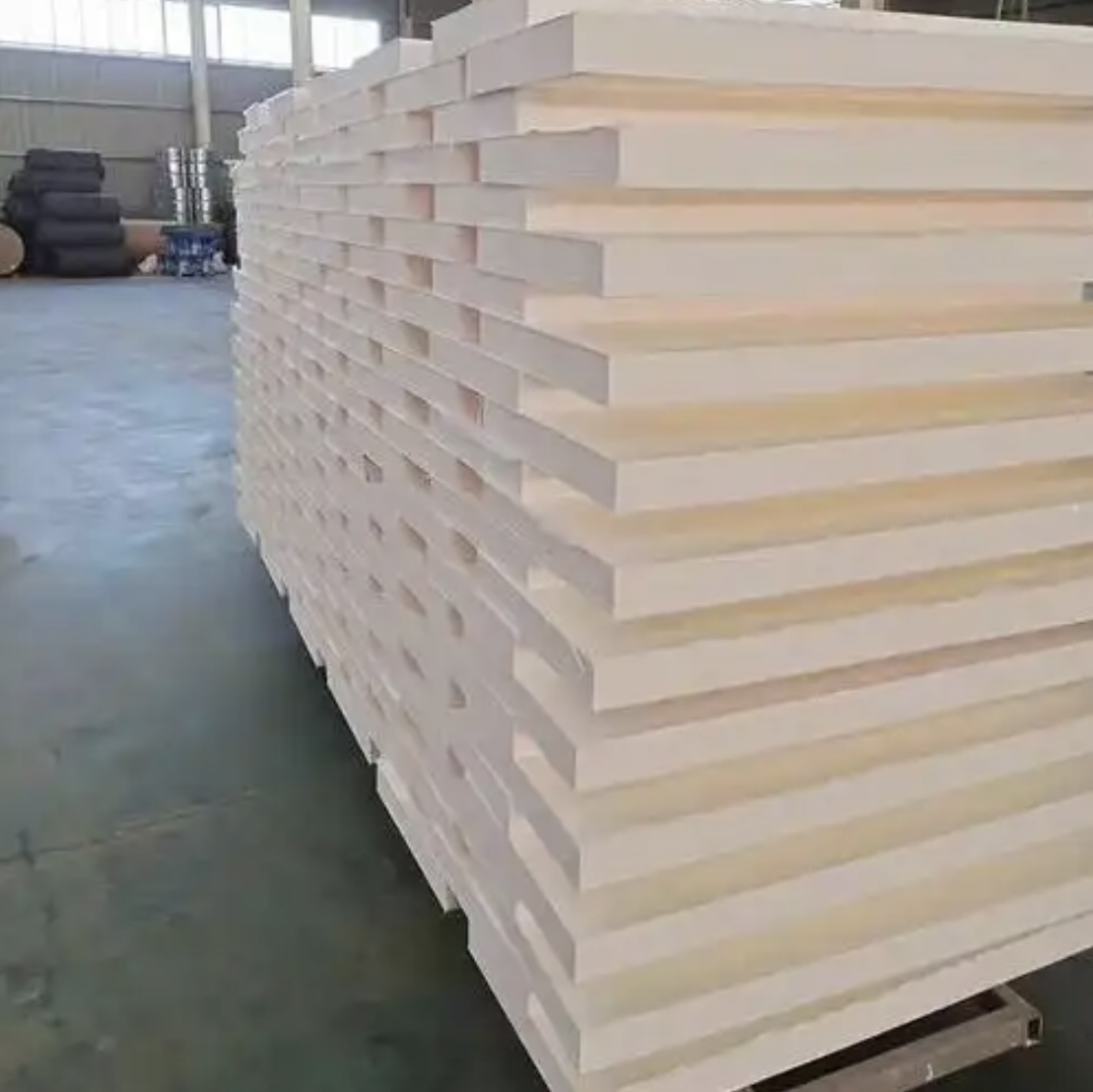
Rock wool insulation is adopted for warehouses with strict fire protection standards. As an A1 non-combustible material, it provides excellent high-temperature resistance and fire isolation performance. Rock wool insulation for steel warehouse roof is the optimal choice for factories involving mechanical equipment operation, flammable goods storage, and high fire-risk environments.
Waterproof and Anti-Seepage Materials
Steel warehouse roofs and foundations are prone to water leakage and groundwater erosion, making professional waterproof and anti-seepage materials essential for long-term building durability.
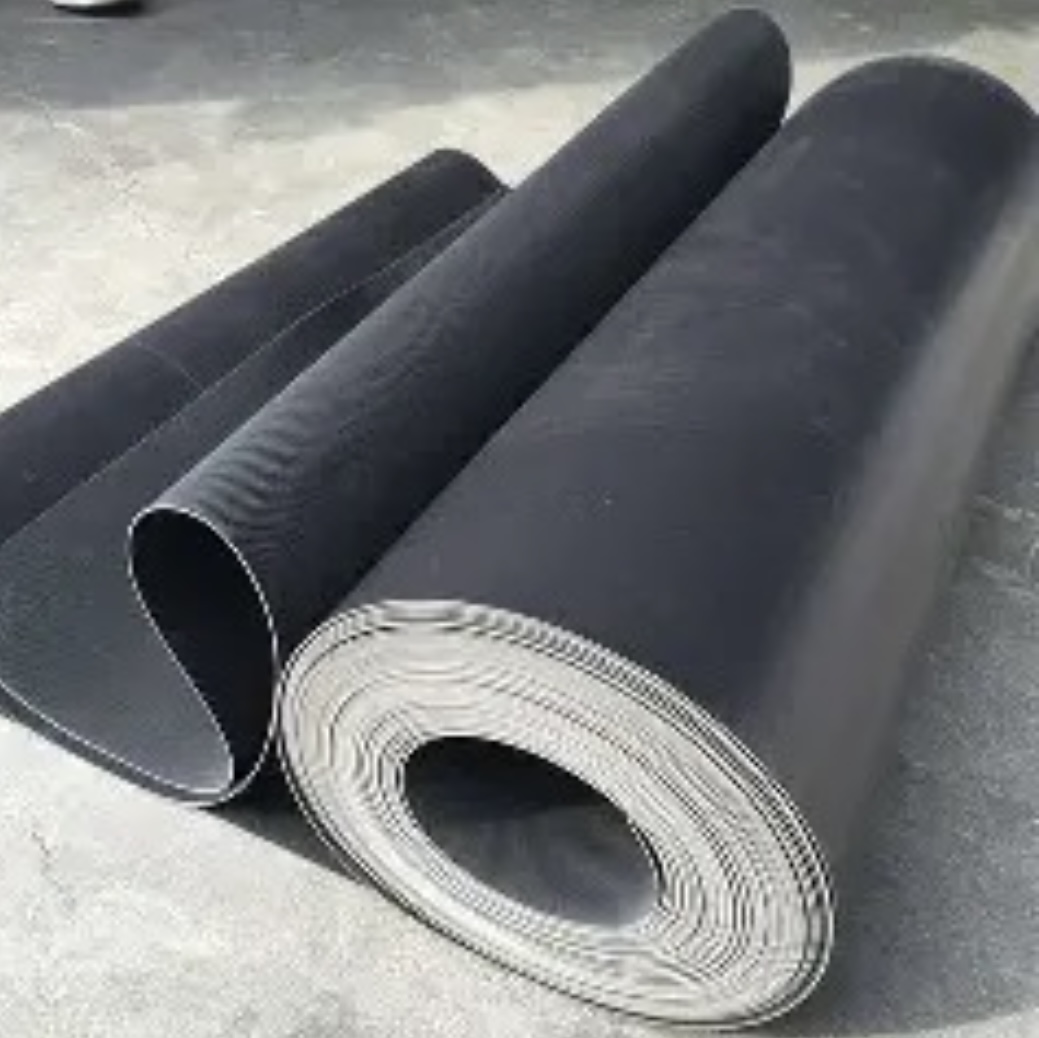
SBS waterproof membrane is the mainstream material for steel roof and parapet waterproofing. With excellent low-temperature flexibility and structural deformation adaptability, SBS waterproof membrane metal roof effectively solves leakage problems caused by steel structural expansion and contraction. For green roof warehouse projects, root-resistant SBS grades are required to prevent plant root penetration damage.
For warehouse foundation and sewage isolation, HDPE geomembrane provides reliable anti-seepage performance.HDPE geomembrane warehouse foundation anti-seepage systems resist groundwater corrosion and soil moisture penetration, protecting the steel foundation from rust and structural damage.
Auxiliary Functional Materials & Accessories
Complete auxiliary materials ensure the tightness, drainage, and long-term stability of the entire steel warehouse system, which are easily overlooked in conventional steel warehouse construction bill of materials.
Key accessories include waterproof sealant, flashing plates, gutter and downpipe systems, ventilation fans, steel warehouse doors and windows, and anti-corrosion paint. Anti-corrosion coating is particularly critical for steel structures, effectively preventing rust erosion and extending the service life of steel frames in humid and outdoor environments.
Selection Tips for Steel Warehouse Materials
When sorting the complete material list for new steel warehouse construction, project owners must match materials with actual usage scenarios. Ordinary storage warehouses prioritize cost-effectiveness, adopting glass wool insulation and color steel single sheets. Fire-risk industrial warehouses must upgrade to rock wool fireproof insulation and high-standard SBS waterproof systems. For humid areas and underground foundation projects, HDPE geomembrane anti-seepage treatment is mandatory.
Frequently Asked Questions
Q1: What are the core materials for steel warehouse construction?
A: The core materials are divided into four categories: steel load-bearing structures, wall and roof envelope panels, thermal insulation materials, and waterproof anti-seepage materials. All key materials checklist industrial steel workshop must cover these four systems to ensure complete building functionality.
Q2: Which insulation material is better for steel warehouse roofs?
A: Glass wool insulation suits conventional budget-oriented warehouses with lightweight and cost-saving advantages. Rock wool insulation is preferred for high-fire-risk industrial warehouses due to its superior fire resistance and high-temperature stability.
Q3: Do steel warehouses need professional waterproof membranes?
A: Yes. Steel structures deform slightly with temperature changes. Ordinary waterproof materials are prone to cracking and leakage. Professional SBS waterproof membrane can adapt to structural deformation and ensure long-term roof waterproof stability.
Conclusion
A standardized steel structure warehouse material checklist is the foundation of efficient and high-quality industrial steel warehouse construction. From main steel frames and envelope panels to insulation, waterproofing, and auxiliary accessories, every material system determines the warehouse’s safety, energy-saving performance, and service life. Reasonable material selection based on project fire grade, usage environment, and budget can avoid construction defects and reduce long-term maintenance costs for industrial steel warehouses.