HDPE Geomembrane VS SBS Waterproof Membrane: Different Application Scenarios
Waterproofing and anti-seepage systems are essential for building durability, environmental protection engineering, and municipal infrastructure. In modern construction projects, HDPE geomembrane andSBS waterproof membrane are two mainstream waterproof materials, but their material properties and applicable environments are completely different. Many engineers and contractors confuse HDPE geomembrane vs SBS waterproof membrane and mistakenly apply them in inappropriate scenarios, leading to water leakage, aging failure, or excessive project costs. This article analyzes their core characteristics and differentiates their waterproof membrane application scenarios to support accurate material selection.
Basic Material Characteristics
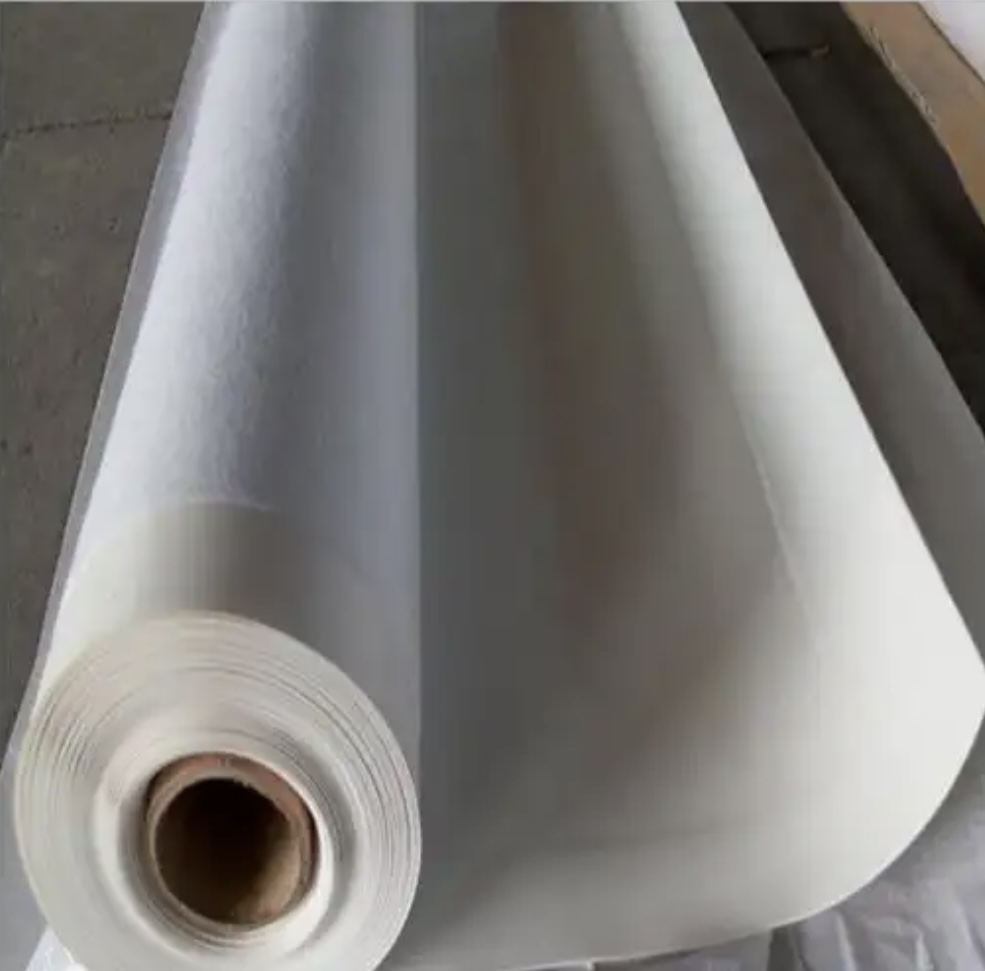
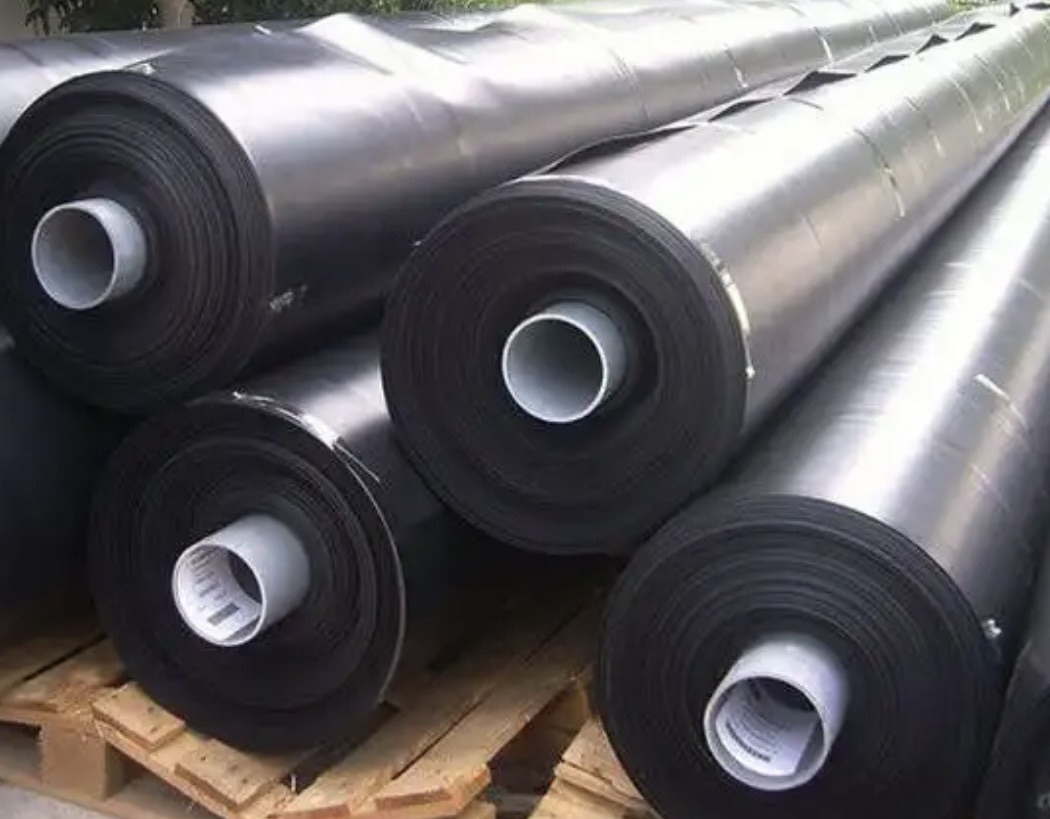
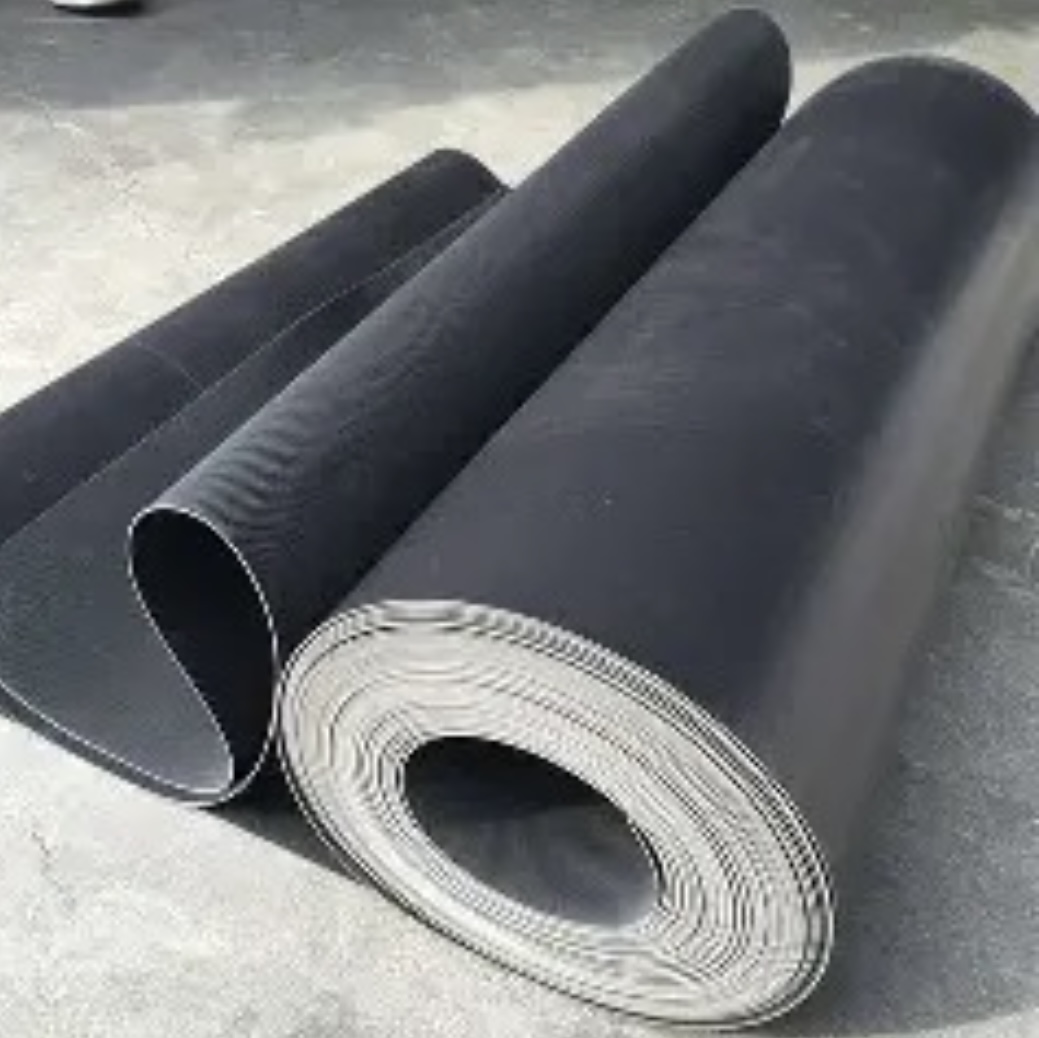
HDPE geomembrane is a high-density polyethylene synthetic liner with excellent anti-seepage, chemical resistance, and puncture resistance. It features a fully closed molecular structure, ultra-low water permeability, and stable performance in harsh environments. Available in thicknesses ranging from 0.2mm to 4.0mm, it can be customized to meet different engineering load and anti-puncture requirements. With a service life of up to 50 years in buried conditions, it is designed for large-scale environmental and hydraulic anti-seepage projects rather than conventional building surface waterproofing. HDPE geomembrane is manufactured in accordance with GB/T 17643 (China) and GRI GM13 (international) standards, ensuring consistent quality for environmental engineering applications.
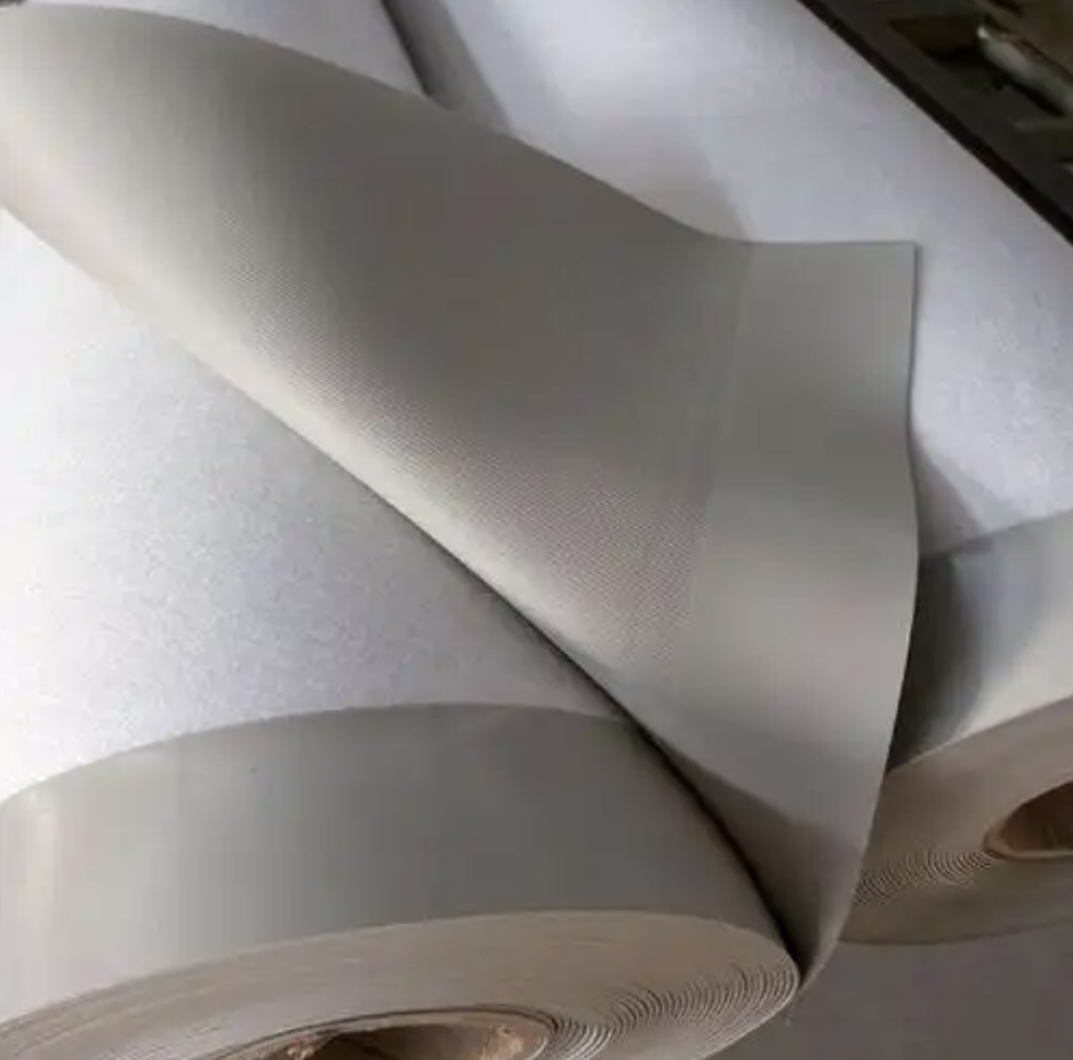
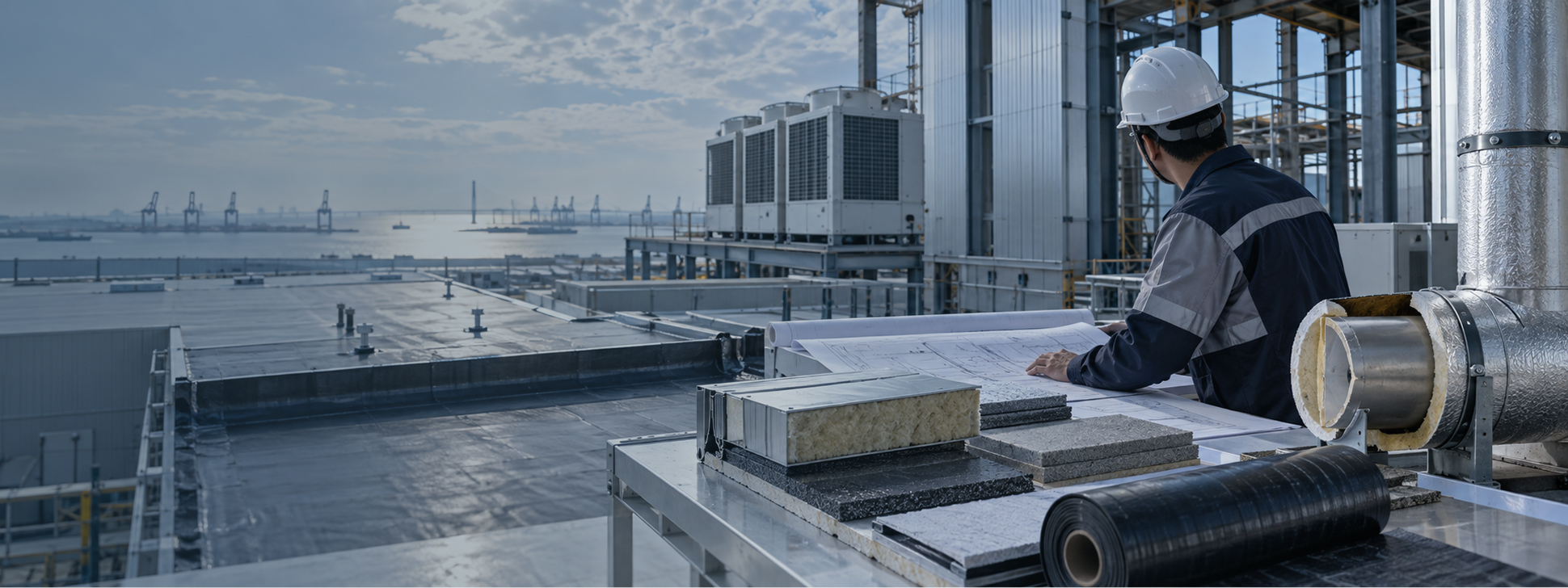
SBS waterproof membrane is a modified bitumen waterproofing material blended with styrene-butadiene-styrene rubber. It offers outstanding flexibility, low-temperature resistance, and structural crack adaptability. This traditional building waterproof material can fit irregular base surfaces and deform with building structures, making it widely used in civil and commercial building waterproofing projects.
Core Performance Differences
Anti-seepage performance: HDPE geomembrane provides absolute anti-seepage capability with near-zero water permeability. It resists acid, alkali, salt corrosion, and microbial erosion, suitable for complex water quality and polluted environments. In contrast, SBS waterproof membrane delivers reliable rainwater and groundwater waterproofing but cannot withstand long-term chemical corrosion or high-concentration pollutant immersion.
Structural adaptability: SBS waterproof membrane is highly flexible and stretchable. It can adapt to minor structural cracks and temperature deformation of buildings, ideal for dynamic building structures. HDPE geomembrane has high tensile strength but low flexibility; it requires a flat and stable base and is not suitable for frequent structural deformation areas.
Durability: Buried HDPE geomembrane maintains stable performance for decades without aging. Exposed SBS waterproof membrane (without protective layers) is prone to oxidation and aging, with a conventional service life of 15–25 years. With proper protective surfacing such as concrete covering or roof tiles, the service life can be significantly extended.
Applicable Scenarios for Two Materials
Professional Scenarios for HDPE Geomembrane
HDPE geomembrane application focuses on environmental protection, hydraulic, and industrial anti-seepage fields. It is the exclusive choice for projects requiring long-term anti-pollution and anti-leakage performance. Typical scenarios include landfill anti-seepage, sewage treatment tank lining, reservoir and artificial lake water preservation, aquaculture pond anti-seepage, and mine tailings pond isolation. These scenarios require materials to resist chemical pollutants and achieve zero leakage, which ordinary building waterproof membranes cannot meet.
Professional Scenarios for SBS Waterproof Membrane
SBS waterproof membrane application concentrates on civil and commercial building waterproofing. It is widely used in building roof waterproofing (with root-resistant SBS grades required for green roofs to prevent plant root penetration and long-term durability damage), basement floor and side wall waterproofing, bridge deck waterproofing, and tunnel surface waterproofing. SBS waterproof membrane complies with GB 18242 (China) and ASTM D6162 (international) standards, widely recognized in the building waterproofing industry. Its greatest advantage is fitting complex building surfaces and resisting structural micro-deformation, effectively solving common building water leakage problems caused by temperature changes and foundation settlement.
Inapplicable Scenarios for Clear Reference
HDPE geomembrane is not suitable for exposed building roof waterproofing and deformed structural surfaces. Its rigid property makes it prone to cracking when the base deforms, and it cannot bond tightly with concrete structures, easily causing channel water leakage.
SBS waterproof membrane is not applicable for environmental anti-seepage projects such as landfills and sewage pools. It cannot resist chemical corrosion and will age and fail rapidly in high-pollution environments, failing long-term anti-seepage requirements.
Frequently Asked Questions
Q1: Can HDPE geomembrane replace SBS membrane for building roof waterproofing? A: No. HDPE geomembrane has poor surface adhesion and low flexibility. It cannot adapt to building structural deformation and is prone to water channeling. SBS waterproof membrane is still the standard choice for building roof systems.
Q2: Can SBS waterproof membrane be used for landfill anti-seepage? A: Not recommended. SBS waterproof membrane lacks chemical corrosion resistance and cannot resist landfill leachate erosion. Only professional HDPE geomembrane meets environmental anti-seepage standards.
Q3: Which material has longer service life? A: HDPE geomembrane features far stronger durability. Buried HDPE liner can serve 40–50 years stably. By contrast, SBS waterproof membrane lasts 15–25 years without protective layers, and 20–50 years with qualified protective covering, varying by material quality and construction standards.
Conclusion
HDPE geomembrane and SBS waterproof membrane serve different engineering fields with no functional overlap. HDPE geomembrane is the specialized anti-seepage liner for environmental and hydraulic projects — choose it for reliable chemical resistance and strict zero-leakage requirements. SBS waterproof membrane is the mainstream standard for building waterproofing — choose it for superior structural adaptability and stable surface waterproofing performance on civil and commercial buildings. Reasonable material selection based on project attributes effectively avoids hidden leakage risks and reduces long-term maintenance costs.