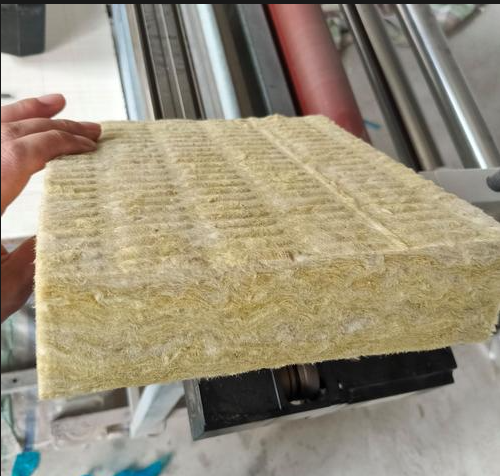

Rock Wool Blanket Insulation: Benefits, Applications and Key Selection Factors
Poor insulation can increase energy costs, reduce fire safety, and create long-term maintenance problems. The right rock wool blanket does much more than reduce heat loss.Rock wool blanket insulation combines thermal insulation, fire resistance, moisture stability, and sound absorption. The best choice depends on density, thickness, facing material, and installation conditions instead of thermal conductivity alone, as explained in the Rock Stone Wool Insulation Guide.
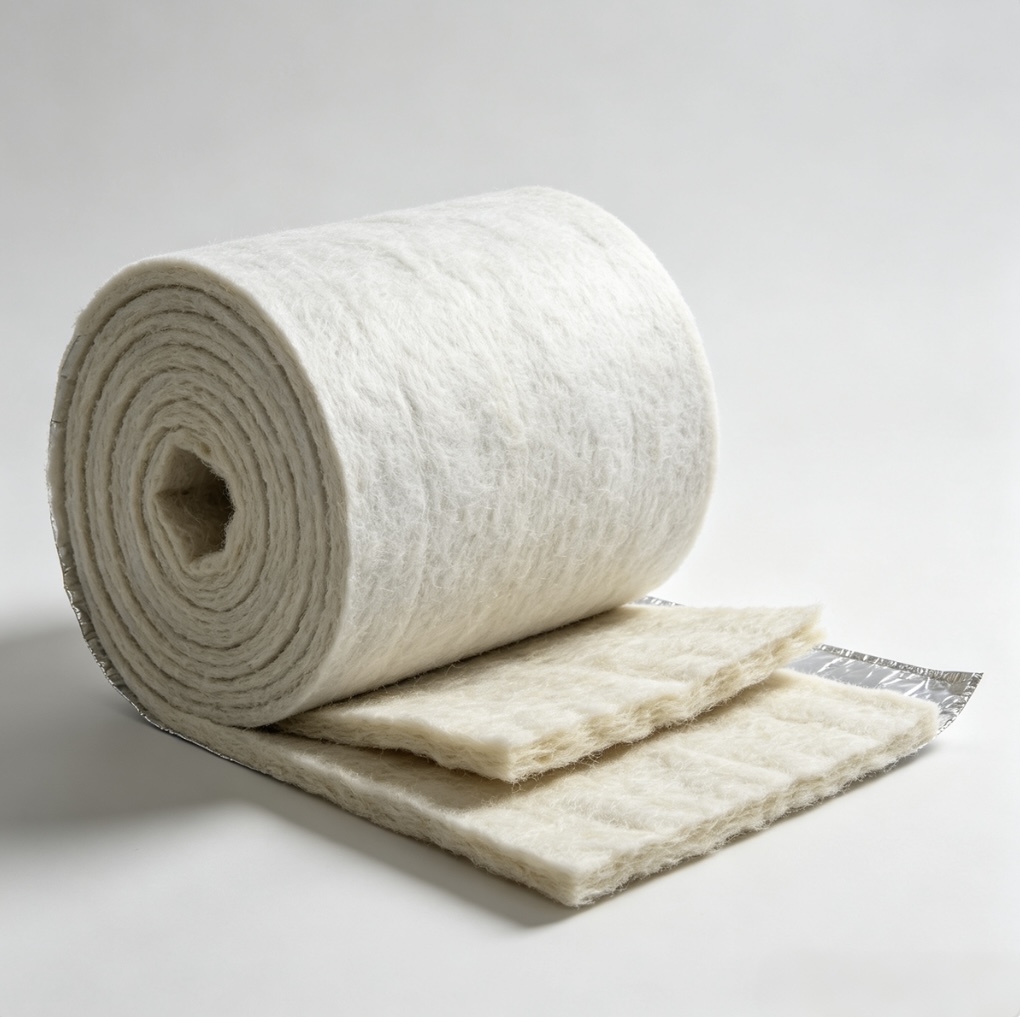
Many building and industrial projects compare only thermal conductivity and purchase price. This saves time during procurement, but it often creates problems later. Site vibration, humidity, installation quality, and operating temperature all influence long-term performance. Rock wool blanket insulation is made from basalt rock and recycled slag. Its fiber structure helps maintain stable thermal performance while also providing non-combustible fire protection and effective sound absorption. Looking beyond product datasheets and matching blanket specifications with actual site conditions often leads to better long-term project results.
What are the Main Benefits of Using Rock Wool Blanket Insulation in Residential Buildings?
Poor insulation can make homes less comfortable and increase heating and cooling costs throughout the year.
Rock wool blanket insulation reduces heat transfer, improves fire safety, absorbs sound, and maintains stable performance under changing temperatures, which aligns with guidance from the U.S. Department of Energy Insulation Guide.
Residential insulation should be evaluated from several practical angles instead of focusing on a single performance figure. Thermal performance comes first because rock wool fibers trap air within the blanket, slowing heat movement and helping buildings stay warmer in winter and cooler in summer. This supports more efficient energy use throughout the year.
Fire safety is another major advantage. Rock wool is non-combustible and can withstand very high temperatures, making it suitable for fire-resistant walls, roofs, and partitions in residential construction.
Sound control also adds value. The dense fiber structure absorbs airborne noise, which helps improve comfort in apartments, townhouses, and homes located near busy roads.
Moisture stability is equally important. Properly installed rock wool can maintain its insulation performance under normal humidity conditions while supporting long-term building durability.
These benefits work together to improve energy efficiency, support safer buildings, and create quieter indoor spaces over the building's service life.
How to Compare Rock Wool Blankets Insulation Products for Energy Efficiency?
Choosing rock wool blankets by thermal conductivity alone can overlook several factors that affect real energy performance.
The most effective comparison includes blanket density, thickness, facing material, moisture resistance, installation flexibility, and long-term durability, which follows recommendations from ASHRAE Technical Resources.
Comparing different rock wool blanket products starts with understanding how they perform after installation rather than focusing only on laboratory figures. Blankets with similar thermal conductivity values may deliver different long-term results because installation conditions, compression, moisture exposure, and mechanical stress can change their performance over time.
Density is one of the first factors worth checking. Higher-density blankets often provide better shape retention and acoustic performance, while lighter products may offer easier handling during installation. Thickness has a direct impact on thermal resistance, so selecting the appropriate thickness should match the building specification instead of choosing the thickest option by default.
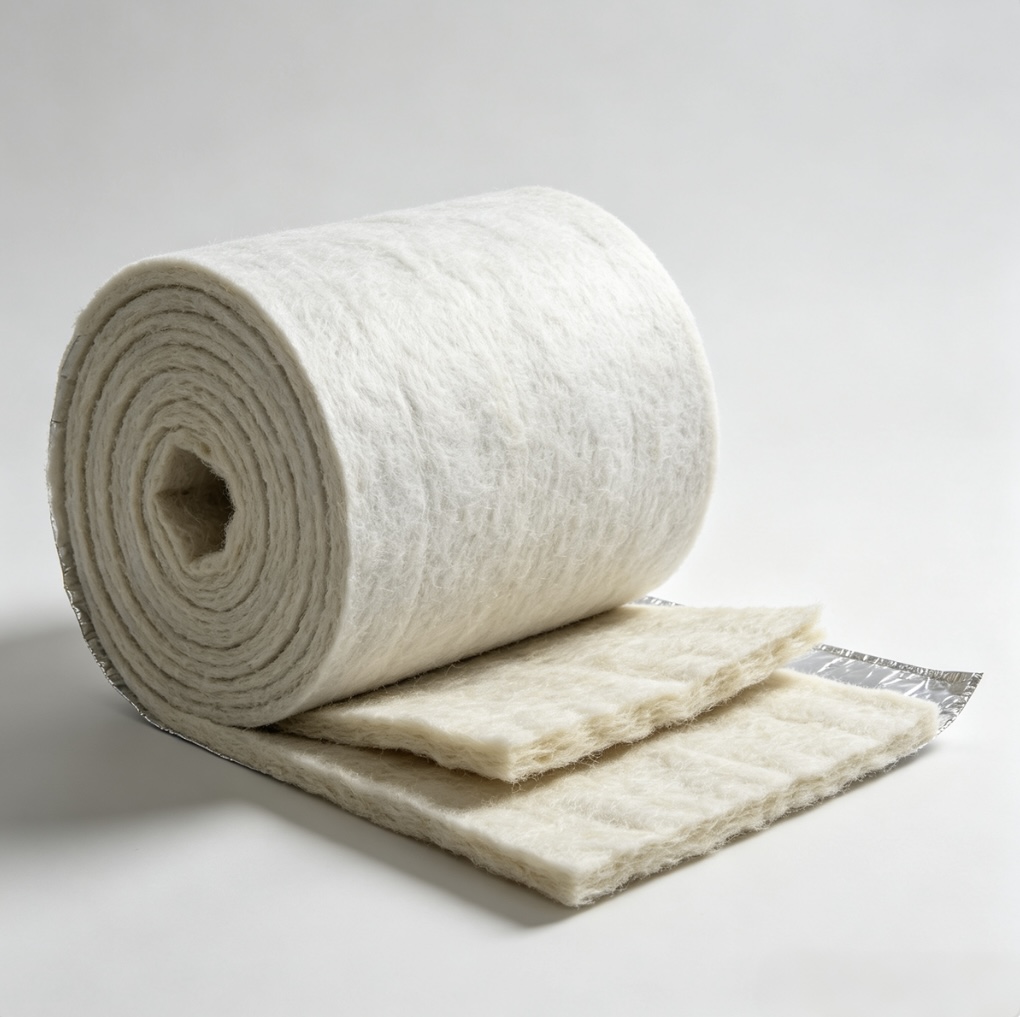
Facing materials also deserve attention. Aluminum foil facings can improve moisture protection and simplify installation in certain environments. Unfaced blankets may be more suitable where additional finishing systems are planned.
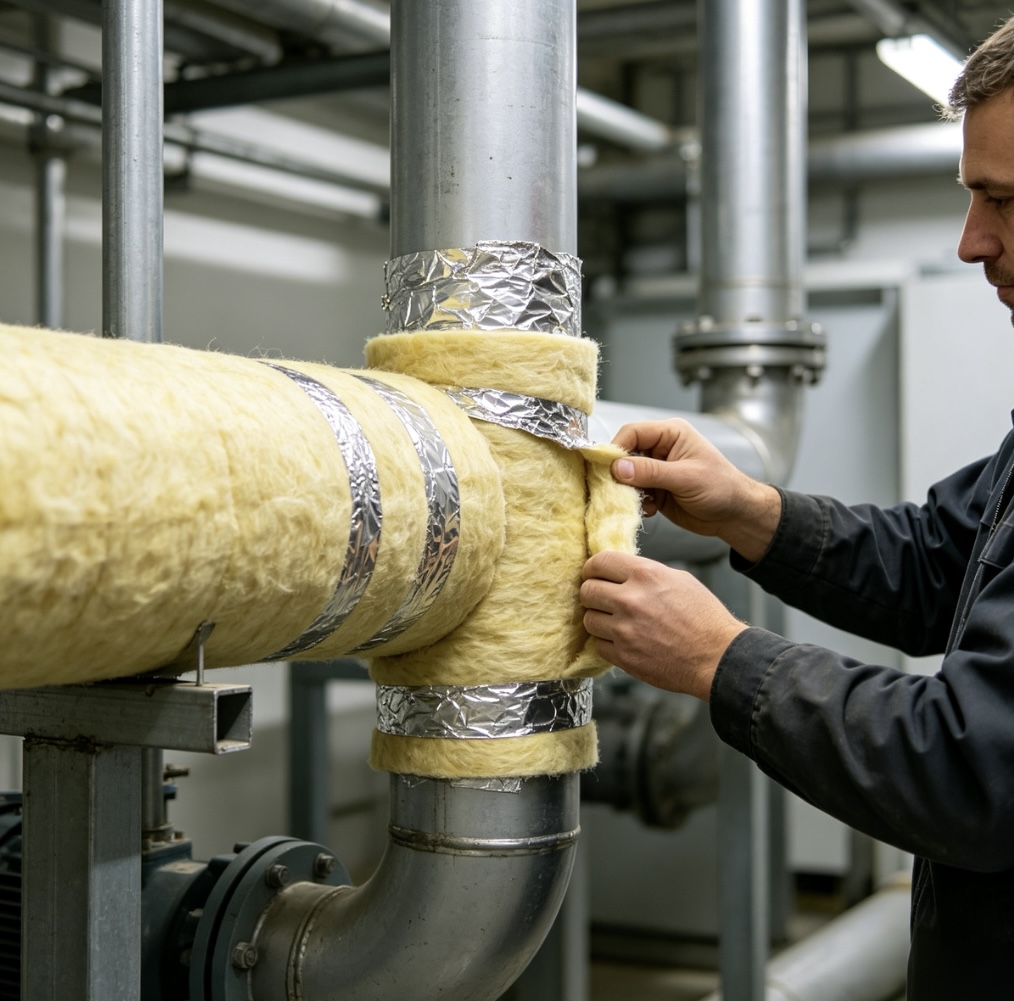
Installation flexibility matters as well. A blanket that fits tightly around framing, ductwork, or uneven surfaces helps reduce thermal gaps and supports more consistent energy performance throughout the building's service life.
Rock Wool Blankets Insulation Comparison Guide
| Selection Factor | Why It Matters |
|---|---|
| Blanket Density | Helps maintain shape and insulation performance. |
| Thickness | Directly increases thermal resistance. |
| Facing Material | Improves moisture protection and handling. |
| Moisture Stability | Supports long-term insulation performance. |
| Installation Flexibility | Reduces thermal gaps around uneven surfaces. |
| Sound Absorption | Improves indoor acoustic comfort. |
| Application Match | Ensures the blanket suits walls, roofs, ceilings, or industrial equipment. |
Looking at these factors together provides a more realistic picture of energy efficiency than comparing published thermal conductivity values alone. A balanced specification often delivers better long-term performance while avoiding unnecessary material costs.
Where to Find Detailed Engineering Guides on Rock Wool Pipe Insulation?
Many buyers struggle to separate marketing materials from technical guidance when selecting insulation products.
The most reliable engineering guidance comes from recognized industry standards, technical organizations, and manufacturer documentation. Organizations such as ASTM International Thermal Insulation Standards provide standardized testing methods that help engineers compare insulation performance consistently.
Industry standards explain how insulation performance is measured under controlled conditions, while engineering resources connect laboratory testing with real-world HVAC and building system design.
Manufacturer technical documentation becomes more useful when it includes installation methods, recommended service temperatures, and application limitations. Comparing product documents with independent standards helps build greater confidence during specification.
Good engineering guidance should answer practical questions about wrapping insulation around complex shapes, reducing thermal bridges, protecting insulation from moisture exposure, and maintaining long-term performance. These installation details often have a greater impact on project success than small differences between advertised product specifications.
For projects where fire performance is a priority, consulting the National Fire Protection Association can also help builders better understand fire protection requirements alongside insulation selection.
Conclusion
The right rock wool blanket insulation comes from matching product specifications with real project conditions. A balanced selection supports better energy efficiency, stronger fire protection, improved acoustic comfort, and reliable long-term performance across residential and industrial applications.
References
ROCKWOOL Group. Stone Wool Insulation Guide.
U.S. Department of Energy. Insulation Guide.
ASHRAE. Technical Resources.
ASTM International. Thermal Insulation Standards.
National Fire Protection Association (NFPA). Fire Protection Resources.