Reinforced PVC Waterproofing Membrane Selection Guide: Internal Reinforced Frame, High Tear Resistance and Engineering Specification Recommendation
In long-span roofs, high-wind-pressure areas, frequently vibrating steel structure buildings, and waterproofing projects with large structural deformation, ordinary waterproof membranes are prone to damage and tensile cracking due to insufficient tensile and tear resistance. As a core product in the PVC waterproofing system, the reinforced PVC waterproofing membrane features glass fiber or polyester fiber reinforced frames embedded within the PVC substrate. It combines the weldability of polymer materials with the high strength of reinforced frameworks, featuring stable dimensions and outstanding deformation resistance. It is the preferred material for heavy-load and high-stress waterproofing scenarios such as industrial buildings and large public venues.
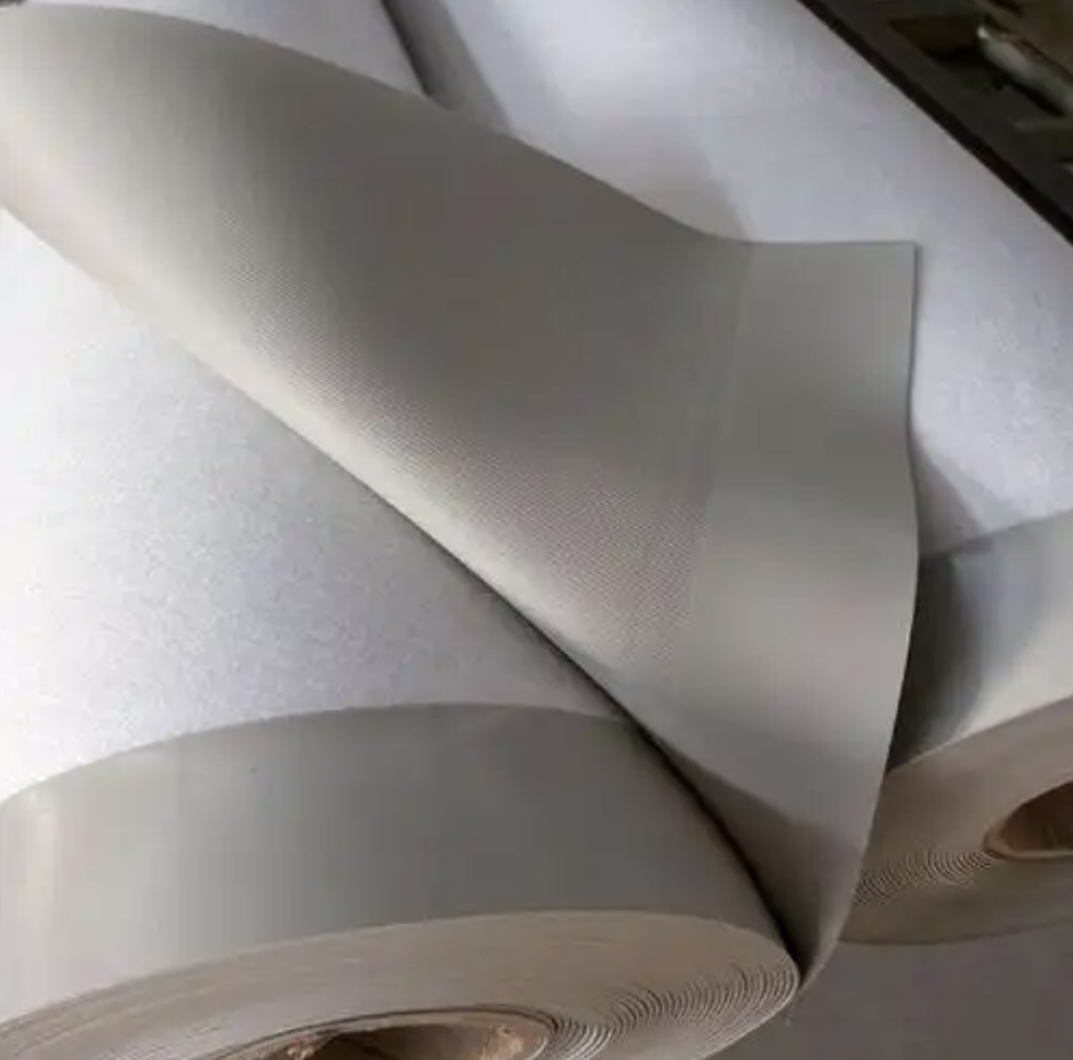
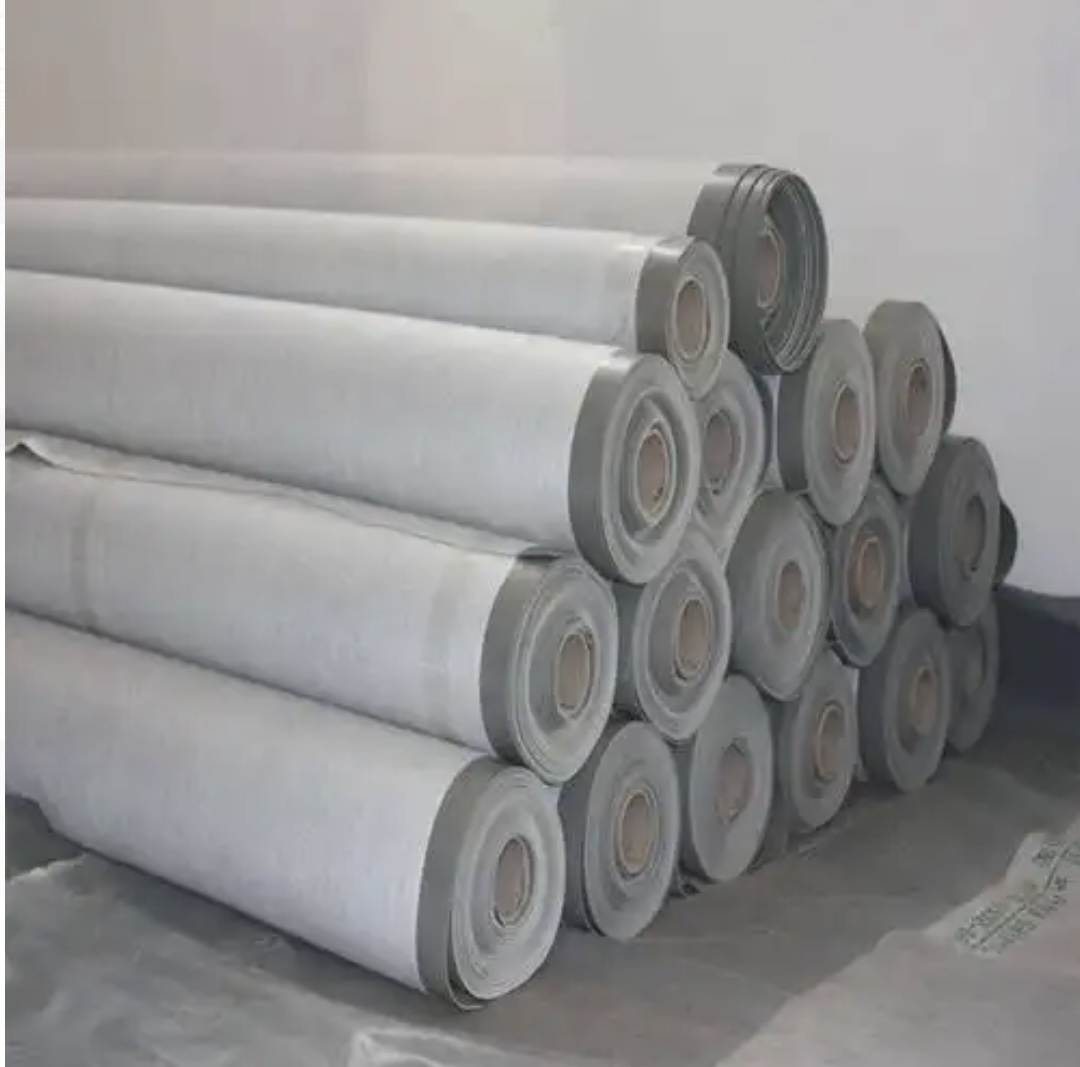
Reinforced PVC waterproofing membrane is a thermoplastic polymer waterproof material manufactured in accordance with national standard GB/T 12952-2011, classified as a Type P internally reinforced product. It uses polyvinyl chloride resin as the surface substrate, with a composite glass fiber or polyester fabric reinforcement layer in the middle, forming an integrated three-layer structure. Different from homogeneous PVC and backed PVC, its core advantage lies in the significantly improved mechanical properties of the internal reinforced frame, while retaining the excellent hot-melt welding performance of PVC materials. This makes it suitable for various waterproofing projects with complex stress conditions and harsh working environments.
1. Core Performance Advantages
Built-In Reinforced Frame for Improved Mechanical Properties
With a composite glass fiber or polyester mesh reinforcement layer, the membrane delivers significantly higher tensile strength and tear resistance than homogeneous PVC membranes. It effectively resists external damage caused by strong wind tension, structural vibration and foot traffic load. Even if the substrate undergoes large displacement and deformation, the membrane resists cracking, adapting well to high-stress working environments. The two types of reinforced materials have their own strengths: glass fiber frames provide excellent dimensional stability with low thermal shrinkage, while polyester fiber frames offer better flexibility and stronger fatigue deformation resistance.
Excellent Dimensional Stability Reduces Post-Construction Deformation Risks
Benefiting from the internal mesh reinforced structure, the membrane has a low coefficient of thermal expansion and resists bulging, shrinkage and edge warping under high and low temperature conditions. It maintains a stable shape during long-term outdoor exposure and avoids continuous deformation caused by repeated temperature changes, ensuring long-term integrity of the waterproof system and reducing subsequent maintenance frequency.
Hot-Melt Seamless Welding for Reliable Joint Tightness
Leveraging the excellent thermoplastic properties of PVC materials, the membrane uses hot-air welding, which fuses overlapping joints into a whole with strength close to the membrane body. Compared with traditional adhesive bonding, welded joints feature better aging resistance and water immersion resistance, eliminating risks of debonding and leakage and forming a continuous and complete waterproof system for large-scale construction. In addition, weld joints can be re-welded, enabling convenient later inspection and maintenance.
Superior Weather and Corrosion Resistance for Wide Application
The surface PVC formula contains anti-UV and anti-aging additives, preventing chalking, discoloration and cracking during long-term outdoor exposure and maintaining stable weather resistance. The material possesses good resistance to acids, alkalis and common chemical media, applicable to slightly corrosive environments such as industrial plants and warehouse buildings. With standard construction, it achieves long-term service for both exposed and semi-concealed projects.
Good Low-Temperature Flexibility for Wide Regional Adaptability
With a professional formula design, the membrane remains flexible at low temperatures and shows no cracks when bent at -25°C. It meets the construction and service requirements of most temperate and cold temperate regions, and avoids brittle cracking even during low-temperature construction seasons.
2. Selection Comparison: Reinforced PVC vs. Homogeneous PVC & Backed PVC
VS Homogeneous PVC: Homogeneous PVC features a single integrated material without internal interlayers, with a simple structure and uniform texture. It excels in consistent material performance and is suitable for conventional civil roofs and water tank projects with flat substrates and low stress. Reinforced PVC enhances mechanical properties through an internal reinforced frame with outstanding tensile and tear resistance. Designed for long-span, high-wind-pressure and continuously vibrating working conditions, it is ideal for industrial plants, steel structure roofs and other buildings with complex stress conditions.
VS Backed PVC: Backed PVC is laminated with non-woven fiber backing, focusing on full-bond construction, high substrate fitting performance and anti-channeling effects, and is mostly used for concealed waterproofing projects with irregular substrates requiring full adhesion. Reinforced PVC prioritizes overall strength and dimensional stability. It is mainly constructed by mechanical fixation and loose laying combined with hot-melt welding, featuring higher construction efficiency and better adaptability for large-scale, open roof projects.
3. Main Application Scenarios
Steel Structure Building Roofs: Waterproofing for long-span industrial plants, warehouses and steel structure venues with frequent vibration and large wind load.
Large Public Buildings: Extensive exposed waterproof areas of exhibition centers, stadiums and transportation hubs.
High-Wind-Pressure Area Projects: Wind-prone coastal areas, high-rise building roofs and cantilever structures vulnerable to strong wind tension.
Large-Deformation Infrastructure Projects: Waterproofing for basement top slabs and large corridors with large spans and prone substrate displacement.
4. Engineering Selection Tips and Construction Specifications
For long-span steel structures and high-wind-pressure roofs, 1.5–2.0 mm reinforced PVC membranes are the preferred choice. Construction mainly adopts mechanical fixation combined with hot-air welding. Automatic welding machines are used for large-area construction, while handheld welders are used for detailed treatment of corners, pipe roots, expansion joints and other vulnerable nodes. Overlapping joints are constructed with double-weld standards, with the long-side overlap width no less than 80 mm and the short-side overlap width no less than 100 mm. A reserved cavity is kept between the two welds, and air-tightness testing is conducted after construction to ensure no leakage. Welding temperature and speed must be strictly controlled to avoid incomplete welds, missed welds, or burning through the membrane. Homogeneous PVC additional layers are required for node reinforcement. The upturned height of the membrane at flashing parts such as parapet walls and equipment foundations should be no less than 250 mm, with metal pressure strips and sealant applied for top sealing. Finished product protection should be implemented during material storage and construction to prevent puncturing by sharp objects.
5. Foreign Trade Supply Advantages
As a professional manufacturer, we keep sufficient stock of reinforced PVC membranes with various thicknesses and two reinforced types (glass fiber and polyester) to ensure stable delivery of bulk orders. We support customized non-standard sizes, colors and OEM processing services, and can adjust product formulas according to regional climates and engineering requirements. All products comply with national and international engineering standards with complete export qualifications and supporting test reports. We provide professional product selection and construction technical guidance, offering comprehensive procurement and long-term cooperative solutions for global waterproofing projects.
In summary, reinforced PVC waterproofing membranes feature internal reinforced frame, high tear resistance, stable dimensional performance and reliable welding quality. They effectively address waterproofing difficulties in high-stress, long-span and high-wind-pressure scenarios, serving as ideal waterproof materials for industrial buildings and large public projects. For bulk procurement, professional engineering selection or the latest quotations, feel free to contact us. We provide customized and systematic waterproofing solutions for your projects.