
Phenolic vs Polyurethane Pipe Insulation: Which Is Better for HVAC and Cold Storage?
Choosing between phenolic pipe insulation and polyurethane pipe insulation affects energy efficiency, condensation control, fire safety, and long-term maintenance. Both materials are used in thermal insulation systems, but the best option depends on operating temperature, required insulation thickness, moisture exposure, and project specifications.
For HVAC systems, chilled water pipe insulation must limit heat gain and help prevent surface condensation. In cold storage facilities, insulation must maintain stable low temperatures while controlling moisture migration. Understanding the differences between phenolic foam insulation pipe and polyurethane foam pipe insulation helps engineers, contractors, and buyers select a solution that matches their application.
What Is the Difference Between Phenolic and Polyurethane Pipe Insulation?
Phenolic foam is a rigid cellular insulation material known for its low thermal conductivity and favorable fire-performance characteristics in suitable formulations. Closed-cell phenolic foam insulation can provide the required thermal resistance with relatively limited thickness. This can be useful in commercial buildings, mechanical rooms, and industrial piping systems where installation space is restricted.
Polyurethane foam, commonly shortened to PU, is another rigid cellular insulation material. Its thermal performance, mechanical properties, and dimensional stability depend on the formulation, density, manufacturing process, and operating conditions. Rigid polyurethane foam pipe sections are commonly considered for building services, refrigeration, and industrial applications.
Polyurethane and polyisocyanurate (PIR) are related materials, but they are not interchangeable in every application. The ASTM C591 standard for rigid cellular polyisocyanurate thermal insulation covers a specific insulation category rather than every polyurethane insulation product. Buyers should confirm the exact material designation before comparing technical data.
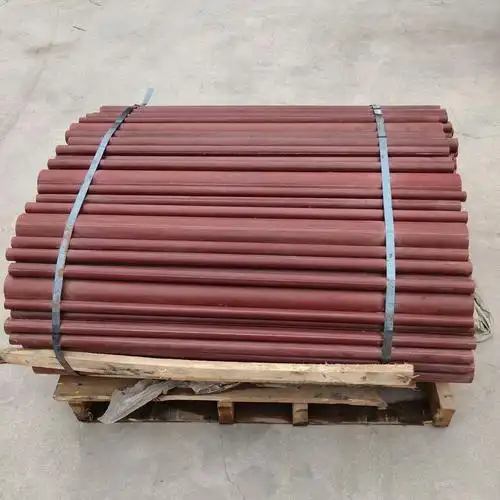
Phenolic vs PU Pipe Insulation: Key Performance Comparison
The following table provides a practical pipe insulation thermal conductivity comparison and highlights the properties that matter during material selection.
| Comparison Factor | Phenolic Pipe Insulation | Polyurethane Pipe Insulation | What Buyers Should Check |
|---|---|---|---|
| Thermal conductivity | Often offers very low thermal conductivity | Can provide excellent thermal resistance | Compare declared values at the same mean temperature and under comparable test conditions. |
| Density | Depends on grade and formulation | Depends on grade and formulation | Request product-specific density data. |
| Fire performance | Some formulations offer favorable fire characteristics | Performance varies by formulation and system design | Verify the required classification and relevant test reports. |
| Operating temperature | Must remain within the product's rated range | Must remain within the product's rated range | Check continuous service limits and temperature cycling. |
| Moisture and condensation | Requires appropriate vapor control for relevant conditions | Requires appropriate vapor control for relevant conditions | Review joints, vapor barriers, facings, and external protection. |
| Mechanical performance | Rigid structure; strength varies by product | Rigid structure; strength varies by product | Check compressive resistance, dimensional stability, and support design. |
| Typical selection priorities | Low thermal conductivity and specific fire-performance requirements | Thermal efficiency and application-specific mechanical requirements | Evaluate total installed-system performance, not material name alone. |
This comparison is a selection framework, not a substitute for product-specific test data. When comparing phenolic pipe insulation specifications with polyurethane pipe insulation specifications, buyers should request thermal conductivity values measured under comparable conditions. Density alone does not establish which material will perform better.
The ASTM C1126 standard for rigid cellular phenolic thermal insulation identifies relevant properties such as thermal conductivity, compressive resistance, dimensional stability, and water absorption. These properties should be evaluated against the requirements of the intended piping system rather than relying on general product descriptions.
Which Is Better for HVAC Pipe Insulation?
For HVAC pipe insulation, the first step is to identify the pipe service. Chilled water pipes operate below the surrounding air temperature, while heating-water pipes operate at elevated temperatures. These conditions create different insulation requirements.
For chilled water pipe insulation, condensation control is often as important as thermal resistance. When humid air contacts a surface below its dew point, water can condense on the pipe or within vulnerable parts of the insulation system. A suitable vapor retarder, sealed joints, correctly sized insulation, and careful treatment of valves and fittings help reduce this risk.
Phenolic insulation is worth evaluating where a project requires low thermal conductivity, limited insulation thickness, and specific fire-performance characteristics. Polyurethane pipe insulation may also be suitable where its tested thermal and mechanical properties meet the project requirements. Neither material should be selected solely because its product description claims superior insulation performance.
Engineers should calculate the required insulation thickness using design temperatures, ambient humidity, pipe dimensions, and applicable energy or mechanical codes. They should also consider pipe supports, movement, maintenance access, and continuity of the vapor-control layer.
The ASHRAE Handbook provides technical references on heat transfer, HVAC systems, and refrigeration. In practice, poorly sealed joints can undermine an otherwise suitable insulation system. Installation quality may therefore have a greater impact on long-term performance than a small difference in published thermal conductivity.
Which Is Better for Cold Storage Pipe Insulation?
Cold storage pipe insulation must reduce heat gain and help maintain the operating conditions required by refrigeration systems. The correct solution depends on whether the pipe carries chilled water, refrigerant, or another low-temperature fluid. A material suitable for one temperature range should not automatically be assumed suitable for a colder service.
For cold storage pipe insulation, review the following factors:
- Minimum and maximum operating temperatures
- Thermal conductivity at the relevant mean temperature
- Required insulation thickness
- Compressive resistance and dimensional stability
- Water absorption and water vapor transmission
- Vapor-retarder continuity and joint-sealing requirements
Cold surfaces exposed to humid air can experience condensation and ice formation if moisture enters the insulation system. Once insulation becomes wet, its thermal performance may deteriorate, potentially increasing energy consumption and maintenance costs.
Closed-cell phenolic foam can be attractive where low thermal conductivity and fire performance are priorities. However, the appropriate vapor-retarder arrangement remains essential for relevant low-temperature applications. Polyurethane and related rigid foam products can also be suitable for refrigeration applications when their specific ratings cover the actual service conditions.
The ASHRAE guidance on insulation systems for refrigerant piping discusses the importance of insulation properties and vapor control in refrigeration applications. The exact material and installation details should be selected according to the operating temperature, ambient conditions, and project requirements.
For very low-temperature or cryogenic pipe insulation, obtain written confirmation of suitability from the manufacturer and project engineer. Do not rely on a generic temperature range without checking whether the product has been evaluated for the intended operating conditions.
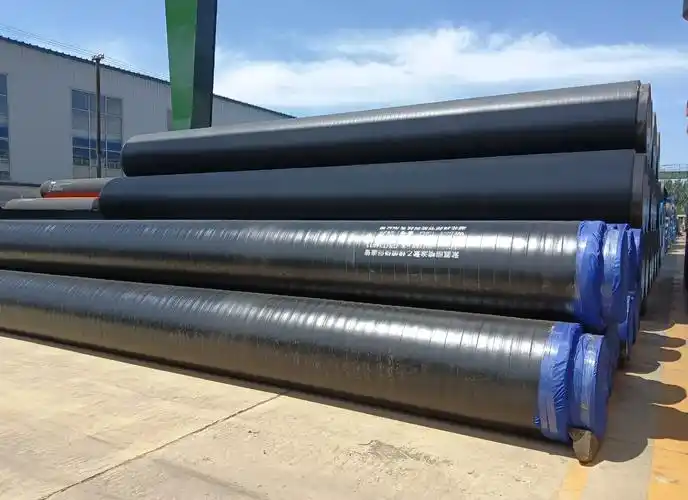
Fire Performance, Temperature Range, and Technical Standards
Fire performance is an important factor when comparing phenolic vs polyurethane insulation. Phenolic foam is often considered where fire behavior is a major design criterion, but its performance must be verified for the exact product. Not every phenolic insulation product automatically meets a particular fire classification.
Likewise, polyurethane or PIR products must be evaluated against applicable building regulations and project specifications. Terms such as fire rated pipe insulation, Class A1 pipe insulation, and B1 flame retardant pipe insulation refer to specific classification requirements in relevant markets. They should not be used interchangeably.
Buyers should request documentation identifying the applicable test method, tested product, and classification. A material's generic description is not evidence that a finished insulation product meets a particular fire rating.
Long-term thermal performance also matters. The ASTM C1303/C1303M test method for predicting long-term thermal resistance of closed-cell foam insulation provides a standardized approach for applicable foam materials, including phenolic, polyurethane, and polyisocyanurate insulation.
When comparing technical data, check the test method, mean temperature, aging basis, and whether the reported value applies to the insulation material or a complete installed system. Standards provide a basis for evaluation, but compliance must be confirmed for the specific product and intended application.
A Practical Pipe Insulation Selection Guide
For a reliable decision, use the following process rather than choosing based on a single performance figure.
- Define the operating conditions. Identify the fluid, normal operating temperature, minimum and maximum temperatures, and whether the pipe carries chilled water, hot water, or refrigerant.
- Determine the required insulation thickness. Use project conditions to calculate the necessary thermal resistance and condensation-control thickness. A thinner material is not automatically more cost-effective if it requires additional protective layers or more complex installation.
- Confirm fire requirements. Check the applicable fire classification, test method, and local code requirements. Request product-specific documentation instead of relying on generic descriptions.
- Design moisture protection. Specify the vapor retarder, joint sealing, fittings, supports, and weather protection where necessary. This is particularly important for chilled water and refrigeration piping.
- Compare the total installed cost. Consider material price, cutting and fitting, accessories, labor, maintenance, and expected service life. The lowest purchase price may not produce the lowest lifecycle cost.
- Verify product specifications. Compare thermal conductivity, density, compressive resistance, dimensional stability, water absorption, and rated temperature range under comparable test conditions.
This selection process helps project teams avoid choosing insulation based on one advertised property while overlooking installation and operating requirements.
Frequently Asked Questions
Q1. Which is the best pipe insulation for HVAC systems?
The best pipe insulation for HVAC depends on service temperature, condensation risk, fire requirements, and available installation space. Phenolic pipe insulation is worth evaluating when low thermal conductivity and specific fire-performance characteristics are priorities. Polyurethane pipe insulation is another option when its documented properties meet project specifications.
Q2. Is phenolic or polyurethane better for cold storage?
Both can be suitable for cold storage applications when the selected product is rated for the operating temperature. The decision should consider thermal conductivity, moisture protection, mechanical stability, and installation requirements. Very low-temperature applications require additional verification.
Q3. How can buyers compare phenolic pipe insulation specifications?
Request a technical data sheet covering thermal conductivity, density, compressive resistance, dimensional stability, water absorption, service temperature, and applicable fire-test results. Make sure the compared values use compatible test methods and conditions.
Q4. What should buyers look for in a phenolic pipe insulation manufacturer or supplier?
Buyers should evaluate product-specific technical data, dimensional consistency, available pipe sizes, packaging, delivery capability, and the supplier's ability to clarify application requirements. A phenolic pipe insulation manufacturer or supplier should explain which specifications apply to the offered product and which claims require additional verification.
Q5. Can a phenolic foam insulation pipe solution be customized for a project?
Project requirements may include pipe diameter, insulation thickness, section length, facing options where applicable, and packaging. Buyers should confirm available configurations, tolerances, and production lead times with their phenolic foam pipe insulation supplier before placing a bulk order.
Conclusion
Phenolic and polyurethane pipe insulation can both support energy-efficient HVAC and refrigeration systems, but neither is universally better.
Phenolic pipe insulation deserves consideration when low thermal conductivity, limited installation space, and specific fire-performance requirements are important. Polyurethane pipe insulation can be a practical alternative when its thermal, mechanical, and temperature ratings match the intended service.
For HVAC and cold storage projects, the most reliable decision comes from comparing verified product data, calculating insulation thickness, designing effective moisture protection, and checking compliance with applicable standards.
Jinsimai Building Materials can help buyers review phenolic pipe insulation solutions and project specifications. Before selecting a product, confirm the required operating temperature, pipe dimensions, insulation thickness, fire requirements, and vapor-control details to ensure that the proposed solution fits the application.
References
1.ASTM International. ASTM C1126: Standard Specification for Faced or Unfaced Rigid Cellular Phenolic Thermal Insulation.
2.ASTM International. ASTM C591: Standard Specification for Unfaced Preformed Rigid Cellular Polyisocyanurate Thermal Insulation.
3.ASTM International. ASTM C1303/C1303M: Standard Test Method for Predicting Long-Term Thermal Resistance of Closed-Cell Foam Insulation.
4.ASHRAE. ASHRAE Handbook.
5.ASHRAE. Insulation Systems for Refrigerant Piping.