HDPE Geomembrane Selection Guide: High-Density Polyethylene, Impermeability & Specification Recommendations
Traditional waterproof materials struggle to perform in harsh geotechnical environments, including landfill sites, sewage treatment facilities, chemical storage areas, tailings ponds and large water conservancy projects. Most standard membranes lack sufficient chemical resistance, puncture tolerance and long-term stability, often leading to gradual leakage, material aging and base contamination after years of buried or fully exposed service.
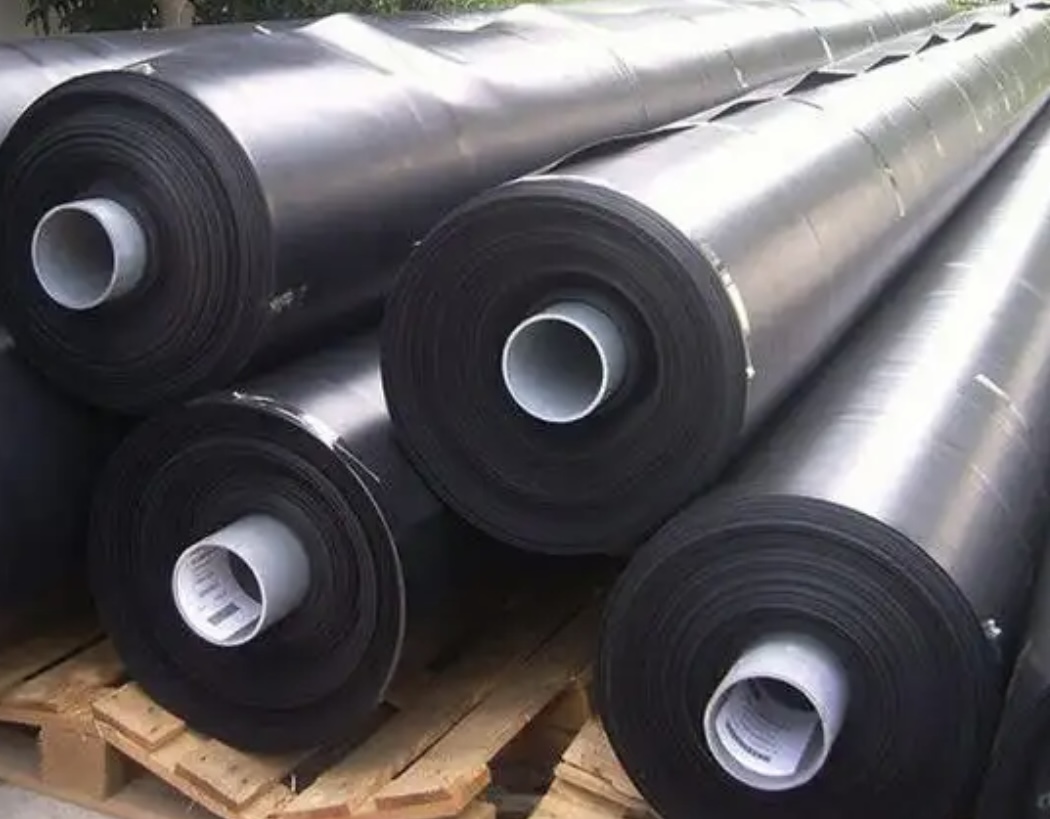
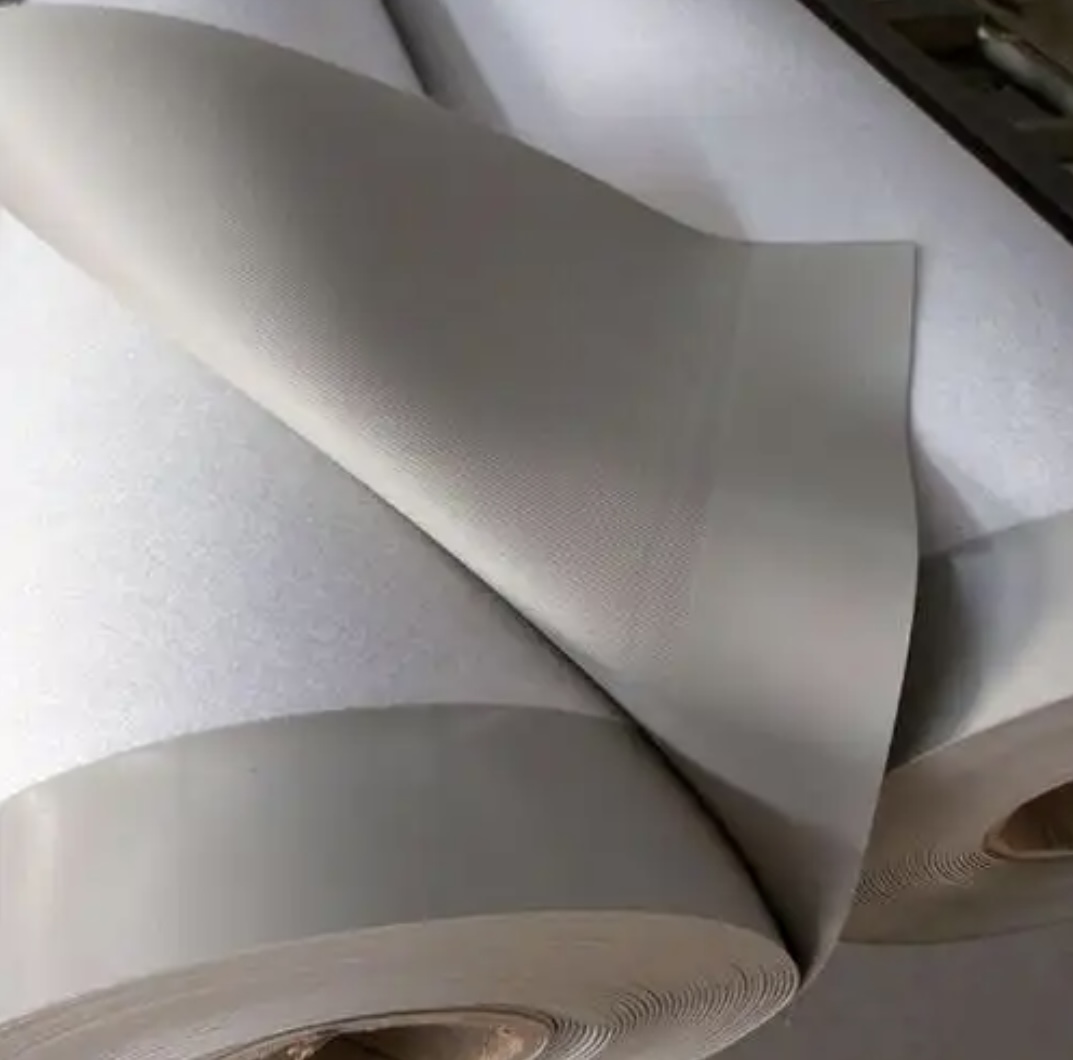
HDPE geomembrane is a purpose-built anti-seepage material designed specifically for demanding geotechnical and environmental projects. Produced from pure high-density polyethylene resin through high-temperature extrusion and calendering, this sturdy thermoplastic membrane features a dense, non-porous structure. It delivers excellent waterproofing performance, strong chemical inertness and reliable deformation resistance, making HDPE Geomembrane the most widely adopted anti-seepage solution for environmental protection, water conservancy, mining and industrial infrastructure worldwide.
Unlike PVC and TPO membranes engineered for building roof waterproofing, HDPE geomembrane prioritizes long-term buried stability and chemical durability. Manufactured with virgin PE materials and precision-formulated functional additives, it avoids recycled impurities and structural pores. The membrane is typically installed via loose laying, mechanical anchoring and hot-melt welding, rather than full bonding. This unique installation method allows it to adapt perfectly to large-area foundations, uneven soil settlement and harsh corrosive conditions.
1. Key Performance Features
Superior Anti-Seepage Performance
Featuring a tight molecular structure with extremely low water permeability, HDPE geomembrane effectively blocks the infiltration of groundwater, sewage, landfill leachate and surface water. Without capillary gaps inside the material, it maintains stable anti-seepage performance throughout decades of service. It meets the high anti-seepage standards required for landfills and sewage tanks, effectively preventing underground water penetration and secondary foundation pollution.
Strong Resistance to Chemical Corrosion
HDPE material remains chemically inert against most acidic, alkaline and saline substances. It withstands long-term exposure to industrial wastewater, oil stains, sludge and various soil chemical components. In highly corrosive working environments such as chemical yards, tailings ponds and waste landfills, the membrane will not soften, chalk, crack or degrade over time. It greatly reduces the risk of project failure and avoids repeated maintenance and reconstruction.
Excellent Tensile Strength & Settlement Adaptability
With high tensile strength and outstanding elongation capacity, the membrane flexibly adapts to subtle foundation displacement, soil settlement and structural deformation. It stretches freely without tearing or breaking under uneven soil extrusion and dynamic ground changes. This makes it ideal for large outdoor geotechnical projects where substrate conditions are unstable and continuous ground movement occurs.
Long-Term Aging & Weather Stability
Blended with premium anti-UV and antioxidant additives, HDPE geomembrane resists sunlight aging, temperature cycling and wind and rain erosion. It prevents embrittlement, discoloration and cracking in exposed conditions and resists oxidative degradation when buried underground. Properly installed buried membranes can remain intact for more than 50 years, while exposed applications maintain reliable performance for decades.
Reliable Puncture & Impact Resistance
The high-density compact structure delivers excellent toughness and mechanical resistance. It effectively withstands punctures, cuts and friction damage caused by gravel, slag, sharp soil particles and plant roots during backfilling, mechanical compaction and long-term site operation. It provides durable anti-seepage integrity even in rough construction environments.
Stable Low-Temperature Performance
Optimized formula design ensures good low-temperature flexibility. The membrane remains flexible and crack-free under low-temperature bending conditions, adapting to construction and long-term operation in cold regions. It maintains consistent mechanical performance and anti-seepage integrity across diverse global climate zones.
2. Product Comparison: HDPE Geomembrane vs. PVC & TPO Membranes
HDPE vs. PVC Membrane: PVC waterproof membranes are designed mainly for building roofs and indoor basement bonded waterproofing. They perform well in conventional building scenarios but lack resistance to chemical corrosion and soil settlement. HDPE geomembrane is purpose-built for buried geotechnical works, offering far stronger anti-corrosion, anti-puncture and anti-settlement performance for landfills, tailings ponds and sewage facilities.
HDPE vs. TPO Membrane: TPO membranes focus on exposed roof weatherproofing for steel structures and commercial buildings. They rely on mechanical fixing and surface welding for building waterproofing. HDPE geomembrane features higher anti-seepage grades and buried durability, specialized for heavy-duty environmental, mining, chemical and water conservancy anti-seepage projects.
3. Common Application Scenarios
Environmental Protection Projects: Anti-seepage lining for municipal landfills, incinerator ash storage yards, hazardous waste sites and mine tailings ponds.
Sewage Treatment Facilities: Full lining protection for regulating tanks, sedimentation tanks, biochemical reaction tanks, sludge storage tanks and sewage plant zones.
Water Conservancy & Landscape Works: Seepage prevention for artificial lakes, river renovation, reservoir slope protection, farmland ponds and ecological wetland projects.
Chemical & Industrial Zones: Anti-pollution lining for chemical storage yards, salt fields, pickling tanks and industrial liquid storage areas.
Municipal Infrastructure: Anti-seepage treatment for tunnels, road foundations, underground garages and waste transfer stations.
4. Engineering Selection & Construction Guidelines
Different project types require targeted thickness specifications. We recommend 1.5–2.0 mm membranes for conventional landscape ponds and municipal anti-seepage works. For sewage treatment plants and general industrial waste projects, 2.0–2.5 mm is the ideal choice. For high-risk scenarios including tailings ponds and hazardous waste yards, 2.5–3.0 mm high-strength HDPE geomembrane is strongly recommended.
Standard construction procedures include base leveling, foundation compaction, cushion laying, loose membrane placement and dual-track hot-melt welding. The construction base must be smooth and free of sharp hard objects. A reasonable relaxation margin is reserved during laying to accommodate later ground settlement. All overlapping seams maintain a minimum width of 100 mm, with full continuous welding and strict air pressure testing to guarantee zero leakage.
Special reinforcement welding is required for corners, pipe penetrations and structural joints. Full-process finished product protection is essential to avoid mechanical damage, scratching and punctures during construction.
5. Global Supply & OEM Advantages
We are a professional HDPE geomembrane manufacturer with complete size specifications in stock, covering 1.0 mm to 3.0 mm thicknesses for fast global delivery. We offer customized widths, colors, formula adjustments and full OEM services. We can tailor material formulas to adapt to extreme high-temperature, freezing, high-salinity and heavily corrosive regional environments.
All products comply with mainstream international geotechnical standards, with complete export certification and test reports to ensure smooth customs clearance. We provide professional project selection support, construction technical guidance and customized anti-seepage solutions for large-scale global water conservancy, environmental, mining and industrial projects.
In short, HDPE geomembrane delivers outstanding anti-seepage capability, excellent chemical and mechanical resistance, and long-term buried stability. It solves the common pain points of leakage, corrosion and structural deformation that plague traditional waterproof materials in complex geotechnical environments.If you need bulk pricing, professional project matching or customized anti-seepage system solutions, feel free to get in touch with our team anytime.