What Is the Typical Thickness of a Geomembrane Liner?
Your liner design looks solid on paper. Then a site inspector asks about thickness, and you realize one number will not protect the whole site.
Geomembrane liner thickness usually ranges from 30 to 100 mils, depending on the application. Landfill liners commonly use 60-mil HDPE, while ponds and containment projects may need less. The right thickness depends on site stress, chemical exposure, and installation method, not a single fixed rule.
I have reviewed many liner specifications over the years. Buyers often ask for one simple number. But the right answer changes with the site, the waste type, and the installation plan. A pond liner faces different stress than a landfill base liner under 200 feet of waste. This article breaks down the two questions I hear most about liner material and thickness. Stay with me, because picking the wrong liner can cost far more than the material itself, once you count repairs, leaks, and regulatory penalties.
What Are the Key Differences Between GCL and HDPE Liners?
Buyers often treat GCL and HDPE as competing products. In practice, each one solves a different containment problem.
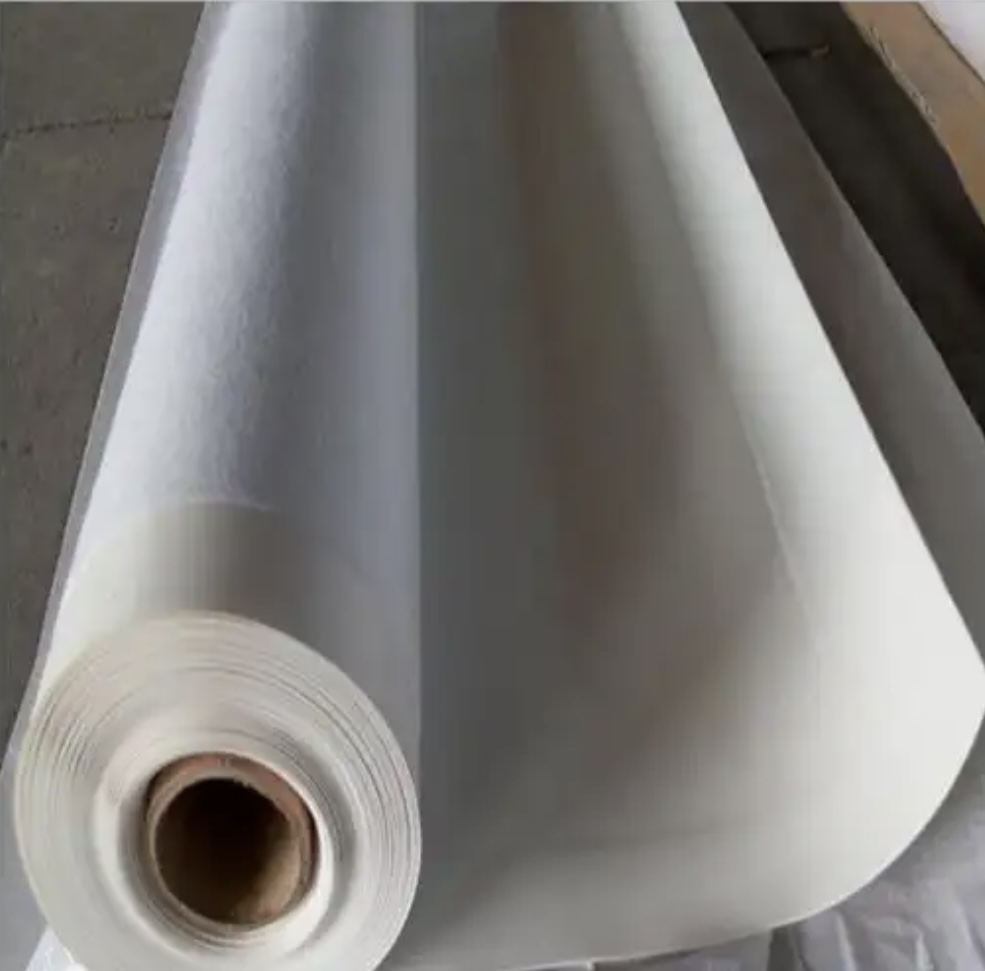
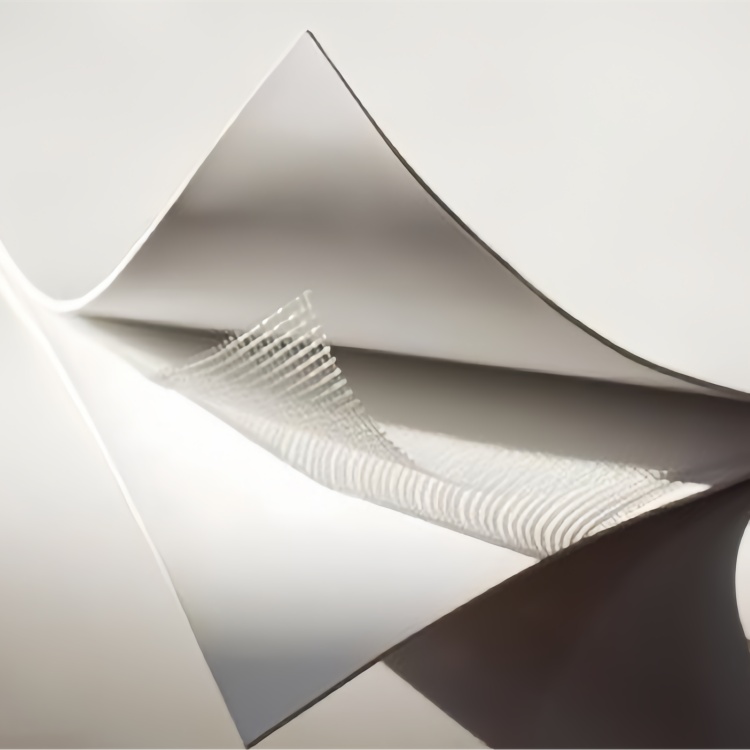
GCL uses bentonite clay between two geotextile layers. It swells when wet and self-heals small punctures. HDPE is a solid polymer sheet with strong chemical resistance and very low permeability. Many containment systems use both materials together rather than choosing one over the other.
How each material behaves on site
I do not pick a liner material only from a data sheet. I look at how each one behaves during installation and over time. GCL relies on sodium bentonite clay. This clay swells when it meets water, and it can seal small punctures on its own. Installation is simple, and it needs less specialized labor.
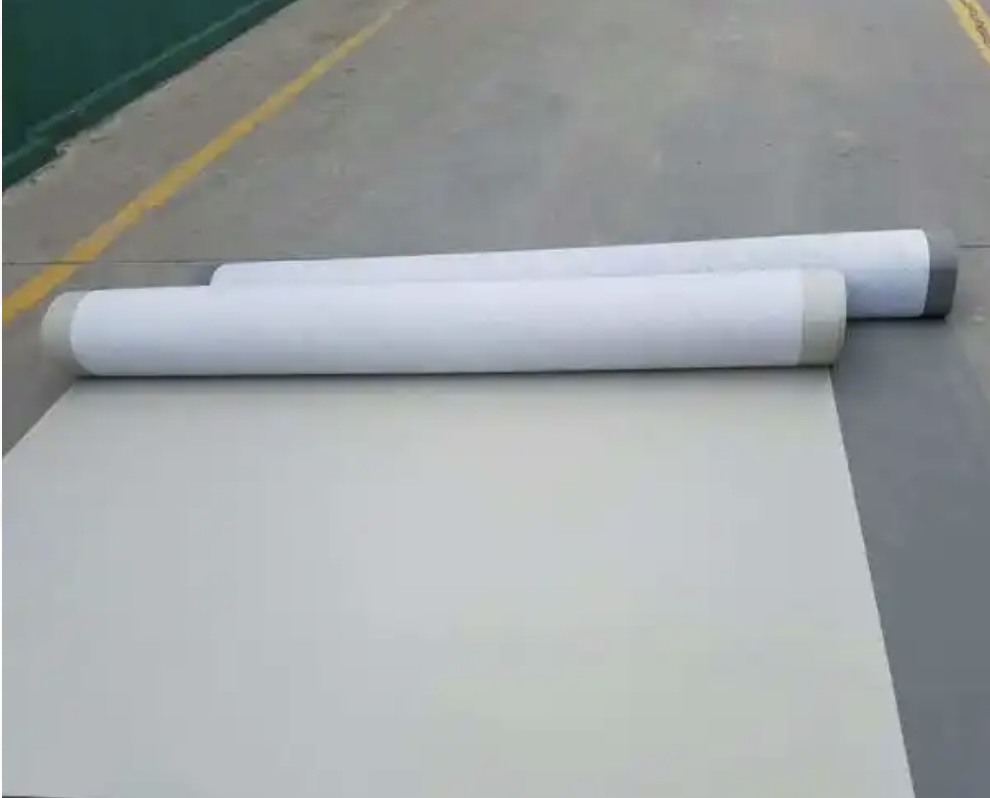
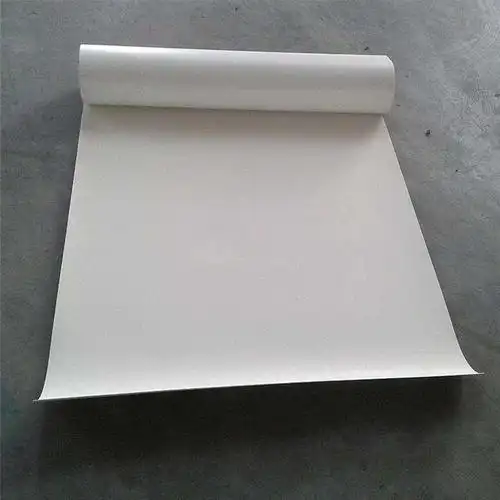
HDPE geomembrane works differently. It forms a continuous polymer sheet, welded at every seam. This gives strong resistance to chemicals and very low permeability. But damage to an HDPE sheet does not heal itself, so weld quality and installation care matter more.
Temperature and site geometry also change how each material performs. GCL stays consistent across cold and humid conditions because its clay barrier does not depend on welding. HDPE performs well in a wide range of temperatures too, but seams need proper heat conditions during installation, so cold weather can slow a project down. On complex geometries, such as pipe penetrations or irregular corners, GCL often fits more easily than a welded sheet.
|
Factor |
GCL |
HDPE Geomembrane |
|
Barrier type |
Bentonite clay, mineral-based |
Solid polymer sheet |
|
Self-healing |
Yes, swells to seal small holes |
No, needs proper welding |
|
Chemical resistance |
Moderate |
Strong |
|
Installation |
Simpler, less labor |
Needs skilled welding crews |
I often see project teams combine both materials on complex sites. Field data shared through resources like Xiaolong often show that composite systems using GCL and HDPE together perform better than either material alone on steep slopes or around penetrations.
Cost also plays into this decision. GCL panels arrive in rolls that unfold quickly, and crews need less training to place them correctly. HDPE demands trained welders and careful seam testing, which raises labor cost on tight schedules. On the other hand, HDPE gives a longer track record in aggressive chemical environments, since it does not depend on clay chemistry staying stable over decades. I usually tell buyers to think of GCL and HDPE as two tools in the same toolbox, not as rivals fighting for the same job.

Which Material Is Best as a Liner for Landfill?
Landfill teams often ask for the “best” liner. That question misses how a real containment system actually works.
For most landfill base liners, HDPE geomembrane at 60 mils or thicker is the standard choice. Some designs pair HDPE with a GCL layer for extra sealing. The best material depends on waste type, leachate chemistry, and slope conditions.
Matching the liner to the containment system
Landfill design rarely relies on one single liner layer. Most systems use a composite design. A primary HDPE geomembrane provides the main chemical barrier. A GCL or compacted clay layer often sits underneath for extra protection. Regulators in the United States generally reference a minimum 60-mil HDPE thickness for landfill base liners, though European practice often runs thicker.
Leachate chemistry changes this calculation. Aggressive chemical exposure calls for thicker HDPE and careful seam testing. Steep side slopes change it too. A GCL is easier to fit around slopes and penetrations than a rigid clay layer. A thinner HDPE liner on a well-protected subgrade can outperform a thicker liner installed poorly.
Subgrade preparation deserves its own attention. A smooth, well-compacted subgrade reduces the chance of stress points under the liner. Sharp stones, uneven fill, or poor drainage can create weak spots no matter how thick the HDPE sheet is. I have visited sites where the liner spec looked strong on paper, but the crew rushed subgrade prep, and early stress cracks appeared within the first year. A good liner design always starts below the membrane, not just at the material choice itself.I have seen 100-mil liners fail from bad welds, and 60-mil liners hold up for decades under good installation practice. This matches a long-standing debate in the field over how engineers approach liner thickness calculations versus simply defaulting to a standard number. Thickness alone rarely tells the full story. The subgrade, the slope, the waste stream, and the installation crew all shape how a liner performs over its service life.
Cover systems add one more layer to this decision. A landfill cap often uses a thinner HDPE or LLDPE sheet than the base liner, since it manages rainwater rather than active leachate pressure. Buyers sometimes assume the same thickness rule applies everywhere on a site, but base liners, side slopes, and caps each carry different loads. I always ask which part of the containment system a liner will serve before I recommend a thickness or a material.
Conclusion
Liner thickness and material choice depend on site stress, chemistry, and installation quality, not a single fixed spec.

References
1. Geosynthetic Institute (GRI). GRI Test Method GM13: Standard Specification for High Density Polyethylene (HDPE) Geomembranes.
2. CETCO (Minerals Technologies Inc.). Geosynthetic Clay Liners.
3. AGRU America. Smooth Liner HDPE and LLDPE Geomembrane.
4. NAUE GmbH & Co. KG. Geosynthetic Barriers: Geomembranes and GCLs.
5. New York State Department of Environmental Conservation. Landfill Liner and Cover Systems: The Geomembrane.
6. Geosynthetics Magazine, GMA Techline. Liner Thickness.