Is PVC Membrane the Same as TPO Membrane?
Many buyers think PVC and TPO roofing membranes are almost the same because both are thermoplastic materials. Choosing the wrong membrane can create installation problems and long-term waterproofing costs.
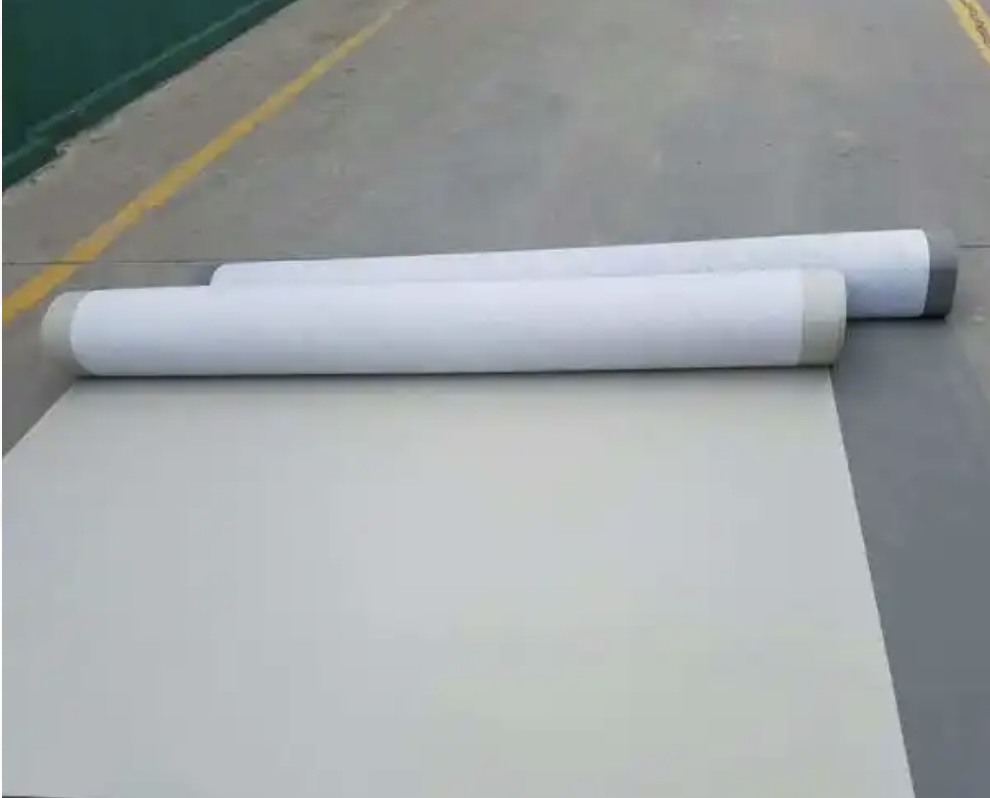
PVC membrane is not the same as TPO membrane. Both are thermoplastic single-ply roofing membranes, but they have different polymer compositions and performance characteristics. PVC is based on polyvinyl chloride, while TPO is based on thermoplastic polyolefin. They are also covered by different ASTM product standards.
When I help customers choose roofing membranes, I do not compare only thickness, tensile strength, or price. I first look at the roof structure, climate, chemical exposure, installation method, reinforcement, and expected service life. These factors help me decide whether a specific PVC or TPO product is suitable for the project.
Is PVC Membrane the Same as TPO Roofing Material?
The answer is no. PVC and TPO are two different thermoplastic roofing membrane systems. They can be used for similar roofing applications, but they are not the same material.
I often see buyers compare PVC and TPO as if they were two versions of the same product. I do not think this is a useful way to select a roofing membrane. The main difference starts with polymer chemistry. PVC uses polyvinyl chloride resin as its primary polymer. TPO uses thermoplastic polyolefin as its principal polymer.
The ASTM D4434/D4434M Standard Specification for Poly(Vinyl Chloride) Sheet Roofing defines PVC roofing sheets as flexible sheets made from polyvinyl chloride resin and intended for use in single-ply roofing membranes exposed to weather. The standard also requires reinforcing fibers or reinforcing fabrics. This shows that PVC is a specific material system rather than a general name for all thermoplastic roofing membranes.
TPO has a separate standard. The ASTM D6878/D6878M Standard Specification for Thermoplastic Polyolefin-Based Sheet Roofing defines TPO roofing sheets as flexible sheets that use thermoplastic polyolefin as the principal polymer. The standard also covers reinforced TPO sheets intended for weather-exposed single-ply roofing applications.
Both membranes can use heat welding. This is one reason buyers sometimes think they are interchangeable. In reality, heat-weldability is a shared feature of thermoplastic membranes. It does not mean that the underlying materials have the same chemical or physical properties.
The National Research Council of Canada study on TPO roofing membranes also explains that thermoplastic membranes such as PVC and TPO share characteristics such as heat weldability while having different chemical, physical, and mechanical properties.
For me, this is the first point I explain to customers. PVC and TPO may solve a similar roofing problem, but they should be evaluated as two different membrane systems.
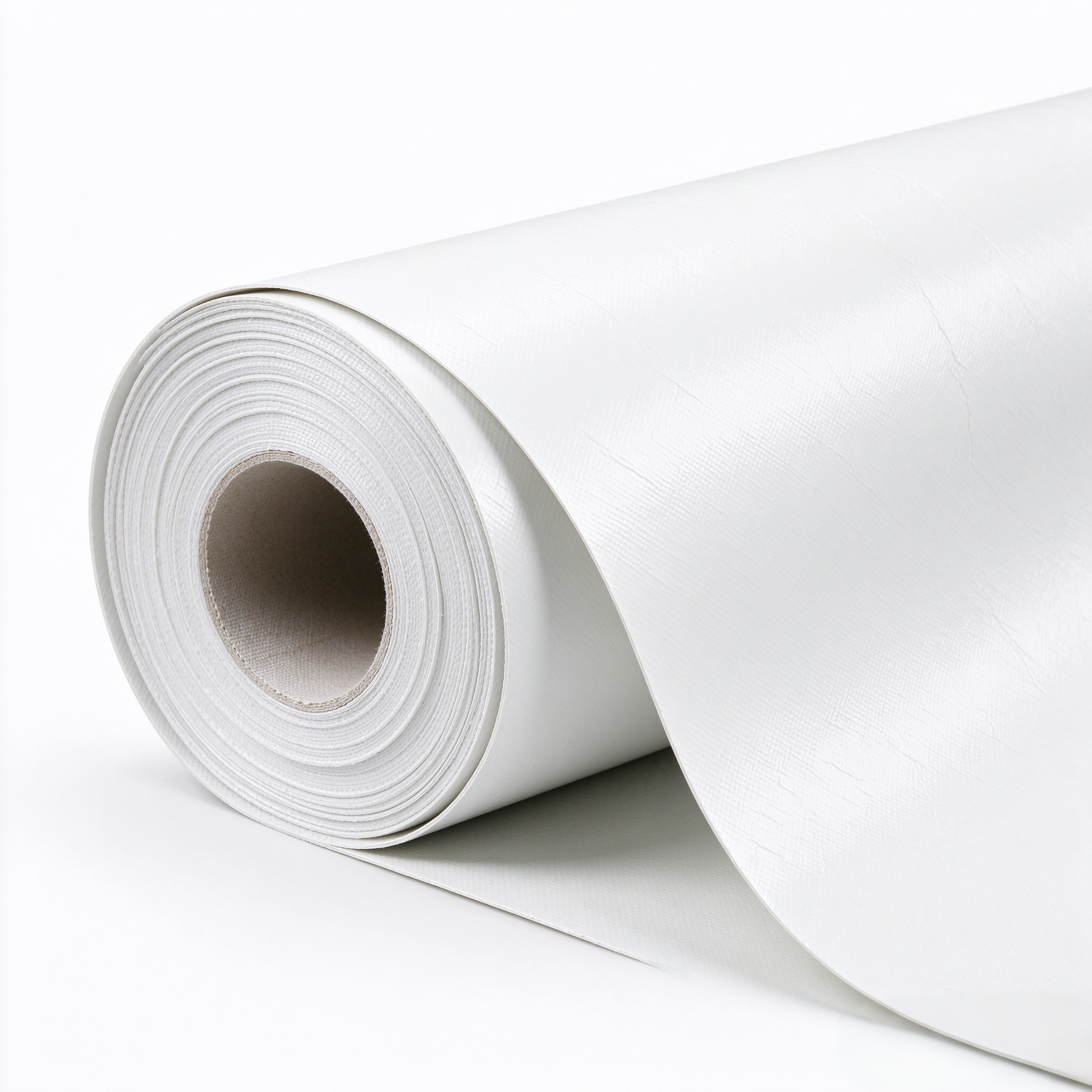
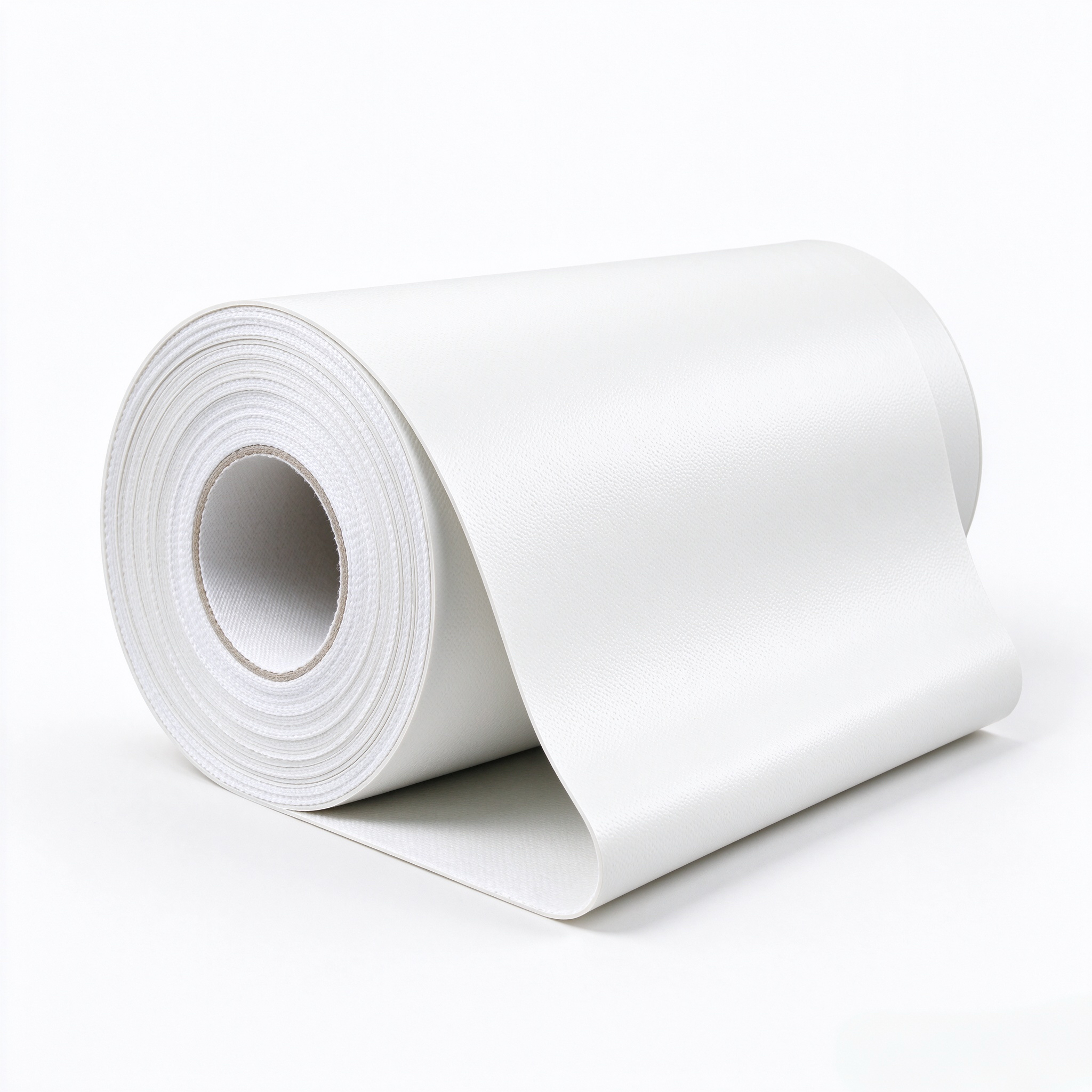
What Are the Key Differences Between PVC and TPO Roofing Membranes?
The main differences between PVC and TPO come from their polymer composition, formulation, reinforcement, physical properties, and resistance to different environmental conditions.
PVC is based on polyvinyl chloride. Flexible PVC roofing membranes normally require additives and plasticizers to achieve the flexibility needed for roofing applications. The exact formulation can vary between manufacturers and products.
TPO is based on thermoplastic polyolefin. The current ASTM TPO specification describes TPO sheets as being formulated from ethylene and higher alpha-olefin polymers, copolymers, and mixtures of these materials. The specification also requires reinforcement with fabric or scrim.
I normally compare the two materials using several practical factors:
| Performance Factor | PVC Membrane | TPO Membrane | What I Check |
|---|---|---|---|
| Main polymer | Polyvinyl chloride | Thermoplastic polyolefin | Product formulation |
| Reinforcement | Fiber or fabric reinforcement is common | Fabric or scrim reinforcement is common | Wind and dimensional requirements |
| Seam method | Hot-air welding is widely used | Hot-air welding is widely used | Welding quality |
| Tensile performance | Tested according to applicable standard | Tested according to applicable standard | Project requirements |
| Tear resistance | Tested according to applicable standard | Tested according to applicable standard | Mechanical exposure |
| Heat aging | Included in product evaluation | Included in product evaluation | Long-term heat exposure |
| Weather resistance | Evaluated through applicable tests | Evaluated through applicable tests | UV and climate |
| Chemical exposure | Depends on formulation | Depends on formulation | Industrial environment |
| Roof-system compatibility | Must be checked | Must be checked | Substrate and adjacent materials |
I use this table as a practical starting point. I do not use one property to decide which membrane is better.
The ASTM PVC roofing membrane specification includes tests for thickness, tensile strength, breaking strength, elongation, seam strength, heat aging, tear resistance, low-temperature bending, weathering, dimensional change, water absorption, and puncture resistance.
The ASTM TPO roofing membrane specification covers properties such as breaking strength, elongation, tearing strength, brittleness, ozone resistance, heat aging, dimensional change, water absorption, factory seam strength, and weather resistance.
This is why I do not recommend choosing a membrane based only on thickness. Two products may have similar thickness but different formulations and performance characteristics. I need to look at the complete technical datasheet and the actual project conditions.
Which Roofing Membrane, PVC or TPO, Offers Better Durability?
I do not say that PVC is always more durable than TPO, or that TPO is always more durable than PVC. I look at the specific membrane, installation quality, exposure conditions, and roof-system design.When I evaluate a roofing project, I first look at UV exposure, temperature changes, wind loads, substrate movement, chemical exposure, water drainage, and expected service life. These conditions can affect the long-term performance of either membrane.
The ASTM standards show why a broad durability statement is difficult. The PVC standard includes testing for heat aging, low-temperature bending, weathering, dimensional change, tear resistance, and puncture resistance. The TPO standard includes heat aging, weather resistance, brittleness, ozone resistance, dimensional change, and seam strength.I also pay close attention to the seams. A membrane can have strong laboratory properties, but poor field welding can still create a weak point in the roof system.
The NRCA publication on field testing single-ply roof seams explains that TPO, PVC, and KEE are thermoplastic roofing membranes. Their polymer chains can be reactivated with heat, which allows adjacent sheets to fuse during welding. When welding is performed correctly, the resulting bond can be very strong.
This matches what I focus on when I work with customers. I do not only ask what membrane they want to buy. I ask who will install it and how the seams will be welded and inspected.
I also consider long-term environmental exposure. A roof in a mild commercial environment may have different requirements from a roof on an industrial building with chemical exposure. A roof in a region with large temperature changes may also require a different evaluation.
The NRCA Roofing Manual: Membrane Roof Systems treats thermoplastic membrane roofing as part of a complete roof-system design. This is important because membrane durability cannot be separated completely from substrate, insulation, attachment, flashing, seams, drainage, and other system components.
For this reason, I avoid simple claims that one membrane will always last longer. I prefer to match the membrane with the conditions it will actually face.
How Do I Choose Between PVC and TPO for a Roofing Project?
I start with the project instead of starting with the material name.
For a commercial flat roof, I check the substrate, insulation system, attachment method, wind requirements, drainage, membrane reinforcement, and expected service life. I also check the local climate and the amount of UV exposure.
If the building is an industrial facility, I pay more attention to chemical exposure. If the roof has strong temperature changes, I look carefully at dimensional stability and the manufacturer's technical data. If the project has demanding wind requirements, I check the complete roof assembly rather than looking only at the membrane's tensile strength.
I also check the applicable product standard. The ASTM PVC standard and the ASTM TPO standard provide material-level requirements, but ASTM also makes clear that some roof-system factors are outside the scope of the material specification. These factors include fire resistance, material compatibility, wind uplift resistance, and other in-place design requirements.This point is very important in real projects. A membrane can meet its material standard and still be unsuitable for a particular roof system if the complete assembly has not been properly designed.
I also consider total project cost. I do not look only at the initial membrane price. I consider material handling, installation labor, welding efficiency, maintenance, repairs, and expected service life.A low initial price may look attractive, but it does not tell me the full lifecycle cost. At the same time, I do not automatically recommend a more expensive membrane. I want the selected product to match the actual project requirements.
My rule is simple. I compare the roof location, substrate, climate, chemical exposure, installation method, reinforcement, and expected service life before I make a recommendation.
Conclusion
PVC and TPO are not the same membrane. I select between them by matching material properties and roof-system requirements with the actual conditions of each project.
References
ASTM International. “D4434/D4434M Standard Specification for Poly(Vinyl Chloride) Sheet Roofing.”
ASTM International. “D6878/D6878M Standard Specification for Thermoplastic Polyolefin-Based Sheet Roofing.”
National Research Council of Canada. “Thermoplastic Polyolefin (TPO) Roofing Membranes: The North American Experience.”
National Roofing Contractors Association. “Field Testing Single-Ply Roof Seams.”
National Roofing Contractors Association. “The NRCA Roofing Manual: Membrane Roof Systems—2026 Interim Update.”