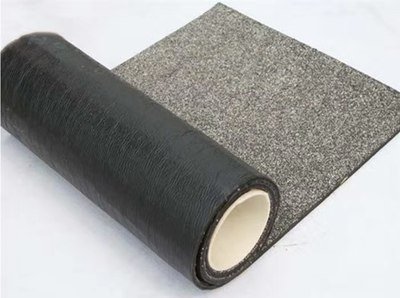
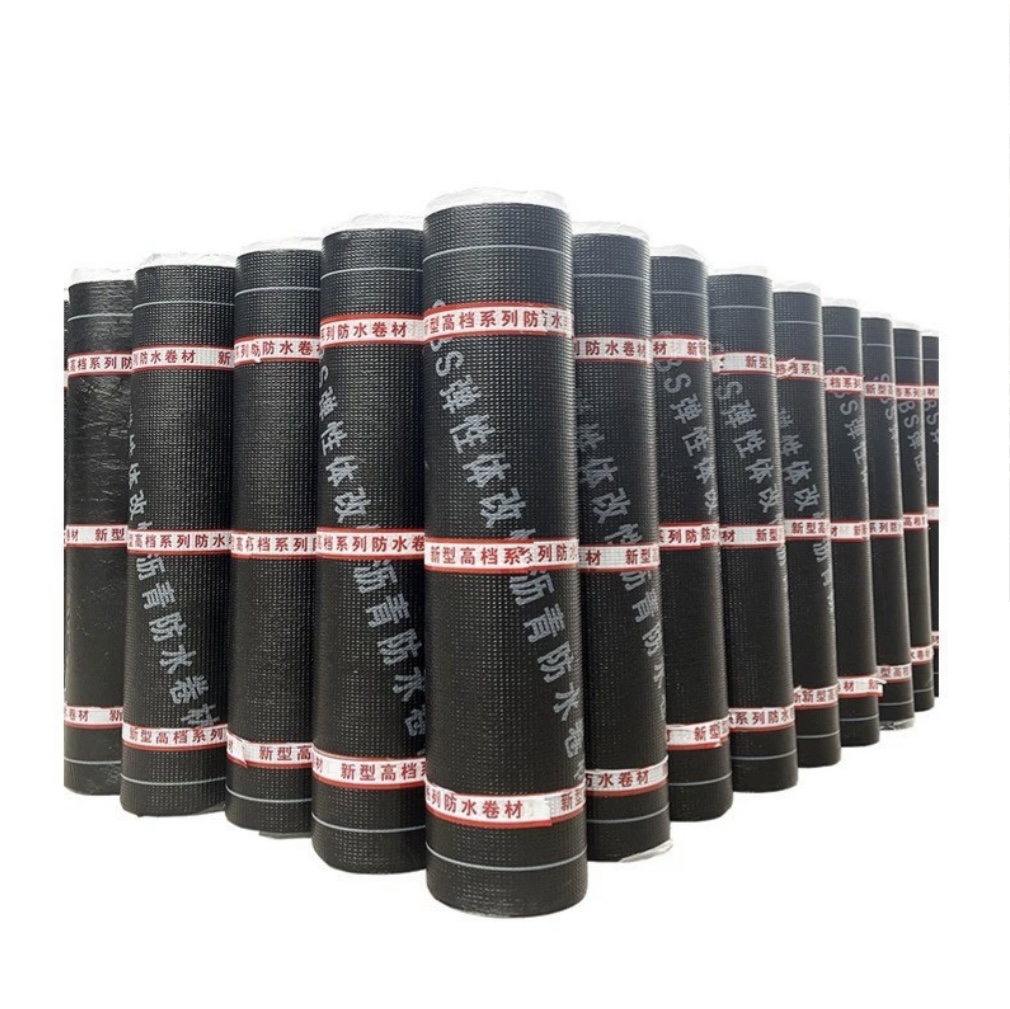
SBS Modified Bitumen Membrane | Polyester/Fiberglass Reinforced & Self-Adhesive for Roofing
1. Product Overview
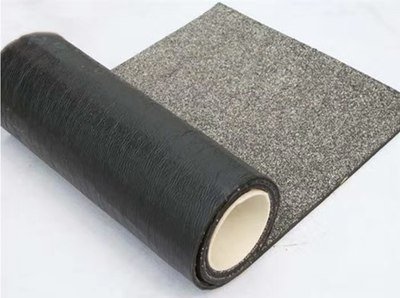
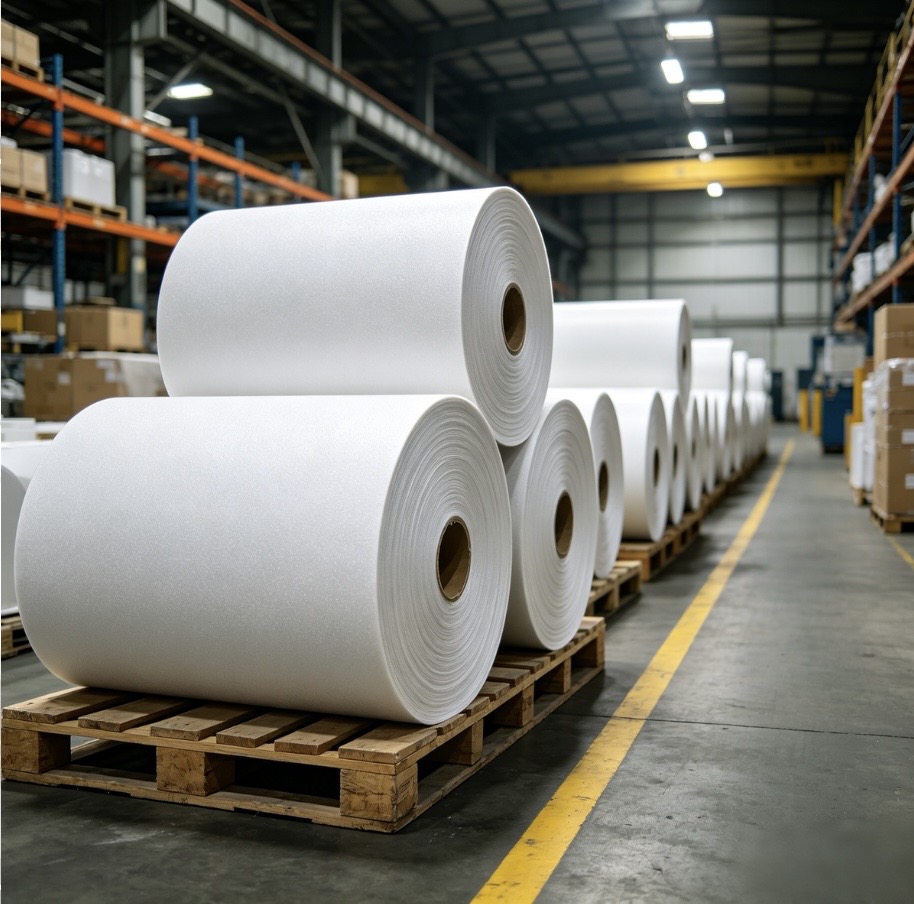
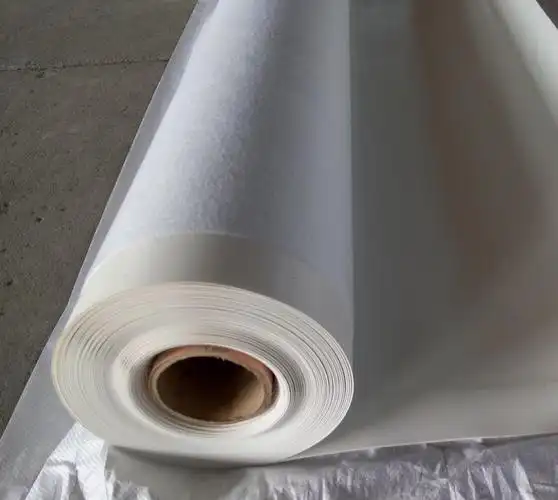
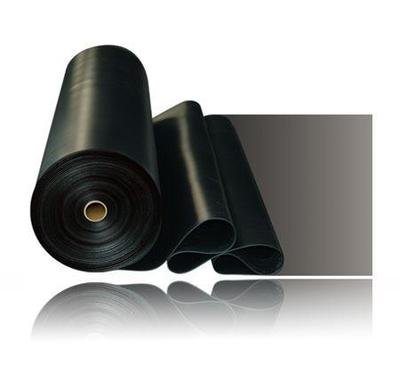
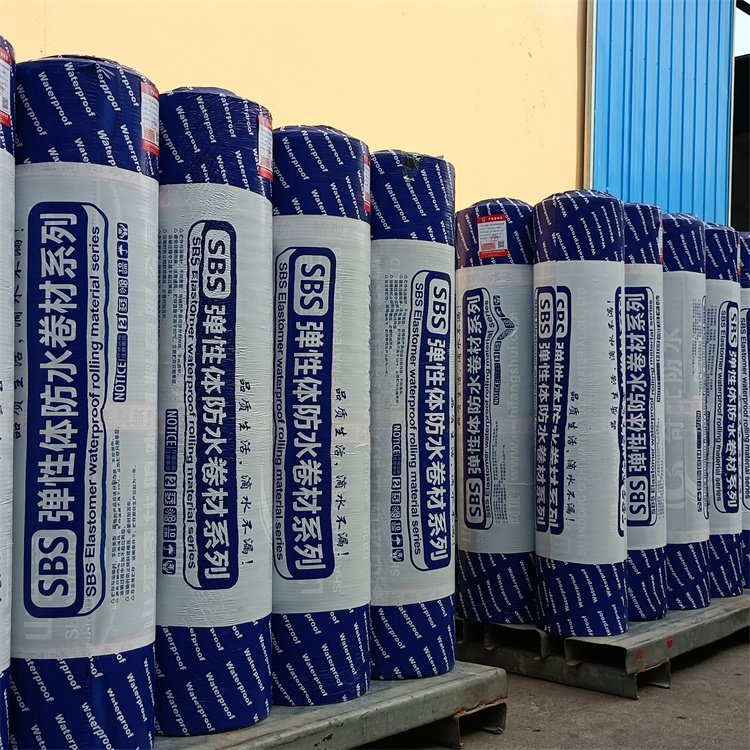
Manufactured in accordance with GB 18242-2008 standard with complete third-party test reports available, SBS modified bitumen waterproof membrane is produced from refined base asphalt blended with SBS thermoplastic elastomers, compounded with high-strength carrier substrate and special surface isolation materials. SBS modification effectively overcomes the inherent defects of conventional asphalt, including high-temperature flowing deformation and low-temperature brittle cracking. Available in Type I and Type II grades with differentiated aging resistance to suit various project specifications, this membrane delivers stable waterproof performance, excellent crack adaptability and strong temperature fluctuation resistance. It is widely applied in building roofs, basements, indoor wet areas and municipal waterproofing projects with mature and reliable construction adaptability, serving as a cost-effective conventional waterproof solution complementing high-performance Reinforced TPO and Reinforced PVC membrane systems.
2. Product Classification
Polyester (PY) Base SBS Membrane
Reinforced with high-tenacity polyester mat, this grade features outstanding tensile strength, tear resistance and puncture resistance.
Core Features: Excellent ductility and deformation compliance, capable of adapting to minor foundation settlement and substrate micro-cracking without rupture, achieving balanced and comprehensive mechanical performance.
Application: Main waterproof layer for building roofs, basement slabs, side walls and large-scale structures with potential subtle deformation.
Fiberglass (G) Base SBS Membrane
Adopting high-stability fiberglass carrier, the membrane maintains stable dimensional performance without thermal shrinkage or creep deformation under high-temperature conditions.
Core Features: Flat finished surface, superior heat resistance and cost-effective performance with stable structural stability.
Application: Roof protective layer, fixed non-deformable substrates and secondary waterproofing for auxiliary buildings.
Self-adhesive SBS Bitumen Membrane
Available in bare base and composite base types, this membrane is equipped with surface release film and pressure-sensitive self-adhesive bitumen at the bottom, supporting cold construction without open flame or primer coating.
Core Features: Fire-free construction ensures higher site safety; tight overall bonding and inherent self-healing performance automatically seal tiny pinhole leaks.
Application: Fire-restricted areas, indoor waterproofing, old roof renovation, thin-wall structures and complex detailed node flashing.
3. Standard Specifications & Technical Parameters
Execution Standard: GB 18242-2008, full test reports provided
Available Thickness: 3mm, 4mm (standard engineering); 2.0mm / 2.5mm customizable
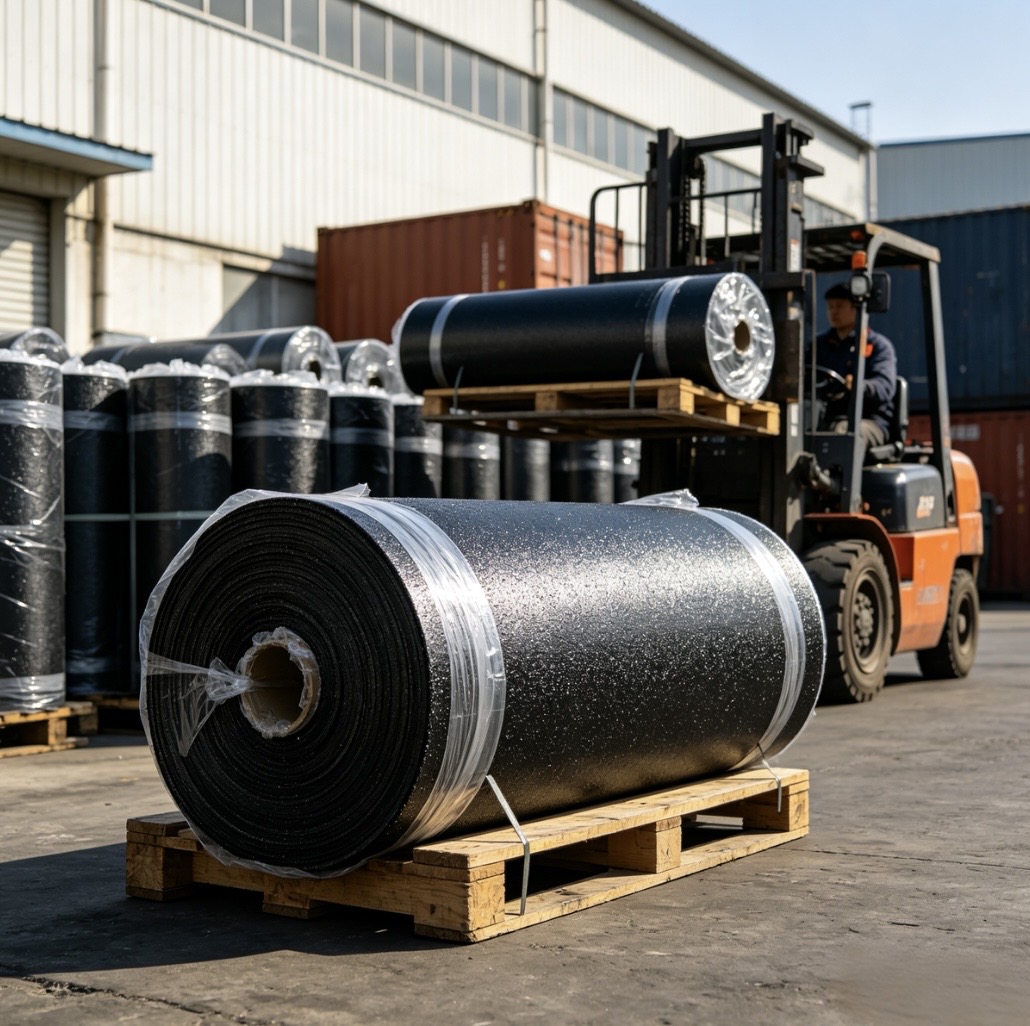
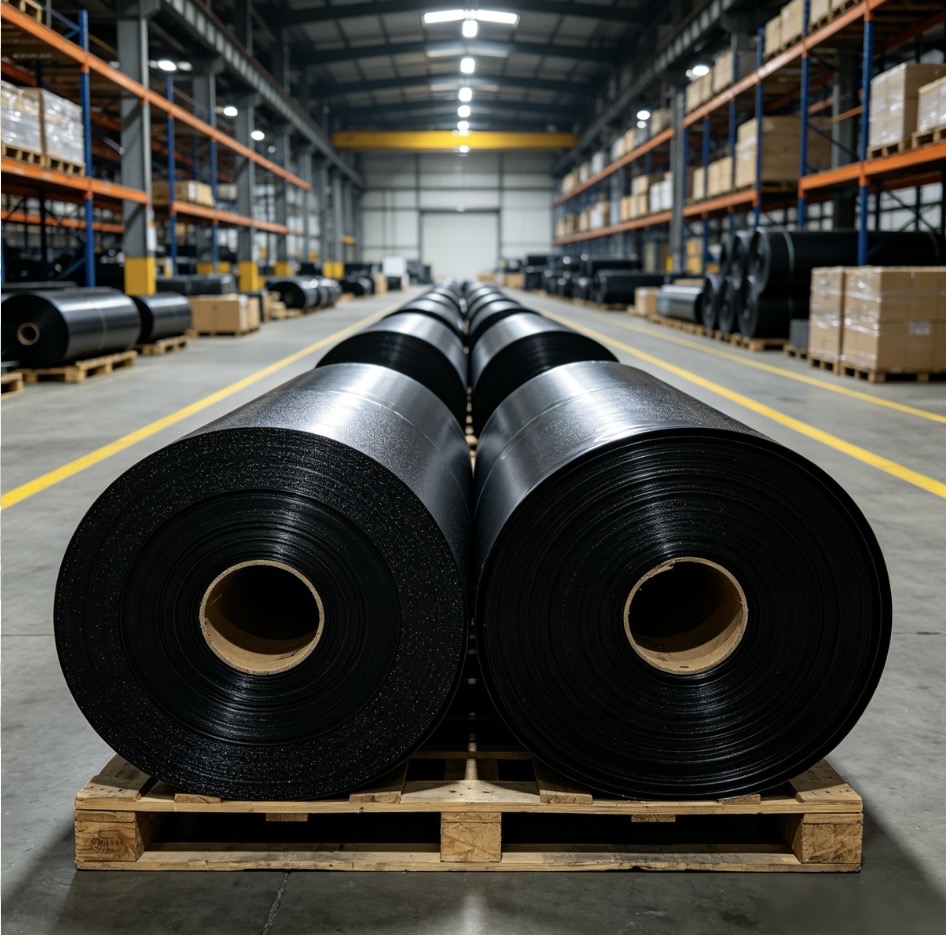
Roll Size: Width 1m; Length 10m / 15m / 20m
Base Type: Polyester (PY), Fiberglass (G)
Surface Finish: Mineral slate, fine sand, PE film optional
Heat Resistance: No flow, sliding or dripping at 90℃
Low-temperature Flexibility: Crack-free at -20℃ / -25℃ (by grade)
Water Impermeability: Zero leakage under 0.3MPa for 30 minutes
Product Grade: Type I, Type II (Type II with upgraded low-temperature flexibility and outdoor weather resistance)
4. Core Product Advantages
Optimized Temperature Adaptability via SBS Modification
SBS elastomer significantly improves asphalt’s temperature stability. The membrane resists sagging and flowing under high heat and maintains flexibility without brittle cracking at low temperatures, adapting to extreme temperature differences and all-climate construction.
Excellent Substrate Crack Resistance
Polyester-based membrane features superior stretching performance, which effectively follows minor foundation settlement and substrate micro-deformation, avoiding membrane rupture and ensuring long-term integrity of the overall waterproof system.
Integrated Seamless Waterproof Structure
Hot-melt welding fuses membrane laps and base layers into an integral closed structure. Firm seamless bonding eliminates hollowing, blistering and hidden water channeling risks for reliable waterproof tightness.
Superior Outdoor Aging Resistance & Long Service Life
Compact modified bitumen structure resists UV radiation, rain erosion and repeated dry-wet cycles. It delivers stable performance for more than 15 years under standard buried or exposed working environments.
Reliable Chemical & Moisture Corrosion Resistance
The material features stable chemical inertness against acid, alkali and soil corrosion. It performs steadily in humid underground environments, effectively adapting to basement and underground anti-seepage projects.
Dual Construction Modes for Wide Site Compatibility
Supports traditional open-flame hot-melt construction and cold self-adhesive installation. It matches various base conditions and site restrictions, covering diverse civil and industrial waterproof scenarios.
Inherent Self-healing Performance
Modified bitumen retains natural plasticity, which automatically seals tiny pinholes and micro cracks caused by construction or later settlement, reducing hidden leakage risks and improving project durability.
5. Application Scenarios
Building Roof Waterproofing: New flat and sloped roofs for industrial and residential buildings, as well as renovation of aged leaking roofs.
Underground Engineering: Anti-seepage and moisture-proofing for basement slabs, side walls, underground garages and civil air defense structures.
Municipal Infrastructure: Waterproof treatment for bridge decks, tunnels and utility trenches.
Old Building Renovation: Leakage repair and membrane replacement for existing aged roof systems.
Indoor Wet Areas: Damp-proofing for kitchens, bathrooms, balconies, pump houses and podium auxiliary spaces.
Deformation-prone Projects: Waterproofing for structures with large temperature variation and frequent foundation settlement.
6. Standard Construction Guidelines
Two mature installation methods are available: open-flame hot melting for conventional sites and cold self-adhesive laying for fire-prohibited areas.
Substrate Treatment
Keep the base firm, flat, dry and clean without dust, grease and sharp protrusions. Apply base primer evenly and ensure full drying before membrane laying to enhance adhesion performance.
Lap Specification
Reserve longitudinal lap width ≥80mm and transverse lap width ≥100mm. Stagger adjacent seams to avoid straight-through leakage paths.
Hot-melt Construction Standard
Control flame intensity to avoid scorching the membrane. Heat the bottom uniformly until bitumen fully exudes, then roll and compact immediately. A continuous 5–10mm bitumen bead along the lap edge indicates qualified welding.
Key Node Reinforcement
Pre-make fillet transition for internal and external corners, pipe roots and expansion joints. Lay reinforcement strips with width ≥250mm to strengthen weak waterproof nodes.
Finished Product Protection
Construct protective layers promptly after waterproofing completion. Lay mortar or mineral protective surfacing on exposed and walkable roofs to prevent mechanical damage during subsequent construction.
7.FAQ
Q1: What are the differences between polyester base and fiberglass base SBS membrane?
A1: Polyester base has strong stretch and tear resistance for deformed substrates. Fiberglass base features stable dimension and better heat resistance for fixed structures.
Q2: What is the advantage of self-adhesive type?
A2: It enables flame-free cold construction for fire-restricted areas. It also has self-healing ability to seal tiny pinholes and prevent leakage.
Q3: What temperature range can this membrane withstand?
A3: It resists deformation at 90℃ and stays crack-free down to -20℃ or -25℃, suitable for most regions with large temperature changes.
8. Product Summary
Compliant with GB 18242-2008 national standard, this SBS modified bitumen membrane series includes polyester base, fiberglass base and self-adhesive types to meet diversified building waterproof demands. Featuring balanced high and low temperature resistance, outstanding crack adaptability, aging stability and self-healing performance, it forms integral closed waterproof systems via hot-melt or cold-adhesive construction. As a cost-effective and reliable waterproof material, it is widely applicable to roof, basement, municipal and old building renovation projects.