
Waterproof Breathable Membrane for Building Envelope Protection
Product Overview
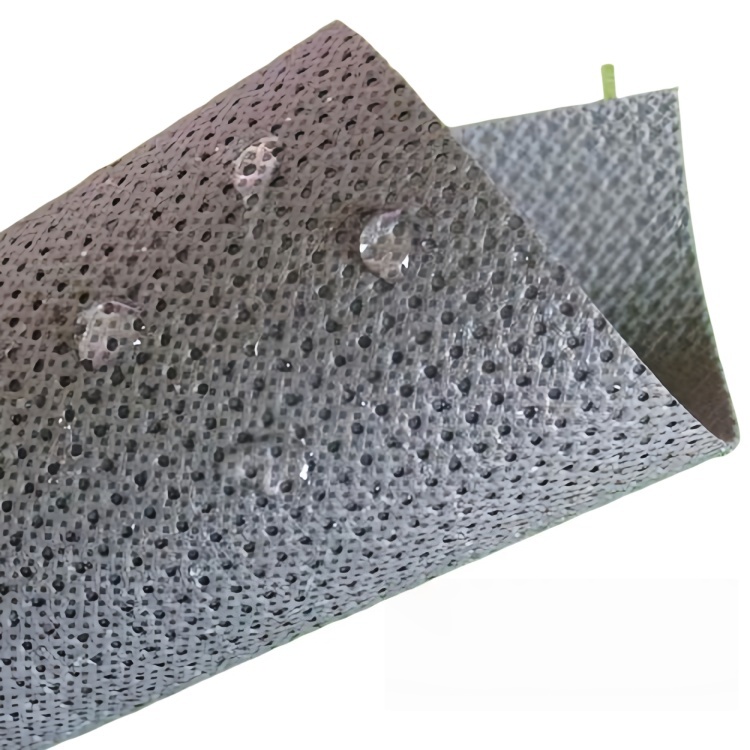
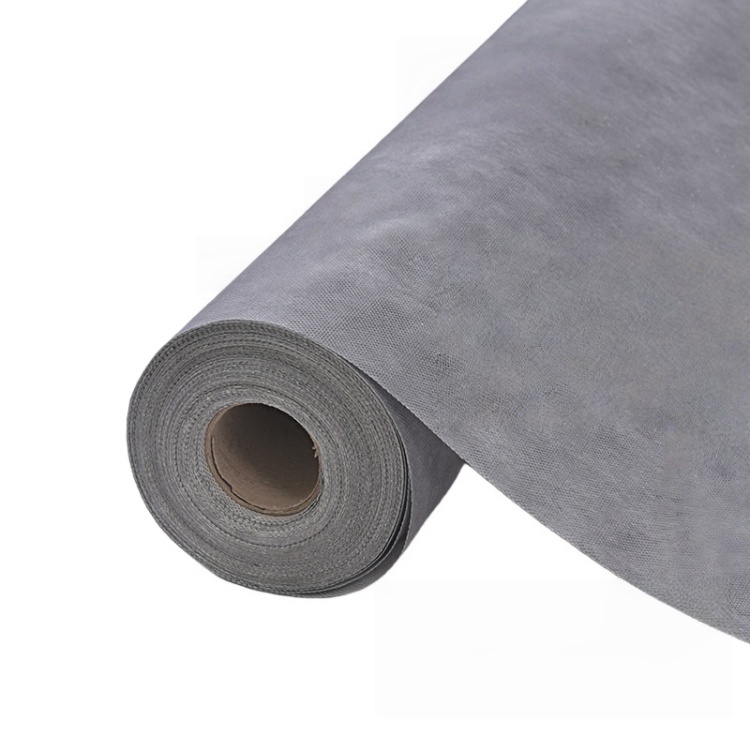
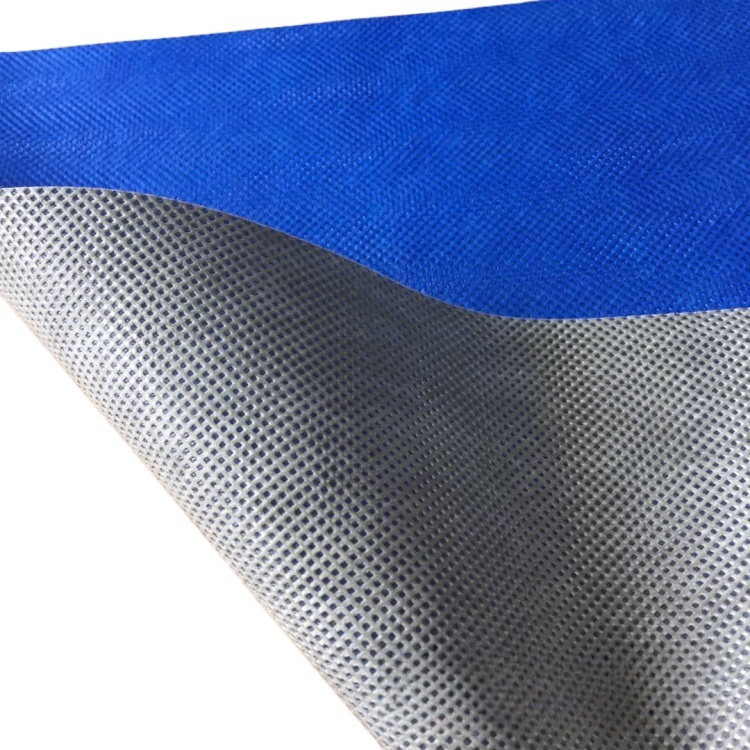
Waterproof breathable membrane, also known as breather membrane or vapor-permeable underlay, is a functional sheet material made from polymer films and nonwoven fabric layers. Typically constructed with PP spunbond nonwoven layers sandwiching a PE breathable film, the membrane features microporous structure that blocks liquid water penetration while allowing water vapor to pass through.
The product addresses the need for building envelope protection that balances waterproofing with vapor management. Installed over insulation layers in walls and roofs, it enhances air and water tightness while permitting structural moisture to escape, preventing condensation and mold growth.
Common applications include pitched roof underlayment, steel and timber frame wall cladding, curtain wall systems, and metal roofing.
Available in various grades with thicknesses from 0.3 mm to 0.5 mm, roll widths of 1.0 m to 2.0 m, and lengths up to 50 m. Custom sizes and surface colors subject to production feasibility. Our team reviews drawings solely to assess production feasibility and does not undertake engineering design or system selection.
Product Features
Waterproof and breathable
Microporous structure prevents liquid water ingress while allowing water vapor transmission.
Air and water tightness
Installed over building insulation, it improves building envelope airtightness and rainproof performance.
Moisture management
Allows trapped moisture in wall and roof assemblies to escape, reducing the risk of condensation, mold growth, and insulation performance degradation.
Lightweight and easy to install
Supplied in rolls for quick installation by stapling or taping. Lightweight construction reduces handling effort on site.
Surface and Color Options
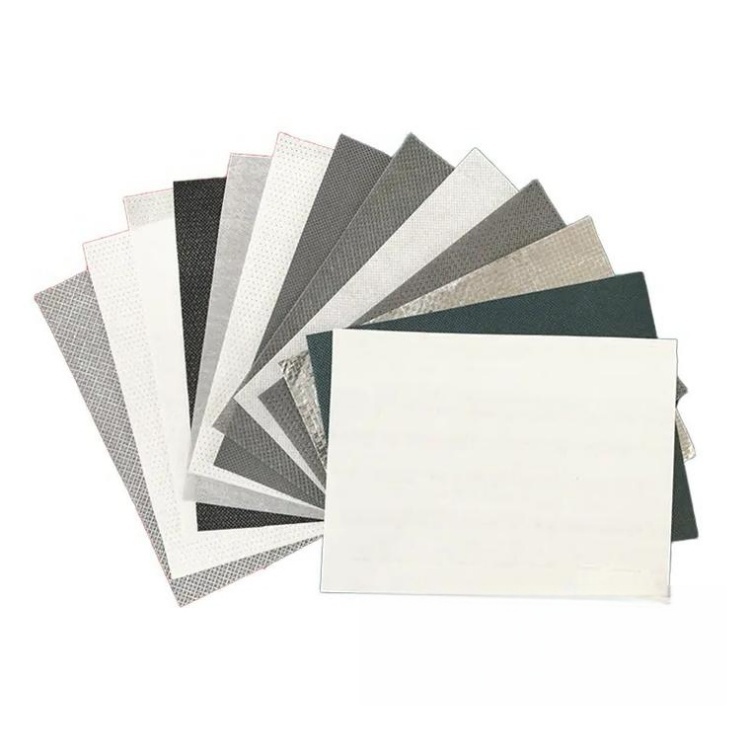
Waterproof breathable membrane is available in various surface finishes and colors. Available options include:
| Option Type | Description |
|---|---|
| Standard White | White nonwoven surface; reflects solar heat |
| Black | Black nonwoven surface for specific aesthetic requirements |
| Custom Color | Available subject to minimum order quantity and production feasibility |
Technical Specifications
The following table shows the available manufacturing range for waterproof breathable membrane. Final dimensions and packaging are confirmed according to order requirements and production feasibility.
| Parameter | Available Range |
|---|---|
| Thickness | 0.3 – 0.5 mm |
| Roll Width | 1.0 m / 1.5 m / 2.0 m (standard) |
| Roll Length | 20 m / 50 m (standard) |
| Structure | PP spunbond nonwoven + PE breathable film + PP spunbond nonwoven |
| Water Resistance | Up to 2000 mm water column (laboratory static water pressure test value) |
| Vapor Permeability | ≥ 1000 g/m²/24h (laboratory test value) |
| Temperature Range | –40°C to +100°C (laboratory test value) |
Applications
Waterproof breathable membrane is suitable for building envelope applications across the following areas:
Pitched Roof Systems
Tile and slate roof underlayment
Metal sheet roof underlay
Wall Cladding Systems
Steel and timber frame external walls
Curtain wall and rainscreen systems
Insulation Protection
External insulation weather protection
Thermal insulation moisture management
Specialty Applications
Cold storage and temperature-controlled buildings
Agricultural and livestock buildings
Customization and Packaging
Thickness, roll width, roll length, surface color, product labeling, and outer packaging are all configurable per order and finalized before production.
Each roll is protected with suitable wrapping according to its size. Container stowage plans are prepared per order to avoid transit damage and control freight costs.
MOQ: Quoted based on specifications and order volume
Sample availability: Material samples are available on customer's request
Production lead time: Determined by specifications and order size
Packaging: Protective wrapping / cardboard cores / palletized where required / final packaging arranged per order
OEM labeling: Offered upon request
FAQ
Q1. How does waterproof breathable membrane work?
Microporous structure blocks liquid water while allowing water vapor to escape, keeping insulation dry and building envelope protected.
Q2. What is the temperature range for the membrane?
–40°C to +100°C under laboratory conditions. Actual on-site performance depends on climate and installation method.
Q3. How are membrane sheets joined?
Overlap edges with minimum 100mm lap, secured by stapling or compatible tape. Sealing depends on proper overlap and installation quality.
Q4. Can the membrane be used for exterior wall applications?
It is widely used as a weather-resistant underlayment for exterior wall cladding systems. Long-term exposed usage requires outer protective finishing.
Q5. Is the membrane UV-resistant?
Formulated with UV-resistant properties for short-term exposure during installation. Long-term UV exposure requires protective cladding. Maximum UV exposure period should be confirmed with project specifications.
Request a Quote
Have project specifications and membrane requirements ready? Our technical team can review your documentation to assess production feasibility based on our shop capabilities.
We will confirm the available specifications, pricing, production lead time, and estimated shipping arrangements based on your requirements.