What Are the Best Types of Rubber and Plastic Boards for Outdoor Use?
Two years ago, I laid a cheap plastic board outside my own shed. By the next winter, it had cracked clean in half. That single mistake changed how I choose materials.
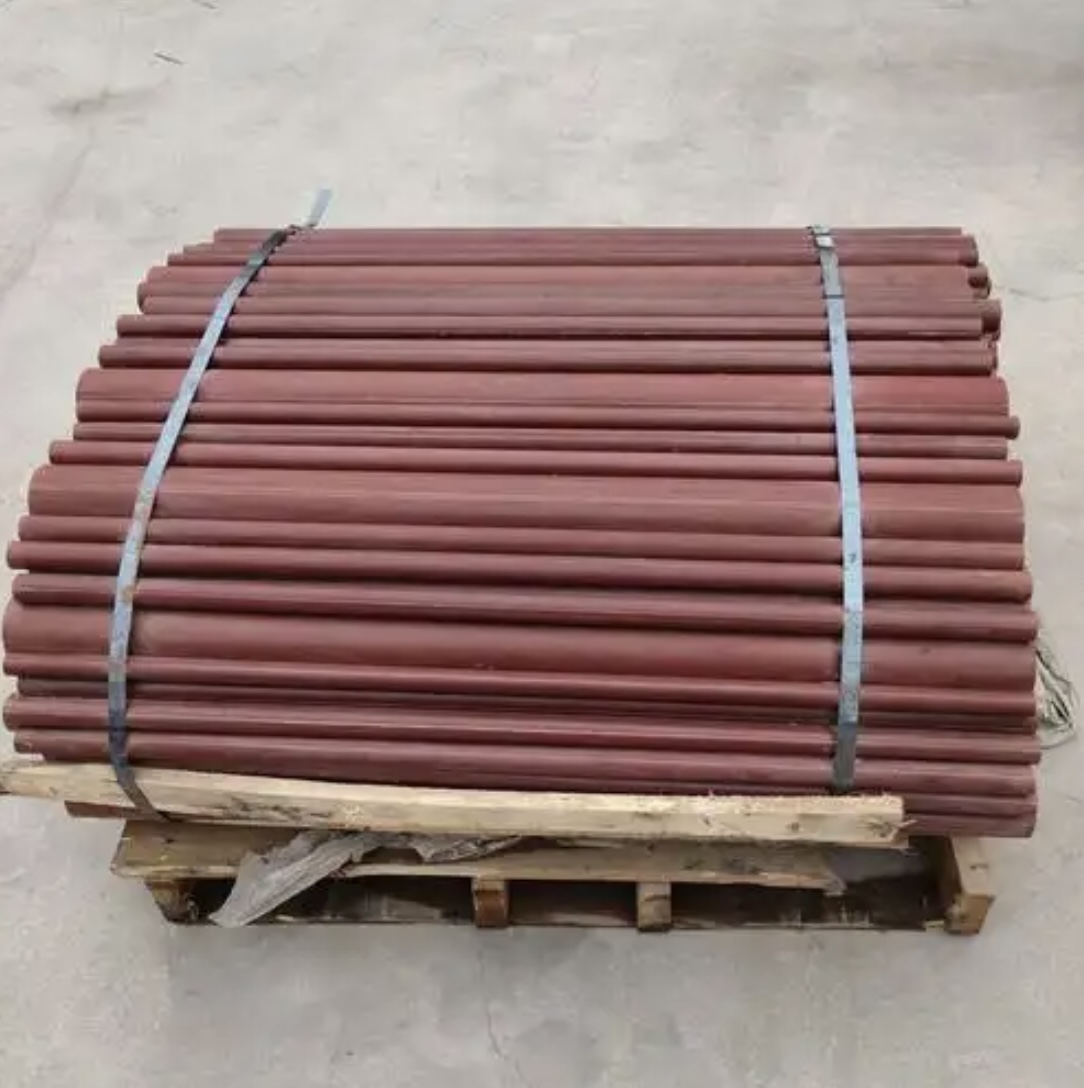
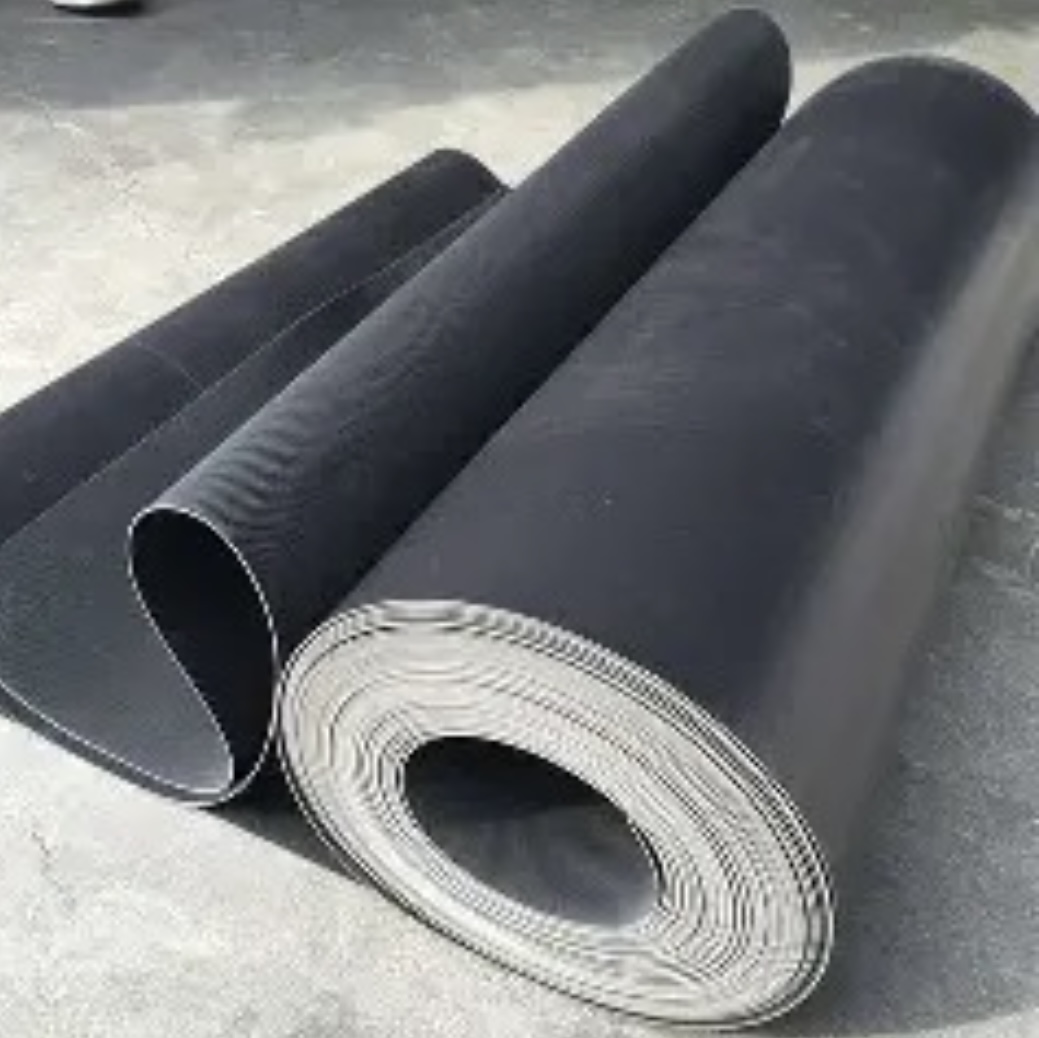
The best outdoor board depends on your climate and load. Rubber boards, especially EPDM rubber, resist UV rays and stay flexible in cold weather. Plastic boards, like HDPE or polypropylene, resist chemicals and stay light. Pick rubber for flexibility and shock. Pick plastic for chemical resistance and weight savings.
Stick with me here. I will break down each material, so you never have to guess again when you pick a board for your next outdoor project.
What is the Best Material for Outdoor Protective Boards?
On one job site, I watched a batch of budget plastic boards turn brittle after a single hot summer. The crew had to replace all of them by fall.
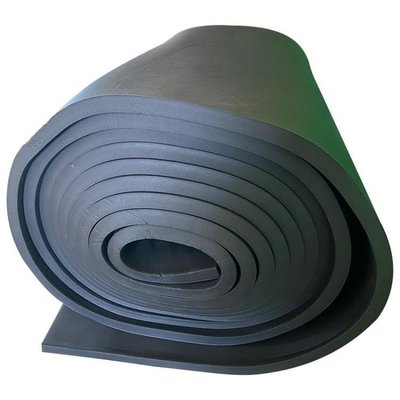
For most outdoor protective boards, rubber wins. EPDM’s saturated polymer backbone gives it an unusually stable resistance to oxidation, which is why it holds up against UV rays, heat, and cold without cracking, often for decades rather than seasons [1]. Plastic boards work too, but they can turn brittle in extreme cold or fade faster under strong sun, unless the resin is stabilized with UV-blocking additives such as carbon black [2].
Recycled rubber boards cost less and still handle weather well. Virgin EPDM costs more but keeps its color and flexibility for many years. On the plastic side, HDPE resists a wide range of acids, alkalis, and solvents thanks to its dense, tightly packed molecular structure, while staying light enough to move easily around a site [3]. Polypropylene bends well and resists fatigue from repeated flexing thanks to its semi-crystalline structure, and composite boards blend materials to balance weight, strength, and cost [4].
|
Material |
UV Resistance |
Cold Flexibility |
Typical Outdoor Use |
|
Recycled Rubber |
Good |
Good |
Playgrounds, walkways |
|
Virgin EPDM Rubber |
Excellent |
Excellent |
Decking, gym flooring |
|
HDPE Plastic |
Fair–Good* |
Fair |
Site protection boards |
|
Polypropylene |
Fair |
Good |
Temporary flooring |
Thickness and Texture Matter as Much as Material
I once ordered thin boards for a walkway with heavy foot traffic. They wore through in a single season, and I learned thickness and texture are two separate decisions.
Thickness affects impact absorption and how much weight a board can hold. A board under half an inch works fine for light foot traffic. Between half an inch and one inch, it holds up under carts and light machinery. Anything over one inch suits heavy vehicles or industrial equipment, and the extra material also protects whatever surface sits underneath.
Texture affects grip and drainage, and it often matters more than thickness for safety. A smooth surface looks clean but turns slick when wet. A ribbed or diamond-plate texture channels water away and gives better footing, which is why it shows up so often on wet or sloped sites.
How Rubber and Plastic Compare Under Industrial Use
I once ran a side-by-side test on a factory floor, one section with rubber boards and one with plastic. The wear pattern after six months surprised my whole team.
Rubber absorbs impact and dampens noise better than plastic — dense rubber intercepts vibration and converts it to heat instead of letting it travel into the floor [5] — and it resists cracking through freeze-thaw cycles because it flexes rather than fractures under load. That makes it a strong choice for factory floors, loading docks, and anywhere with heavy foot or equipment traffic. Plastic, meanwhile, resists oil, solvents, and many industrial chemicals better than rubber, and it wipes clean faster — useful in food processing or chemical handling areas. It also weighs less, which suits sites that move boards often. In short: choose rubber for shock and cold, and plastic for chemical exposure and portability.
What Makes a Cutting Board Durable?
In a busy kitchen I managed, a soft plastic cutting board wore down to deep grooves within months. That taught me durability is about more than hardness.
The most durable cutting boards use dense rubber or HDPE. Dense rubber closes back up after a knife cut, so it resists deep grooves, and a worn surface can be resurfaced instead of replaced. HDPE resists moisture and stays non-porous, which is why NSF- and FDA-listed HDPE boards are standard in commercial kitchens [6], and it costs less than dense rubber while coming in colors that help kitchens sort boards by food type — though it shows knife marks faster than rubber does.
Conclusion
Rubber and plastic boards each fit different outdoor jobs. Match material, thickness, and texture to your climate and load, and your boards will last for years instead of one hard season.
That matching process is exactly where a lot of buyers get stuck, because a spec sheet rarely translates into “will this survive my job site.” This is the gap that manufacturers like Xiaolong aim to close, formulating EPDM rubber and HDPE boards to the thickness, texture, and weathering profile a specific outdoor environment calls for, rather than selling one board for every job [1][3]. Whether the priority is UV stability on an open playground, chemical resistance on a factory floor, or a resurfaceable cutting surface in a commercial kitchen, matching a board’s documented material properties — not just its price — to the actual use case is what keeps it out of the landfill after a single winter.
References
[1] Rubbercal. “What is EPDM Material?” rubbercal.com/what-is-epdm-material
[2] Total Plastics. “The Versatile Power of Seaboard HDPE Sheets.” totalplastics.com/blog/the-versatile-power-of-seaboard-hdpe-sheets
[3] Xometry. “High-Density Polyethylene (HDPE): Definition, Properties, and Uses.” xometry.com/resources/materials/high-density-polyethylene-hdpe
[4] Palmetto Industries. “Polypropylene Properties & Polypropylene Characteristics Explained.” palmetto-industries.com/polypropylene-properties
[5] Rubbercal. “Why is Rubber Used as a Shock Absorber?” rubbercal.com/rubber-shock-mats
[6] Interstate Plastics. “Cutting Board Sheet | Food-Safe HDPE.” interstateam.com/cutting_board_sheet_foodsafe_hdpe_50692.php