Industrial Fiberglass Insulation vs Mineral Wool: Which is Better?
You compare two data sheets and pick the better number. Then the system runs hot, wet, or tight on space. The number stops mattering.
Neither material is better in every case. Mineral wool handles higher temperatures. Industrial fiberglass insulation costs less and installs fast on indoor, moderate-temperature systems. The right choice depends on operating temperature, moisture, equipment shape, and total installed cost.
I will answer four questions I hear from buyers. Each answer comes from real projects. Keep reading, because the last section covers costs that never appear on a quote.
Why Can the Same Insulation Material Perform Differently in Different Industrial Systems?
A material does not work alone. It works inside a system. The system decides if it succeeds.
The same material performs differently because temperature, moisture, geometry, and installation vary between systems. A product that suits a dry indoor steam line may fail on a wet outdoor tank. The system conditions matter as much as the material.
Material names are not enough
Many people treat "fiberglass" and "mineral wool" as fixed products. They are not. Both fall under the same ASTM mineral fiber standards. The Insulation Institute notes that specifiers should name the material together with the ASTM type and grade. I follow this rule on every enquiry. Pipe products fall into five types by maximum use temperature. Fiberglass pipe generally falls into Types I or IV. Mineral wool pipe meets the higher Types II, III, and V.
Published limits can differ
Here is something I watch closely. One industry page lists fiberglass at 0°F to 1000°F. A design magazine lists it at 0°F to 450°F. The gap comes from different products and facings. At Xiaolong, we tell buyers to read the exact data sheet for the exact product. A general range is only a starting point. I also ask what the process does during start-up and shutdown. Short spikes in heat can push a product past its safe range, even when normal operation looks fine.
What Matters More than Thermal Conductivity when Comparing Fiberglass and Mineral Wool?
Buyers focus on one number. It is easy to compare. It is also the least useful number here.
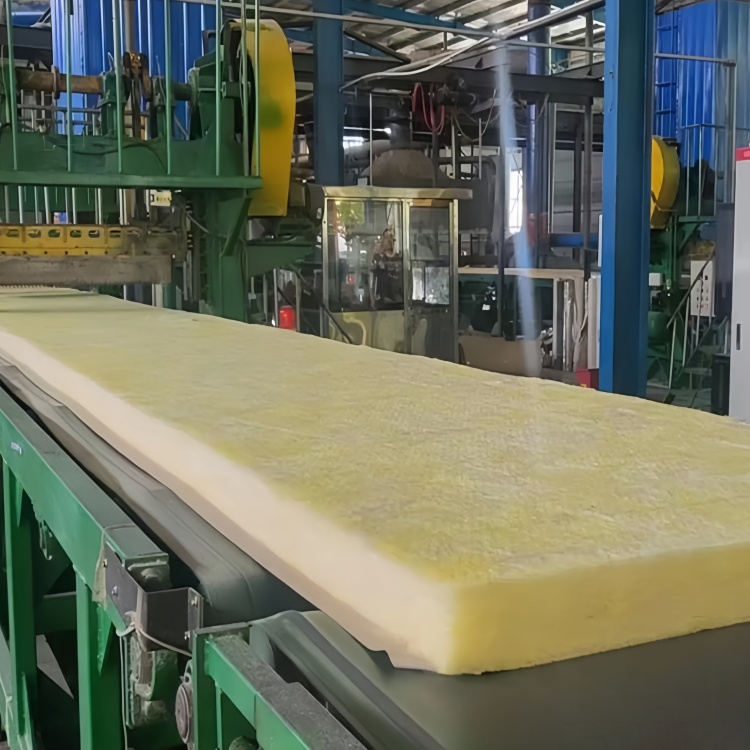
Maximum use temperature, moisture behaviour, product form, and cost matter more than thermal conductivity. The two materials have very close conductivity values. Differences show up in how they handle heat, water, and installation on your specific equipment.
The numbers are close
One guide lists glass wool at 0.032 to 0.038 W/m·K and rock wool at 0.034 to 0.040. That is almost the same. So I look elsewhere. The table shows the factors I compare first.
| Factor | Industrial Fiberglass | Mineral Wool |
|---|---|---|
| Typical temperature range | 0°F to 1000°F (check data sheet) | 120°F to 1200°F |
| Thermal conductivity | 0.032 to 0.038 W/m·K | 0.034 to 0.040 W/m·K |
| Pipe form | Molded one-piece, about 3 ft long | Precision cut, two half cylinders |
| When wet | Loses effectiveness | Absorbs moisture readily |
| Relative cost | Lowest of the common options | Roughly 60% to 80% more |
Moisture is the quiet risk
Both materials need protection from water. The same guide warns that mineral wool must never be used on cold pipe applications. I apply the same caution to plain fiberglass without a vapour barrier. Wet fibre loses its value fast. I treat water as a design problem, not a repair problem. Product form matters too. Pipe sections are molded and typically sold in 3 ft lengths for fiberglass, while mineral wool pipe arrives as two half cylinders. Each form changes how many joints a crew must seal on site, and each joint is a chance for water to enter.
When does Fiberglass Make More Sense than Mineral Wool for an Industrial Project?
Mineral wool sounds like the safe upgrade. It is not always the smart one.
Fiberglass makes more sense on indoor, dry systems with moderate temperatures. It also suits large quantities, tight budgets, and irregular equipment where flexible blankets fit well. Choose mineral wool when temperatures climb or the process runs near the fiberglass limit.
Where fiberglass fits well
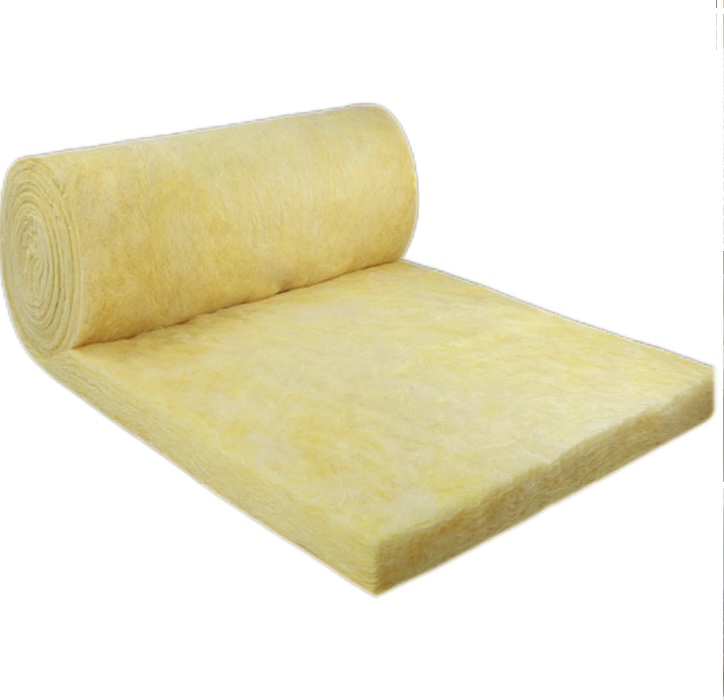
The Insulation Institute lists fiberglass boards and blankets for piping, ducts, boilers, tanks, and valves. I agree with this range. Blankets wrap large tanks and odd shapes with little cutting. Molded pipe sections go on fast. On long, simple runs, crews finish sooner. That saves labour hours. I once compared two bids for a low-temperature process line. The mineral wool option cost far more and gave no real gain.
Where mineral wool wins
Mineral wool earns its price at higher heat. It is used for stacks, breechings, and high-temperature process piping. Fiberglass loses its edge there. I never push a fiberglass product to the top of its rating on a critical line. A margin protects the system and the warranty. Equipment geometry also plays a role. Large flat surfaces suit rigid board. Tight bends and valves suit flexible blankets. I match the form to the shape first, then I check the temperature.
What Hidden Costs Should Buyers Consider before Selecting Industrial Insulation?
The quote shows the price per metre. It does not show the cost of the job.
Hidden costs include heat-up schedules, jacketing, vapour barriers, installer protection, and replacement after water damage. Buyers should add these to the material price before comparing options. The lowest unit price rarely gives the lowest installed cost.
Costs that arrive after the order
Start with grade. For pipe, Grade A can be installed at full temperature, while Grade B requires a heat-up schedule. That schedule costs time on site. Next comes protection. One review says fiberglass is the lowest cost option, but it loses insulation effectiveness when wet and installers need protective measures. Outdoor lines need cladding. Cold lines need a vapour barrier. For humid chilled systems, some products are designed for below-ambient service in hot, humid environments.
How I build the real number
I list material, labour, jacketing, accessories, and expected service life. Then I compare totals. At Xiaolong, we help buyers build this list before they place an order. It takes an hour. It can prevent weeks of rework. I also ask one question: what happens if this insulation gets wet in year three? The answer often changes the choice. Then I check the thickness. The Insulation Institute points users to the free 3E Plus software for thickness, and I use it to avoid guessing. Thicker insulation costs more in material and in cladding, so I want the right thickness, not the biggest one.
Conclusion
Pick industrial insulation by system conditions, ASTM type and grade, and total installed cost. Fiberglass suits moderate indoor work. Mineral wool suits higher heat.
References
Exploring Insulation Materials – Insulation Outlook (NIA)
Comparing Insulation Types – Insulation Institute
Mineral Wool Pipe Insulation Guide – Pipelagging Knowledge Hub
Selecting Pipe and Duct Insulation – Consulting-Specifying Engineer
VaporWick Pipe Insulation – Owens Corning