Homogeneous PVC Waterproofing Membrane Selection Guide: Homogeneous Structure, Hot-Melt Welding and Engineering Specification Recommendation
In conventional waterproofing scenarios such as building rooftops, underground structures, water tanks and drainage channels, traditional composite waterproof membranes often suffer from interlayer peeling, uneven aging and structural delamination. These common defects greatly compromise the long-term stability of the entire waterproof system and lead to recurring leakage problems.
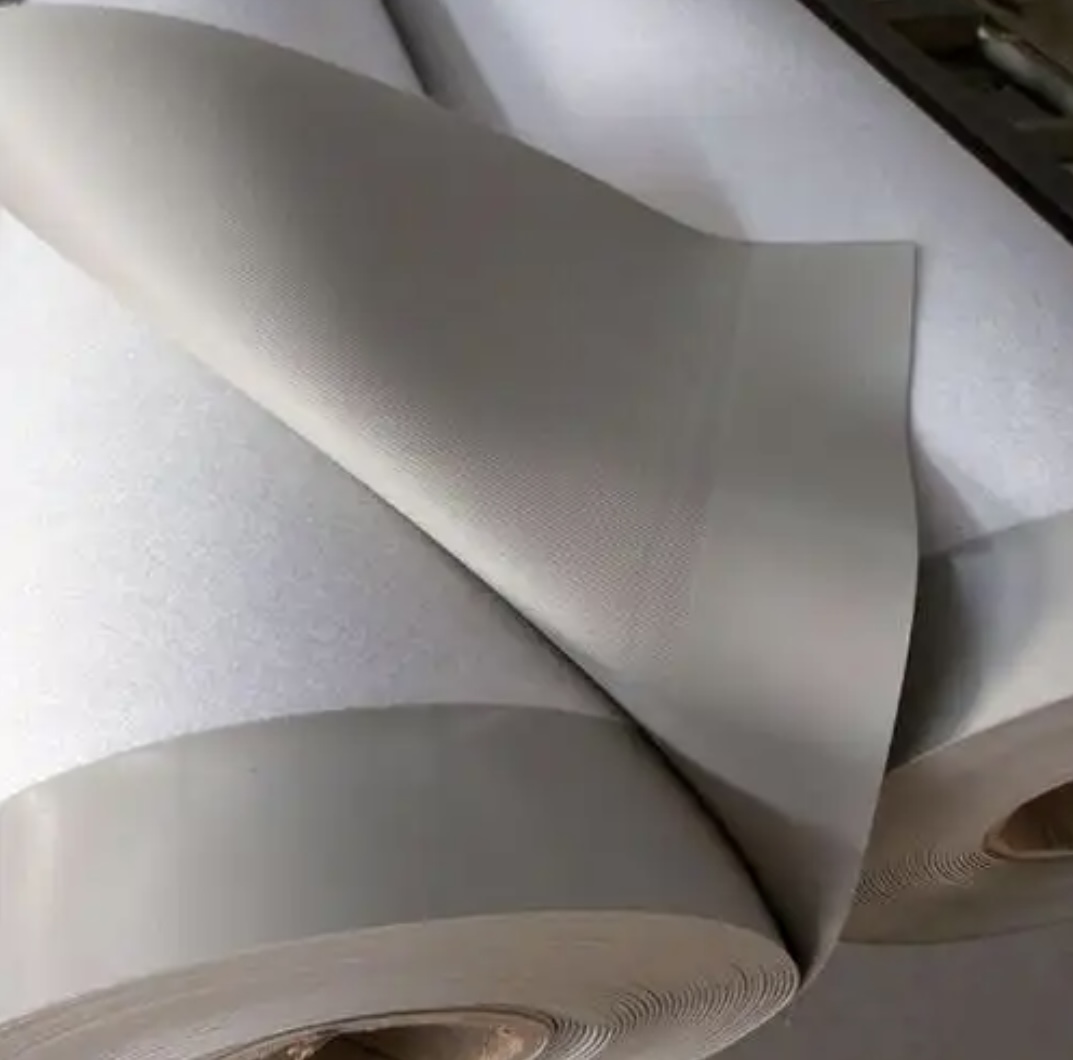
Homogeneous PVC waterproof membrane stands out as a reliable mainstream thermoplastic waterproof solution. Manufactured with integrally molded pure PVC material, it features a uniform, layer-free monolithic structure. Boasting consistent quality, stable hot-air welding performance, superior corrosion resistance and long-term weatherability, it fits perfectly for general exposed roofing and standard civil & industrial waterproof projects with balanced performance and cost efficiency.
Complying fully with the national standard GB/T 12952-2011, our Homogeneous Type H PVC membrane is produced as a pure, fiber-free and reinforcement-free waterproof sheet. Without any layered composite structure, it delivers balanced mechanical properties and consistent structural stability across the entire membrane surface. Unlike reinforced or backed PVC, its core strength lies in uniform material performance and long-term service reliability, making it ideal for exposed and stable waterproof environments worldwide.
1. Core Performance Advantages
Monolithic Homogeneous Structure Zero Delamination & Structural Failure
Extruded from high-purity PVC resin and specialized additives as a single integral layer, the membrane has no composite interfaces or weak bonding layers. It completely avoids interlayer separation, local performance degradation and delamination leakage that commonly plague multi-layer composite membranes.
Coordinated with professional hot-melt welding, the membrane body and welded joints maintain consistent structural performance, maximizing the overall integrity and durability of the waterproof system for long-term service.
Balanced Mechanical Performance Adaptable to Minor Structural Deformation
Featuring stable tensile strength and excellent elongation at break, homogeneous PVC membrane adapts to minor substrate settlement, building thermal deformation and subtle base cracks. It stretches synchronously with structural changes to release stress and prevent membrane tearing or damage.
With moderate hardness and excellent surface conformity, it fits tightly on flat and regular substrates, ensuring smooth and neat installation for standard waterproofing projects.
Seamless Hot-Air Welding Superior Long-Term Waterproof Tightness
Taking full advantage of PVC’s premium thermoplastic properties, the membrane adopts hot-air welding to form monolithic fused joints. The welded seams match or even exceed the strength of the membrane itself.
Compared with traditional glue bonding, welded joints deliver stronger aging resistance and water immersion resistance, effectively preventing overlap debonding and leakage. It is highly suitable for large-area, continuous waterproof construction with stable long-term sealing performance.
Excellent Weather & Chemical Corrosion Resistance Extended Service Life
The pure PVC surface layer provides powerful resistance against UV radiation, sunlight aging and rain erosion. It remains stable without chalking, cracking or discoloration under long-term outdoor exposure. The material also features outstanding tolerance to acid, alkali and common chemical media, adapting to slightly corrosive environments in water tanks, channels and general industrial sites.
With standard professional installation, both exposed and concealed waterproof systems achieve a long service cycle, effectively reducing later maintenance and renovation costs.
1.5 Superior Low-Temperature Flexibility | Wide Climate Adaptability
Formulated with high-efficiency plasticizers and stable additives, the membrane maintains excellent flexibility in low-temperature conditions. It passes strict -25°C bending tests without cracking, meeting construction and operational requirements in most temperate and cold-temperate regions. It remains stable and reliable even in conventional cold winter climates.
2. Product Comparison Homogeneous PVC VS Reinforced & Backed PVC
VS Reinforced PVC: Reinforced PVC adds glass fiber or polyester layers for ultra-high tensile and tear strength, suited for high-wind, vibration-prone steel roofs. Homogeneous PVC features a simpler, unified monolithic structure with more stable overall performance, making it the ideal choice for flat concrete roofs and conventional exposed waterproofing.
VS Backed PVC: Backed PVC comes with non-woven fiber backing to enhance adhesion and fit complex substrates, focusing on full-bond and anti-channeling projects. Without extra backing layers, homogeneous PVC supports fast welding construction on flat bases, offering simpler processing and better cost performance for standard waterproof projects.
3. Wide Application Scenarios
Civil Building Roofs: Exposed waterproofing for flat rooftops of residential buildings, office towers and commercial facilities.
Public Infrastructure: Standard exposed waterproofing for municipal buildings, corridors, canopies and public auxiliary structures.
Hydraulic Engineering: Anti-seepage and waterproof treatment for landscape pools, water storage tanks and conventional drainage channels.
General Underground Projects: Concealed waterproofing for basement top slabs and indoor floors with flat substrates and minor structural deformation.
4. Professional Selection & Construction Guidelines
For regular flat substrates, exposed roofs and general hydraulic projects, 1.2–2.0 mm homogeneous PVC membranes are the optimal specification to ensure stable and long-lasting waterproof performance.Hot-air welding is the core construction process to achieve fully fused, seamless overlaps. Adopt homogeneous PVC flashing to reinforce vulnerable nodes including internal/external corners, pipe roots and expansion joints. Strictly control welding temperature and speed to avoid incomplete fusion, missing welds or membrane burnout.
During construction and storage, keep the membrane away from sharp objects to prevent puncture damage and ensure finished surface protection.
5. Reliable Foreign Trade Supply Advantages
As a professional direct manufacturer, we maintain abundant stock of standard homogeneous PVC membrane specifications with stable supply capacity. We support custom non-standard sizes, personalized color matching, formula adjustment and full OEM services.All products comply with national and international waterproof engineering standards, with complete export qualifications to guarantee smooth global customs clearance. We provide tailored waterproofing solutions according to regional climate features and project requirements, satisfying bulk procurement and large-scale engineering cooperation demands from global clients.
To sum up, homogeneous PVC waterproof membranes feature a delamination-free monolithic structure, reliable welding performance, excellent weather & corrosion resistance and high cost efficiency. It perfectly solves the structural instability defects of traditional composite membranes, serving as a highly cost-effective waterproof solution for flat-substrate buildings, conventional exposed roofs and hydraulic engineering projects.Contact us anytime for bulk procurement, professional project selection guidance and the latest competitive quotations!