What Is Fiberglass Thermal Insulation and Where Is It Used?
Fiberglass thermal insulation is widely used in commercial buildings, steel structures, HVAC systems, industrial equipment, and piping. Its main function is to slow heat transfer, helping buildings and mechanical systems maintain more stable temperatures while reducing unnecessary energy loss.
For construction contractors and industrial buyers, however, choosing fiberglass insulation is not simply about selecting a thickness. The application, thermal performance, density, facing, moisture conditions, and installation method all affect the final result. Understanding these factors makes it easier to select the right fiberglass insulation material for a specific project.
What Is Fiberglass Thermal Insulation?
Fiberglass thermal insulation is made from fine glass fibers that form a network of small air spaces. These spaces reduce the movement of heat through the material. According to the ASHRAE Handbook – Fundamentals, glass fiber is a widely used mineral fiber insulation material and is available in forms such as blankets, batts, boards, and pipe insulation.
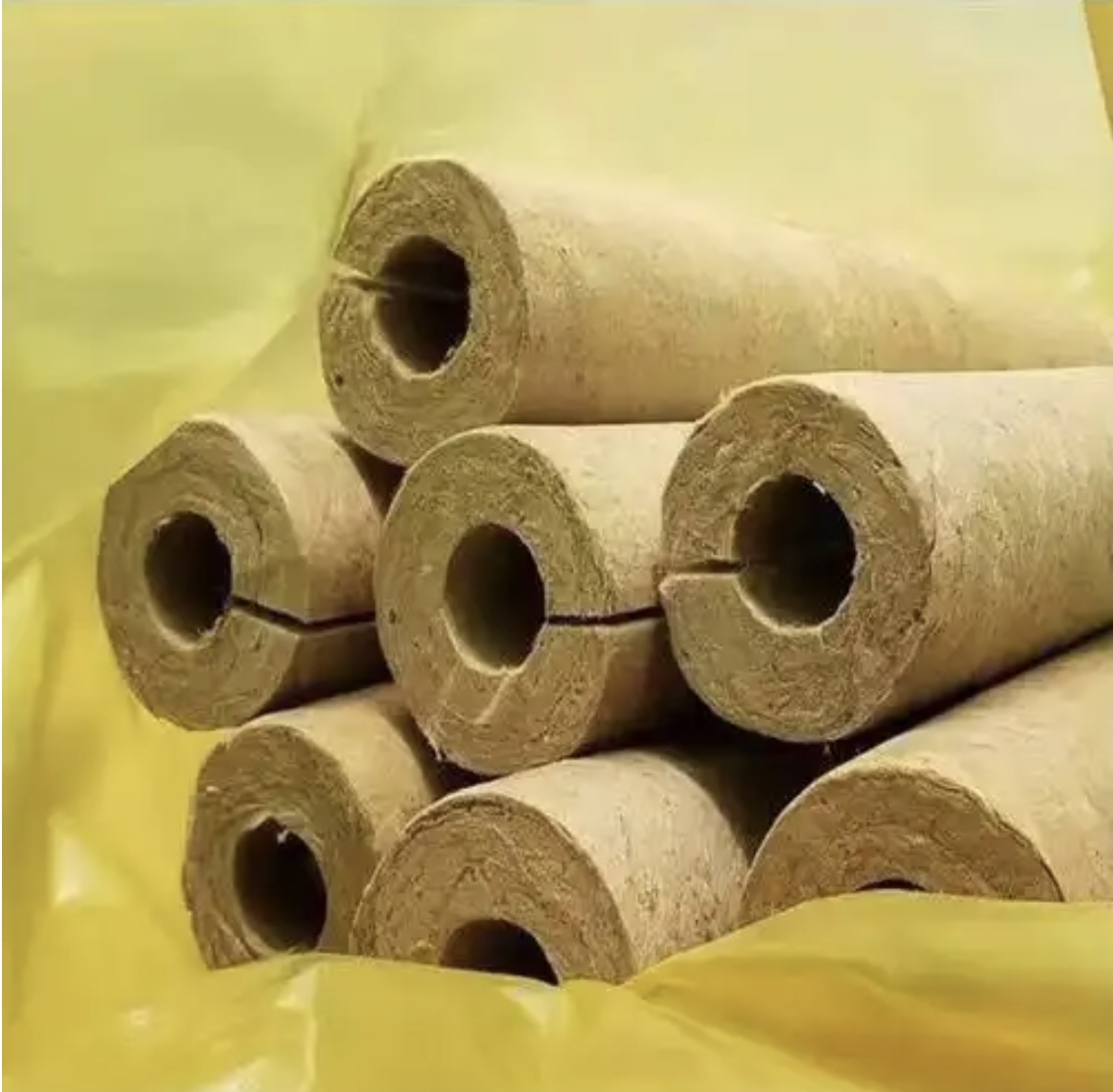
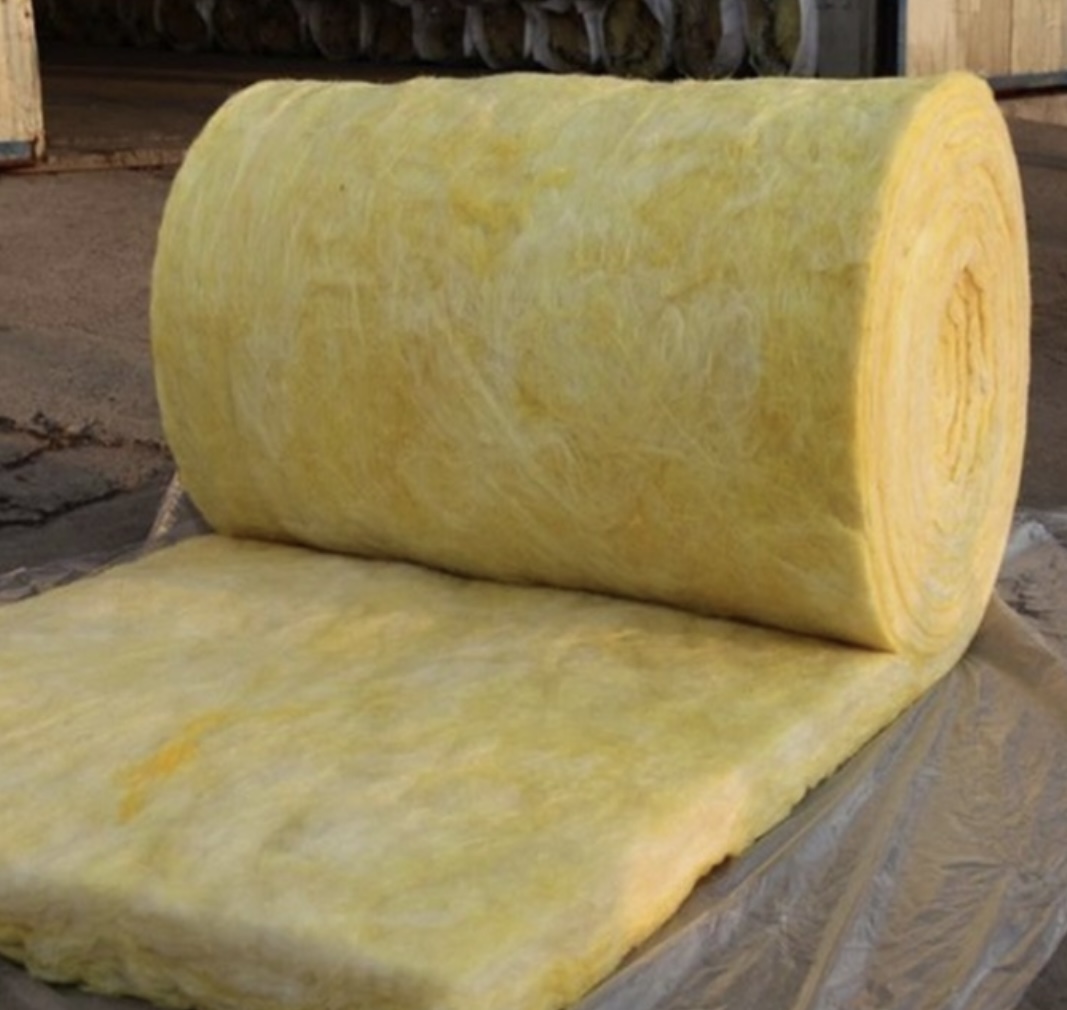
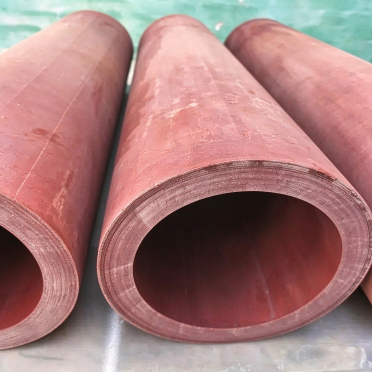
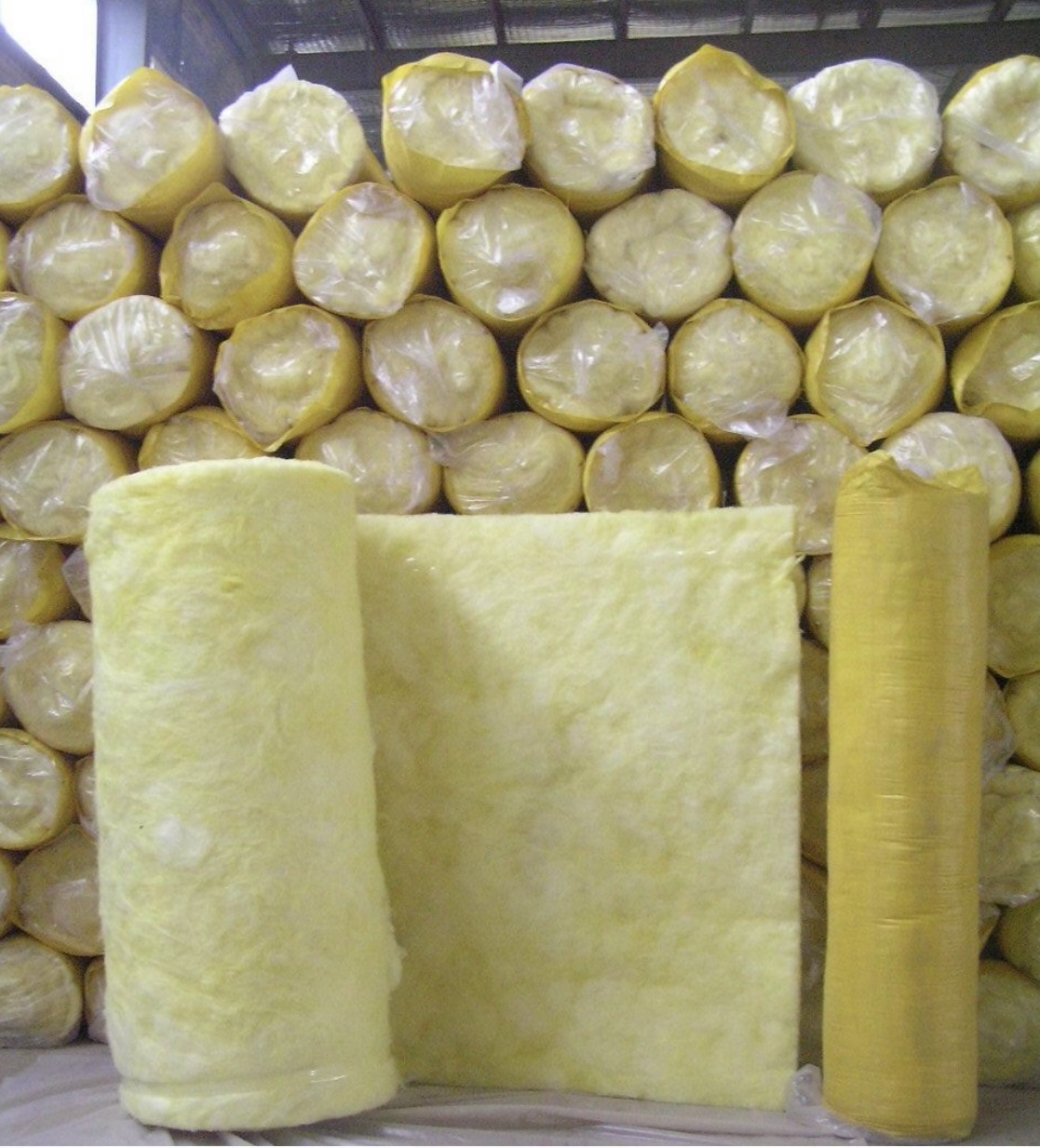
Different forms are designed for different applications. A fiberglass insulation blanket is generally suitable for large surfaces such as roofs, walls, and industrial buildings, while rigid products are more suitable where structural stability or a fixed shape is required. Dedicated fiberglass pipe insulation can be used for mechanical and HVAC piping.
| Fiberglass Insulation Form | Common Application | Main Selection Factors |
|---|---|---|
| Fiberglass insulation blanket | Roofs, walls, steel buildings, industrial facilities | Thickness, density, facing, installation |
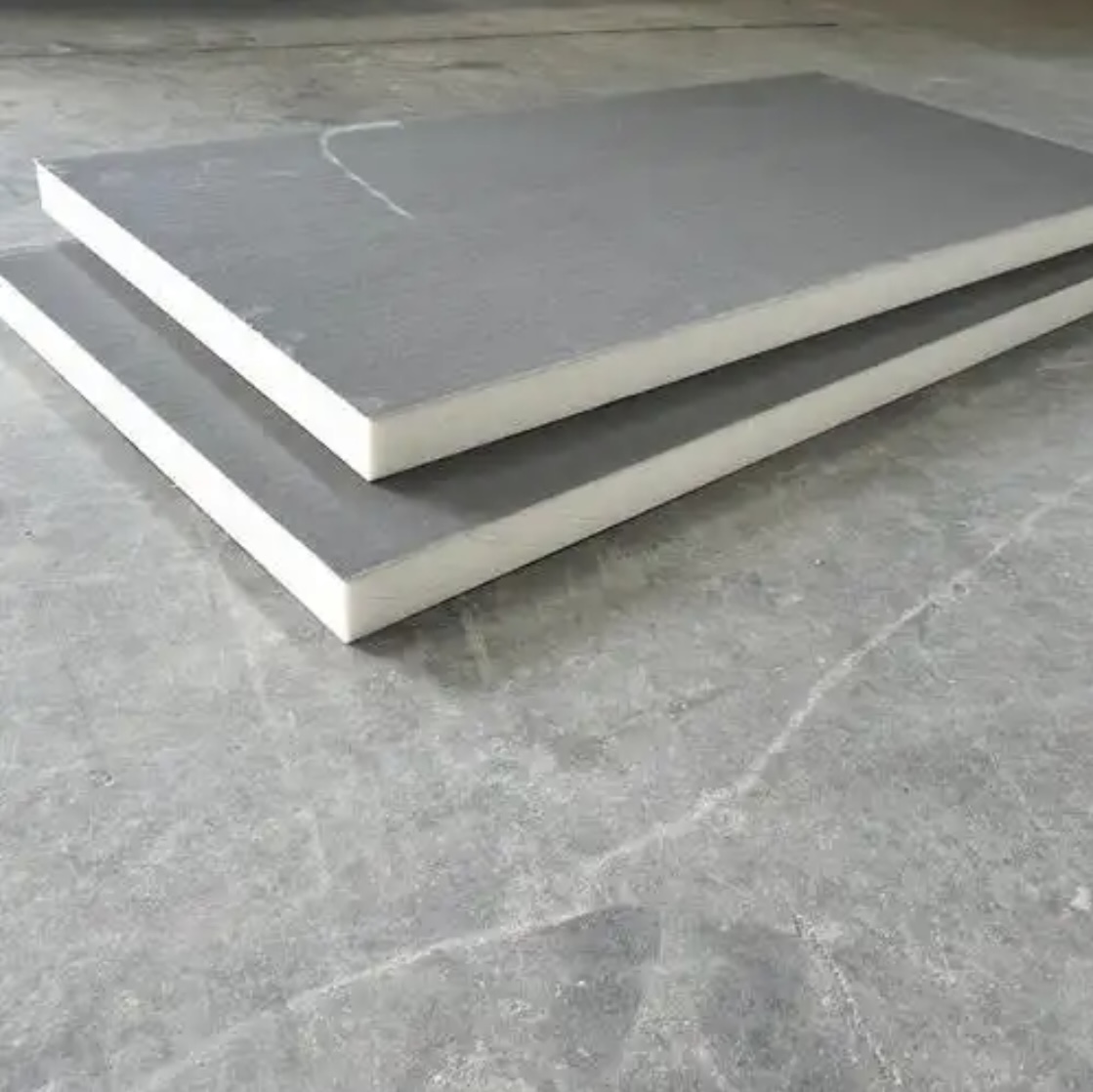
| Fiberglass board | Walls, equipment and building assemblies | Rigidity, thermal performance, dimensions |
| Fiberglass pipe insulation | HVAC and mechanical piping | Pipe diameter, thickness, operating conditions |
| Fiberglass batt | Commercial and residential walls and ceilings | Required thermal resistance, installation |
The important point for buyers is that the same insulation material should not automatically be specified for every application. The product form and technical requirements need to match the actual system.
Where Is Fiberglass Insulation Used?
Building and Steel Structure Insulation
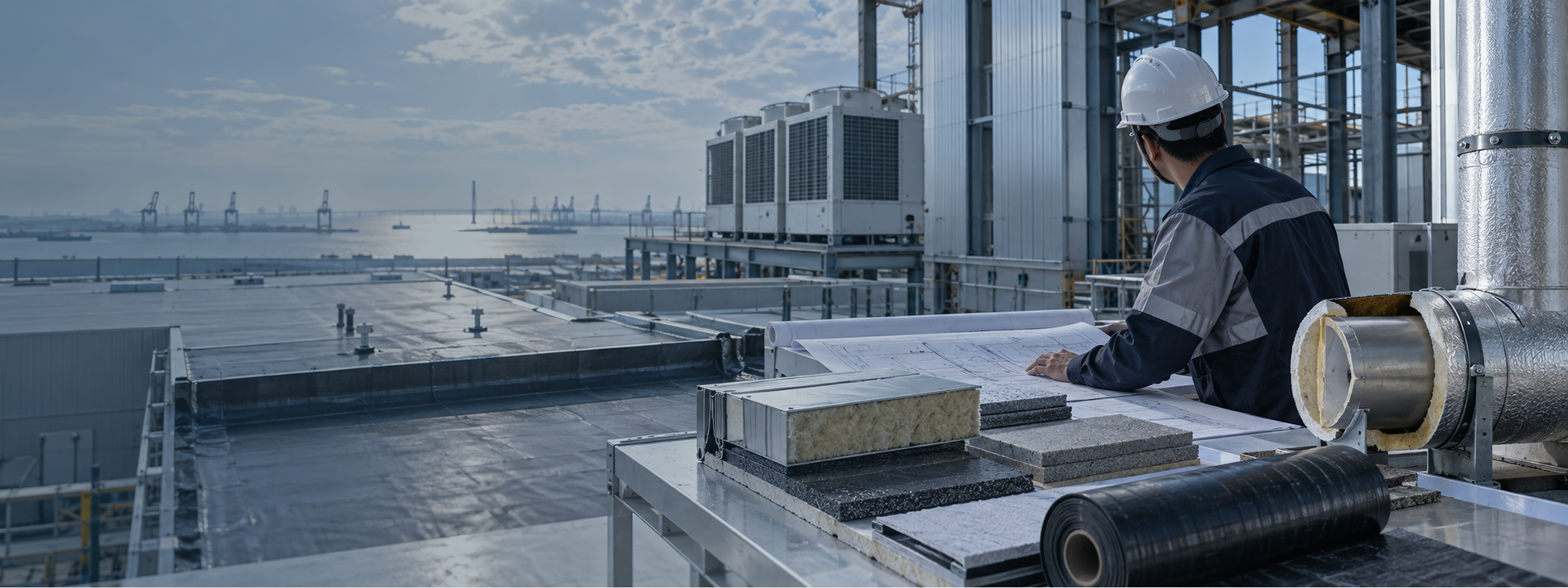
Fiberglass insulation is commonly used in warehouses, factories, workshops, commercial buildings, and steel structures. Metal roofs and walls can transfer heat relatively quickly, so thermal insulation is an important part of the building envelope.
For large steel buildings, a fiberglass insulation blanket can cover extensive areas while adapting to different structural layouts. This makes it practical for roofs and walls where installation efficiency is important.
The U.S. Department of Energy Building Envelope guidance emphasizes that insulation works as part of the overall building envelope rather than as an isolated component. In practice, this means insulation should be considered together with air control, moisture management, roofing, and wall construction.
From a project perspective, this is particularly important for steel buildings. Even when the selected fiberglass insulation has good thermal properties, gaps around structural members, joints, and penetrations can reduce the actual performance of the installed system.
HVAC and Pipe Systems
Another important application is fiberglass pipe insulation. It can be used for HVAC, heating, cooling, and other mechanical piping systems where controlling heat transfer is required.
Pipe insulation is often selected not only to reduce heat loss or heat gain but also to help maintain the desired operating temperature. Depending on the application, surface condensation can also become an important consideration.
The ASHRAE Handbook – HVAC Systems and Equipment recognizes fibrous insulation materials such as glass fiber as common insulation solutions for mechanical systems.
When selecting fiberglass insulation for pipes, buyers should consider pipe diameter, operating temperature, required insulation thickness, environmental conditions, and installation details. A fiberglass product designed for a building roof should not simply be transferred to a pipe application without checking its suitability.
Industrial Equipment and Thermal Systems
Fiberglass insulation material is also used around industrial equipment, ducts, tanks, and other thermal systems. Industrial applications often involve irregular surfaces and different operating conditions, so flexibility can become an important advantage.
For example, a fiberglass blanket may be practical for large or irregular surfaces, while a rigid board may be easier to use where a fixed shape is required. The right solution depends on the equipment design, temperature, moisture exposure, maintenance requirements, and mechanical protection needed.
How to Choose the Right Fiberglass Insulation Blanket
In real procurement projects, comparing products only by price or thickness can lead to an unsuitable specification. Several factors should be evaluated together.
First, look at the required thermal performance. Thermal conductivity and thermal resistance are more useful indicators than thickness alone. The required level depends on the building assembly, climate, operating conditions, and project requirements.
ISO 6946:2017 provides calculation methods for thermal resistance and thermal transmittance of building components and assemblies. This is important because insulation performance should ultimately be considered as part of the complete building system.
Thickness and density should then be reviewed. Increasing thickness can generally provide greater thermal resistance, but density and product construction also influence performance. Buyers should therefore compare the manufacturer's declared technical data rather than assuming that two products with the same thickness will perform identically.
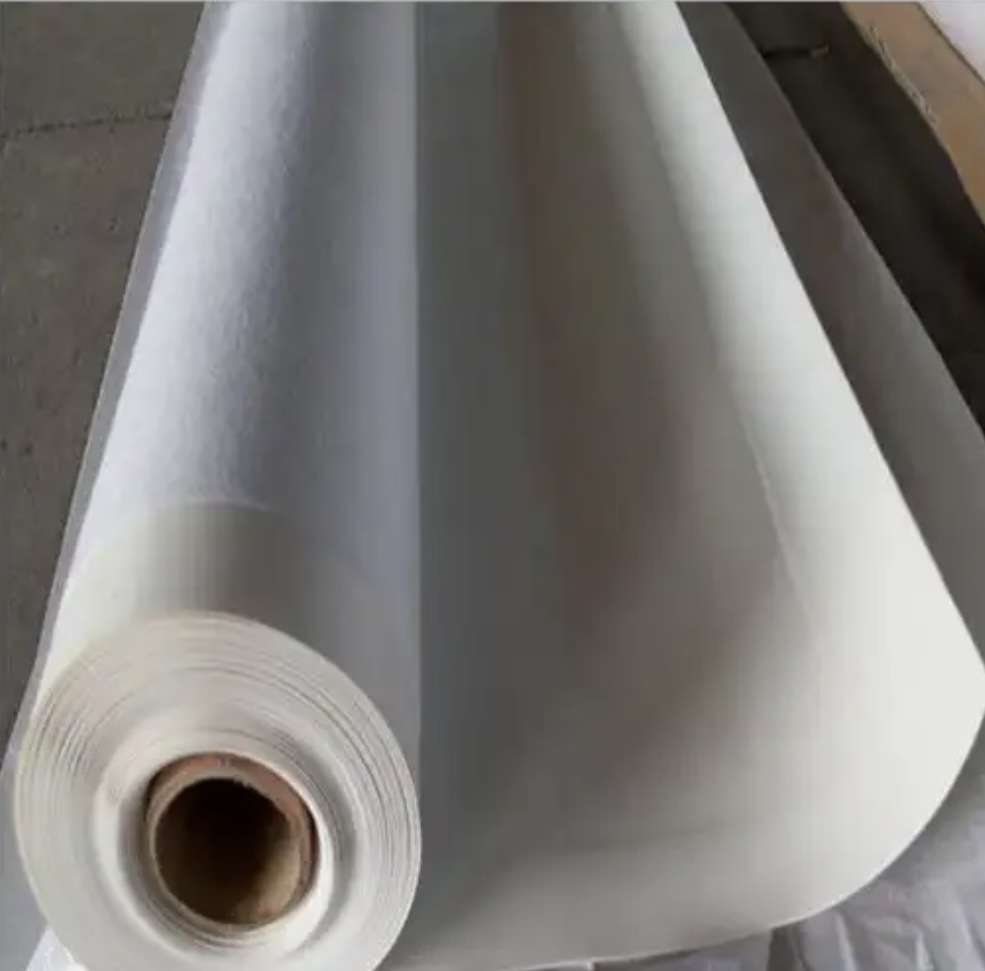
Facing is another practical consideration. Depending on the application, fiberglass insulation blankets may be supplied with different facing options. The facing can affect handling, surface protection, appearance, and vapor-control requirements.
Moisture conditions should also be considered carefully. Fiberglass insulation should be installed as part of a properly designed moisture-control system. Water intrusion, poor detailing, compression, and unsuitable installation conditions can reduce the practical performance of insulation.
Finally, installation quality should not be overlooked. The ASHRAE Handbook – Fundamentals notes that insulation performance can be affected by installation, workmanship, compression, shrinkage, and settling. This is something that becomes especially noticeable on large construction projects: a technically good insulation product cannot compensate for large gaps or poorly treated joints.
Fiberglass Insulation Compared with Other Materials
Fiberglass insulation is not automatically the best choice for every project. Rock wool, rubber foam, polyurethane, and other insulation materials each have different strengths.
Fiberglass insulation is particularly practical for large-area building and industrial applications because of its flexible product forms and broad application range. Rock wool may be preferred where specific fire or density requirements are important, while rubber foam is commonly considered for HVAC and piping applications where moisture and condensation control are major concerns.
For this reason, buyers should compare materials according to the actual application instead of selecting a product simply because it has a higher nominal specification.
What Should Buyers Ask a Fiberglass Insulation Supplier?
When purchasing from a fiberglass insulation supplier or fiberglass insulation manufacturer, buyers should ask for technical information that directly relates to the project.
The most useful questions include: What thermal conductivity or thermal resistance values are available? What thicknesses and densities can be supplied? What facing options are available? Which testing standards are used? Can the fiberglass insulation blanket be customized for roofs, walls, equipment, or industrial applications?
For OEM and bulk buyers, customization can be especially useful when standard dimensions do not match the project design. A reliable supplier should be able to explain why a particular specification is suitable for the intended application rather than simply recommending the thickest product available.
FAQ
Is fiberglass insulation suitable for steel buildings?
Yes. Fiberglass insulation is widely used in steel building roofs, walls, warehouses, workshops, and industrial facilities. The correct specification depends on the building structure, climate, thermal requirements, and installation method.
What is a fiberglass insulation blanket used for?
It is commonly used for large-area applications such as roofs, walls, steel structures, industrial buildings, and equipment where flexible thermal insulation is required.
How thick should fiberglass thermal insulation be?
There is no universal thickness. The required thickness depends on the target thermal resistance, climate, building assembly, operating conditions, and applicable project requirements.
Conclusion
Fiberglass thermal insulation is a versatile solution for building envelopes, steel structures, HVAC systems, piping, and industrial applications. Its performance depends not only on the material itself but also on thickness, density, facing, environmental conditions, and installation quality.
For buyers comparing fiberglass insulation products, the best approach is to start with the application and required thermal performance, then evaluate product specifications and supplier capabilities. This helps ensure that the selected fiberglass insulation material provides practical performance rather than simply meeting a specification on paper.
References
1.ASHRAE. ASHRAE Handbook – Fundamentals, Chapter 26: Heat, Air, and Moisture Control in Building Assemblies — Material Properties.
2.ASHRAE. ASHRAE Handbook – HVAC Systems and Equipment, Chapter 23: Insulation for Mechanical Systems.
3.ISO. ISO 6946:2017 — Building Components and Building Elements — Thermal Resistance and Thermal Transmittance — Calculation Methods.
4.U.S. Department of Energy. Building Envelope: Architectural Considerations.
5.International Code Council. 2021 International Energy Conservation Code, Chapter 4 — Commercial Energy Efficiency.