
Glass Wool Pipe Insulation vs Rubber Insulation: How to Choose the Right HVAC Insulation Material?
Pick the wrong pipe insulation, and your HVAC system loses energy every single day. Condensation builds. Costs climb. The material you choose decides the outcome.
Glass wool pipe insulation is perfect for systems that need high thermal performance, fire resistance, and sound control. Rubber insulation is great for systems that need flexibility. It also resists moisture and is easy to install around tight bends. The right choice depends on your operating temperature, pipe layout, and environment.
I have watched buyers pick insulation based on price alone, then deal with early failures a year later. That mistake costs more than the material ever saved. Keep reading, because the next sections break down exactly how these two materials differ, and how to match either one to your actual project.
What are the Key Differences Between Glass Wool Pipe Insulation and Rubber Insulation?
Both materials insulate pipes. Beyond that, they behave in very different ways once installed.
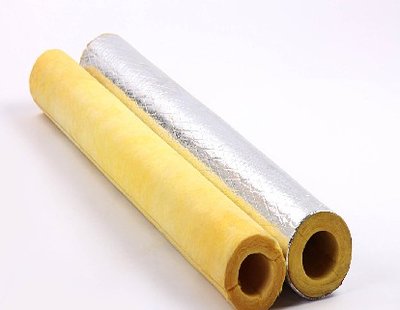
Glass wool pipe insulation is rigid, fire-resistant, and performs well at high temperatures. Rubber insulation is flexible, closed-cell, and resists moisture without a separate vapor barrier. Each material fits a different range of HVAC operating conditions.
Structure and Performance Compared
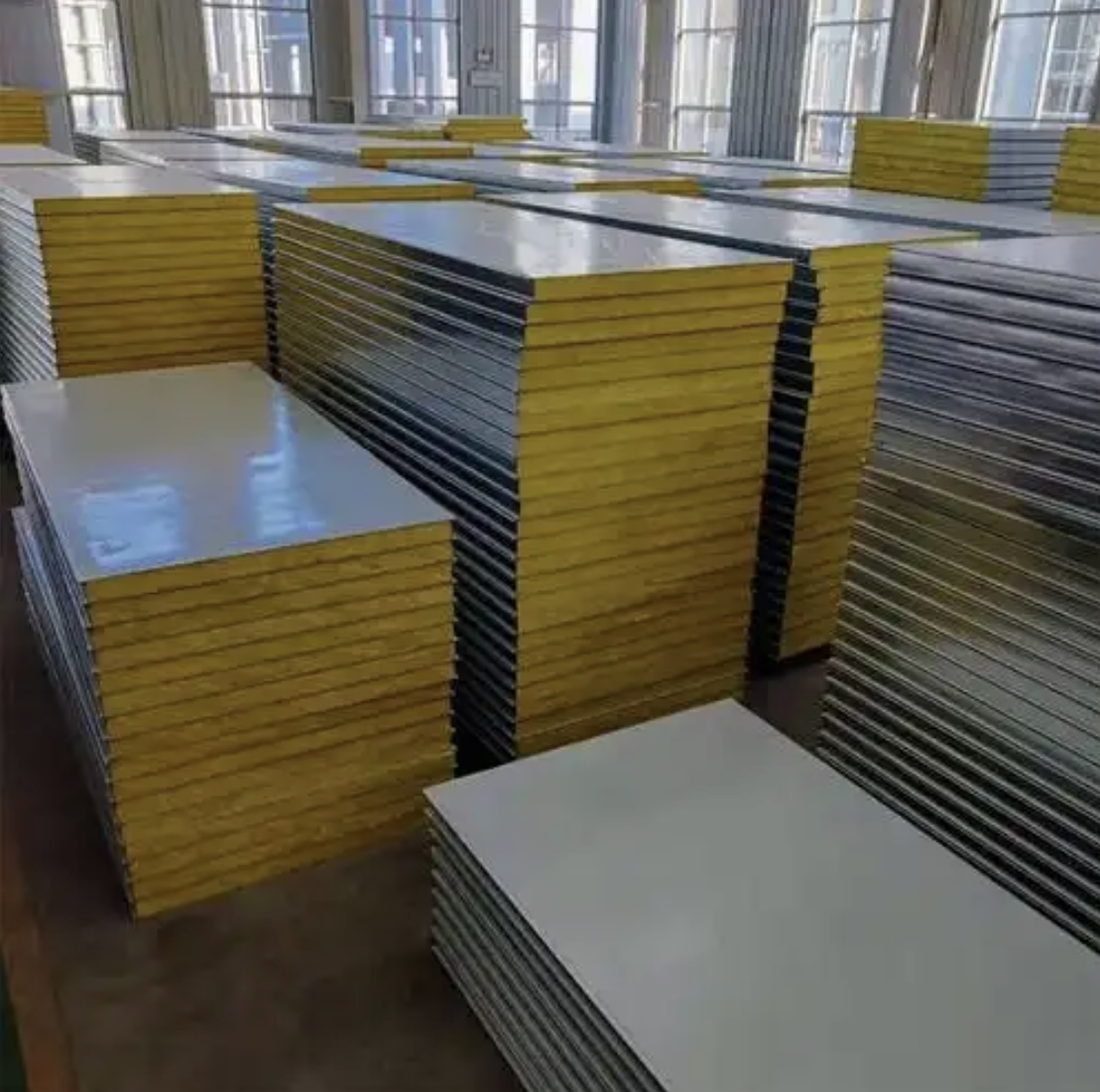
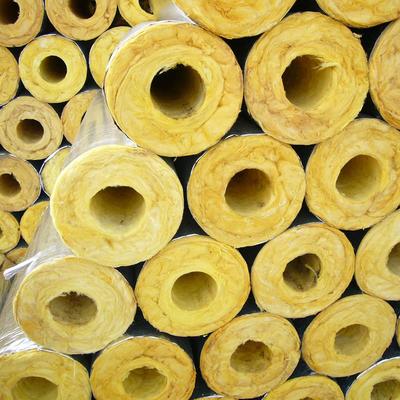
Glass wool is a fibrous material formed into rigid cylinders. It handles high heat well, and it holds its shape under sustained thermal load. Rubber insulation, often called elastomeric foam, is a closed-cell material. It bends easily around fittings and valves, which speeds up installation on complex pipe runs. Manufacturers classify these products under separate specifications. Mineral and glass fiber pipe insulation follows a dedicated material specification covering hot-surface performance and thermal conductivity, while flexible elastomeric cellular insulation is classified by grade according to its safe operating temperature range. I always check which specification a product actually meets before comparing two boards side by side.
| Property | Glass Wool Insulation | Rubber Insulation |
|---|---|---|
| Form | Rigid, molded cylinders | Flexible, closed-cell tubing |
| Temperature range | Higher upper limit | Lower upper limit, strong at low temperatures |
| Moisture resistance | Needs a vapor barrier | Built-in moisture resistance |
| Fire performance | Naturally fire-resistant | Depends on formulation |
| Installation | Best on straight runs | Easy around bends and fittings |
Which Factors Should You Consider when Selecting HVAC Pipe Insulation Materials?
Most buyers ask one question first: how much does it cost. That question skips the factors that actually decide performance.
When choosing HVAC pipe insulation, consider several factors. Check the operating temperature and moisture exposure. Also, look at the fire safety rating and space constraints. Lastly, think about the expected service life. No single factor works alone, and skipping any one of them raises the risk of early failure.
Match the Material to the System
I start with temperature, since it narrows the choice fastest. Hot water and steam lines need materials rated for sustained heat. Chilled water lines need strong moisture control to stop condensation and corrosion under the jacket. Fire safety matters just as much in occupied buildings. Surface burning characteristics are measured through a standardized flame spread and smoke development test, and I ask suppliers for these ratings before any product goes on my approved list. Energy performance is the final piece. Properly insulated hot water pipes can reduce standby heat loss and raise delivered water temperature by several degrees, which lowers operating cost over the life of the system. I weigh all four factors together, not one at a time.
Why is Glass Wool Pipe Insulation a Suitable Choice for HVAC Applications?
Engineers keep specifying glass wool on commercial projects. That pattern is not accidental.
Glass wool pipe insulation is great for HVAC. It has stable thermal performance, strong fire resistance, and effective sound dampening. It works well in the wide temperature range found in commercial heating and cooling systems.
A Practical Fit for Commercial Systems
Commercial HVAC systems move hot and chilled water in the same mechanical room. This often happens through walls that are shared with occupied spaces. Glass wool handles that mixed load well, and its fiber structure adds acoustic damping that rubber cannot match. Industry resources on fiberglass insulation, like guidance form fiberglass and mineral wool manufacturers, highlight its thermal, fire, and acoustic benefits. This is why engineers often choose glass wool for larger mechanical systems.
Where Supplier Quality Changes the Outcome
Two boards can carry the same spec number and still perform differently on site. I have seen this happen more than once, and it always traces back to production consistency, not the material itself. I pay close attention to manufacturers like Xiaolong. Their factory quality checks and consistent batches build buyer confidence. This means lab data will perform well in real-world use. A supplier who tests each batch and tracks thermal conductivity saves money. They also answer technical questions directly. This approach is often better than just choosing the lowest quote.
Conclusion
Match insulation type to your system's heat, moisture, and fire needs first. Then choose a supplier who proves consistent, tested performance.
References
1. ASTM International. ASTM C547-25, Standard Specification for Mineral Fiber Pipe Insulation. https://store.astm.org/c0547-25.html
2. ASTM International. ASTM C534/C534M-24, Standard Specification for Preformed Flexible Elastomeric Cellular Thermal Insulation. https://store.astm.org/c0534_c0534m-24.html
3. ASTM International. ASTM E84-24, Standard Test Method for Surface Burning Characteristics of Building Materials. https://store.astm.org/e0084-24.html
4. U.S. Department of Energy. Insulate Hot Water Pipes for Energy Savings. https://www.energy.gov/node/612316
5. NAIMA / Insulation Institute. Fiber Glass and Mineral Wool Insulation Resources. https://insulationinstitute.org