
Can You Put Polyurethane on Particle Board?
You just bought particle board furniture, or built a shelf from it, and now you wonder if polyurethane will protect it or ruin it.
Sand the surface first, apply a primer, then use two to three thin coats of water-based or oil-based polyurethane. This keeps the coating even, protects the surface, and helps block moisture from getting in.
I want to explain why this works, and where it can go wrong. Through Xiaolong, I have spent a lot of time comparing coatings and boards, and particle board is one of the trickiest surfaces to get right. Let's go through it step by step, one board type at a time.
Can You Polyurethane MDF Board?
MDF looks smooth, but it soaks up water like a sponge. That single fact changes how you should treat it before any coat goes on.
Polyurethane works on MDF board. Sand it lightly, seal the raw edges first since they absorb the most moisture, then apply primer and two coats of polyurethane. Oil-based polyurethane tends to bond better on MDF than water-based versions.
Why MDF Needs Extra Prep
MDF means medium density fiberboard. It’s made from wood fibres pressed with resin, unlike particle board, which uses wood chips. This tight structure makes MDF very smooth, but it also makes MDF absorb water fast, especially at the edges. I always start with light sanding, because MDF fibers rise slightly once they meet any liquid. After sanding, I seal the raw edges separately, since these spots pull in moisture the fastest and swell first. Primer comes next, and I let it dry fully before I touch the surface again. Oil-based polyurethane works better on MDF than water-based types. This is because water-based products can raise the fibres, leaving a rough finish. I always apply thin coats, never one thick coat, since a thick layer takes longer to cure and can trap air underneath it. Two to three thin coats, sanded lightly between each one, give the most even result.
Can You Polyurethane Particle Board?
Particle board is cheap and common, but it has a bad reputation for falling apart once water gets involved.
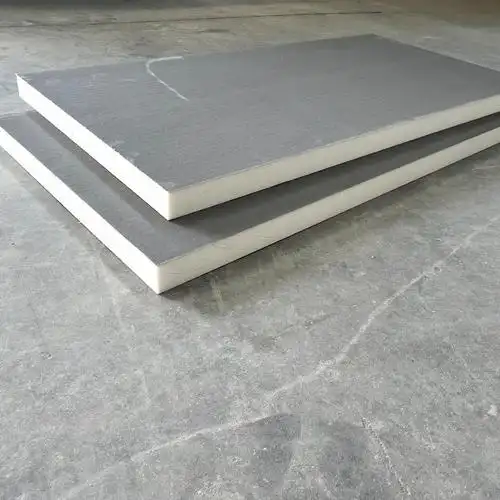
Polyurethane works on particle board, but the surface needs care first. Lightly sand the surface. Fill chips or gaps with wood filler. Apply a primer designed for particle board. Then, add two thin coats of polyurethane, allowing each coat to dry completely.
Water-Based or Oil-Based, Which One Wins?
I get this question the most. Water-based polyurethane dries quickly, has a mild smell, and stays clear. This is great for light-coloured particle board. Oil-based polyurethane takes longer to dry, but it sinks into the surface more and often forms a tougher shell. On particle board, I lean toward oil-based polyurethane for pieces that will see daily use, like tabletops or shelves that hold weight. I prefer water-based polyurethane for smaller decorative pieces. The drying time is less important in those cases. Either type only works well if the surface prep is right first. Skipping primer, or skipping sanding, is the main reason coatings fail on particle board, not the polyurethane type itself. A short comparison helps make the choice easier.
|
Type |
Dry Time |
Best For |
|
Water-based polyurethane |
Fast, about 2 to 4 hours |
Light-colored, decorative pieces |
|
Oil-based polyurethane |
Slow, about 24 hours |
Tabletops, high-use furniture |
Will Polyurethane Seal Particle Board?
Sealing sounds simple, but a coat of polyurethane does not always mean the board is fully protected from water.
Polyurethane does seal particle board, but only on surfaces that are fully coated and fully cured. Edges need extra attention, since raw particle board edges absorb water fastest. Two to three coats, applied evenly and left to cure, give the best seal against everyday moisture.
Where Sealing Usually Fails
I have seen many particle board pieces fail, and it is almost never the top surface that lets water in. The edges are the weak point, since raw particle board edges are rough and open, and they pull in moisture faster than a flat surface. I always run a thin bead of wood filler or edge banding along cut edges before I coat them, then apply extra coats of polyurethane right at the edge. Standing water is still a risk, even with a good seal. Polyurethane blocks everyday splashes and spills well, but it is not built to handle a puddle sitting on the surface for hours. I tell buyers to wipe up spills quickly, even on sealed particle board, because the seal slows water down, it does not stop it completely. Full cure time matters too. A coat that looks dry after a few hours may still be soft underneath, and using the piece too soon can crush the coating before it fully hardens.
Can Polyurethane Foam Board Get Wet?
Foam board looks solid, but not every type resists water the same way, and that mix-up causes a lot of confusion.
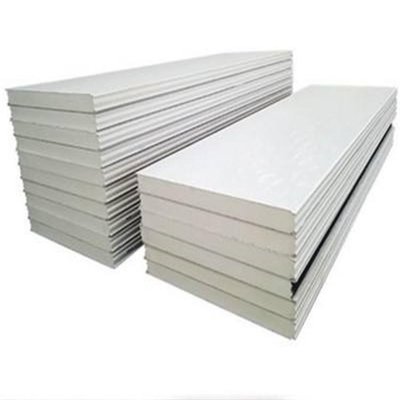
Rigid polyurethane foam board resists water effectively. Its closed-cell structure keeps water absorption low. It is not fully waterproof, though, and exposed edges or long-term standing water can still let moisture in over time.
Closed-Cell Structure Explains the Difference
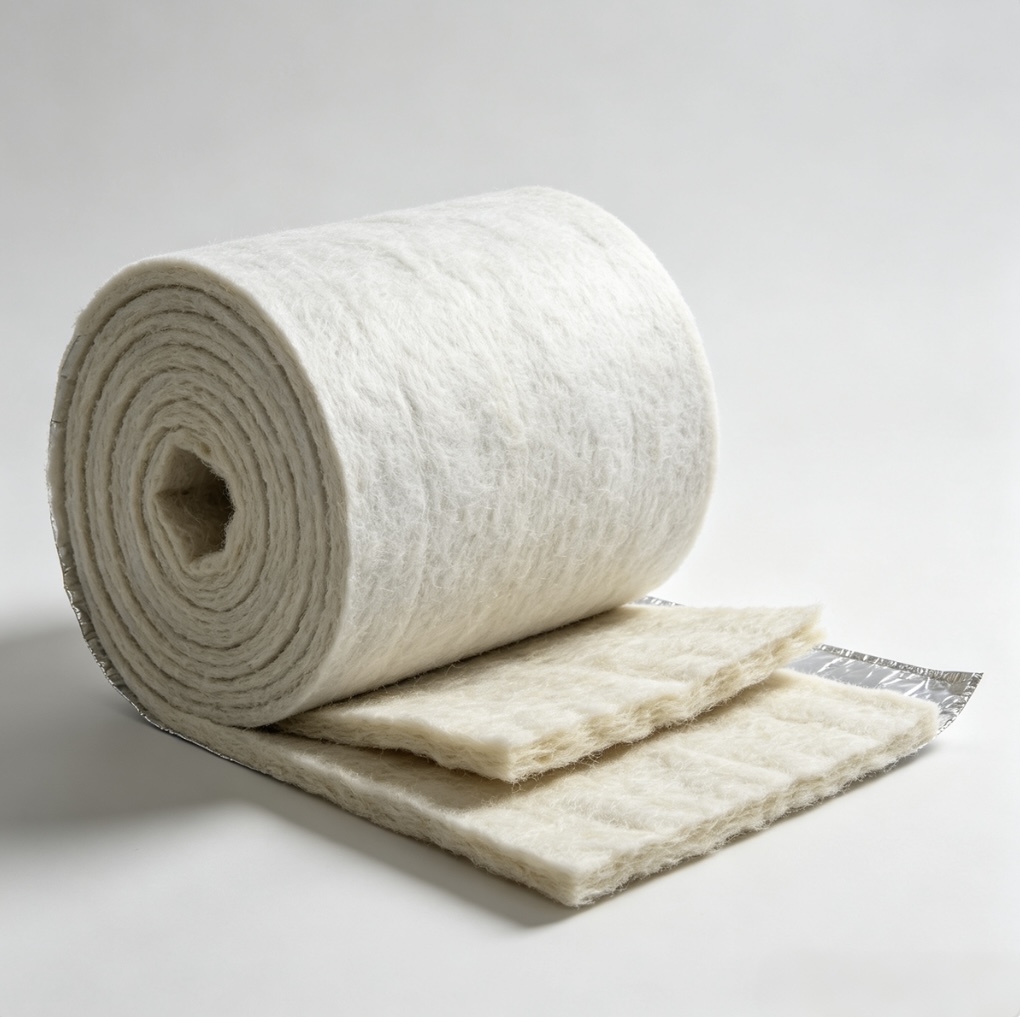
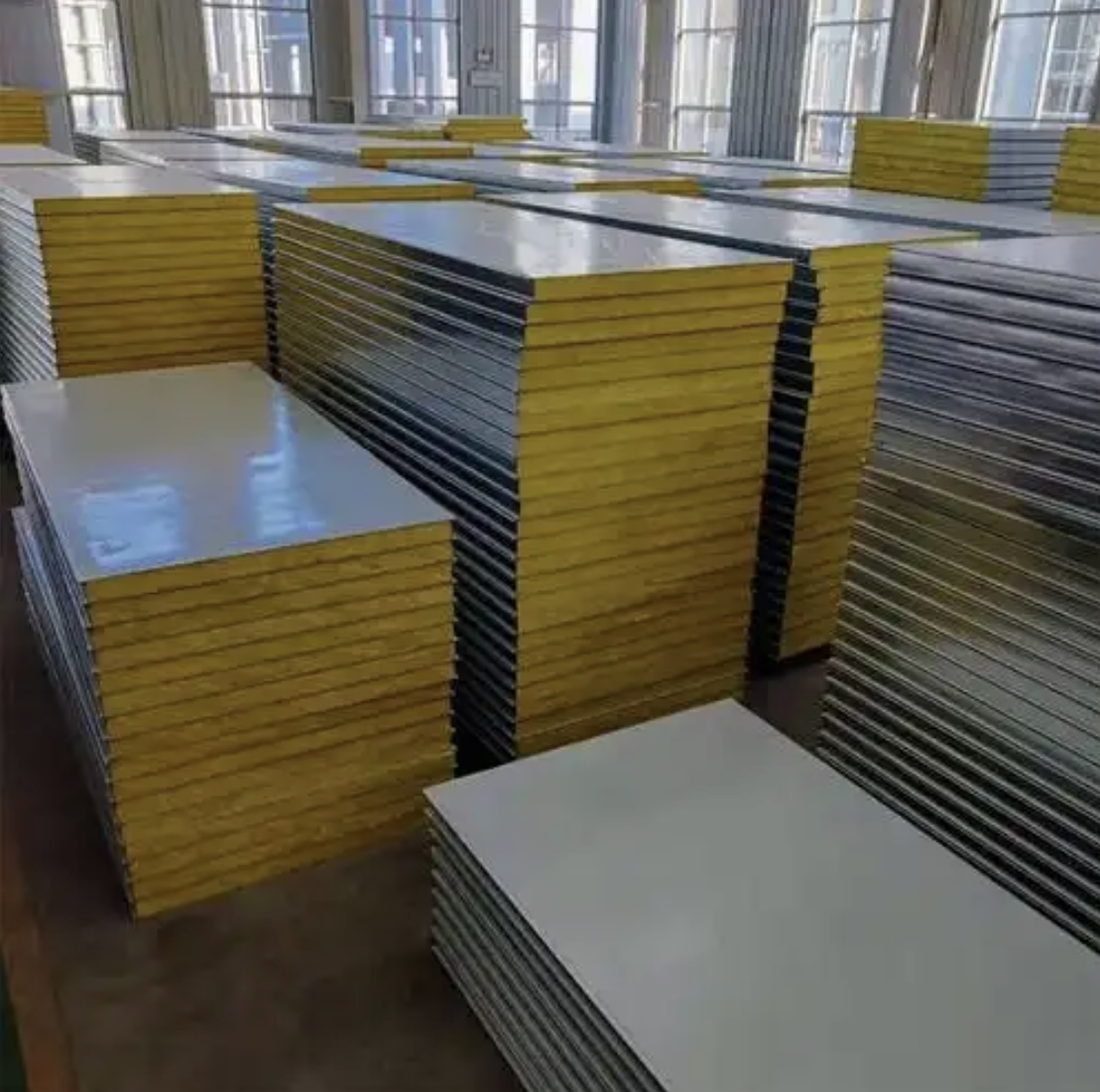
Polyurethane foam board is not the same as particle board or MDF. It has a closed-cell structure, and each tiny cell holds gas, not open space. This structure is why rigid polyurethane foam absorbs so little water compared to open-cell materials. Lab tests on this type of foam usually show water absorption under two percent by volume, even after direct exposure to water. That said, foam board is rarely used on its own. Most products come with a facing layer, such as foil or fleece, and that facing plays a big role in blocking moisture and vapor. If the facing gets damaged, torn, or cut open, water can reach the foam underneath and reduce its performance over time. I always advise people to protect cut edges and seams on foam board, especially when outdoors. Sunlight and standing water can weaken unprotected foam quicker than you think.
Conclusion
Polyurethane can protect particle board, MDF, and foam board, but only when you prep the surface, pick the right type, and let each coat cure fully.
References
[1] Hunker. "How To Seal MDF Panels With Polyurethane." hunker.com/13403124/how-to-seal-mdf-panels-with-polyurethane
[2] The Daily Insight. "How Do You Seal Wood MDF." specialty1partners.lsm.works/how-do-you-seal-wood-mdf.html
[3] PU Europe. "Factsheet 4: Water Resistance of Rigid Polyurethane." pu-europe.eu
[4] Bunnings Workshop community forum. "Sealing Particle Board." workshop.bunnings.com.au
[5] Chen, F., Shen, J., and Xia, X. (2020). "Effect of the Surface Finishing Methods on Particleboard Volatile Organic Compounds and Formaldehyde Emission." BioResources 15(3), NC State University.
[6] SciELO. "Waterproofing MDF with Different Coatings, Including Castor Oil-Based Polyurethane Resin." scielo.br