
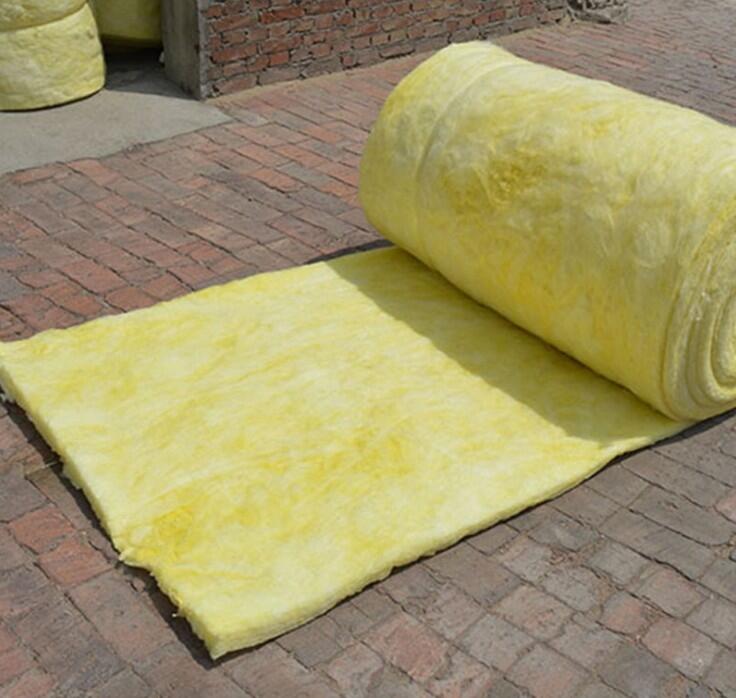
Fiberglass Blanket Insulation for Building, HVAC and Industrial Applications
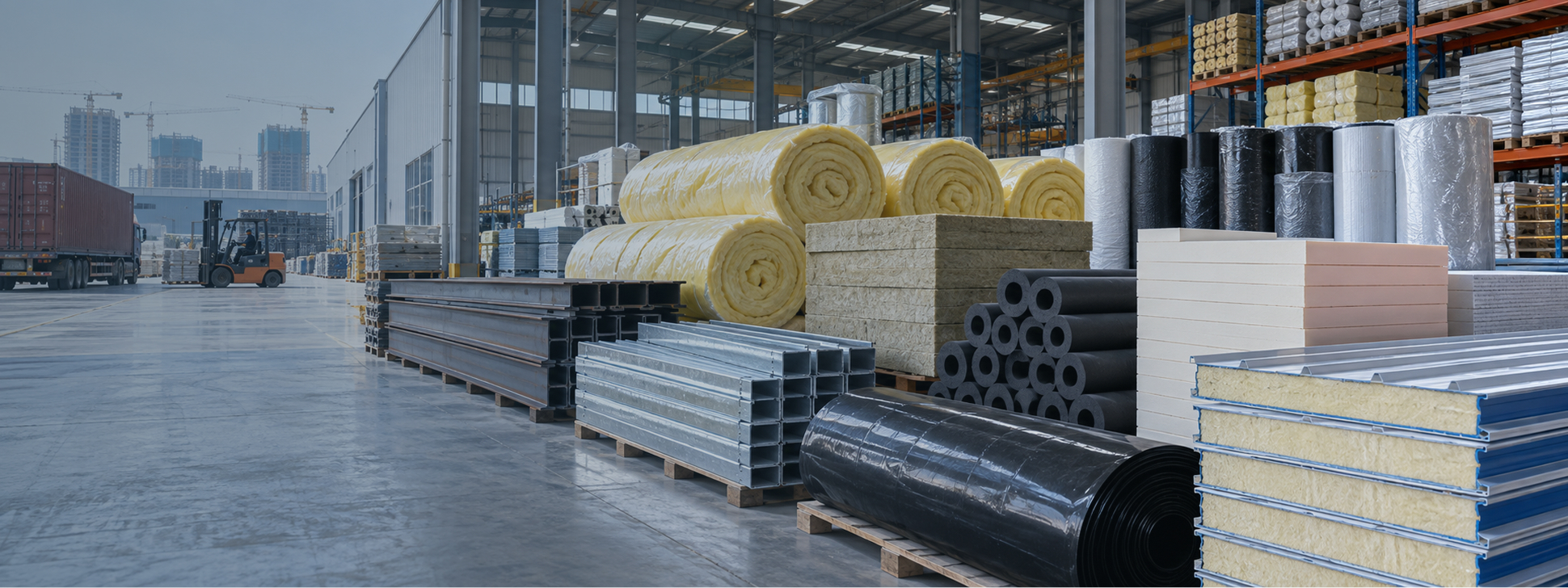
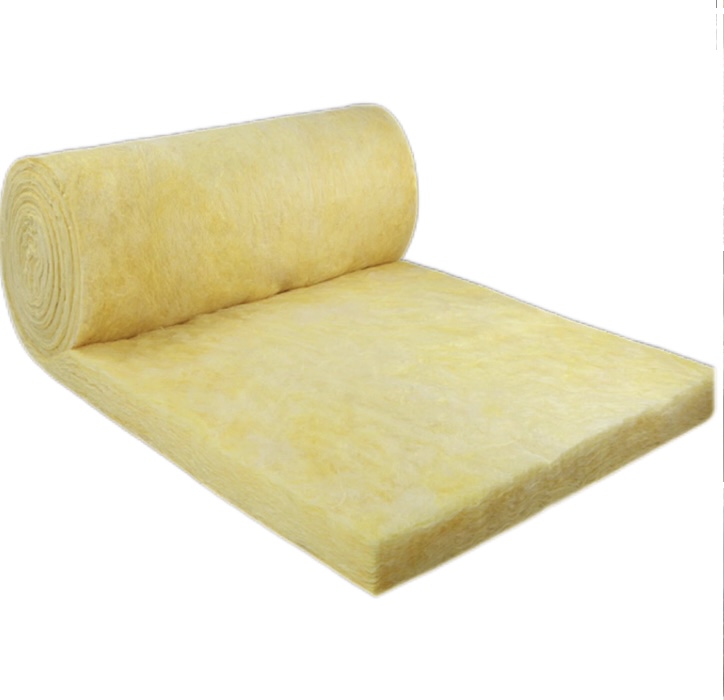
Jinsimai supplies fiberglass blanket insulation for building, HVAC and industrial projects that require practical thermal and acoustic insulation. Made from fine glass fibers, this flexible insulation material helps reduce heat transfer and absorb sound in suitable building assemblies and mechanical systems.
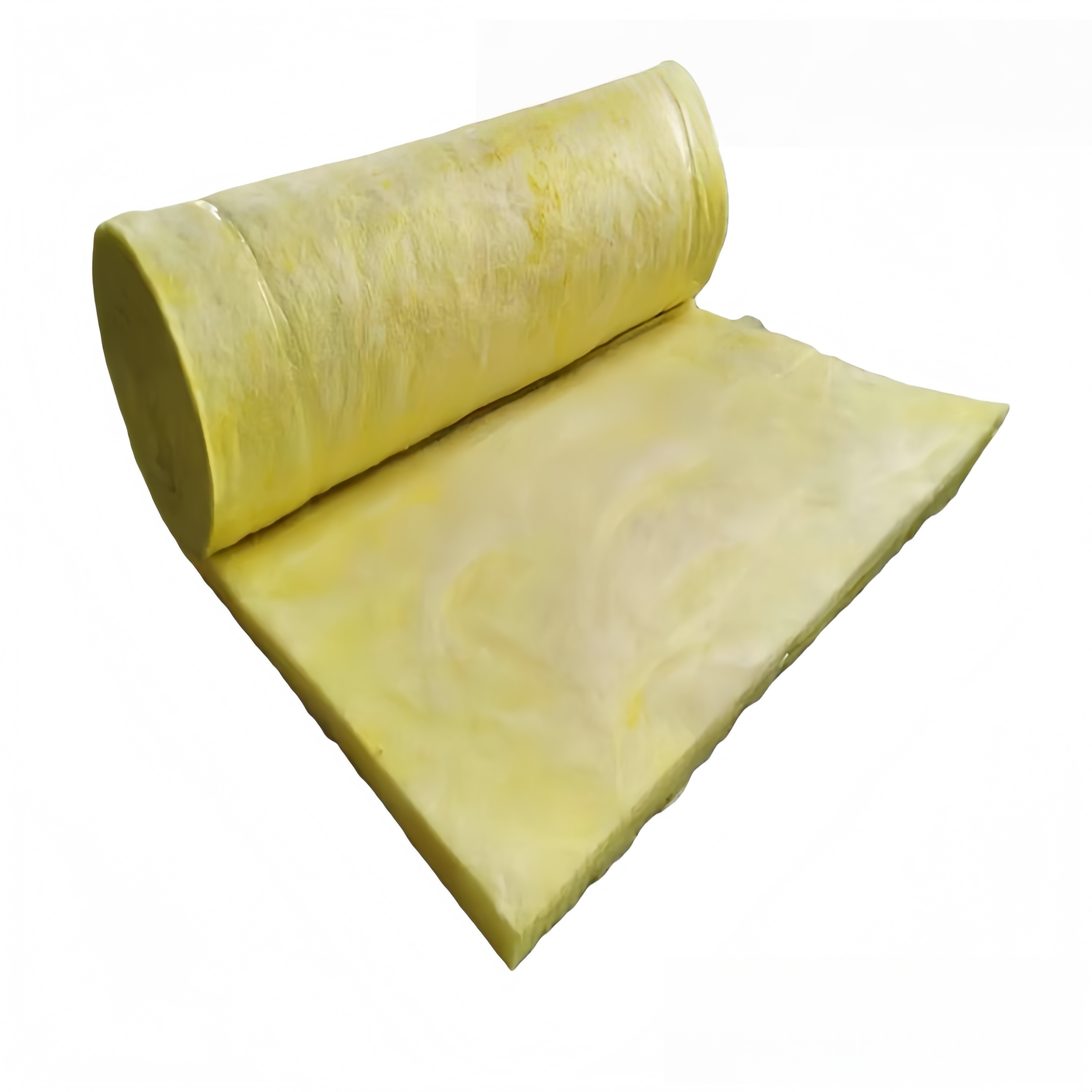
Available in roll form with different thicknesses, densities and facing options, our fiberglass insulation blanket can be specified for a range of project requirements. Whether you are sourcing insulation for commercial buildings, ductwork or industrial equipment, selecting the right configuration helps balance thermal performance, installation needs and procurement costs.
Why Choose Jinsimai Fiberglass Blanket Insulation?
Thermal Insulation Performance
Fiberglass blanket insulation helps slow heat transfer through walls, ceilings, roof assemblies and selected mechanical systems. The appropriate thickness and density depend on the required thermal performance, installation space and project specifications. Buyers should compare declared thermal conductivity values when evaluating different insulation products.
Thermal and Acoustic Insulation in One Material
The fibrous structure of a fiberglass insulation blanket can absorb sound while providing thermal insulation. This makes it a practical option for building partitions, HVAC ductwork and selected equipment enclosures where both temperature control and noise reduction are important. Actual acoustic performance depends on the material configuration and the complete building or mechanical assembly.
Flexible Roll Form for Easier Installation
Unlike rigid insulation boards, fiberglass insulation blankets can be cut and fitted around suitable surfaces and into cavities. The roll format is useful for covering larger areas and adapting to different installation dimensions. Proper handling, fitting and mechanical support help maintain consistent insulation coverage.
Multiple Facing and Customization Options
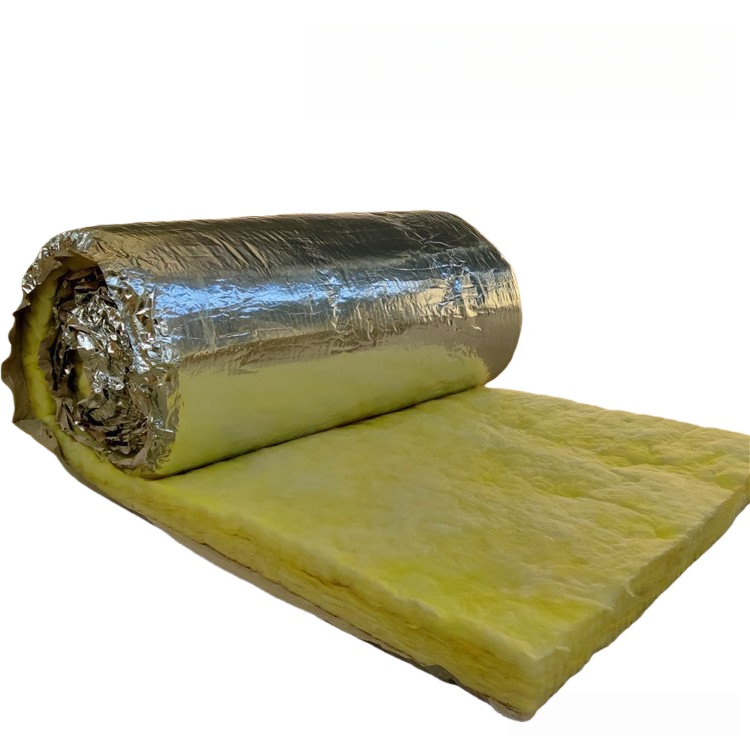
Different projects may require unfaced insulation or a facing such as aluminum foil or tissue paper. The appropriate option depends on the installation method, moisture-control design and finishing requirements. Jinsimai can discuss available dimensions and configurations according to project specifications.
Fiberglass Blanket Insulation Specifications
The following table summarizes the currently listed product specifications. Confirm the required grade and final technical data before ordering.
| Parameter | Specification |
|---|---|
| Base Material | Fiberglass |
| Product Form | Flexible insulation blanket / roll |
| Density | 10–48 kg/m³ |
| Thickness | 25–150 mm |
| Roll Width | 600–1200 mm |
| Roll Length | 5–20 m |
| Thermal Conductivity at 25°C | 0.034–0.038 W/(m·K) |
| Continuous Operating Temperature | -20°C to 350°C, subject to product grade and facing limitations |
| Average Fiber Diameter | 5–8 μm |
| Facing Options | Unfaced, aluminum foil or tissue paper |
| Packaging | Compressed rolls |
Specifications may vary by product grade. Thermal conductivity, temperature limits, fire performance and facing compatibility should be verified against the technical data sheet for the selected product.
Applications of Fiberglass Insulation Blankets
Building Walls, Roofs and Partitions
Fiberglass insulation blankets can be installed in suitable wall cavities, ceilings, partitions and roof assemblies to help control heat transfer. For contractors, selecting the correct thickness and fitting the material without unintended gaps are important steps in achieving the intended insulation performance.
HVAC Ductwork and Air-Handling Systems
Fiberglass insulation blanket products can be used in compatible HVAC duct insulation systems to help limit heat loss or heat gain. Depending on the system design, they may also support acoustic control. Facing selection, condensation control and installation requirements should be assessed before specifying the product.
Industrial Equipment and Mechanical Rooms
Suitable fiberglass blankets can provide insulation coverage for selected equipment, tanks and mechanical installations. Before using them in elevated-temperature environments, buyers should confirm the operating temperature, facing limitations and equipment manufacturer's requirements.
Factories, Workshops and Warehouses
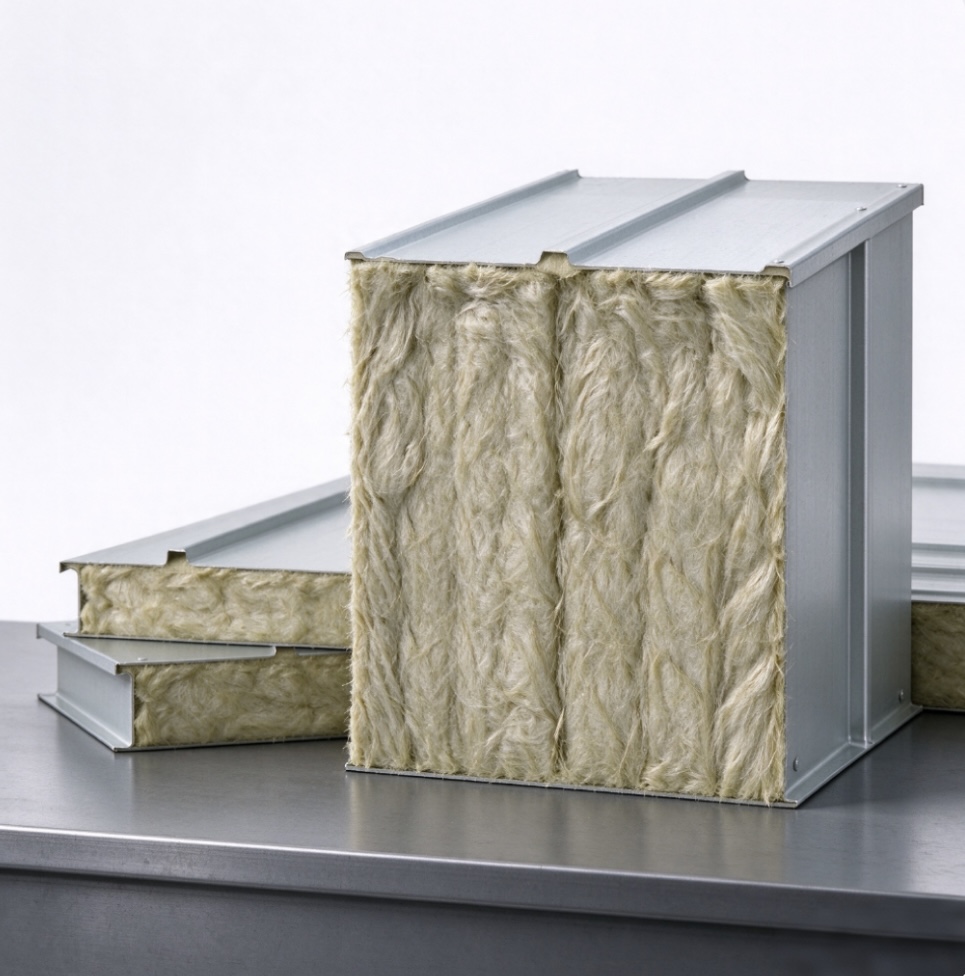
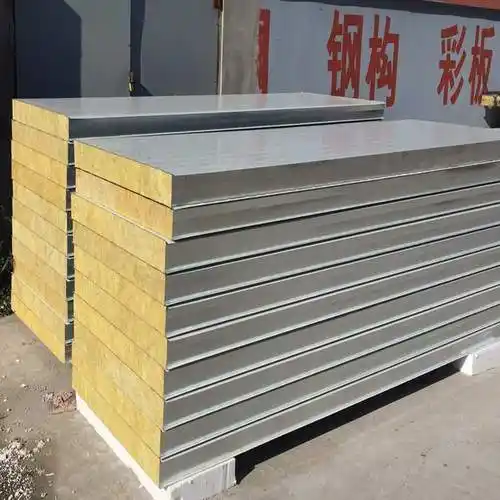
In suitable steel-frame buildings, fiberglass insulation blankets can be incorporated into wall and roof assemblies beneath approved cladding systems. They help manage heat transfer across large building areas and can contribute to a more comfortable indoor environment.
How to Select the Right Fiberglass Blanket Insulation
Choosing a fiberglass blanket insulation product requires more than comparing price per roll. Buyers should first define the application and required thermal performance, then confirm the dimensions, density, facing and installation method.
| Selection Factor | What Buyers Should Confirm |
|---|---|
| Thermal requirements | Required thermal resistance and declared thermal conductivity |
| Installation area | Wall cavities, roof assemblies, ductwork or suitable equipment surfaces |
| Thickness and density | Available specifications and compatibility with the project design |
| Facing | Whether an unfaced, foil-faced or tissue-faced product is appropriate |
| Operating conditions | Temperature, moisture exposure, fire requirements and protective covering |
| Procurement requirements | Order quantity, roll dimensions, packaging and delivery schedule |
For large projects, it is useful to send the supplier the application, required specifications and estimated quantity before requesting a quotation. This allows the proposed product configuration to be checked against the project requirements instead of selecting a grade based on price alone.
Fiberglass Blanket Insulation vs. Slag Wool Insulation
Fiberglass blanket insulation and slag wool insulation are both fibrous insulation materials, but they are not interchangeable product names. Fiberglass insulation is manufactured from glass-based raw materials, while slag wool is a type of mineral wool made using suitable slag-based raw materials.
Their composition, available grades, thermal properties, temperature limits and fire-performance documentation may differ. Buyers should therefore compare the actual technical data sheets and application requirements rather than treating fiberglass insulation blankets and slag wool insulation as equivalent products.
If your project specification calls for slag wool, confirm that the supplier offers that specific material. If glass-fiber insulation is required, choose a fiberglass blanket grade that meets the project's performance and installation requirements.
Frequently Asked Questions
1. What is fiberglass blanket insulation used for?
It is used for thermal and acoustic insulation in suitable building assemblies, HVAC systems and selected industrial applications.
2. Can I order fiberglass insulation blankets in custom sizes?
Available thicknesses, densities, widths, lengths and facing options can be discussed according to the project requirements and product range.
3. How do I choose the right thickness?
Consider the required thermal resistance, available installation space, climate and applicable building or mechanical specifications.
4. Is fiberglass blanket insulation suitable for high-temperature equipment?
Only grades rated for the intended operating conditions should be used. Confirm the product's temperature limits, facing limitations and technical documentation before installation.
5. What information should I provide when requesting a quotation?
Provide the application, required thickness and density, dimensions, facing preference, estimated quantity, destination and any applicable technical standards.
Request a Fiberglass Blanket Insulation Quote
Jinsimai supplies fiberglass blanket insulation for building, HVAC and industrial projects. Whether you are a contractor, distributor or project purchaser, our team can discuss product specifications, available configurations and bulk supply requirements.
Contact Jinsimai with your application details, target specifications and order quantity to request a suitable product recommendation and quotation.