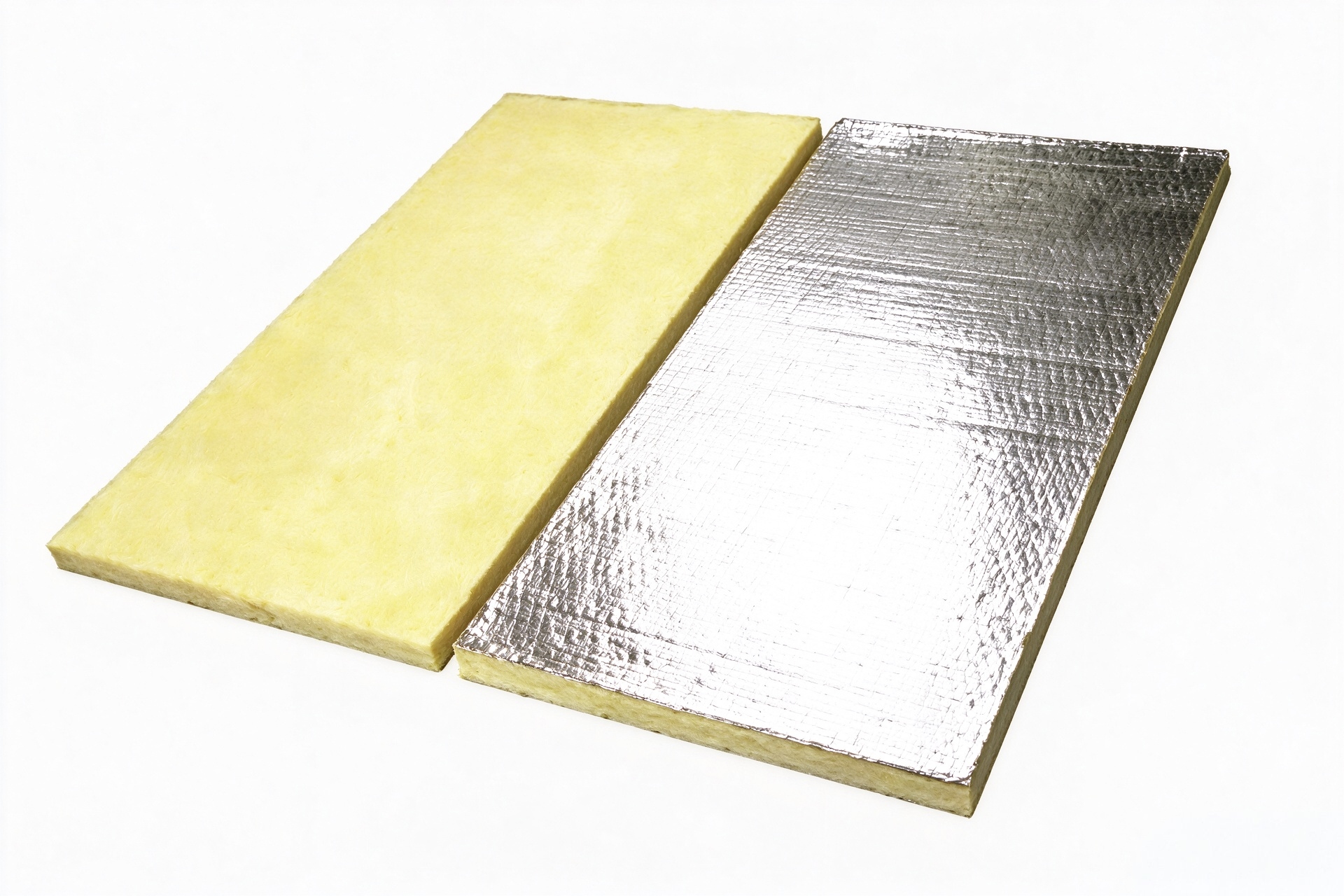
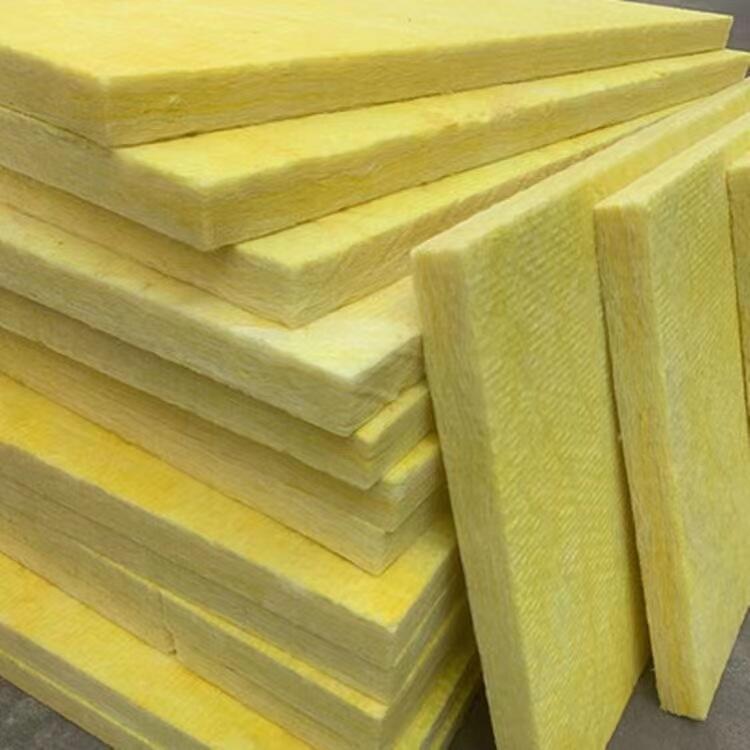
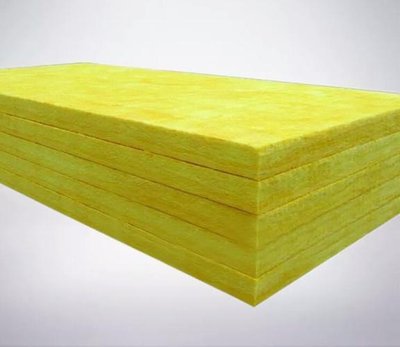
Flat, Stable Fiberglass Board Sheets for Wall Panels, Enclosures and Acoustic Linings
Fiberglass Board Sheets Manufacturer for Industrial and Building Insulation
Soft insulation sags, crushes and leaves gaps where a flat, firm surface is needed. Xiaolong produces rigid and semi-rigid fiberglass board sheets that stay flat, cut cleanly and keep their shape on the wall, roof or equipment panel. We make them for contractors, panel fabricators and distributors who need the same thickness and density on every order. Contact Xiaolong to discuss board specifications and your insulation needs.
Fiberglass Board Sheets: Key Advantages
Dimensional Rigidity
- Resin-bonded glass fibres form a flat panel that does not sag across spans, unlike batts or rolls.
- Higher-density grades resist light foot traffic and handling damage during installation.
Fabrication-Friendly Format
- Boards can be cut to size, notched around pipes and trimmed on site with a sharp blade.
- Square-edge sheets butt tightly together, reducing joint gaps and thermal bridging.
Surface Support Capability
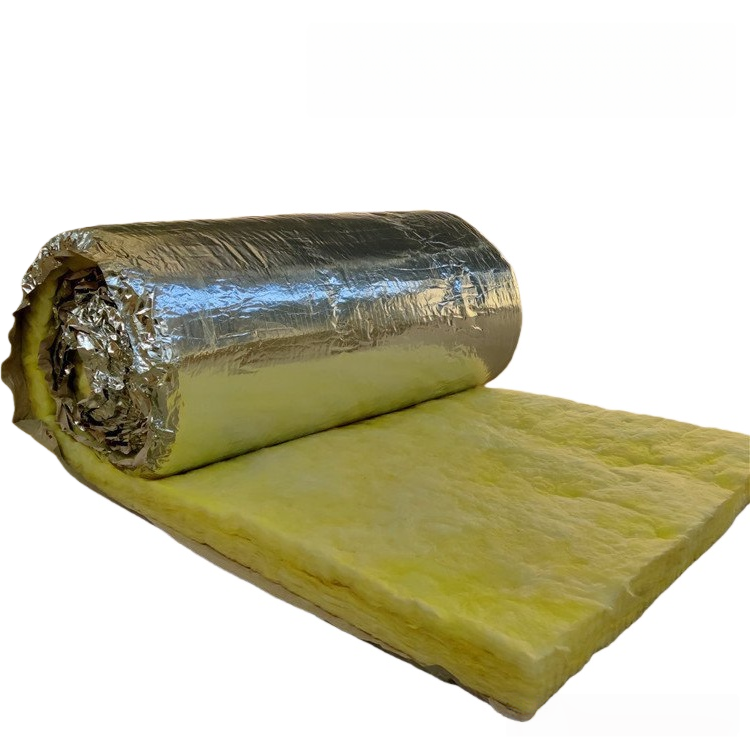
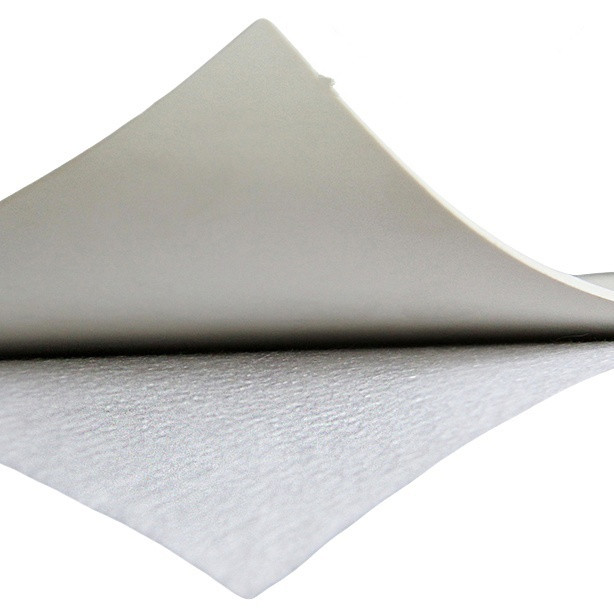
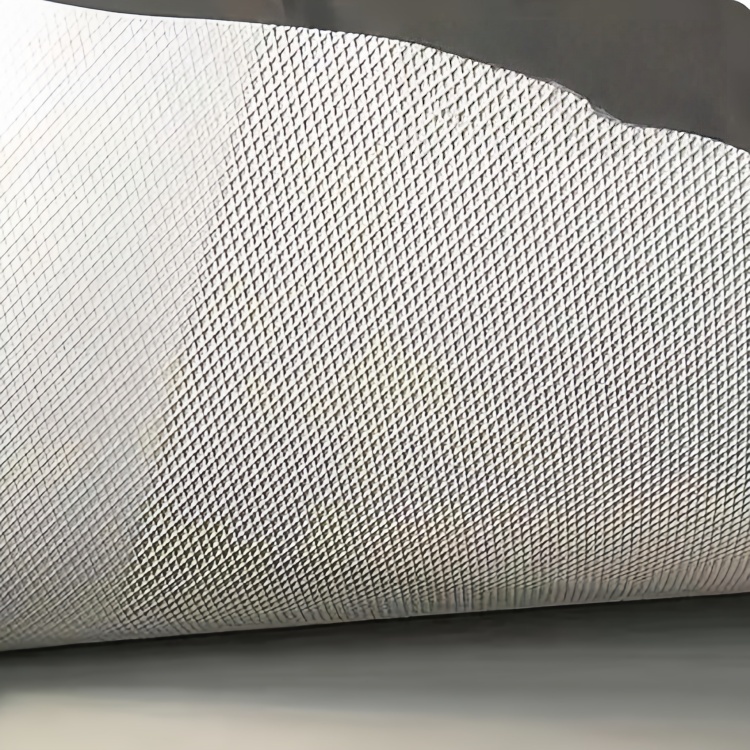
- Facings such as aluminum foil or glass tissue give a cleaner, more durable surface for coatings and adhesives. Our guide on how to paint fiberglass board explains the surface preparation step by step.
- Foil facings add a vapour barrier layer, which helps in cold stores and humid rooms.
Thickness Selection Flexibility
- Thin boards fit enclosure linings and panel cores, while thick boards meet wall and roof insulation targets.
- Two thinner layers with staggered joints often beat one thick layer for thermal performance.
Stable Thermal and Sound Performance
- Still air trapped between fine fibres gives low thermal conductivity, and the open structure absorbs noise.
- Unfaced fiberglass board sheets are noncombustible, and the facing you choose decides the final fire class.
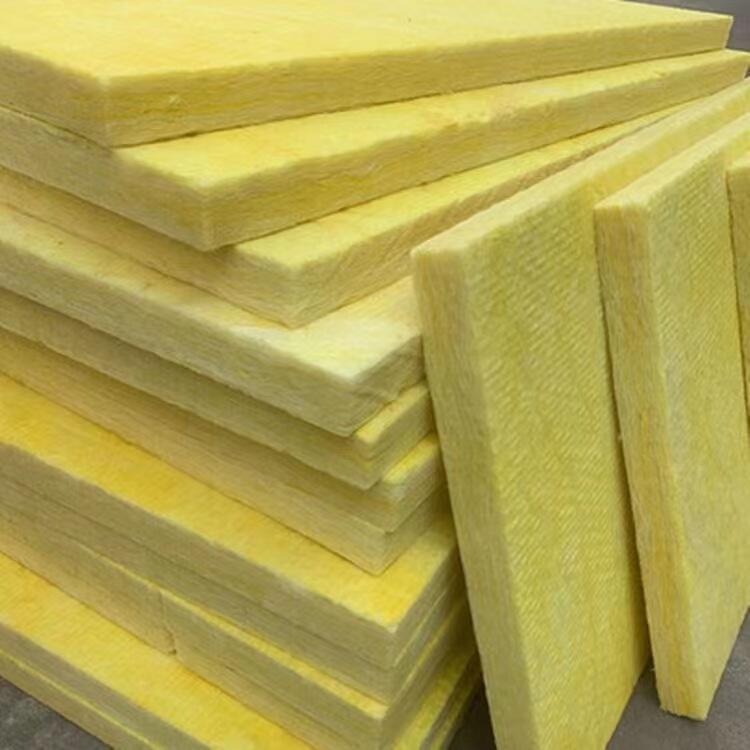
Fiberglass Board Sheets Specifications
| Parameter | Specification |
|---|---|
| Product Form | Rigid Board / Semi-Rigid Board |
| Density | 48–144 kg/m³ (multiple grades) |
| Thickness | 15–100 mm |
| Width | 600 / 1,200 mm and other sizes |
| Length | 1,200 / 2,400 mm and other sizes |
| Thermal Conductivity (λ) | 0.032–0.040 W/m·K |
| Reaction to Fire | Euroclass A1 (unfaced) |
| Facing Options | Unfaced / Aluminum Foil / Glass Tissue |
| Edge Style | Square Edge / Other Profiles |
| Color | Yellow / White / Black, by Grade |
Suitable Uses for Rigid Fiberglass Board Sheets
Metal Building Wall Systems
- Insulation behind steel cladding, where a flat board keeps a uniform thickness along the full wall height.
- Infill between girts and studs in warehouses, workshops and cold-storage buildings.
Air-Handling Unit and Equipment Enclosures
- Panel cores and linings for AHU casings, generator housings and compressor cabinets.
- Foil-faced boards for smooth, easy-to-clean internal surfaces.
Commercial Roof Decks
- Insulation layer under membranes or metal deck roofs.
- Dense boards that spread load and resist denting from installers and tools.
Industrial Acoustic Linings
- Noise control panels in plant rooms, test chambers and machinery rooms.
- Wall and ceiling absorbers in workshops, studios and public buildings.
- Backing for perforated metal facings in acoustic baffles.
Density, Cutting and Finishing Questions
1. Are fiberglass board sheets the same as FRP panels?
No. Searching for fiberglass board sheets often returns FRP (fibreglass-reinforced plastic) wall panels and roofing sheets, which are hard resin laminates used for wall surfaces. Xiaolong fiberglass board sheets are glass-fibre insulation boards. They are for thermal and acoustic control, not for wear surfaces. If your project needs a washable finish, pair our boards with a suitable cladding or choose the foil-faced option.
2. Can you paint fiberglass board?
Yes, but not directly. Faced boards have a smooth surface that makes paint slide off, so clean the facing, sand it lightly and apply a compatible primer before the topcoat. Unfaced boards are fibrous and are better covered with a coated facing or panel than painted. See our full guide on painting fiberglass board before you start.
3. How should I cut and fix boards without crushing the edges?
Press a straight edge firmly along the cutting line to compress the fibres, then make a single pass with a sharp blade. Dull blades tear the fibres and leave ragged edges. For fixing, use mechanical fasteners with wide washers or an adhesive suited to glass fibre. Do not over-tighten, because crushed board loses thickness and insulation value at the fixing point.
4. Can I use fiberglass board sheets in a basement or garage?
Yes, if you control moisture. Glass fibre does not rot, but it loses thermal performance when it is wet. Keep boards off the floor, leave an air gap against damp masonry, and use a foil-faced board or a separate vapour layer on the warm side. Replace any section that has been soaked, as it will not recover its original performance.
5. What is the highest temperature the boards can handle?
Glass fibre itself tolerates high heat, but the resin binder sets the working limit. Standard grades suit building and low-to-medium temperature equipment, such as AHU panels and ductwork. For hot process lines, flues or furnace surfaces, choose a high-temperature grade and tell us the operating temperature before you order.
Ready to Specify Your Boards
Send Xiaolong your required thickness, density and facing, plus the surface the boards will sit on, and we will recommend a suitable grade. We support bulk wholesale, custom specifications, project tenders and factory test documents for B2B buyers who want fiberglass board sheets they can rely on from the first panel to the last.