
Stop Heat Loss and Pipe Sweating with Xiaolong Fiberglass Water Pipe Insulation
Fiberglass Water Pipe Insulation Supplier for Hot and Chilled Water Systems
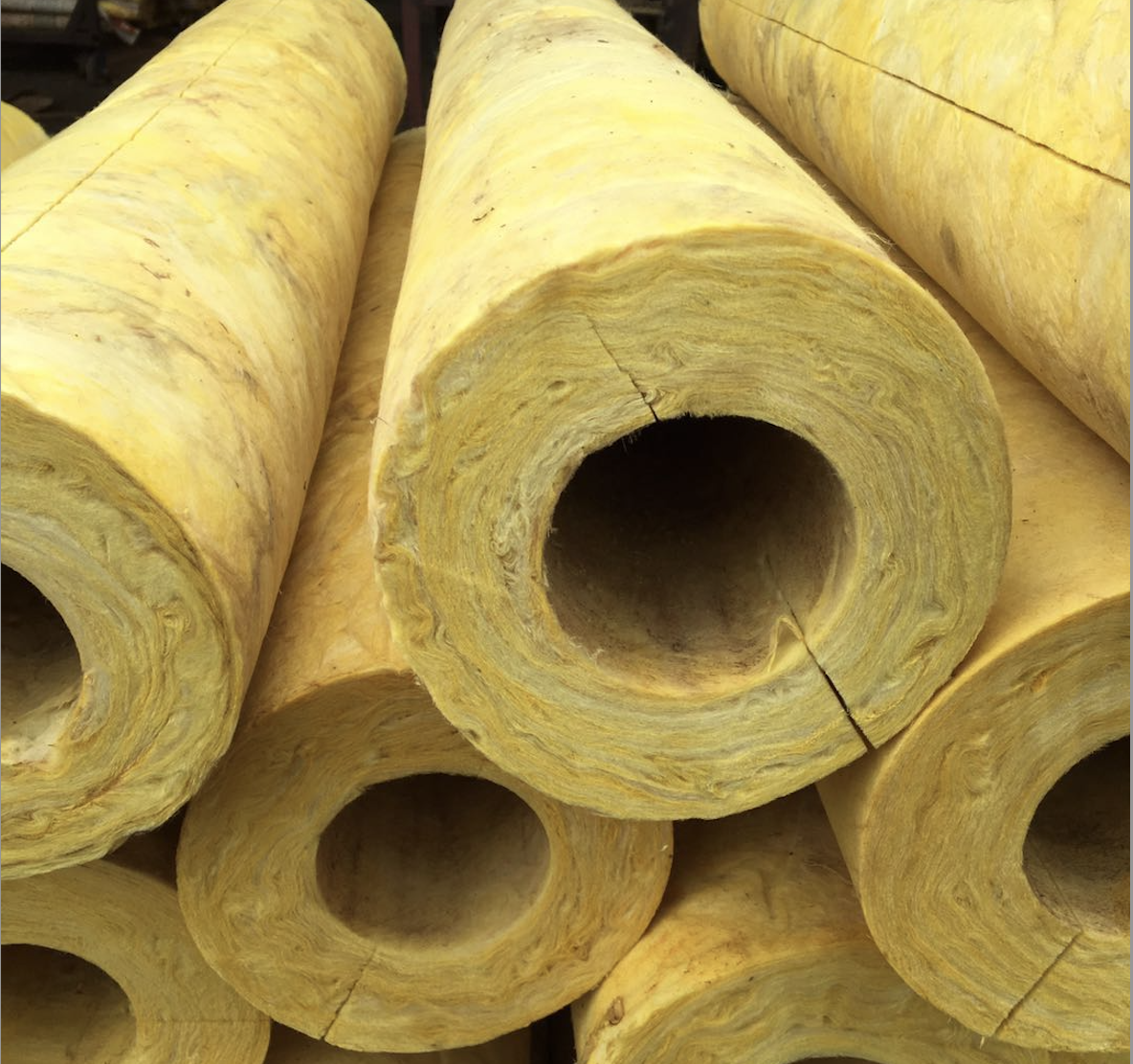
Bare water pipes waste heat in winter and drip condensation in summer, and both problems end up as higher energy bills and damaged ceilings. Xiaolong manufactures preformed fiberglass water pipe insulation that fits closely around the pipe and keeps fluid temperature steady along the full run. Tell us about your piping system and our team will help you identify suitable insulation specifications.
Fiberglass Water Pipe Insulation Benefits
Cylindrical Conformity
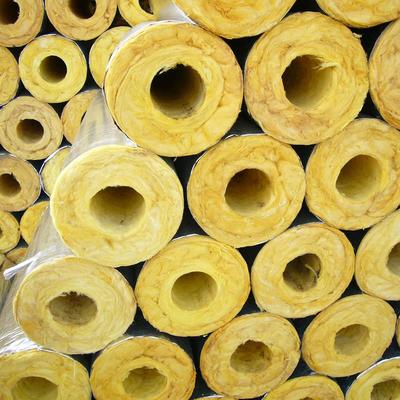
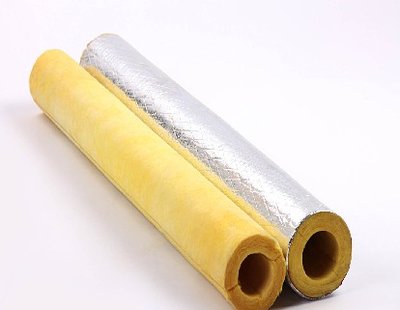
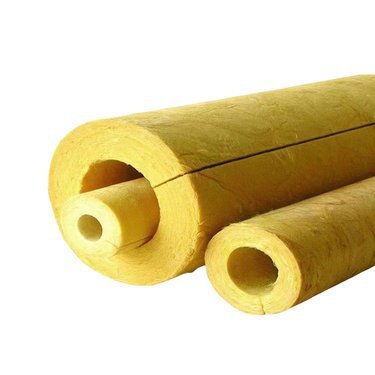
Preformed split sections wrap the pipe evenly, so there are no loose gaps along the length of the run.
Inner diameter is matched to the pipe's outside diameter. Copper tube and steel pipe with the same nominal size have different outside diameters, so always specify the actual OD.
Fluid Temperature Retention
Low thermal conductivity in our fiberglass water pipe insulation limits heat loss from hot water and heat gain in chilled water lines.
The stable fibre structure of Xiaolong fiberglass water pipe insulation keeps its thickness over time, so performance does not drift after the first season.
Jacket-Compatible Moisture Protection
Aluminum foil or other jackets provide a vapour barrier, which is essential on cold pipes where moisture can reach the fibre.
Sealed longitudinal seams and butt joints matter as much as the jacket itself.
Serviceable Pipe Coverage
Split sections open and close without cutting, so a valve or flange can be exposed and re-covered without tearing out the line.
Sections are short enough to handle by one installer on ladders and in narrow service shafts.
Fiberglass Water Pipe Insulation Specifications
| Parameter | Specification |
|---|---|
| Product Form | Preformed Split Pipe Section |
| Density | 48–96 kg/m³ (multiple grades) |
| Pipe Size (Inner Diameter) | Matched to pipe OD, from 21 mm up to 325 mm |
| Insulation Thickness | 25–100 mm |
| Section Length | 1,000 mm |
| Thermal Conductivity (λ) | 0.032–0.040 W/m·K |
| Operating Temperature | Up to 250 °C |
| Reaction to Fire | Euroclass A1 (unfaced) |
| Outer Jacket | Unfaced / Aluminum Foil / Other Jackets |
| Color | Yellow / White, by Grade |
Where Fiberglass Water Pipe Insulation does the Most Work
Domestic Hot-Water Distribution
Supply and recirculation lines fitted with fiberglass water pipe insulation in apartments, offices and hotels, where heat loss runs around the clock.
Riser pipes in shafts, where warm air and long vertical runs make uninsulated pipe expensive.
Chilled-Water Circulation Networks
Air-conditioning supply and return lines above ceilings in commercial buildings.
Plant rooms, where foil-jacketed sections prevent surface condensation on cold pipe.
Branch connections to fan coil units, where fittings and valves also need covering.
Healthcare Plumbing Infrastructure
Hot and cold water lines in hospitals and clinics, where temperature stability is part of safe operation.
Concealed service corridors where the covering must be neat and easy to access.
Outdoor Utility Pipe Runs
Rooftop and external pipe runs between buildings, protected by a metal outer jacket against rain and UV.
Heated water lines on industrial sites where wind increases heat loss.
Fiberglass Pipe Insulation Selection
1. Is fiberglass or rubber insulation better for chilled water lines?
Both work, but they behave differently. Fiberglass water pipe insulation suits large pipe networks, higher temperatures and straight runs where preformed sections save time. Rubber foam is flexible and closed-cell, which helps on small bends and tight spaces. The deciding factors are pipe size, temperature range and how well the moisture seal can be maintained. Our guide to glass wool pipe insulation vs rubber insulation walks through the comparison in more detail.
2. Will insulation stop my water pipes from freezing?
No. Insulation only slows heat loss. If water sits still in a pipe in freezing weather, it will eventually freeze, insulated or not. For exposed pipes in cold areas, combine insulation with heat tracing or keep the water moving, and make sure the insulation is dry and covered with a weatherproof jacket.
3. How do I insulate valves, elbows and pipe hangers?
Fittings are where most systems fail. Use pre-cut fitting covers or cut sections into mitres for elbows, and build up the same thickness as the straight run. At hangers, use a support shield or a rigid insert so the weight of the pipe does not crush the fibre. Seal all butt joints with matching tape so the vapour barrier is continuous, particularly on chilled water lines.
4. Can I fit fiberglass pipe insulation myself on existing pipes?
Yes. Split sections of fiberglass water pipe insulation open along one side and snap around the pipe, so there is no need to drain or disconnect anything. Place the seam on the underside or the least visible side, and seal it with the self-adhesive flap or tape. Wear gloves, long sleeves and a dust mask when cutting, because loose fibres can irritate skin.
5. How thick should insulation be on chilled water pipes?
Thickness depends on the water temperature, the room's humidity and the pipe size. The colder the water and the more humid the space, the thicker the insulation and the better the vapour barrier must be. Adding thickness will not fix leaky joints, so check dew point at the design conditions and tell us the pipe size and ambient conditions, and we will suggest a suitable thickness.
Plan Your Pipework Insulation with Xiaolong
If you are insulating a building, a plant room or a full piping network, Xiaolong can help you choose the right fiberglass water pipe insulation and supply it in the quantities your project needs. We support custom specifications, bulk wholesale orders, project tender support and factory test documents. Send us your pipe sizes, operating temperatures and jacket requirements to get started.