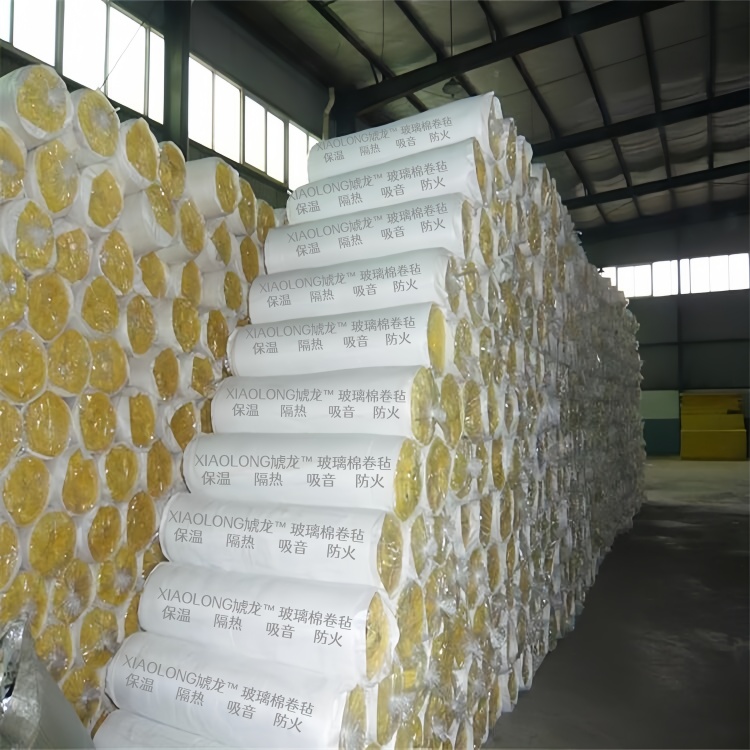
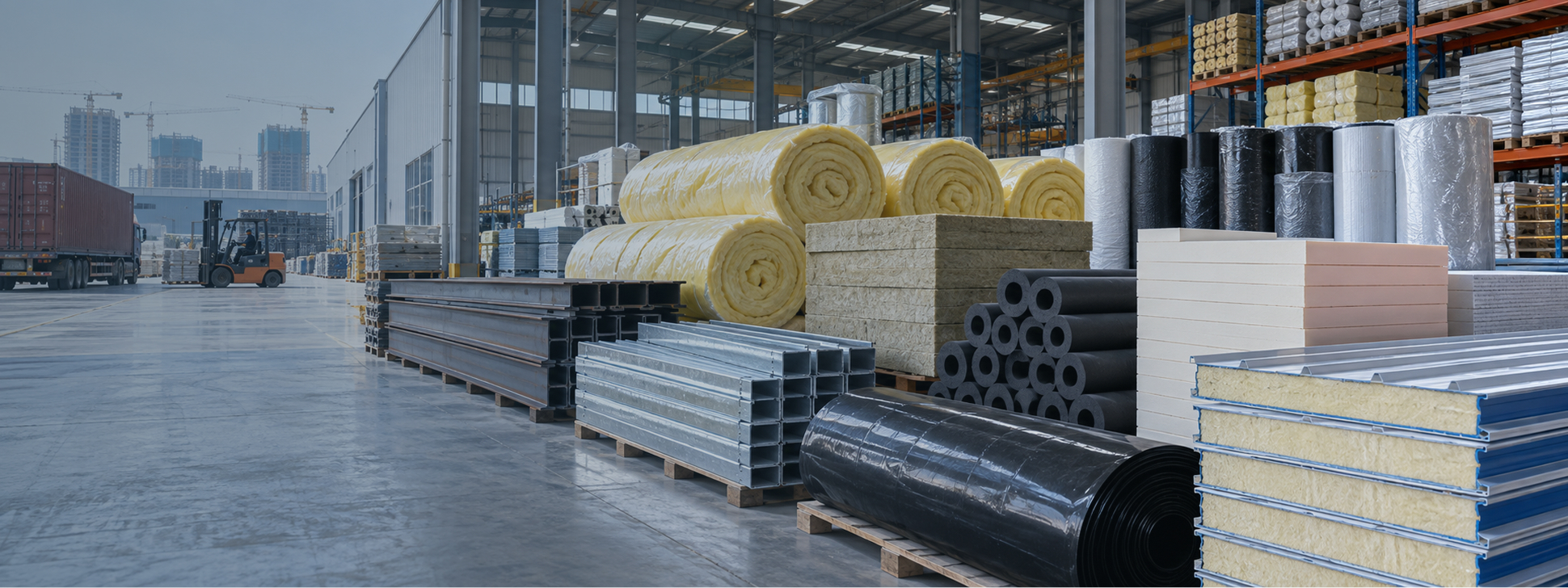
Cut Heat Loss and Noise in Every Cavity with Xiaolong Glass Mineral Wool Insulation
Glass Mineral Wool Insulation Manufacturer for Building and HVAC Projects
Gaps, slumped batts and thin spots are what quietly ruin a building's energy performance. Xiaolong is a manufacturer of glass mineral wool insulation that holds its thickness, fits tightly between studs and joists, and keeps delivering the thermal and acoustic results written in your specification. Our team supports contractors, distributors and developers with consistent product grades from batch to batch. Contact Xiaolong to discuss your insulation requirements and find the right grade for your next project.
Glass Mineral Wool Insulation Performance You Can Specify with Confidence
Thermal Resistance Stability
Fine, evenly spun glass fibres in our glass mineral wool insulation trap still air, giving a thermal conductivity of 0.032–0.044 W/m·K depending on density.
Thermal values are controlled by fibre diameter and density, so the R-value you calculate on paper is the one you get in the wall.
Sound Absorption Efficiency
The open, non-continuous fibre structure of glass mineral wool insulation absorbs airborne sound inside partitions, floors and suspended ceilings.
Airflow resistivity, not just thickness, drives acoustic results, so Xiaolong grades are matched to cavity depth.
Lightweight Cavity Filling
Low weight reduces load on ceilings, roof structures and lightweight steel frames.
Rolls and batts cut cleanly with a knife and can be cut slightly oversize for a friction fit, with no fixings needed in standard stud cavities.
Consistent Thickness Recovery
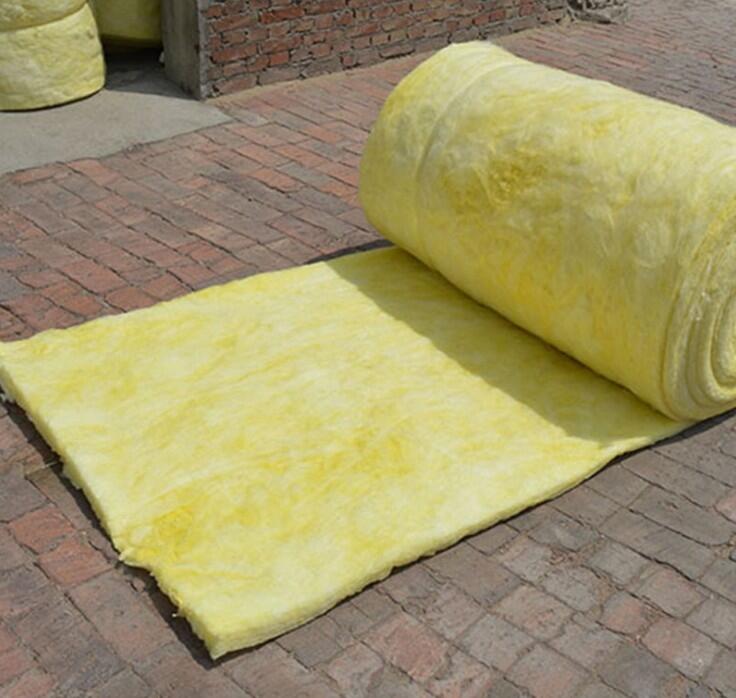
Glass mineral wool insulation is compressed for transport; our binder system lets it spring back to its declared thickness once opened.
Full recovery matters because every millimetre lost on site is lost R-value.
Noncombustible Core Options
Unfaced Xiaolong glass mineral wool insulation reaches Euroclass A1 reaction to fire, and the fibre itself does not feed a flame.
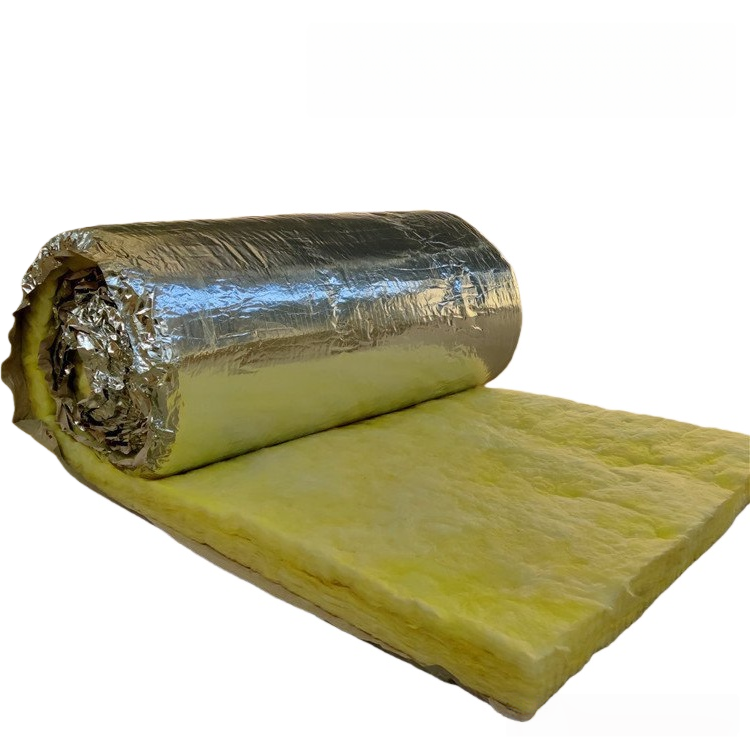
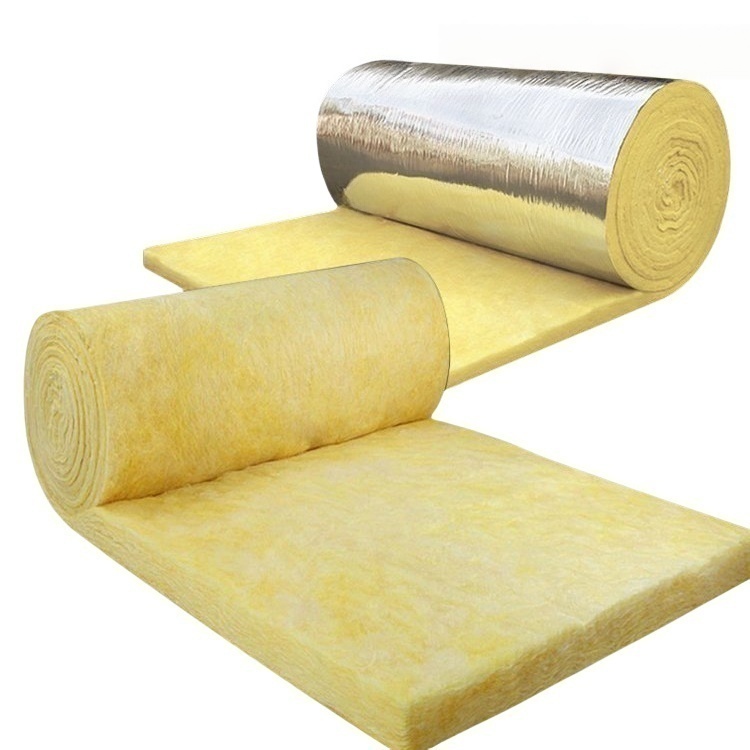
Facings such as aluminum foil can change the fire class of the finished product, so we help you choose the facing to match the fire requirement.
Glass Mineral Wool Insulation Specifications
| Parameter | Specification |
|---|---|
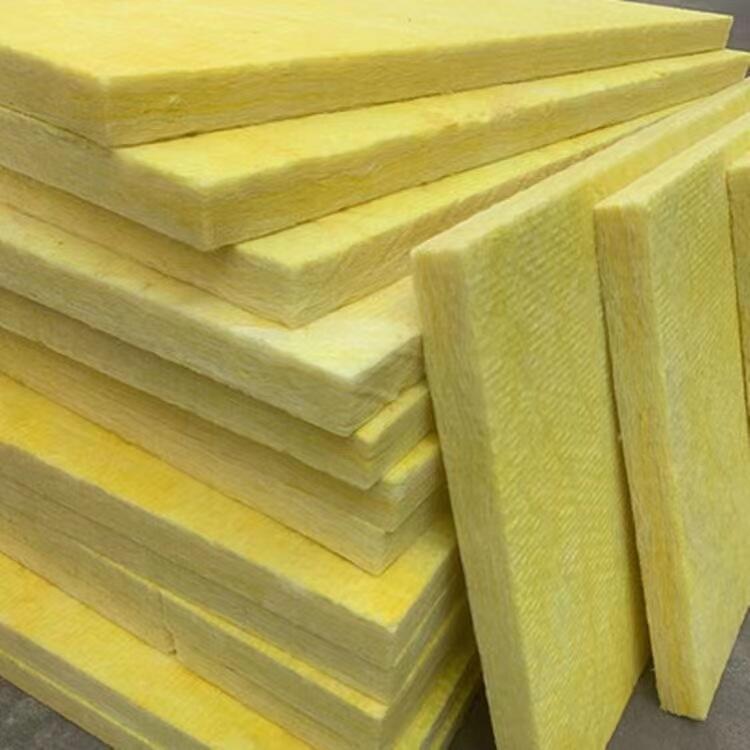
| Product Form | Roll / Batt / Slab |
| Density | 10–48 kg/m³ (multiple grades) |
| Thickness | 25–200 mm |
| Width | 600 / 1,200 mm and other sizes |
| Length | Rolls and cut batts in several lengths |
| Thermal Conductivity (λ) | 0.032–0.044 W/m·K |
| Reaction to Fire | Euroclass A1 (unfaced) |
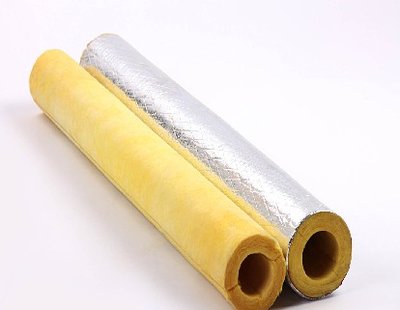
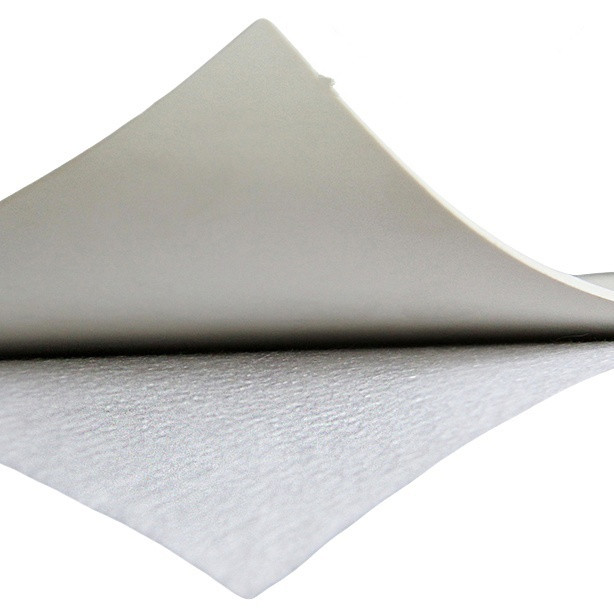
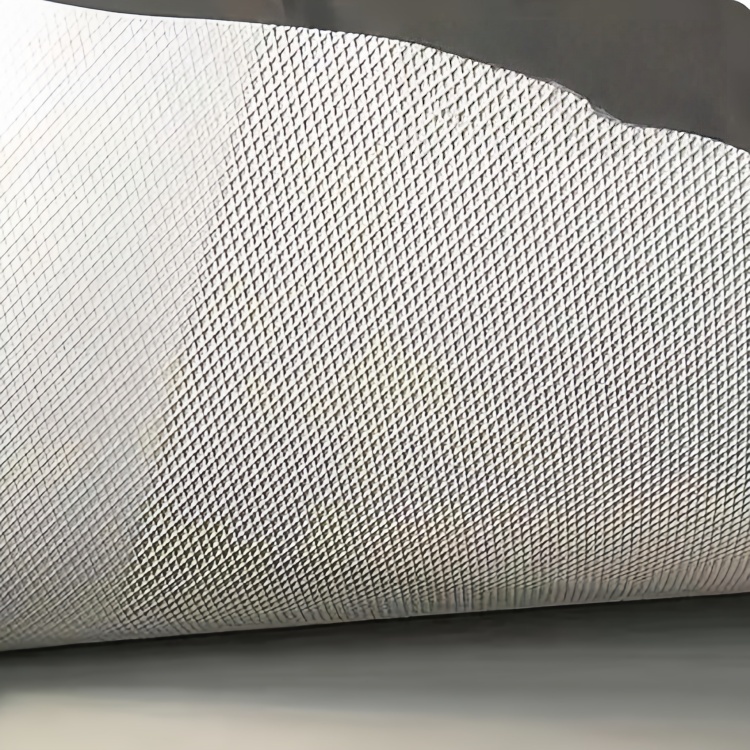
| Facing Options | Unfaced / Aluminum Foil / Other Facings |
| Color | Yellow / White / Other Colors |
Where Glass Mineral Wool Insulation Works Hardest
Exterior Wall and Stud Cavities
Residential and commercial timber or steel stud walls, the most common use of glass mineral wool insulation, where a friction-fit batt closes the cavity fully.
Masonry cavity walls using semi-rigid slabs that keep their shape against the inner leaf.
Prefabricated wall panels where light weight speeds up factory assembly.
Roofs and Attic Floors
Pitched roof rafters and loft floors, laid in two crossed layers to cover joists and reduce thermal bridging.
Metal-deck roofs where foil-faced rolls add a vapour control layer.
Ceilings and Interior Partitions
Office and hotel partitions where airborne sound between rooms is a key requirement.
Suspended ceiling voids above meeting rooms, classrooms and clinics.
Floor voids between apartments, where partial cavity fill delivers most of the acoustic benefit.
HVAC Ducts and Low-Temperature Equipment
Duct wrap and plenum lining to limit heat gain, condensation and fan noise.
Water tanks and light industrial equipment operating within the product's service temperature range.
Material Selection and Installation Guidance
1. How do I choose the right density for walls, ceilings and roofs?
Match density to how the material is held in place. Light rolls (roughly 10–16 kg/m³) suit horizontal laying in lofts. Mid-density batts (around 18–32 kg/m³) grip well in vertical stud walls and resist slumping over time. Higher-density slabs suit areas where the board needs to stay flat, such as cavity walls, duct wrap and acoustic partitions. Higher-density glass mineral wool insulation usually lowers λ slightly, but it also raises cost, so use it where performance or stability needs it.
2. Is glass mineral wool insulation itchy, and how should I handle it?
Some people feel short-term skin itch, because fibre ends can rub against skin. It is a mechanical effect, not an allergy. Wear long sleeves, gloves, eye protection and a dust mask when cutting, keep the area ventilated, and rinse skin with cool water rather than scrubbing. Once the product is enclosed behind plasterboard or a ceiling, it has no contact with the room.
3. What happens if the insulation gets wet on site?
Wet wool loses thermal performance because water replaces the air in the fibre structure. Minor surface dampness usually dries out if the material is allowed to air and is not yet covered. Fully soaked or compressed material should be replaced. Store rolls off the ground and under cover, and close the building envelope before installation begins. In wall assemblies, place the vapour control layer on the warm side so moisture cannot build up inside the cavity.
4. Should I choose glass mineral wool or rock wool for my home?
For most homes, glass mineral wool insulation is the more practical choice for walls, lofts and partitions. It is lighter, easier to cut and usually more economical per R-value. Rock wool is heavier and denser, so it makes more sense around chimneys, flues, fire barriers or where sustained temperatures are high. For ordinary living spaces, glass mineral wool delivers the required thermal and sound performance at lower weight.
5. Can it be used on hot ducts and boiler-side equipment?
Within limits. The organic binder that holds the fibres together sets the maximum service temperature, which is lower than the temperature the glass fibre itself can withstand. For general building HVAC, such as supply air and hot water pipes, the product is well suited. For flue gas, boilers or process lines running well above typical building temperatures, switch to a higher-temperature mineral wool grade and confirm the operating temperature with us before you order.
Tell Us What You're Insulating, and We'll Help You Quote It
Xiaolong supplies glass mineral wool insulation for contractors, distributors and project owners who want stable quality and a supplier who answers technical questions properly. Send us the following and our team will get back with a suitable grade recommendation:
- Project type and building location
- Target thermal or acoustic performance
- Estimated quantity and thickness range
- Any tender or specification requirements
We support bulk wholesale orders, custom specifications, project tenders and factory test documents, so your insulation decisions are backed by data. Reach out to Xiaolong today to start your project.