
Phenolic Board Selection Guide: How to Choose the Right Insulation Board
Choosing a phenolic insulation board is not simply a matter of selecting the thickest or lowest-priced option. The right specification depends on the building or industrial application, available installation space, required insulation thickness, board dimensions, surface conditions, and project requirements.
This guide explains the main factors to consider when selecting phenolic board for construction, HVAC, and industrial insulation projects. The goal is to help buyers and project teams identify a practical specification before requesting a quotation.
Start With the Application
The first step is to identify where the phenolic board will be installed.
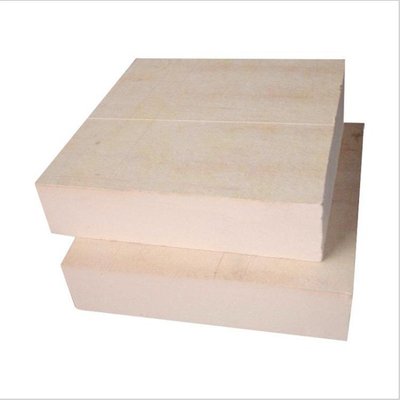
Phenolic insulation board can be considered for applications such as building walls, roofs, ceilings, HVAC ductwork, and selected industrial insulation systems. Different applications can have different requirements for board thickness, dimensions, surface treatment, and installation method.
As the U.S. Department of Energy – Energy Saver explains, improving insulation is one of the fastest and most cost-effective ways to reduce energy waste.
For example, a wall insulation project may prioritize thermal performance and available wall space, while an HVAC duct application may require easier cutting and fitting around duct sections.
Before selecting the board, confirm:
- Where the insulation will be installed
- Whether the surface is flat or irregular
Starting with the application helps avoid selecting a specification that is technically suitable on paper but inconvenient to install.
Choose the Appropriate Board Thickness
Thickness is one of the most important factors when selecting phenolic insulation board.
A thicker board generally provides a greater insulation layer, but the available space may limit the thickness that can be used. For retrofit projects, in particular, the insulation thickness may need to be balanced against existing wall, ceiling, roof, or equipment dimensions.
According to the DOE Energy Saver Guide, insulation should be selected by considering factors such as climate, building design, and project requirements rather than simply choosing the thickest option.
The required thickness should therefore be determined according to the project's thermal requirements rather than simply choosing the maximum available thickness.
When requesting a quotation, provide the required thickness or the project's insulation requirements if they are already defined. If the required thickness has not been confirmed, the application and available installation space should be discussed before ordering.
Check Board Size and Cutting Requirements
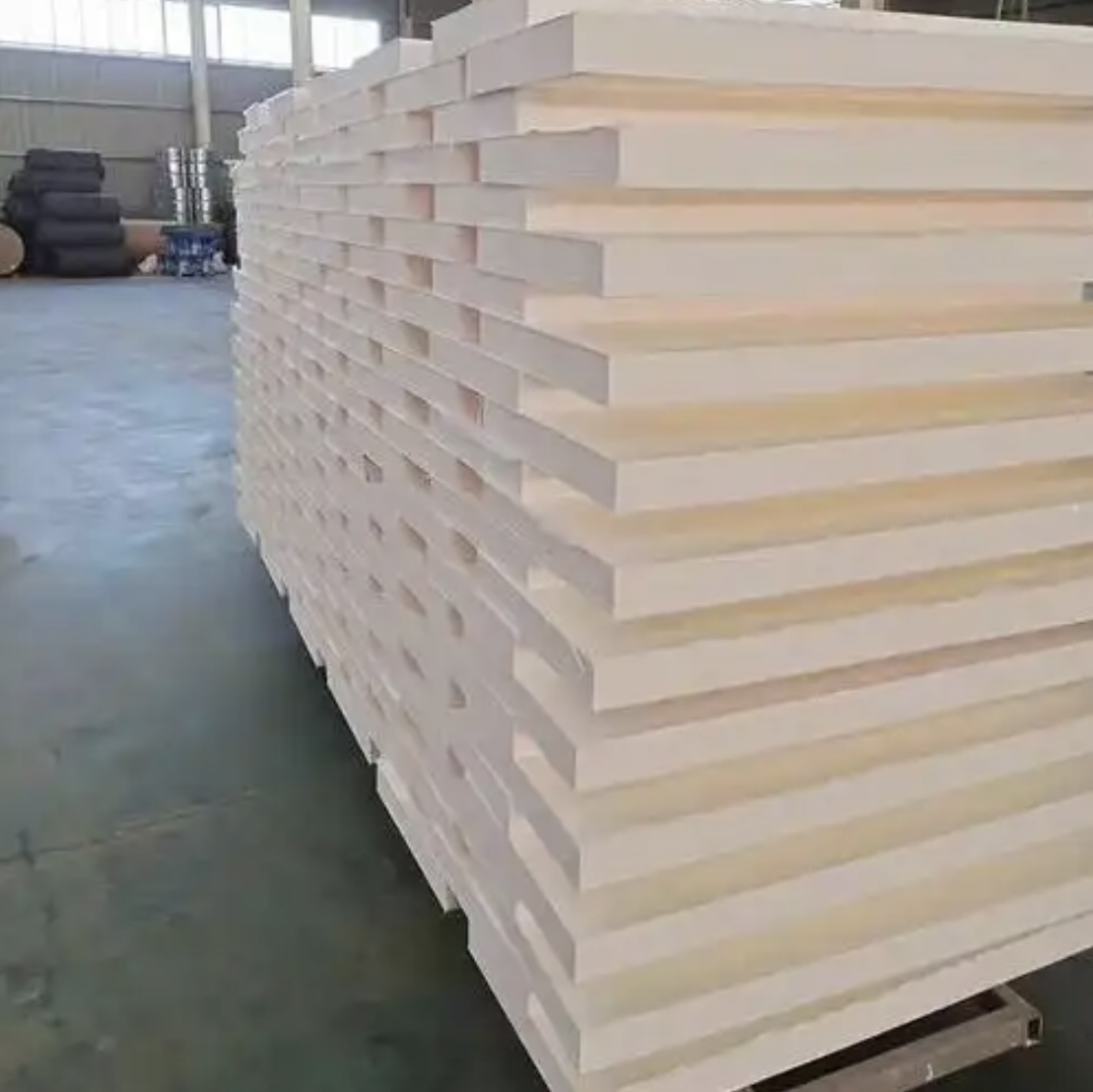
Board dimensions directly affect transportation, handling, cutting, and installation efficiency.
Standard board sizes may work well for large flat surfaces, while custom-cut panels can be useful when the project contains specific dimensions or repeated installation patterns.
For large-volume projects, it is worth confirming whether the supplier can provide:
- Required board length and width
- Different thickness options
- Custom cutting
- Consistent dimensions for repeated orders
- Packaging suitable for transportation
Providing drawings or a detailed size schedule can make it easier for the supplier to confirm the appropriate production specification.
Consider Surface and Installation Requirements
Phenolic boards may be supplied with different surface configurations depending on the product specification. The appropriate surface should be considered together with the installation method and the surrounding insulation system.
The National Insulation Association – Benefits of Insulation notes that a properly designed and installed insulation system provides both immediate and long-term benefits, highlighting the importance of matching installation quality with product selection.
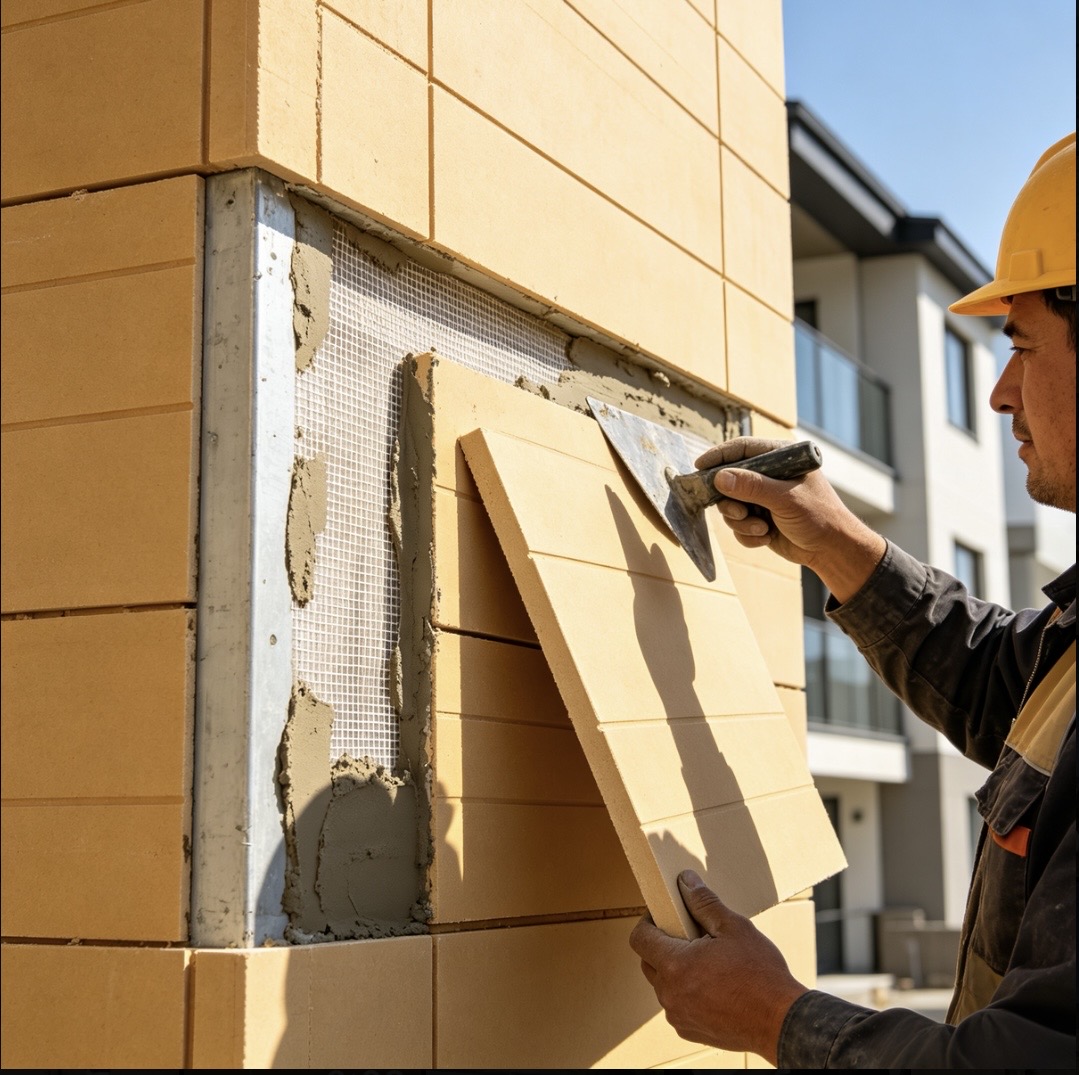
Installation conditions also matter. The boards need to be measured and cut accurately so that joints remain properly fitted. Careful handling is particularly important because rigid foam boards can be damaged at edges and corners during transportation or cutting.
For projects involving multiple insulation sections, installation planning should also consider joints, penetrations, fixing methods, and transitions between different surfaces.
A good product specification should therefore match not only the insulation requirement but also the practical installation method.
Consider the Operating Environment
The surrounding environment is another important selection factor.
For building applications, consider factors such as indoor or outdoor exposure, moisture conditions, available space, and the construction system in which the board will be installed.
For industrial applications, additional factors may include the operating environment, surface temperature, exposure conditions, and contact with other materials.
The NIA Research on Energy Efficiency & Emission Reductions emphasizes that well-designed insulation systems contribute to improved energy efficiency and reduced greenhouse gas emissions in industrial applications.
Phenolic board should be selected according to the actual conditions of the project. Where the application involves unusual temperatures, chemicals, moisture, or other demanding conditions, the specific product specification should be confirmed with the manufacturer before purchase.
Match the Specification to the Project
Once the application, thickness, dimensions, and installation conditions have been identified, the information can be organized into a simple purchasing specification.
| Selection Item | What to Confirm |
|---|---|
| Application | Wall, roof, ceiling, HVAC duct, or industrial insulation |
| Board Thickness | Required thickness or project thermal requirement |
| Board Size | Standard dimensions or custom dimensions |
| Surface | Required surface configuration |
| Cutting | Standard boards or custom-cut panels |
| Quantity | Estimated project or wholesale quantity |
| Installation | Fixing, cutting, joints, and site conditions |
| Delivery | Destination and packaging requirements |
This information gives suppliers a clearer basis for quotation and helps reduce specification changes later in the purchasing process.
When Should You Consider Phenolic Board?
Phenolic board can be considered when a project needs a rigid insulation board and available installation space is an important consideration.
It may be suitable for building insulation, HVAC applications, and selected industrial projects where the board format fits the construction or equipment design.
As highlighted by the National Insulation Association, insulation systems can support energy savings, moisture control, and equipment protection when they are properly designed and installed.
However, product selection should always be based on the actual project conditions. Thermal requirements, installation space, environmental exposure, board dimensions, and applicable construction requirements should all be considered before placing an order.
Frequently Asked Questions
1. How do I choose the right phenolic board thickness?
Start with the project's thermal insulation requirements and the available installation space. The required thickness should be confirmed according to the specific application rather than selected only by price or maximum thickness.
2. Can phenolic board be supplied in custom sizes?
Custom dimensions or cutting requirements can be discussed for project orders. Providing drawings, size schedules, or detailed dimensions can help confirm whether the requested configuration is suitable.
3. Is phenolic board suitable for renovation projects?
Phenolic board can be considered for suitable renovation and retrofit applications, particularly where installation space is limited. Existing wall, roof, ceiling, or equipment conditions should be checked before determining the final board specification.
4. What information should I send when requesting a phenolic board quotation?
Provide the application, required board thickness, dimensions, quantity, surface requirements, delivery destination, and any available drawings or project specifications. More complete information allows the supplier to prepare a more accurate quotation.
5. Can phenolic board be used for HVAC duct insulation?
Phenolic board can be considered for suitable HVAC duct insulation applications. The board dimensions, thickness, surface configuration, and installation method should be matched to the specific duct system.
Conclusion
Selecting phenolic insulation board requires more than comparing product prices. Application, thickness, board dimensions, surface requirements, installation conditions, and project quantity all influence the final specification.
For project or wholesale requirements, you can also view the Phenolic Board Product Page for product information and purchasing details. Sharing your project requirements and drawings can help confirm a suitable specification before quotation.
References
U.S. Department of Energy. Why Energy Efficiency Matters.
U.S. Department of Energy. Energy Saver Guide (2022).
National Insulation Association. Benefits of Insulation.
National Insulation Association. Carbon Reductions Research.
National Insulation Association. Official Website.