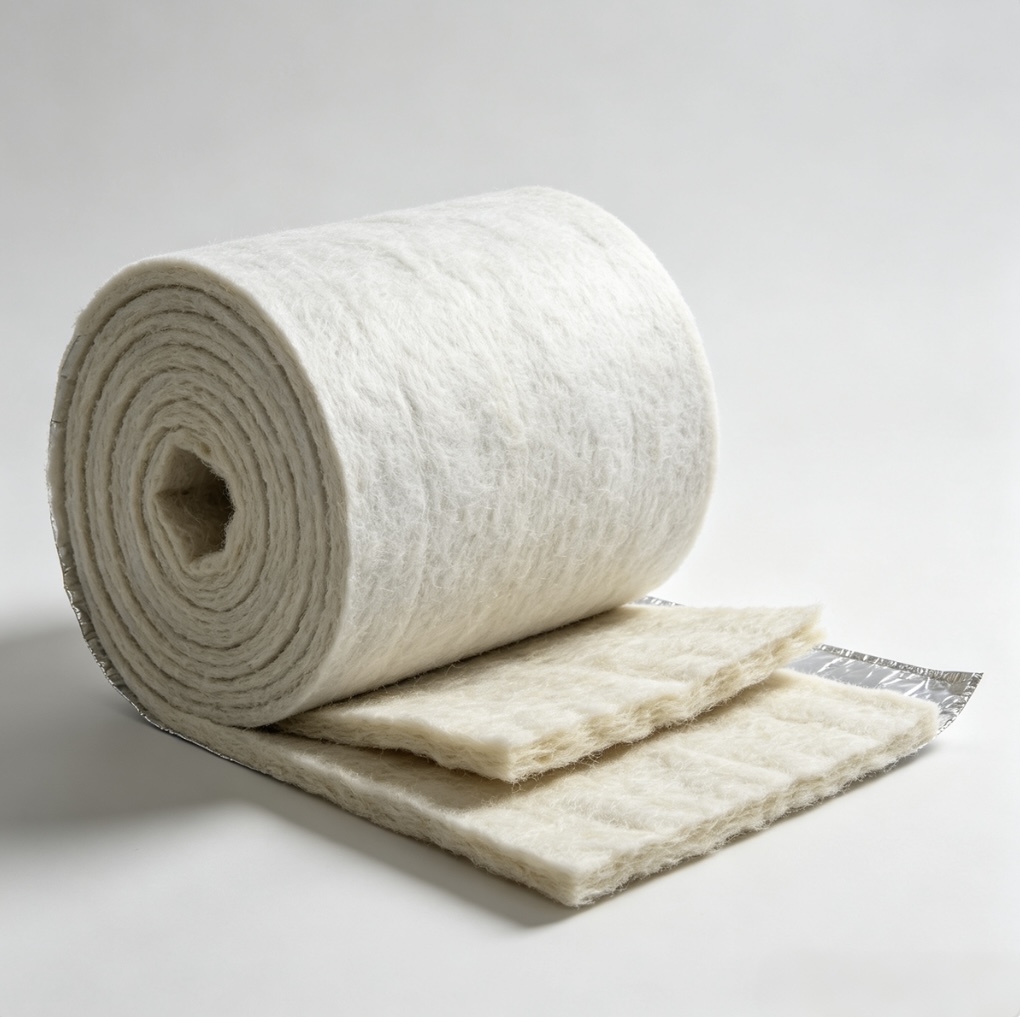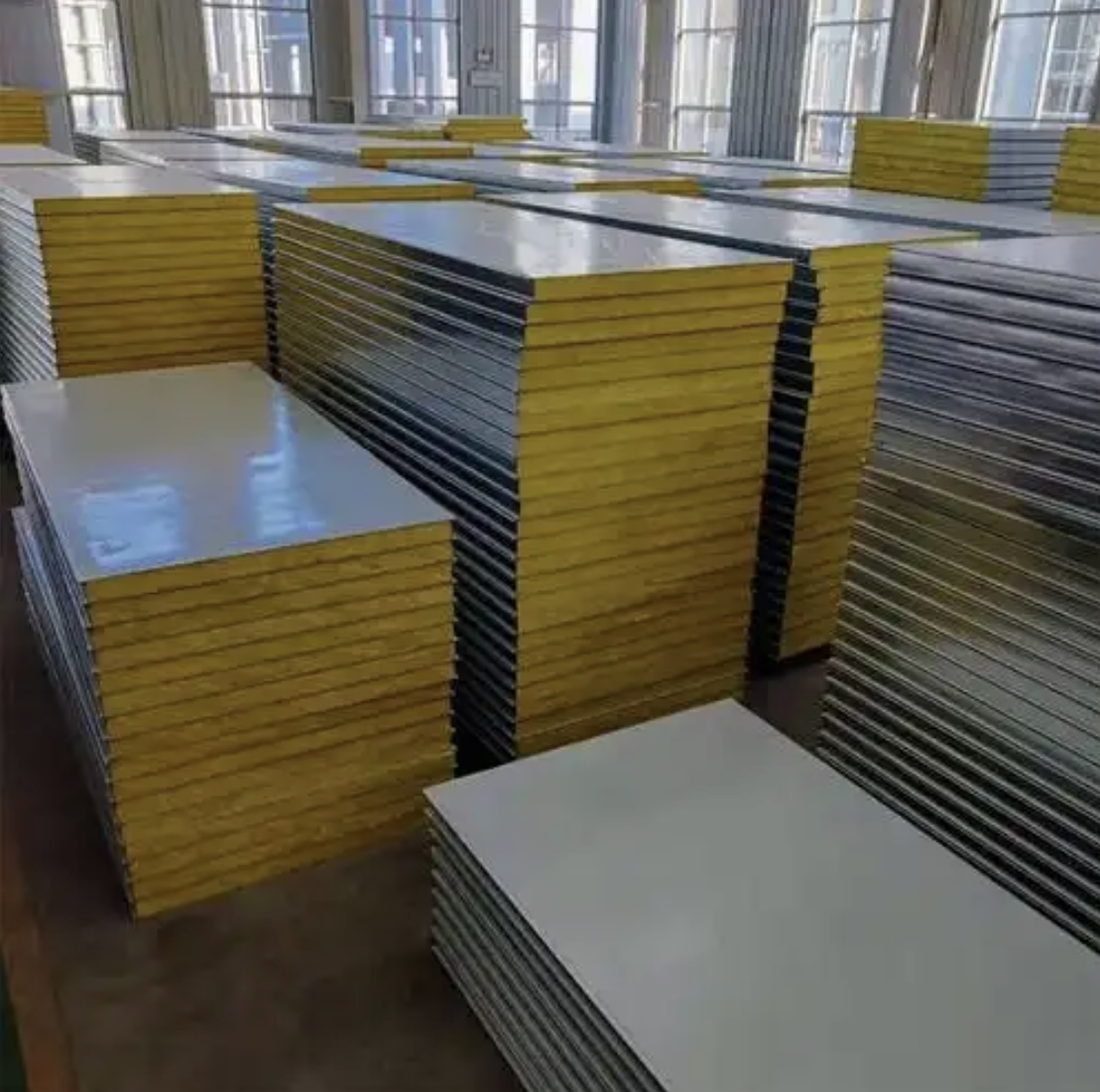

Rock Wool Board vs Foam Board: Which Is Better for Fireproofing and Insulation?
Your building code demands fire safety. Your budget demands value. Foam board is cheap and light. But it burns fast. Rock wool board solves both problems at once.
Rock wool board beats foam board for fireproofing and insulation in most builds. It resists heat above 1,800°F, blocks flame spread, and cuts noise. Foam board insulates well and costs less, but it melts and burns fast. Choose rock wool where fire code and sound control matter most.
I have worked with insulation boards for years. I test them on real job sites, not just on paper. Foam board can reach R-5 per inch, and it costs less to buy [3]. But standard foam burns fast and gives off thick smoke, which is why some codes require special fire-rated formulas before they allow it near occupied space [4]. In this post, I answer four questions buyers ask me most about rock wool board. We will look at fiberglass, installation, density, and sourcing. By the end, you will know which board truly fits your project.
Rock Wool Board vs Fiberglass Insulation Boards: Which Performs Better for the Money?
Fiberglass costs less upfront. But it melts at low heat and traps water. Rock wool costs more. The question is whether that extra cost pays off.
Rock wool insulation board performs better than fiberglass in fire resistance and sound control, but fiberglass wins on upfront price. Fiberglass softens near 1,000°F, while rock wool holds up above 1,800°F. For projects where fire rating matters, rock wool is worth the extra cost per inch.
Fire Resistance and Real-World Cost
Fire resistance is where the two materials split apart. In a real fire, rock wool slows flame spread and does not feed the fire. Fiberglass can soften and pull away from a stud cavity, opening a path for heat and smoke. Independent fire testing under EN 13501-1 classifies most rock wool board as Euroclass A1 or A2, meaning it is non-combustible or of only limited combustibility [2].
Cost tells a different story. Fiberglass wins on price per square foot. Rock wool runs about ten cents more per inch of thickness in many markets [1]. At Xiaolong, we hear this question from buyers almost every week. My advice is simple: match the material to the risk. A firewall, a mechanical room, or a high-rise cavity calls for rock wool. A standard wall with no special fire rating can often use fiberglass and save money.
|
Property |
Rock Wool Board |
Fiberglass Board |
|
Melting / softening point |
Above 1,800°F (982°C+) |
Near 1,000°F (538°C) |
|
R-value per inch |
About 3.0 – 4.0 |
About 3.0 – 4.3 |
|
Fire reaction |
Non-combustible (Euroclass A1/A2) |
Combustible binder, lower rating |
|
Typical cost |
Higher (about $0.10/in. more) [1] |
Lower |
How Do You Install Rock Wool Board for Soundproofing Walls?
Noise travels through gaps you cannot see. A wall with the wrong installation lets sound pass right through. Good rock wool installation closes those paths.
To install rock wool board for soundproofing, cut the board tight to stud spacing, fill the full cavity depth, and avoid compression. Seal all joints and penetrations with acoustic caulk. Add resilient channel or double drywall layers for extra sound blocking. A tight, gap-free install raises the wall's STC rating significantly.

High Density vs Standard Rock Wool Board: Which One Should You Choose?
More density sounds like more performance. That is not always true. Pick the wrong density, and you pay for strength you do not need.
Choose high-density rock wool board for exterior walls, roofs, and load-bearing work that needs rigidity and higher compressive strength. Choose standard-density board for interior partitions and general thermal insulation, where flexibility and lower cost matter more. Density mainly affects strength and acoustic behavior, not R-value, which stays close between the two.
Matching Density to the Job
Rock wool board density typically ranges from about 40 kg/m³ for light acoustic panels up to 160 kg/m³ or more for exterior and roofing boards [5][6]. Higher density gives the board more rigidity. It resists sagging on a roof deck and holds its shape under wind load on a tall exterior wall. Higher density also shifts the sound absorption curve, since thicker and denser boards score higher NRC and SAA ratings across more of the frequency range [7]. Independent lab comparisons put average rock wool absorption near an NRC of 0.95, noticeably higher than glass wool's 0.85 [8].
From a buyer's side, I always ask about the application first. A roof or exterior cladding board needs the compressive strength of a high-density product. An interior partition or ceiling panel rarely does. Paying for high density in a low-load wall just adds cost without a real benefit.
|
Application |
Recommended Density |
Why |
|
Interior partitions, ceilings |
Standard (about 40–80 kg/m³) |
Lower cost, easy handling, enough strength |
|
Exterior walls, roofs, load-bearing work |
High (about 100–160+ kg/m³) |
Rigidity, compressive strength, weather resistance |
|
Acoustic panels, bass control |
Standard to medium (about 40–70 kg/m³) |
Strong low-frequency absorption without over-reflecting |
Where Can You Buy High-Quality Rock Wool Boards?
A low price online can hide a weak product. Buying rock wool board without checking the source can cost you far more later.
Buy high-quality rock wool board from manufacturers or distributors who share test reports for fire rating, density, and thermal resistance. Look for Euroclass A1 or A2 certification and ASTM or EN compliance. Local building suppliers, certified distributors, and direct factory partners are more reliable sources than unverified online listings.
What to Check Before You Order
Sourcing rock wool board is not just about finding the lowest price per square meter. I look for three things before I trust a supplier. First, test reports. A real manufacturer can show fire classification results under EN 13501-1 or matching ASTM standards [2]. Without that paper, you cannot confirm the fire claim on the label, no matter how good the listing photos look. Second, consistent density. I have seen boards from the same listing vary in weight from batch to batch. That kind of inconsistency means the factory does not control its process well, and performance will vary on the job site too, even within the same order.
Third, support after the sale. A good supplier answers technical questions about thickness, density, and installation, both before and after you buy. This is the part I care about most in my own work with Xiaolong. We spend time with factory teams and distributors, not just to sell boards, but to help buyers match the right product to the right project. For most buyers, a certified local distributor or a direct factory relationship beats a random online marketplace listing. Ask for the data sheet first. Then ask for a sample. A supplier who hesitates on either request is not the one you want.
Conclusion
Rock wool board wins on fire safety and sound control. Foam and fiberglass win on price. Match density and source to your project's real needs.

References
[1] Hunker. "Rock Wool Insulation Vs. Fiberglass Insulation." https://www.hunker.com/13401940/rock-wool-insulation-vs-fiberglass-insulation
[2] Knauf Insulation. "Fire Safety: Rock Mineral Wool vs. Glass Mineral Wool Fire Performance." https://www.knaufinsulation.com/real-performance/fire-safety
[3] Fine Homebuilding. "Get the Right Rigid Foam." https://www.finehomebuilding.com/project-guides/insulation/get-right-rigid-foam
[4] Owens Corning. "FOAMULAR® CC Extruded Polystyrene (XPS) Rigid Foam Insulation — Product Data Sheet." https://pdf.archiexpo.com/pdf/quietzone/foamular-cc/62421-128661.html
[5] ROCKWOOL. Stone Wool Insulation Board Environmental Product Declaration data. https://materials.oneclicklca.com/en/material/stone-wool-insulation-board/6a108a3db208ee00eebb3c0d
[6] ROCKWOOL Peninsular S.A.U. "Panel 231" and "Monorock 365" Technical Data Sheets. https://www.rockwool.es/
[7] ROCKWOOL. "Rockboard® 40 Multipurpose Board Insulation — Technical Data Sheet." https://brandcommunity.rockwool.com/asset/l19TYUTKomJWmfDmtsxThw/asset.pdf
[8] Scientific.net. "Analysis of Absorption Coefficient for Eco-Friendly Acoustical Absorbers." Advanced Materials Research, Vol. 831. https://www.scientific.net/AMR.831.58