Fire Performance of Phenolic Insulation: Why Does It Matter for Building Safety?
Many insulation materials deliver excellent thermal performance. Still, not all of them behave the same way during a fire. Looking at thermal conductivity alone can lead to costly specification mistakes.
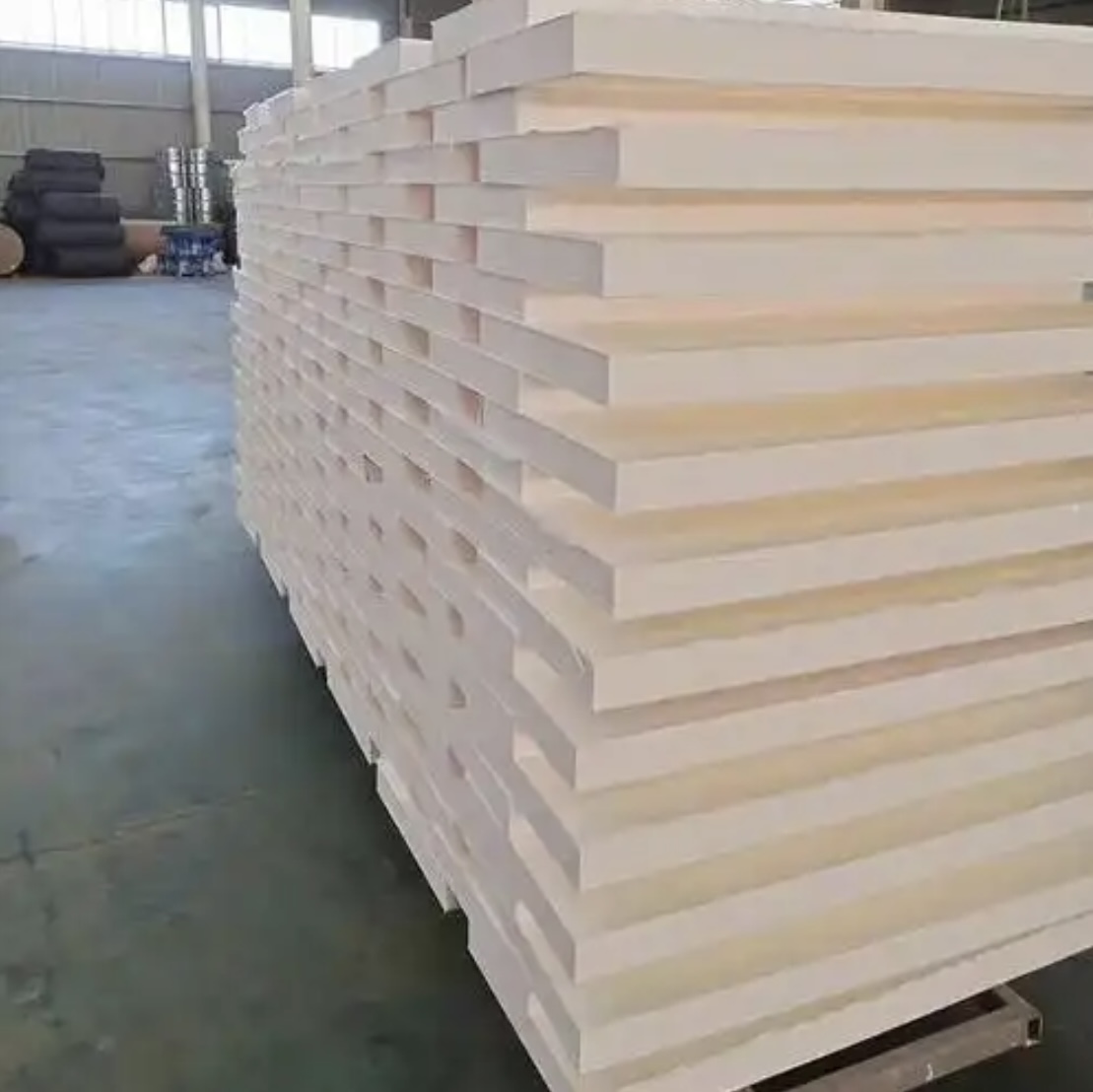
Phenolic insulation combines high thermal efficiency with strong fire performance. It forms a protective char layer when exposed to heat, produces relatively low smoke, and does not create burning molten droplets, making it a dependable choice for many commercial building applications .
When comparing insulation materials, I pay close attention to fire performance as well as thermal efficiency. A product that performs well in one application may not deliver the same results in another assembly. That is why I look at testing standards, certifications, and the intended installation before evaluating whether a product is suitable for a project.

What are the fire resistance ratings of phenolic insulation materials?
Many buyers assume that all rigid foam insulation performs similarly during a fire. In reality, fire ratings depend on both the material itself and the system in which it is tested.
Phenolic insulation can achieve high fire performance ratings under recognized international standards. Many products meet Class A performance under ASTM E84 or achieve Euroclass B-s1,d0 under EN 13501-1 when tested as part of qualified building assemblies.
The first thing I check is which testing standard supports the advertised rating. Different regions evaluate fire performance in different ways, so understanding the standard behind the result matters as much as the rating itself.
In North America, ASTM E84 measures surface burning characteristics by evaluating flame spread and smoke developed during testing . A Class A result generally indicates low flame spread and controlled smoke generation under laboratory conditions. In Europe, EN 13501-1 classifies construction products using the Euroclass system. Phenolic insulation commonly achieves B-s1,d0 in qualified systems. The "s1" classification indicates low smoke production, while "d0" confirms that the product does not produce flaming droplets during testing .
Another point worth checking is the complete building assembly. Fire performance depends on more than the insulation core. Facing materials, panel thickness, installation methods, and surrounding components all influence the final rating. The National Fire Protection Association notes that tested assemblies should be installed according to their approved design so they can maintain their expected fire performance.
One detail that is easy to overlook is that laboratory ratings apply only to the tested configuration. Changing the facing material, increasing or reducing the board thickness, or installing the product differently from the tested assembly may affect how the system performs in practice. That is why matching the product specification with the official test report is an important step before making a purchasing decision.
How does phenolic insulation compare to mineral wool in fire safety?
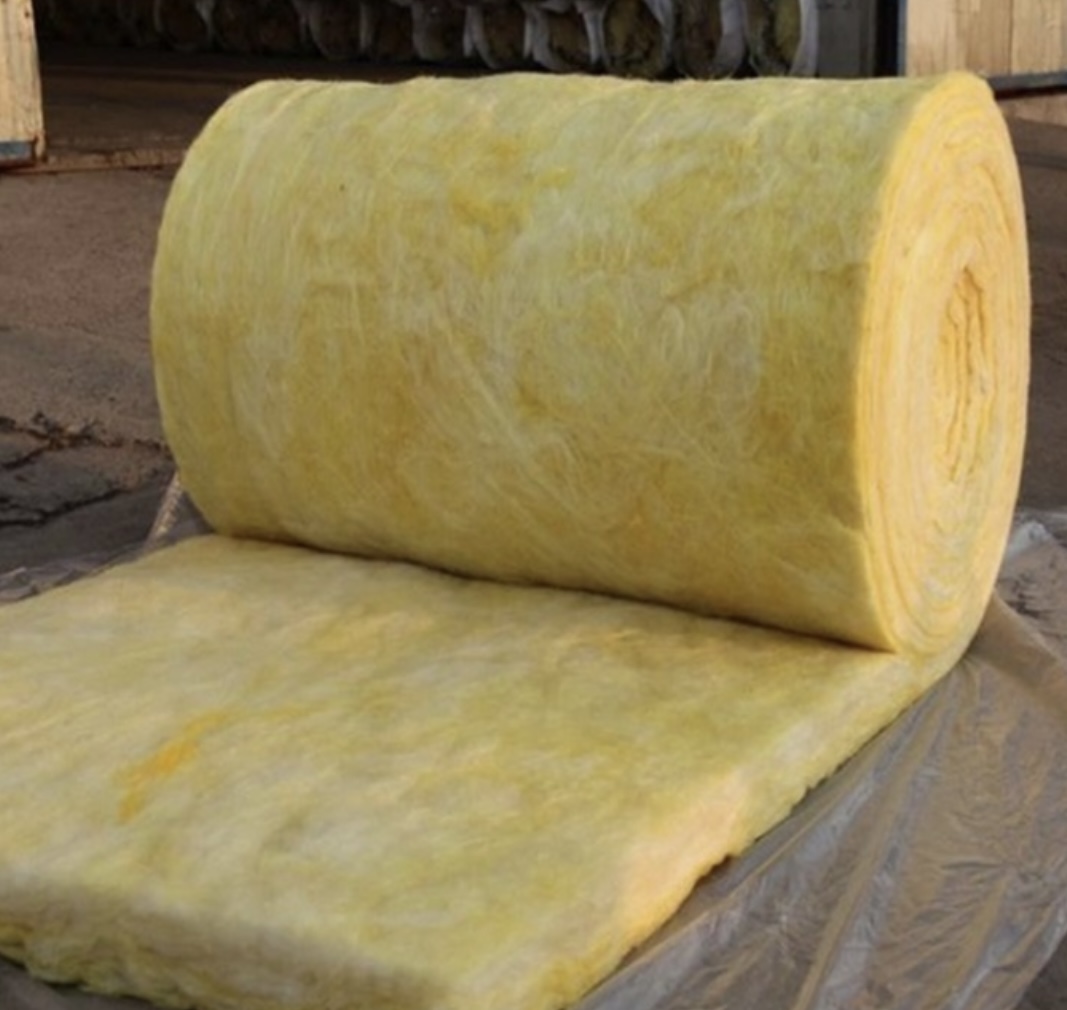
Phenolic insulation and mineral wool are both widely used in commercial construction, but they achieve fire performance in different ways.
Mineral wool is naturally non-combustible, while phenolic insulation offers strong fire resistance together with excellent thermal efficiency and a thinner insulation profile for many applications.
These materials solve different challenges. Mineral wool is manufactured from inorganic fibers, which allows it to withstand extremely high temperatures without contributing to combustion. This makes it a common choice for fire barriers and applications where maximum heat resistance is required.
Phenolic insulation behaves differently because it is a thermoset foam. Instead of softening and dripping like many thermoplastic foams, it forms a protective carbon char layer during fire exposure. Heat release testing under ISO 5660 is widely used to evaluate combustion behavior, including heat release during fire exposure.
Smoke performance is another important factor. During many building fires, smoke often creates greater danger than flames themselves because it reduces visibility and can carry harmful combustion products. Phenolic insulation is known for producing relatively low smoke compared with several other rigid foam insulation materials when evaluated under recognized fire testing standards .
One practical advantage that often influences material selection is thermal efficiency. Phenolic insulation typically delivers lower thermal conductivity than mineral wool. This means the same insulation value can often be achieved with a thinner board, which becomes especially useful for HVAC ducts, curtain wall details, and projects where installation space is limited.
Phenolic Insulation vs Mineral Wool
|
Feature |
Phenolic Insulation |
Mineral Wool |
|
|
Fire Behavior |
Forms protective char layer |
Non-combustible | |
|
Smoke Production |
Low |
Very low |
|
|
Burning Molten Droplets |
No |
No |
|
|
Thermal Efficiency |
Excellent |
Good |
|
|
Typical Thickness Required |
Thinner |
Thicker |
What certifications should I look for in fire-resistant phenolic insulation products?
Many insulation products advertise fire-resistant performance. The safest approach is to verify whether those claims are supported by recognized testing and certification.
Look for products tested under ASTM E84, EN 13501-1, ISO 5660, or other standards accepted by local building authorities, and make sure the tested assembly matches the intended application.
When reviewing a product, I usually start with the official laboratory test report instead of relying only on marketing materials. A reliable report should clearly identify the product, thickness, density, facing material, and testing laboratory. If these details are missing, it becomes much harder to judge whether the published results apply to the actual product being purchased.
For projects in the United States, ASTM-based testing is often the primary reference. European projects typically rely on CE-marked products supported by EN 13501-1 classifications. ISO testing provides additional value because it allows performance comparisons across international markets.
Building code compliance is equally important. The International Code Council notes that products should meet applicable building code requirements before they are used in specific wall, roof, or HVAC assemblies. Passing a single laboratory test does not automatically guarantee approval for every installation.
Before selecting a phenolic insulation product, I normally verify several practical details. I confirm that the fire test standard matches the project location, the product thickness matches the tested sample, the facing material is identical to the tested configuration, and the test comes from an accredited laboratory. These simple checks help reduce specification errors and improve long-term building safety.
Another useful step is reviewing local building code requirements before placing an order. Fire classifications are not always interchangeable across different markets, so confirming compliance early can prevent delays during approval or installation. For international projects, comparing both local code requirements and internationally recognized test reports often provides a more complete basis for material selection (ICC).

Conclusion
Phenolic insulation provides a practical balance between thermal efficiency and dependable fire performance. Choosing certified products, checking the tested assembly, and following local building code requirements can help support both long-term energy performance and reliable fire protection.
References
1.ASTM International. ASTM E84 – Standard Test Method for Surface Burning Characteristics of Building Materials.
2.European Committee for Standardization (CEN). EN 13501-1 – Fire Classification of Construction Products and Building Elements.
3.International Organization for Standardization (ISO). ISO 5660 – Reaction-to-Fire Tests: Heat Release, Smoke Production and Mass Loss Rate.
4.National Fire Protection Association (NFPA). Fire and Life Safety Resources.
5.International Code Council (ICC). International Building Code (IBC) Resources.