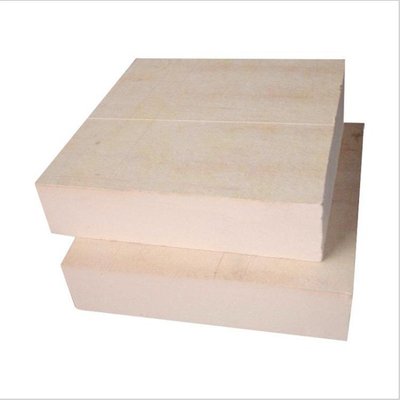

Phenolic Pipe Insulation Selection Guide: How to Choose the Right Specification
Choosing the right phenolic pipe insulation requires more than matching the insulation to the pipe diameter. Pipe size, insulation thickness, operating conditions, installation environment, and project requirements should all be considered before placing an order.
For HVAC contractors, engineers, and B2B buyers, understanding these factors can help reduce specification errors and make communication with suppliers more efficient. According to the ASHRAE Handbook guidance on insulation for mechanical systems, mechanical insulation can help reduce unwanted heat gain or heat loss, control condensation, protect personnel, and maintain process temperatures.
Start With the Pipe Size
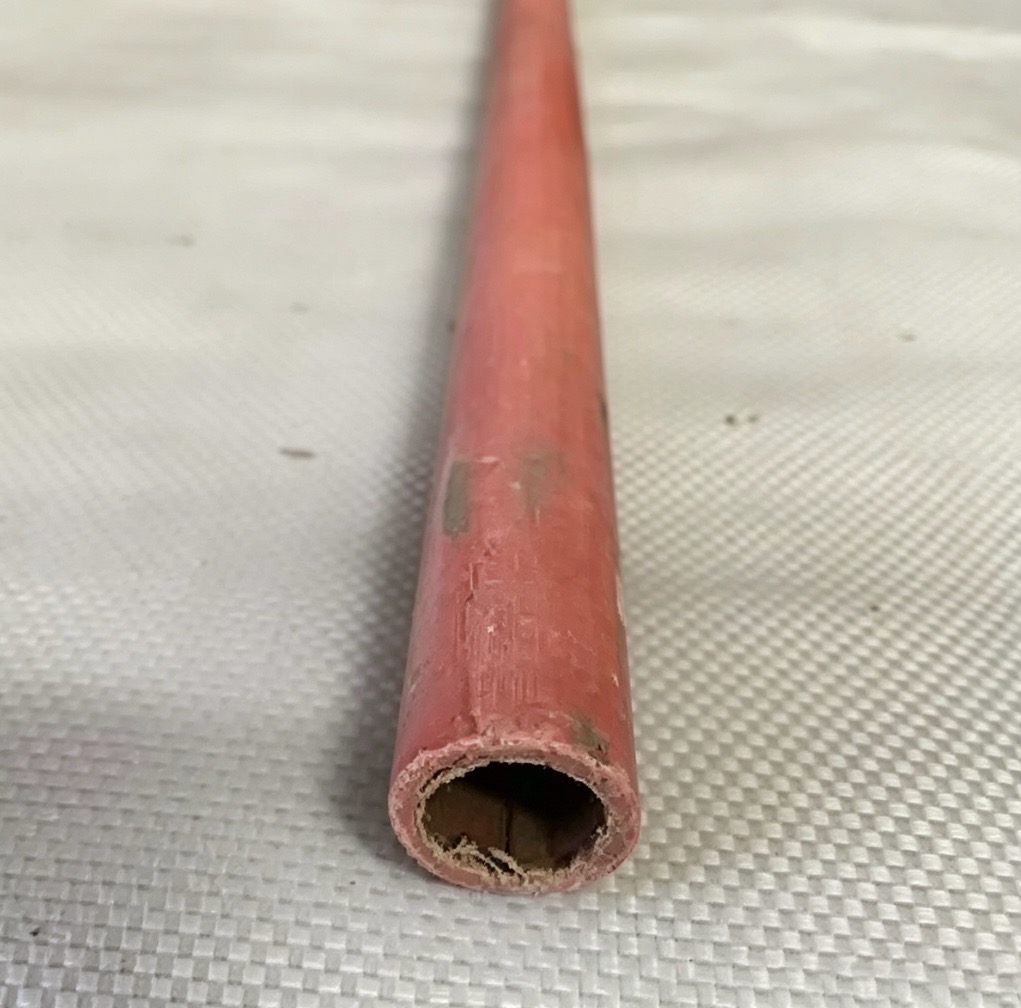
The first step in choosing phenolic pipe insulation is to confirm the actual outside diameter of the pipe. Phenolic Pipe is a pre-formed insulation product designed for round piping, so the insulation section needs to match the pipe dimensions correctly.
Before requesting a quotation, buyers should confirm the pipe diameter, piping system, application, and installation location. HVAC piping and industrial piping may have different requirements, so the insulation specification should be selected according to the actual system.
The ASHRAE Journal guide to pipe insulation also explains that pipe insulation is produced in sizes corresponding to the outside diameters of common piping systems.
Consider Insulation Thickness
Pipe diameter and insulation thickness are separate specifications. While pipe diameter determines whether the insulation can fit correctly, thickness is related to thermal and project requirements.
The required thickness may depend on operating conditions, energy-efficiency requirements, condensation control, and other project considerations. ANSI/ASHRAE/IES Standard 90.1 provides piping insulation requirements based on factors including pipe size, operating temperature, and insulation thermal conductivity.
For this reason, buyers should avoid selecting thickness only according to price. The appropriate specification should be confirmed according to the actual project requirements.
Check the Operating Conditions
The operating conditions of the piping system are another important consideration when selecting phenolic pipe insulation.
For heating or hot-water systems, insulation is generally used to reduce unwanted heat loss and help control surface temperatures. For chilled-water and other cold systems, insulation may help reduce heat gain and control condensation.
ASHRAE identifies energy conservation, condensation control, personnel protection, and process control among the factors that should be considered when designing mechanical insulation systems.
Industrial piping may also have specific process requirements. Therefore, buyers should provide the intended application and operating conditions when discussing insulation specifications with a supplier.
Consider Surface and Installation Requirements
Phenolic Pipe can be supplied with smooth or foil-faced surface options depending on the product specification. Buyers should select the surface according to project requirements and installation conditions.
Installation details also matter. Straight pipe sections are relatively simple, while elbows, tees, valves, pipe supports, joints, and other fittings may require additional attention.
As noted in an ASHRAE engineering discussion on pipe insulation, details such as seams, joints, supports, valves, and fittings can affect the performance of a complete insulation system.
Therefore, insulation selection should consider the entire piping layout rather than straight pipe sections alone.
Match the Specification to the Project
For commercial and industrial projects, product selection is also connected with purchasing requirements. Buyers should prepare basic information before requesting a quotation.
| Selection Factor | What to Check |
|---|---|
| Pipe Size | Confirm the actual outside diameter |
| Thickness | Match the project and thermal requirements |
| Operating Conditions | Confirm the intended piping environment |
| Surface | Select smooth or foil-faced as required |
| Application | HVAC, building services, or industrial piping |
| Quantity | Estimate project or wholesale requirements |
| Installation | Consider fittings, joints, and available space |
| Customization | Confirm required sizes can be supplied |
For international B2B buyers, providing these details can make product communication faster and reduce the possibility of ordering an unsuitable specification.
The EN 14314:2015 standard for factory-made phenolic foam products covers phenolic foam products used for thermal insulation of building equipment and industrial installations, including pipe sections. However, requirements for a specific project may also depend on local regulations and engineering specifications.
When Should You Consider Phenolic Pipe Insulation?
Phenolic Pipe can be considered when a project requires a pre-formed insulation solution for round piping systems. It may be used in HVAC systems, mechanical rooms, commercial building services, and industrial piping where the selected specification meets the project requirements.
The key is to evaluate the complete application rather than focus on one product characteristic. Pipe dimensions, insulation thickness, operating conditions, surface requirements, installation details, and project specifications should all be reviewed before ordering.
For buyers who already know the required pipe dimensions and project conditions, discussing these details with a professional supplier can make the selection process more efficient.
FAQ
1.How do I choose the right phenolic pipe insulation size?
Start by confirming the actual outside diameter of the pipe and then determine the required insulation thickness according to the project requirements.
2.How do I determine the required insulation thickness?
Thickness should be selected according to operating conditions, project requirements, and applicable energy-efficiency or condensation-control requirements.
3.What information should I provide when requesting a quotation?
Provide the pipe dimensions, required thickness, estimated quantity, application, surface preference, and any customization requirements.
4.Is phenolic pipe insulation suitable for HVAC piping?
Yes. Phenolic Pipe can be considered for HVAC piping where a pre-formed insulation solution is required, subject to the project's specific requirements.
5.What should I check before ordering phenolic pipe insulation?
Check pipe size, thickness, operating conditions, surface requirements, installation conditions, quantity, and project specifications before placing an order.
Conclusion
Choosing phenolic pipe insulation starts with understanding the actual piping system. Pipe size, insulation thickness, operating conditions, installation details, and project requirements should be considered together to determine a suitable specification.
For buyers planning a commercial, HVAC, or industrial piping project, confirming these details before ordering can make product selection and supplier communication more efficient.
If you are looking for a suitable Phenolic Pipe solution, explore the Phenolic Pipe product page from Xiaolong for product information and customized requirements.
References
ASHRAE Handbook – Insulation for Mechanical Systems
ASHRAE Journal – Pipe Insulation 101: Fundamentals and Basics
ASHRAE – Engineer's Notebook: Pipe Insulation
ANSI/ASHRAE/IES Standard 90.1 – Piping Insulation Requirements
EN 14314:2015 – Factory-Made Phenolic Foam Products