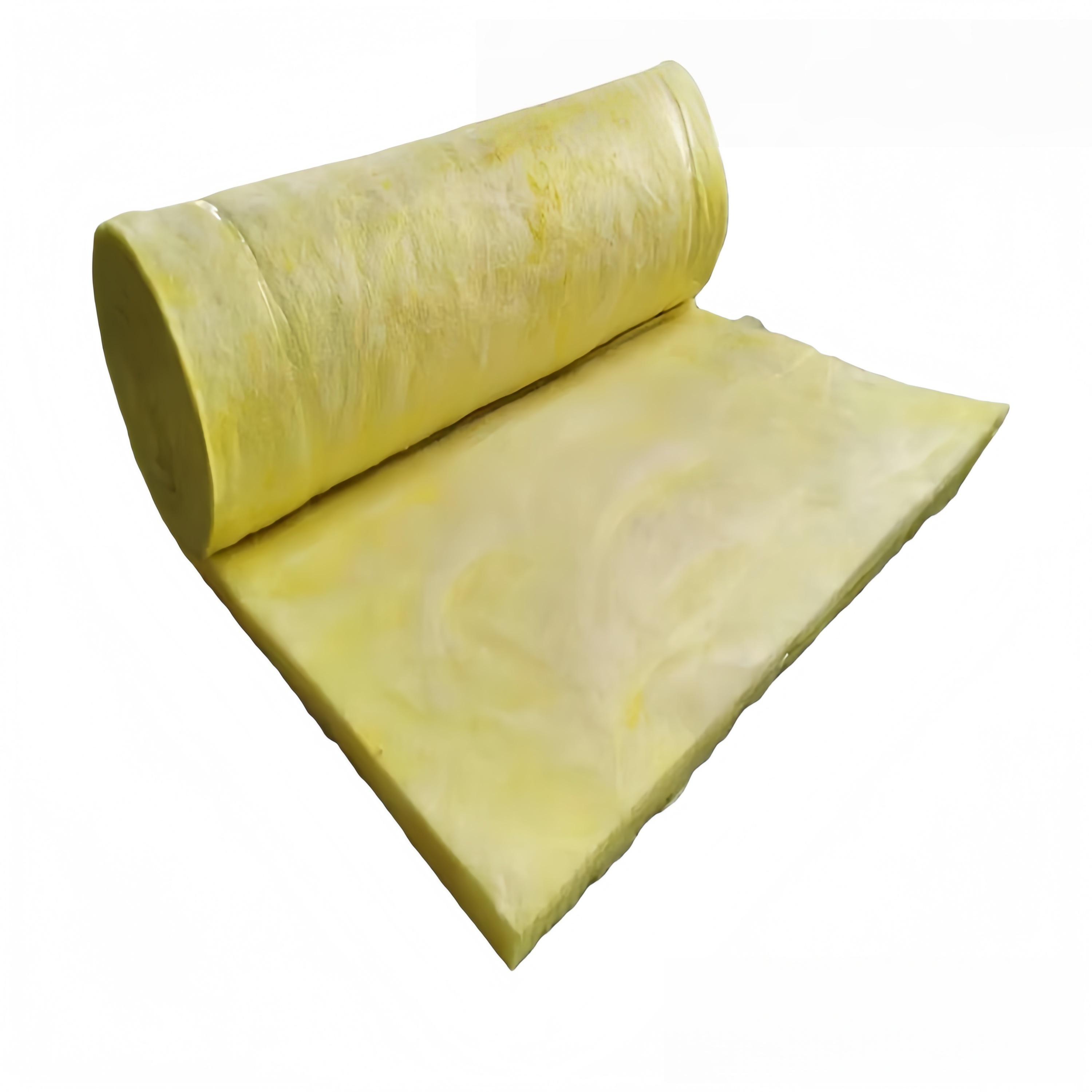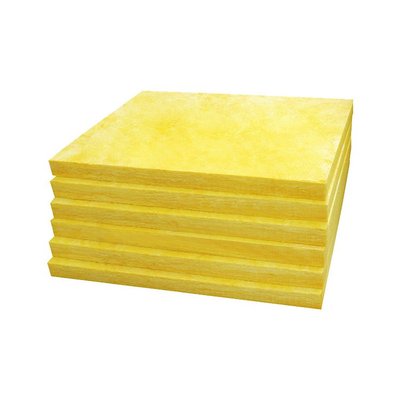

Can You Paint Fiberglass Board?
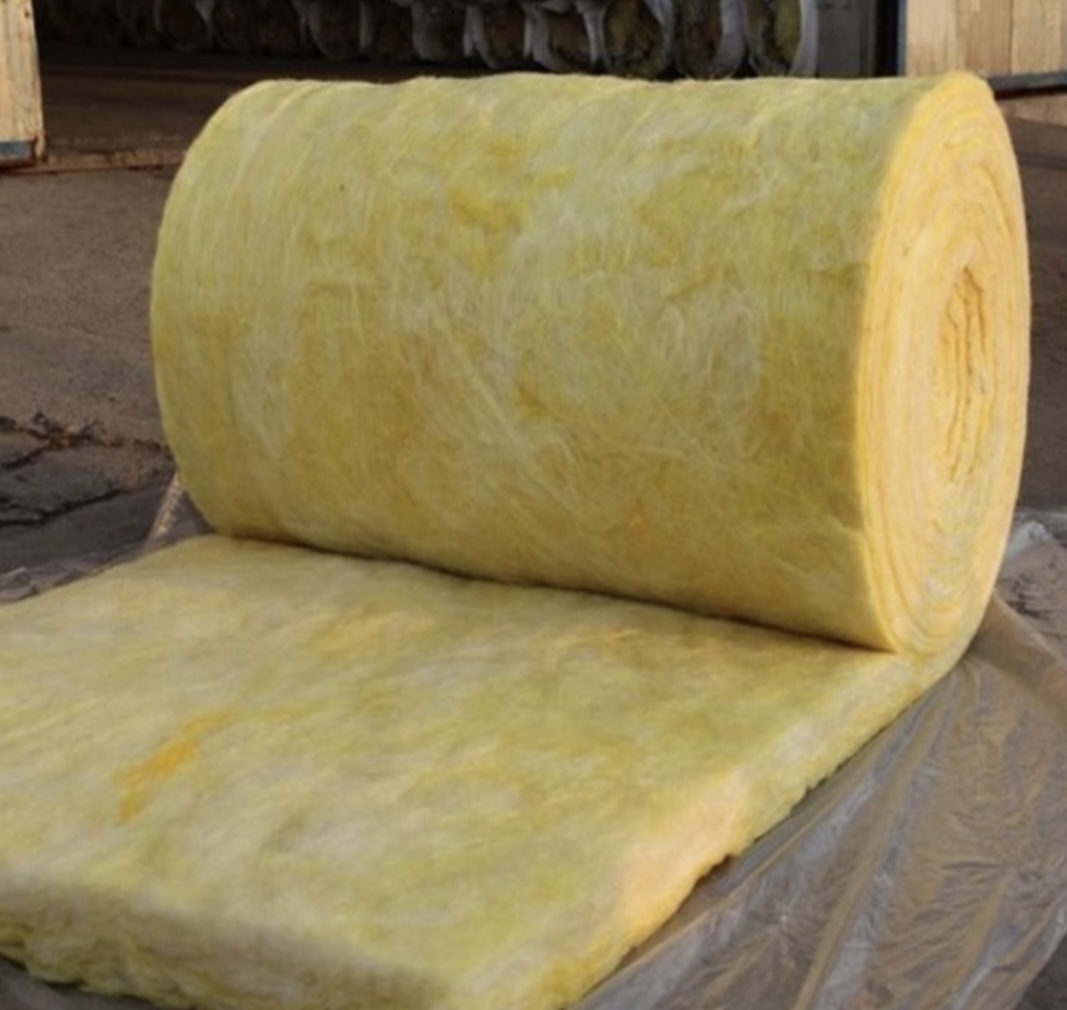
You bought fiberglass board for insulation. Now you want it to look better. But you don't want to ruin the surface or lose the performance you paid for.
Yes, you can paint fiberglass board, but the surface needs prep first. Fiberglass is smooth and non-porous, so paint slides off without help. You need to clean it, sand it lightly, and use a compatible primer before any topcoat.
I get this question often. People install fiberglass board, then they want to match a room, a wall, or a piece of equipment. That's fine. But rushing the paint step causes peeling later. Read on, because the next few sections cover bonding, cutting, and repair too.
Will Fiberglass Stick to Foam Board?
You want to combine fiberglass board with foam board on one project. Sounds simple. But not every glue works, and picking the wrong one wastes your material.
Fiberglass can bond to foam board, but only with an adhesive made for foam. Regular construction adhesive often melts foam or fails to cure. You need a foam-safe product, and one bonding surface should stay porous for a strong hold.
Why Some Adhesives Fail
Foam board reacts badly to solvent-based glue. The solvent eats into the foam and weakens the bond instead of building it. This is a common mistake on job sites. When I work with installers, I always ask them to check the label first. A product built for rigid insulation, such as a polyurethane adhesive rated for foam board contact, holds well because it does not dissolve the foam surface. One thing to remember: the adhesive still needs one porous surface to cure properly. Foam-to-foam contact alone often fails.
| Method | Works Well | Risk |
|---|---|---|
| Foam-safe polyurethane glue | Yes | Low |
| Standard construction adhesive | No | Melts foam |
| Spray adhesive (full coverage) | Yes, for thin panels | Weaker under heat |
My advice stays simple. Test a small patch first. Let it cure. Then pull on it gently. If it holds, move forward with the full panel.
How to Cut Fiberglass Board?
You need a clean edge on your fiberglass board. A rough cut ruins the fit and sends fibers into the air around you.
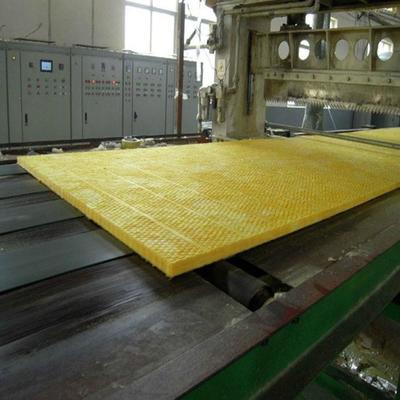
Cut fiberglass board with a sharp utility knife and steady pressure. Compress the board first with a straight edge, then slice in one smooth pass. This keeps the edge clean and limits loose fibers.
The Compression Method
This is the trick most installers use. Place a straight board or a 2x4 along your marked line. Press down to compress the fiberglass board to about half its normal thickness. Then run your blade along the edge in one stroke. Don't saw back and forth. A single clean pass gives the best edge and keeps the fiber layer intact. Wear gloves and a mask, because fibers still shed even with a careful cut. If your blade turns dull fast, switch to a snap-off blade so you always cut with a sharp edge.
| Tool | Best For | Cut Quality |
|---|---|---|
| Utility knife | Thin to medium board | Clean |
| Insulation knife | Thick board | Very clean |
| Heavy shears | Thin sheets only | Fair |
Cutting fiberglass board is not hard once you know the pressure trick. Practice on a scrap piece before you touch your final panel.
How to Repair Fiberglass Board?
Your fiberglass board took a hit. Now there's a dent, a tear, or a crushed corner. You want to know if it's worth fixing.
Small surface damage on fiberglass board can be patched. Cut out the weak section, fit a matching patch, and seal the joints. Larger or crushed sections usually need full replacement instead of a patch.
Matching the Fix to the Damage
Not every mark needs the same response. A shallow scratch or a small dent on the face often needs nothing more than a clean and a light seal. A deeper tear is different. The standard repair approach is to cut out the damaged section, fit new board into the gap, and finish the joint so it blends with the rest of the panel. I follow the same logic with fiberglass board on the projects I review. If the core is crushed or soaked, don't patch it. Replace that section. A patch over wet or crushed material fails again within months, and you end up doing the job twice.
| Damage Type | Fix |
|---|---|
| Small edge chip | Clean and seal |
| Surface tear under 6 inches | Patch with matching board |
| Crushed or wet core | Replace the section |
Good repair work starts with an honest look at the damage. Guessing costs more than a proper replacement in the long run. This is something I stress every time I walk a job site with Xiaolong's field team, because a rushed patch never holds as long as the client expects.
Conclusion
Fiberglass board can be painted, bonded, cut, and repaired, but each step needs the right prep, tools, and honest judgment of the damage.
References
1. Can You Paint Fiberglass? – Schiller Pools
2. Can You Paint Fiberglass: What You Need to Know – Davies Decor
3. Loctite Foam Board Adhesive Q&A – Lowe's