How to Choose the Right Asbestos Insulating Board for High-Temperature Applications?
Pick the wrong insulating board, and a high-temperature system fails early. Heat escapes, energy costs rise, and safety risks grow. The choice matters more than most buyers realize.
The right asbestos insulating board depends on your operating temperature, thermal conductivity needs, board thickness, and mechanical strength requirements. Match these factors to your actual working environment first, then confirm the supplier can verify performance data and maintain consistent quality across every batch.
I have spent years around insulation materials, and I still see buyers focus on one number: heat resistance. That number alone tells you very little. A board can resist high heat and still fail under vibration, moisture, or long-term thermal cycling. Keep reading, because the next sections walk through exactly what to check before you sign a purchase order.
What Factors Should You Consider When Choosing Asbestos Insulating Board?
Most buyers stop at the temperature rating. That single habit causes more field failures than any other mistake I have seen.
Choosing asbestos insulating board requires evaluating temperature range, thermal conductivity, board thickness, mechanical strength, and density together. No single property decides performance. The board must fit the full operating profile of your equipment, not just its peak heat exposure.
Match Properties to Real Conditions
I always start with the operating temperature range, then check thermal conductivity. Lower conductivity means better insulation, but it often means lower mechanical strength too. That trade-off matters on equipment with vibration or physical contact. Testing bodies rely on standardized methods such as the guarded-hot-plate thermal conductivity test to produce comparable conductivity figures across suppliers, so I ask for these test reports before I trust a spec sheet. Thickness and density come next. A thicker board insulates better but adds weight and cost, so I size it to the actual heat load, not the highest number available.
| Factor | Why It Matters | What to Check |
|---|---|---|
| Temperature range | Sets the safe operating window | Rated max vs. actual process heat |
| Thermal conductivity | Determines insulating efficiency | Test data at operating temperature |
| Thickness | Balances insulation and space limits | Fit against equipment clearance |
| Mechanical strength | Resists vibration and handling stress | Compression and flexural test values |
| Density | Affects weight, durability, and cost | Consistency across batches |
Worker exposure is part of the decision too. Workplace exposure limits set by occupational safety regulators shape how a board can be handled, cut, and installed on-site. I treat this as a purchasing factor, not just a compliance box to check, because it affects labor cost and project timelines directly.
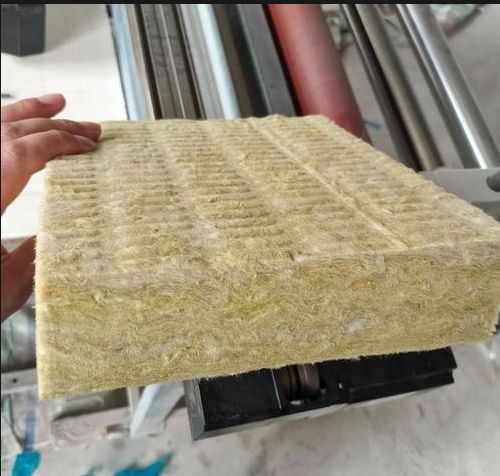
Where is Asbestos Insulating Board Commonly Used?
Ask five engineers where this board belongs, and you often get five different answers. The real picture is narrower than most people assume.
Asbestos insulating board has historically served furnaces, boilers, industrial piping, kilns, and heat-processing equipment where reliable thermal protection was required. Its use today is shaped by strict regulation, so application scope has narrowed compared to past decades.
Industrial Heat Systems
In older industrial plants, I still find this board around furnace linings, boiler jackets, and pipe insulation. These systems run at sustained high temperatures, and the board's low conductivity kept surface heat loss under control. Kilns and heat-processing lines used it for the same reason: stable performance under constant thermal load, not occasional spikes.
Regulatory Context Shapes Current Use
Global health agencies have documented serious health risks tied to asbestos fiber exposure. Health authorities have linked asbestos exposure to significant occupational disease rates worldwide, which is why many regions restrict new installations and regulators such as environmental protection agencies overseeing asbestos use and disposal keep updating rules on handling and removal. Buyers today mostly encounter this material during renovation, maintenance, or replacement of existing systems, not new construction. Knowing this context helps buyers set realistic expectations about sourcing, compliance paperwork, and project scope before ordering any board.
How to Select the Right Supplier for Asbestos Insulating Board?
A good spec sheet means little if the supplier cannot repeat that performance batch after batch. Supplier selection decides whether your project stays on schedule.
Select a supplier based on consistent quality control, accurate technical documentation, safe handling practices, and responsive technical support. A supplier who explains test methods and production controls is more reliable than one who only quotes price.
What Consistency Looks Like
I ask suppliers how they control raw material variation between production runs. Consistent formulas produce consistent thermal and mechanical results. I also check whether they follow recognized occupational safety guidance, since occupational health research on asbestos handling practices informs how a responsible manufacturer trains staff and manages dust control during production. A supplier ignoring this signals weak quality culture overall.
Where Xiaolong Fits This Picture
This is the part of sourcing I take personally, because I have watched buyers lose entire project timelines to inconsistent boards. My own reference point comes from years working alongside manufacturers such as Xiaolong, where factory-level oversight and documented test data are standard practice rather than a marketing claim. A supplier that shares real production data, offers customized thickness or density options, and answers technical questions quickly reduces project risk more than any price discount ever will.
Conclusion
Match board properties to real operating conditions first. Then choose a supplier who proves consistency with real data, not promises.
References
1. OSHA. Asbestos Fact Sheet. https://obis.osha.gov/Publications/OSHA3507.html
2. World Health Organization. Asbestos: Elimination of Asbestos-Related Diseases. https://www.who.int/news-room/fact-sheets/detail/asbestos-elimination-of-asbestos-related-diseases
3. U.S. Environmental Protection Agency. Asbestos. https://www.epa.gov/asbestos
4. CDC / NIOSH. Safety and Health Topic: Asbestos. https://archive.cdc.gov/www_cdc_gov/niosh/topics/asbestos/default.html
5. ASTM International. ASTM C177-19e1, Standard Test Method for Steady-State Heat Flux Measurements and Thermal Transmission Properties by Means of the Guarded-Hot-Plate Apparatus. https://webstore.ansi.org/standards/astm/astmc17719e1