
Glass Wool: Applications and Thermal Conductivity
Poor insulation can increase heat loss, raise energy costs, and weaken building comfort. I have seen projects where the material looked good on paper but performed poorly after installation.
Glass wool is widely used in walls, attics, roofs, ceilings, HVAC systems, and piping because it provides effective thermal insulation with relatively low thermal conductivity. Its performance depends not only on the published conductivity value but also on density, thickness, product form, installation quality, and long-term dimensional stability.
When I evaluate glass wool, I do not look at thermal conductivity alone. I also consider where the insulation will be installed and how it will perform under actual working conditions.
What Are the Common Applications of Glass Wool Insulation?
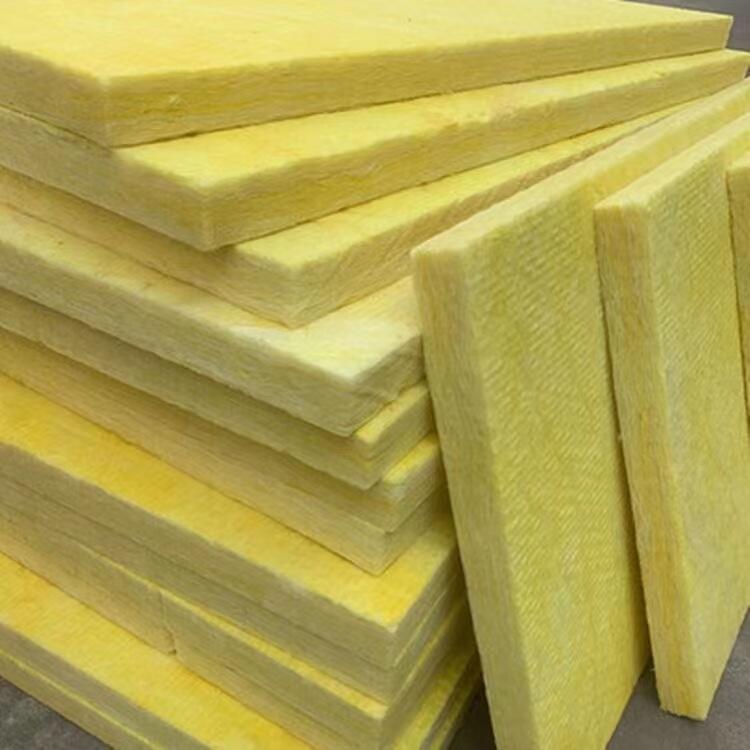
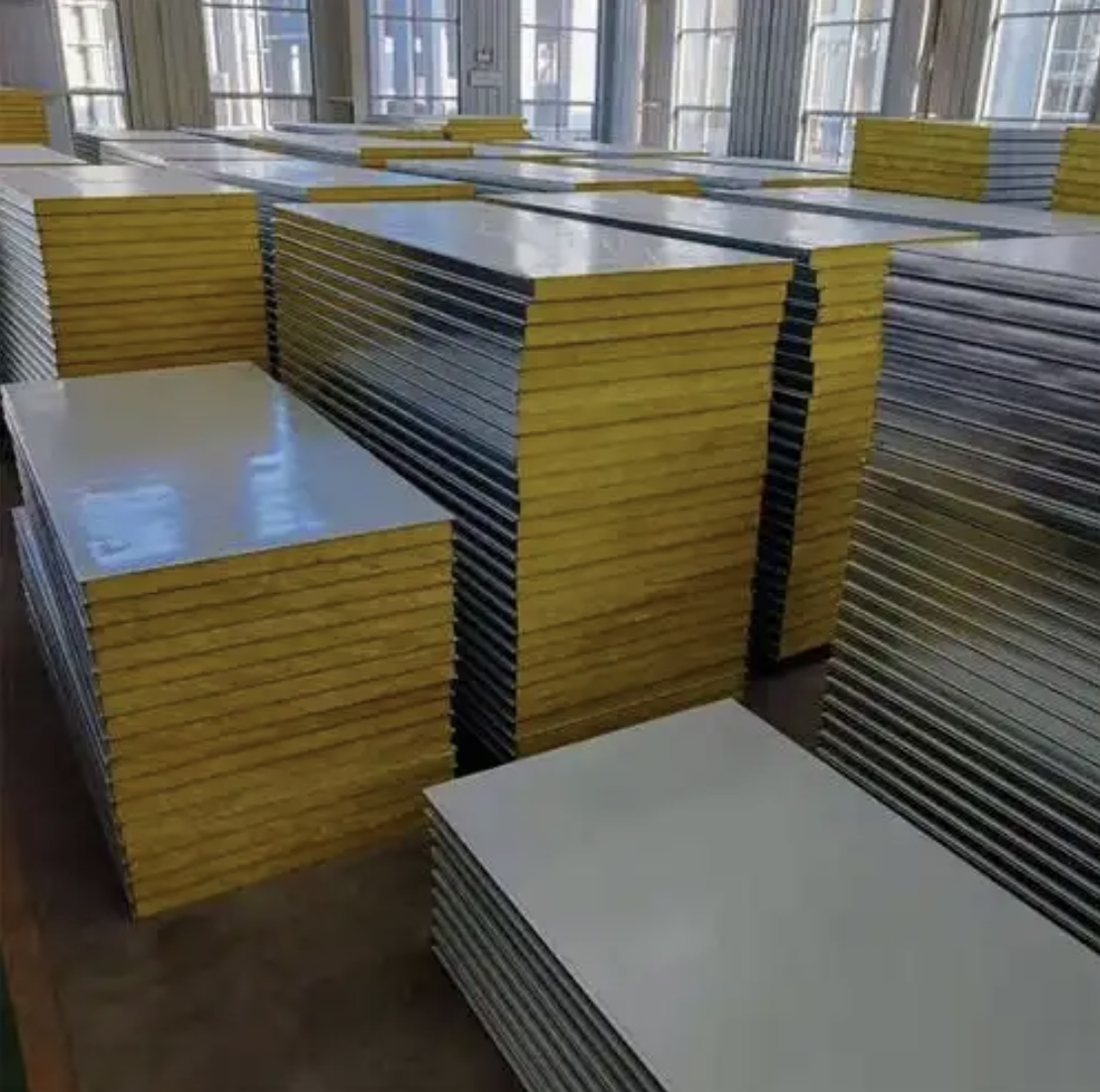
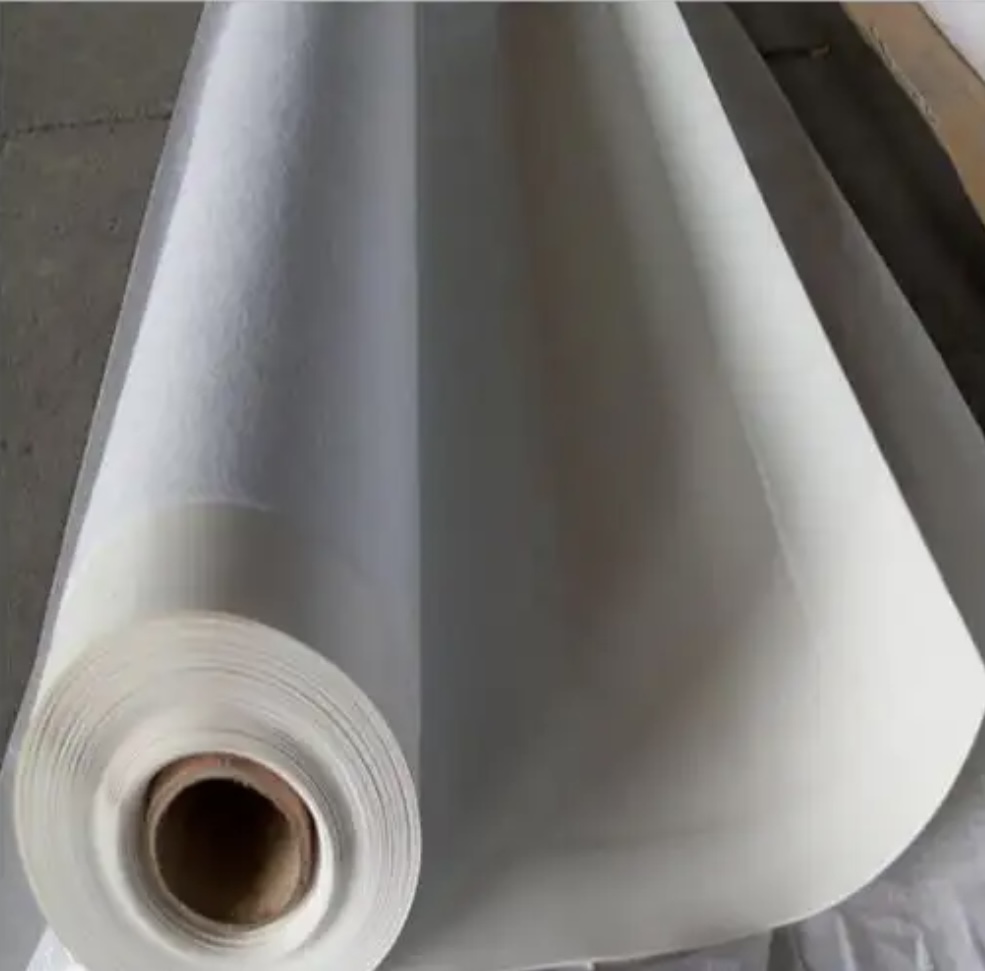
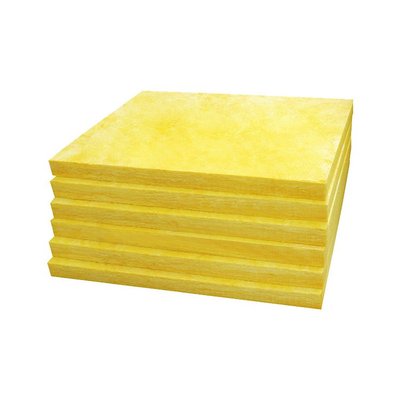
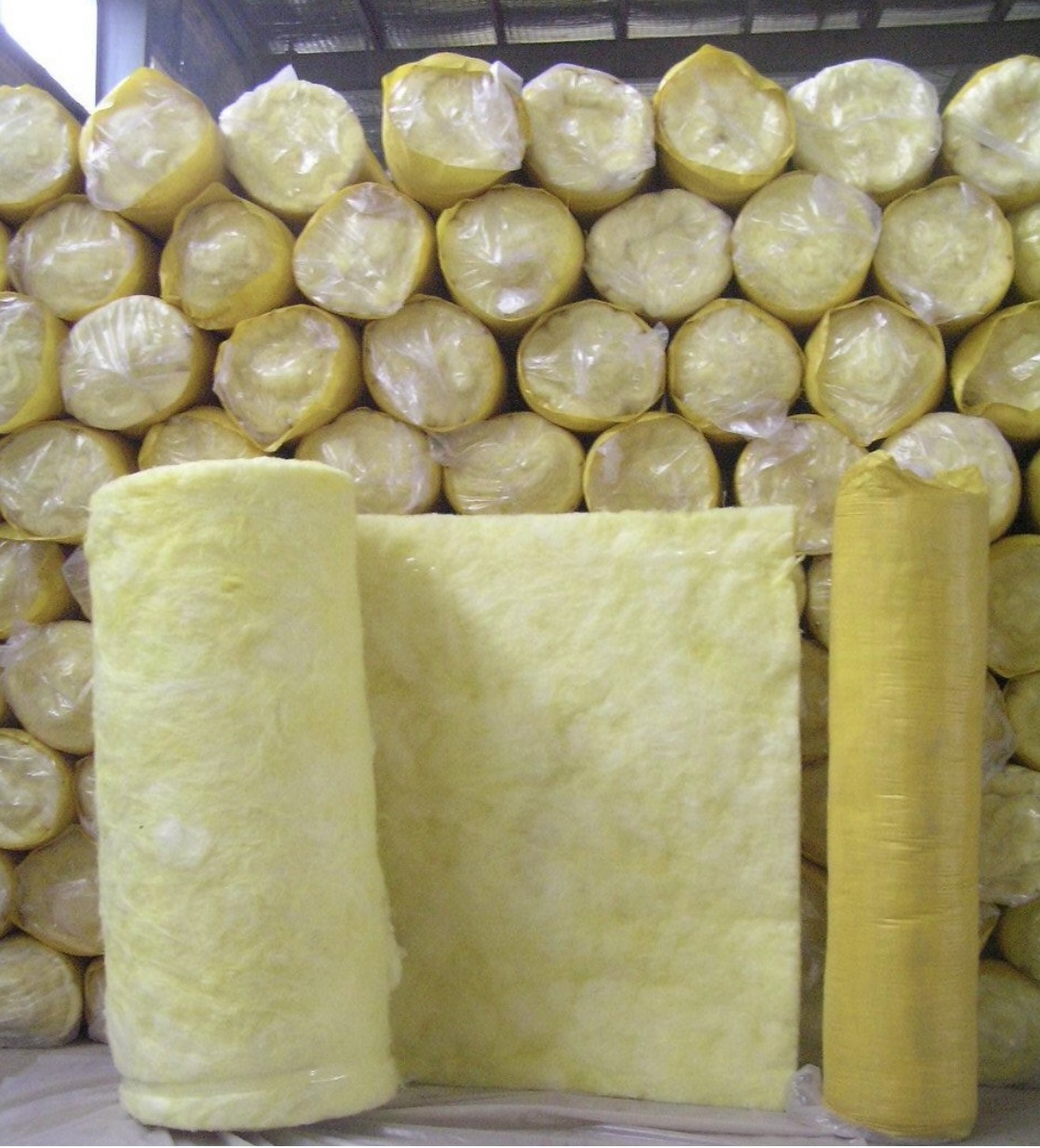
I often see glass wool used in building envelopes and HVAC systems. The material can be produced as blankets, batts, boards, loose fill, and pipe insulation. Each form is designed for a different installation environment.
For walls and attics, I usually consider glass wool blankets or batts because they can fill large areas and help reduce heat transfer through the building envelope. ASHRAE lists glass fiber insulation for applications including pitched roofs, cavity walls, timber-frame construction, floors, and perimeter insulation.
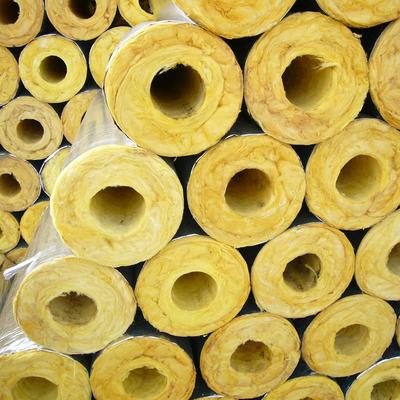
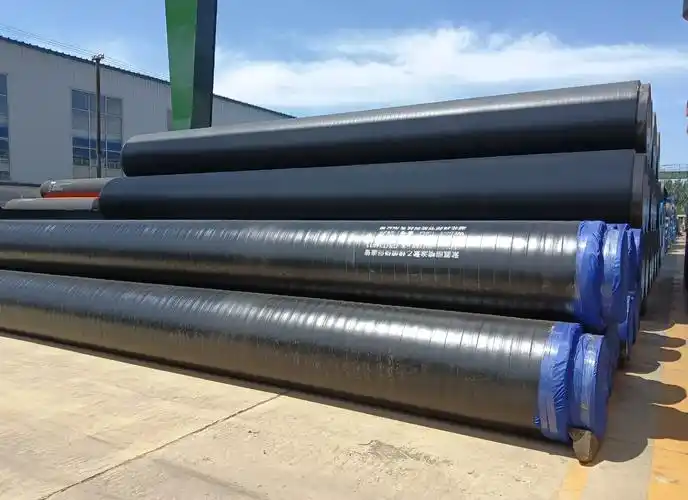
For HVAC and piping systems, I look more closely at the product shape and fit. Glass wool pipe sections are formed to match specific pipe diameters. A good fit helps reduce air gaps around the pipe. This matters because even a material with a low laboratory thermal conductivity can lose practical performance when installation is poor.
I use the following comparison when selecting the product form:
|
Application |
Common Glass Wool Form |
Main Performance Focus |
|
Walls and attics |
Blankets or batts |
Thickness retention and thermal resistance |
|
Roofs |
Blankets, batts or boards |
Thermal control and dimensional stability |
|
HVAC systems |
Pipe sections or duct products |
Thermal control and installation fit |
|
Hot and cold pipes |
Pipe sections |
Fit, thickness and temperature conditions |
|
Internal walls |
Acoustic rolls or batts |
Thermal insulation and sound absorption |
In my experience, product selection should start with the working environment instead of starting with the lowest conductivity number. A wall blanket and a pipe section may use the same basic glass fiber material, but they are not designed to handle the same installation conditions.
How Does the Thermal Conductivity of Glass Wool Compare to Other Insulation Materials?
I use thermal conductivity as an important starting point, but I do not treat it as the only measure of insulation quality. A lower thermal conductivity generally means that the material can reduce heat transfer more effectively at a given thickness.
ASHRAE data show that glass-fiber batts can have thermal conductivity values in the approximate range of 0.033 to 0.048 W/(m·K), depending on density and product type. The same data also show that commonly used mineral wool products have values in a similar general range.
I therefore avoid saying that glass wool is always better than every other insulation material. Different materials have different strengths. Some high-performance insulation materials can reach lower conductivity values, while glass wool can offer a useful balance between thermal performance, weight, flexibility, and cost.
The following comparison helps me understand the issue more clearly:
|
Material / Product Type |
Typical Thermal Conductivity Range |
My Main Consideration |
|
Glass-fiber batts |
About 0.033–0.048 W/(m·K) |
Density and thickness |
|
Glass mineral wool products |
About 0.032–0.040 W/(m·K) in examples |
Product specification and application |
|
Rock/mineral wool batts |
About 0.033–0.037 W/(m·K) |
Temperature and density |
|
PIR insulation |
Often lower than fibrous insulation |
High thermal performance per thickness |
These figures should not be treated as direct product-to-product rankings. Test temperature, density, thickness, aging, and test method can affect the reported result. ASHRAE also notes that commercially available materials vary, so standard values do not necessarily apply to every individual product.
I have found that the difference between laboratory performance and site performance can be more important than a small difference between two published conductivity values. If a blanket becomes compressed or sags after installation, its effective thermal performance can change. If pipe insulation does not fit correctly, air gaps can increase heat transfer.
For this reason, I check the rated conductivity together with the density, thickness, product form, and installation method. I also check whether the material can maintain its shape during its expected service life.
Can Glass Wool Insulation Be Used for Soundproofing as Well as Thermal Insulation?
I consider glass wool useful for both thermal insulation and acoustic applications. Its fibrous structure can absorb sound energy, which makes suitable glass wool products useful in walls, ceilings, floors, and HVAC noise-control systems. Knauf Insulation describes glass mineral wool as providing both thermal insulation and acoustic performance, while its acoustic products are designed specifically for sound absorption and noise reduction.
I make an important distinction between sound absorption and complete soundproofing. Glass wool can absorb part of the sound energy inside a wall or ceiling system, but the overall sound insulation of a building element also depends on the structure, surface layers, gaps, and installation details.
For example, I would not expect a thin piece of glass wool by itself to block all external noise. I would instead use it as part of a complete wall, ceiling, floor, or HVAC acoustic system. Knauf notes that mineral wool can increase the sound-insulating capacity of building elements and can also provide sound absorption in HVAC noise-reduction applications.
I also pay attention to gaps during acoustic installation. Even when the insulation has good sound absorption properties, poorly fitted material can reduce the effectiveness of the overall system. This is similar to thermal insulation, where gaps can increase heat transfer.
How Should I Choose Glass Wool for Long-Term Thermal Performance?
I start by identifying the application, operating temperature, required thickness, installation conditions, and expected service life. I then compare the product's thermal conductivity with its density and physical form.
For building walls and attics, I focus on whether the blanket can maintain its designed thickness after installation. For piping, I focus on the curvature, diameter fit, joints, and vapor-control requirements. ASHRAE data for pipe insulation also show that fiberglass systems can have different apparent thermal conductivity depending on temperature and system construction.
I also consider moisture and temperature. Glass fiber and mineral wool are generally moisture tolerant, but wet blankets can lose shape, and binders or facings can have temperature limitations.
From my experience, I get more reliable results when I match the glass wool product to the real installation condition instead of selecting it only by the lowest laboratory conductivity. This approach helps maintain stable thermal control and reduces the risk of performance problems after installation.
Conclusion
I choose glass wool by considering thermal conductivity, product form, density, installation quality, and long-term stability. These factors work together to determine real insulation performance.
References
· ASHRAE Handbook—Fundamentals, Chapter 26, "Heat, Air, and Moisture Control in Building Assemblies—Material Properties."
· ASHRAE Handbook—HVAC Systems and Equipment, Chapter 23, "Insulation for Mechanical Systems."
· ASHRAE Handbook—Refrigeration, Chapter 10, "Insulation Systems for Refrigerant Piping."
· Knauf Insulation, "Glass Mineral Wool."
· Owens Corning, "SelectSound Black Acoustic Blanket," acoustical performance data based on ASTM C423 and thermal resistance data based on ASTM C518.