
How to Choose the Right Insulation for Chilled Water Pipes
Choosing the right insulation for chilled water pipes is vital for HVAC systems. It also matters in commercial buildings, hospitals, data centers, and industrial facilities. Proper insulation on chilled water pipes reduces heat gain. It helps keep the water temperature steady. It also prevents condensation from damaging nearby structures and equipment.
However, selecting insulation involves more than comparing material prices. Thermal conductivity, pipe insulation thickness, moisture resistance, and the vapor barrier for pipe insulation all affect long-term performance. Understanding these factors helps engineers, contractors, and procurement teams make informed decisions.
Key Factors for Choosing Insulation for Chilled Water Pipes
Condensation Control and Vapor Barriers
Chilled water pipe condensation happens when a pipe surface, or its insulation, gets colder than the air’s dew point. This is particularly common in humid environments and can lead to dripping water, corrosion, and insulation deterioration.
The ASHRAE Handbook guidance on mechanical insulation provides useful technical guidance on insulation and moisture control. For chilled water systems, a continuous vapor retarder is often essential to prevent moisture from entering the insulation.
Effective chilled water pipe condensation control depends on sufficient insulation thickness, a continuous vapor barrier, and properly sealed joints. Pay particular attention to elbows, valves, pipe supports, and connections, where gaps can allow moisture to enter.
Thermal Conductivity and Pipe Insulation Thickness
Thermal conductivity indicates how easily heat passes through a material. Lower conductivity generally means better insulating performance under comparable conditions, but it does not determine the required thickness by itself.
The correct pipe insulation thickness depends on pipe diameter, chilled water temperature, ambient temperature, relative humidity, and condensation risk. The ASHRAE Handbook provides a useful reference for evaluating mechanical insulation requirements.
When requesting quotations, provide suppliers with pipe sizes, operating temperatures, installation environments, and required insulation thickness. These details help ensure the proposed product matches the actual project conditions.
Moisture Resistance and Product Specifications
Moisture entering an insulation system can reduce its effectiveness and shorten its service life. Buyers should evaluate the insulation material, facing, joint treatment, and protective jacket as parts of one complete system.
The ASTM C1136 specification for vapor retarders is a relevant reference when evaluating low-permeance vapor-retarding materials. Confirm that the selected product meets the project requirements. Do not assume all products in the same material category perform the same.
Comparing Materials for Chilled Water Pipe Insulation
Several materials can be suitable for chilled water pipe insulation, depending on their documented properties and installation conditions.
| Insulation Material | Potential Advantages | Key Considerations |
|---|---|---|
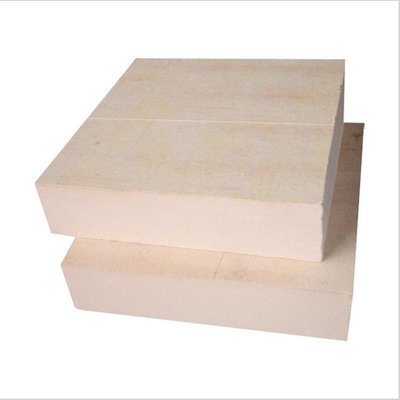
| Phenolic Foam Pipe Insulation | Low thermal conductivity and rigid, pre-formed pipe sections | Vapor control, facing, joint sealing, and temperature limits |
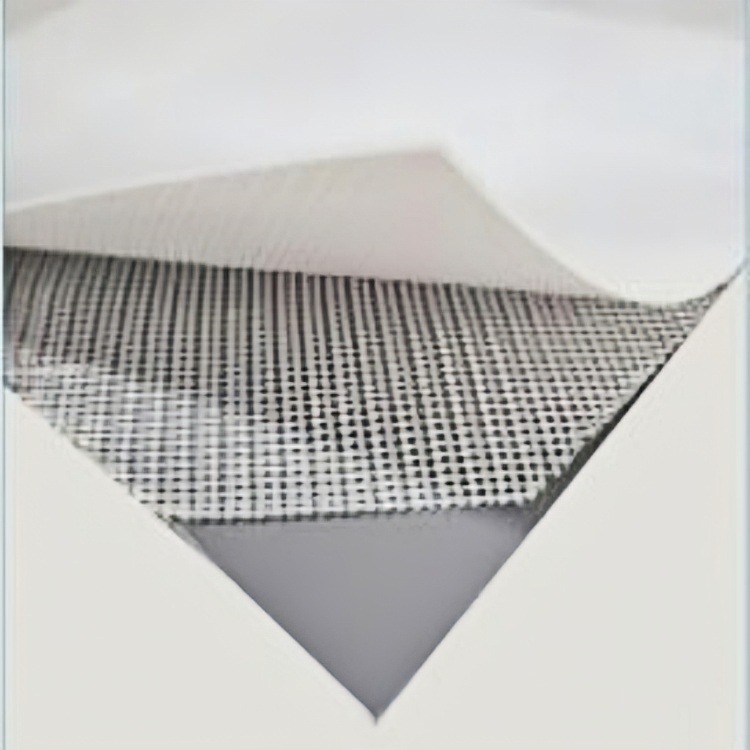
| Glass Wool Pipe Insulation | Widely used in building services and HVAC systems | Moisture protection, facing, and vapor barrier continuity |
| Rock Wool Pipe Insulation | Thermal insulation and potential fire-performance advantages | Moisture protection, density, facing, and project specifications |
| Flexible Elastomeric Insulation | Flexible structure for bends, fittings, and complex pipe layouts | Vapor permeability, thickness, and joint closure |
This comparison is a general selection guide, not a universal ranking. Performance varies by product and manufacturer.
Phenolic foam pipe insulation may be worth considering when low thermal conductivity and rigid, pre-formed pipe sections matter. Glass wool and rock wool may be suitable if their moisture control systems meet project requirements. Flexible elastomeric insulation can be useful for complex pipe layouts where its properties are appropriate.
Buyers can compare available phenolic pipe insulation, glass wool pipe insulation, and rock wool pipe insulation before confirming the final specification.
Why the Complete Insulation System Matters
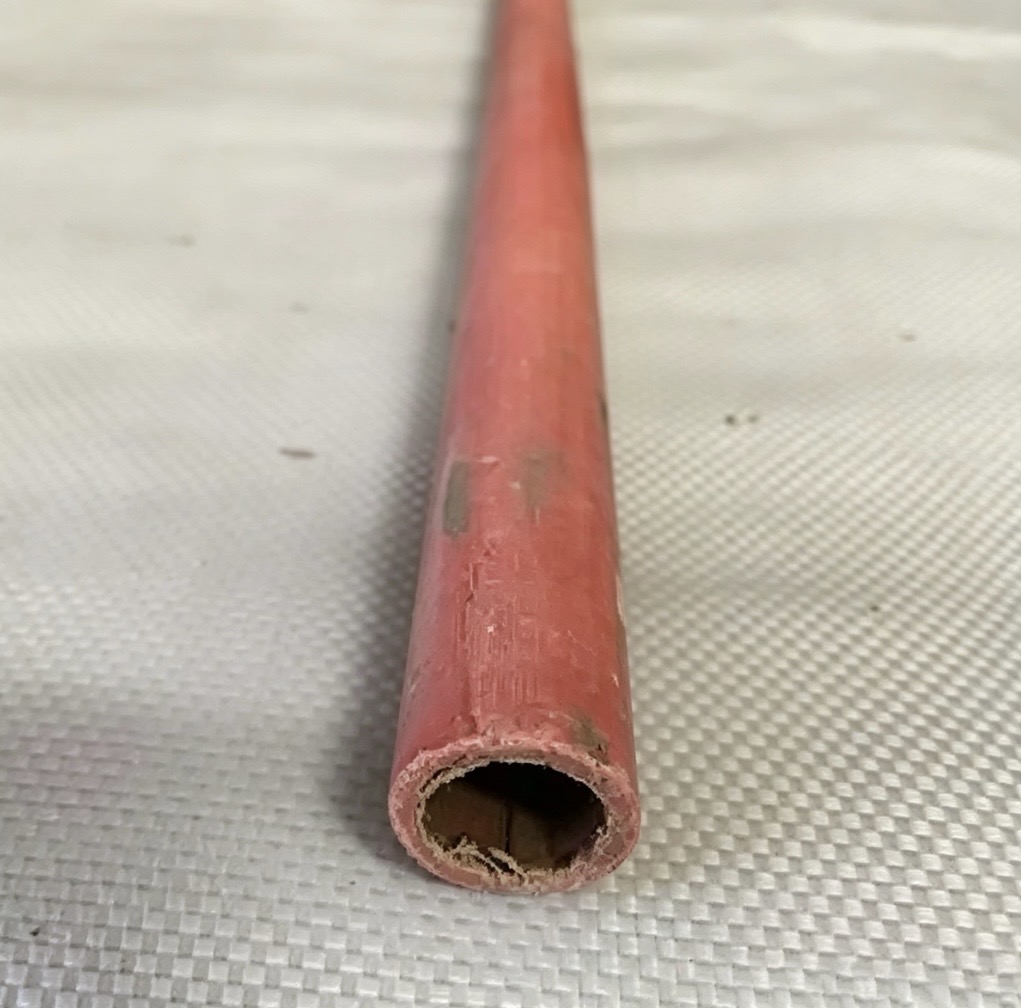
The core material is only one part of an insulation system. Facing, adhesive, joint treatment, and protective jackets also affect performance.
The ASTM C680 standard practice provides a method for estimating heat gain or loss and surface temperatures in insulated systems. Engineers can use appropriate calculations to evaluate whether a proposed design meets project requirements.
From a procurement perspective, comparing price per meter alone can be misleading. A lower-cost material may require additional installation work or more demanding vapor-barrier treatment. Comparing complete system specifications gives buyers a clearer basis for evaluating long-term value.
Installation and Procurement Checklist
Before ordering insulation for chilled water pipes, confirm the following information:
- Pipe diameter and material
- Chilled water operating temperature
- Ambient temperature and relative humidity
- Indoor or outdoor installation conditions
- Required pipe insulation thickness
- Facing, vapor retarder, and protective jacket requirements
- Applicable fire and building code requirements
The ASHRAE Standard 90.1 provides energy-efficiency requirements for covered buildings and systems. Project teams should confirm which codes and editions apply to their installation.
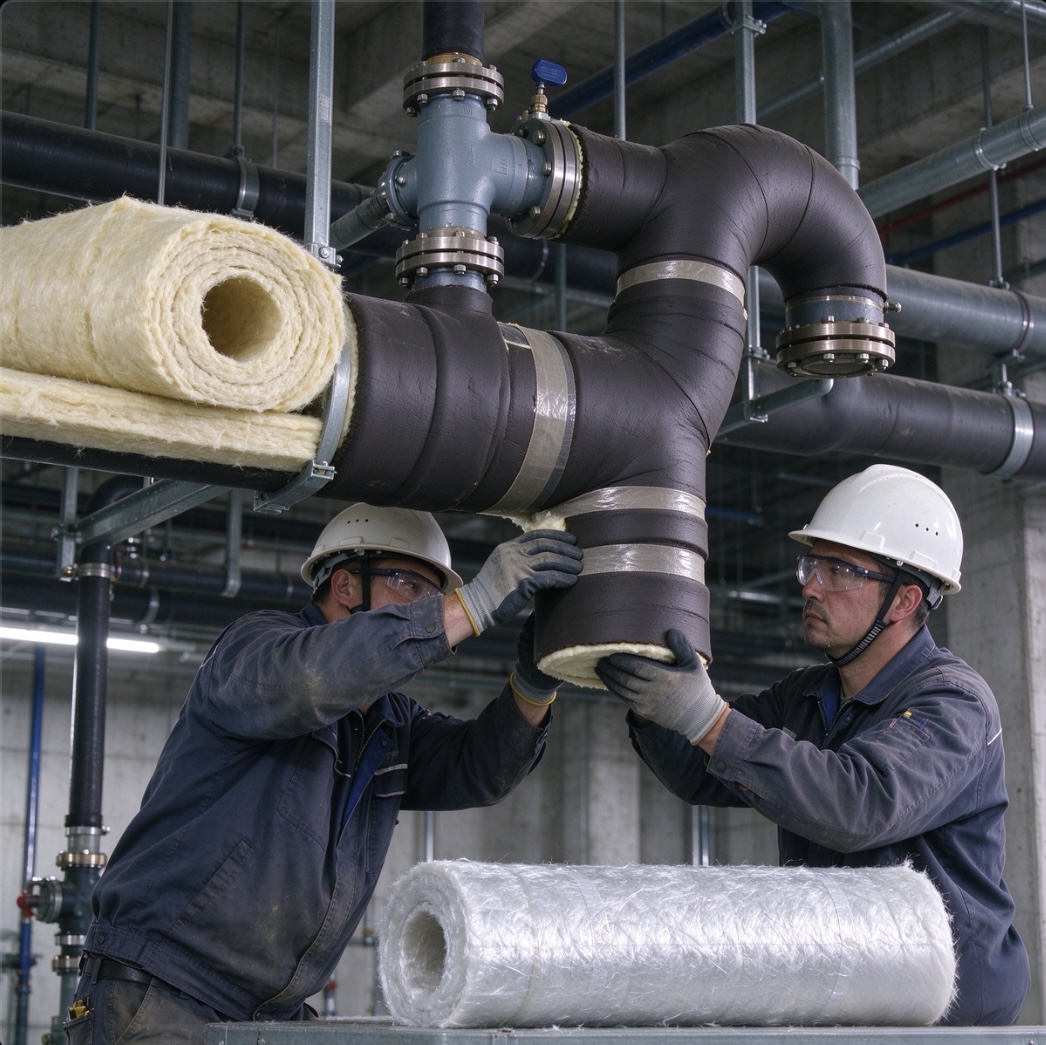
During installation, ensure that joints, elbows, valves, and pipe supports are properly insulated and sealed. Damaged facings and unsealed connections can create weak points where moisture enters. Insulation should be dry before the vapor-control layer is sealed, and outdoor systems may require additional protection against weather and physical damage.
Ask suppliers for technical data sheets, thermal conductivity values and test conditions, available thicknesses, dimensional tolerances, and relevant fire-test documentation. If the operating environment is complex, have the design engineer verify insulation thickness and condensation-control requirements.
Conclusion
Choosing the right insulation for chilled water pipes requires balancing thermal performance, condensation control, moisture resistance, installation quality, and overall project cost. Phenolic foam, glass wool, rock wool, and flexible elastomeric insulation should be evaluated according to their documented properties and intended applications.
The best approach is to define the operating conditions first. Confirm the required thickness and vapor control system. Compare the full product specifications before ordering. Proper material selection and careful installation help reduce heat gain, prevent moisture-related problems, and support reliable HVAC operation.
References
1.ASHRAE. ASHRAE Handbook—HVAC Systems and Equipment.
2.ASHRAE. ASHRAE Handbook—Fundamentals.
3.ASTM International. ASTM C1136: Standard Specification for Flexible, Low Permeance Vapor Retarders for Thermal Insulation.
4.ASTM International. ASTM C680: Standard Practice for Estimate of the Heat Gain or Loss and the Surface Temperatures of Insulated Systems.
5.ASHRAE. ANSI/ASHRAE/IES Standard 90.1: Energy Standard for Sites and Buildings Except Low-Rise Residential Buildings.