
How to Choose Insulation and Waterproofing Materials for Industrial Buildings
Choosing insulation and waterproofing materials for industrial buildings involves more than comparing product prices or thermal conductivity. Manufacturing workshops, cold storage facilities, industrial roofs, and wastewater treatment plants face different environmental conditions and performance requirements. Selecting unsuitable materials can increase energy consumption, create condensation problems, or lead to premature system failure.
A practical selection process begins with the building's operating conditions, followed by an evaluation of material properties, system compatibility, installation requirements, and long-term maintenance. Understanding these factors helps project owners, contractors, and purchasing teams make better-informed decisions.
Understanding Industrial Building Material Requirements
Before comparing products, identify the building's main performance requirements. These may include thermal insulation, fire performance, moisture control, weather resistance, chemical compatibility, and structural durability.
According to the ASHRAE Handbook chapter on building envelopes, an effective building envelope must manage heat flow, air movement, liquid water, water vapor, and fire while maintaining durability and serviceability. This means insulation and waterproofing should be evaluated as interconnected parts of the building system rather than isolated products.
For example, a heated manufacturing workshop may prioritize energy efficiency and fire performance, while a cold storage facility requires careful control of heat transfer, air leakage, and condensation. An industrial wastewater project has a different priority: reliable liquid containment and compatibility between the liner and the substances it contacts.
How to Choose the Right Thermal Insulation Material
Rock Wool for Fire and Thermal Insulation
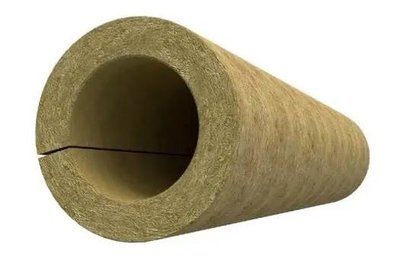
Rock wool is commonly considered for industrial walls, roofs, steel structures, and insulated sandwich panels. Buyers may evaluate it when thermal insulation and fire performance are important. However, fire classifications and temperature limits must be verified against the documentation for the specific product and, where applicable, the complete assembly.
Material selection should also account for insulation thickness, installation density, moisture exposure, and the continuity of the insulation layer. Gaps around joints and structural components can reduce the effectiveness of the overall system.
Glass Wool for Thermal and Acoustic Insulation
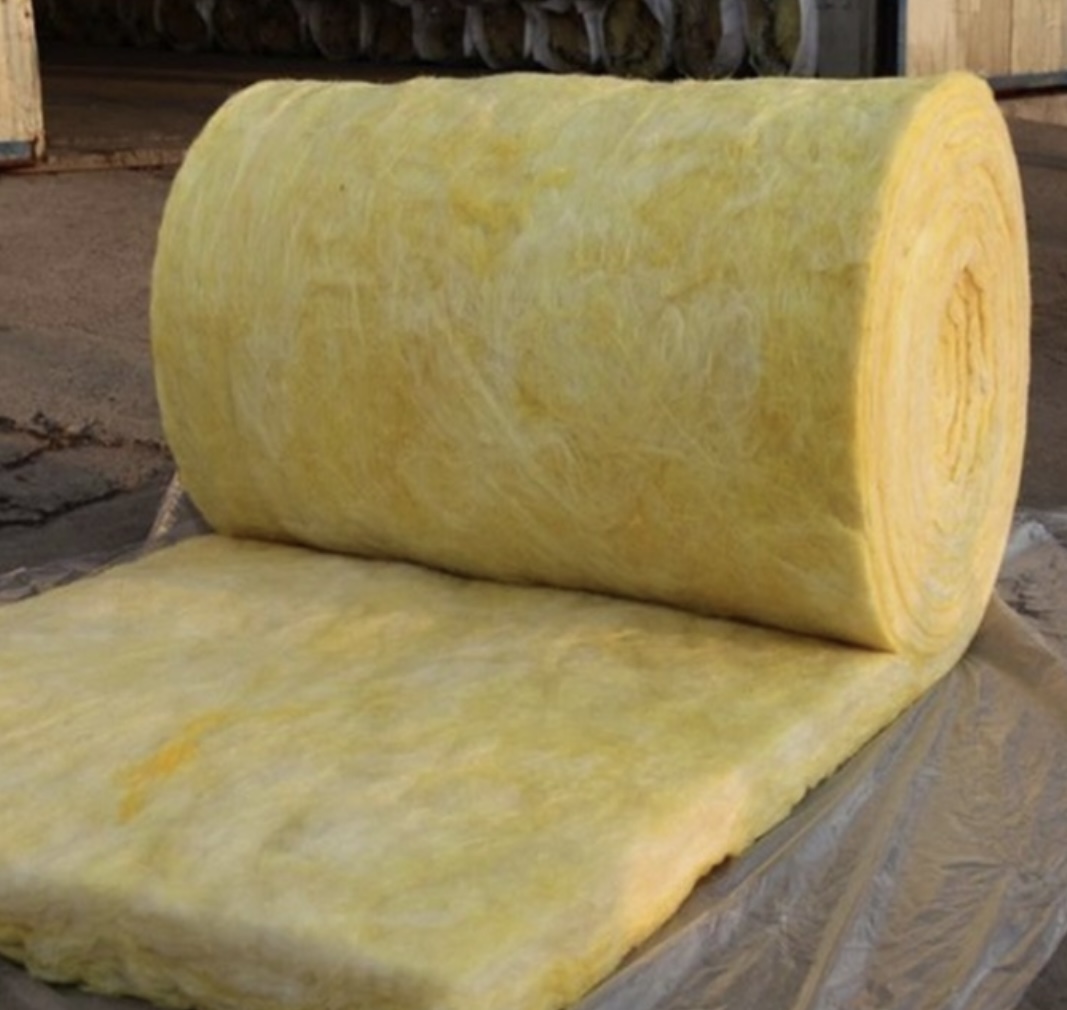
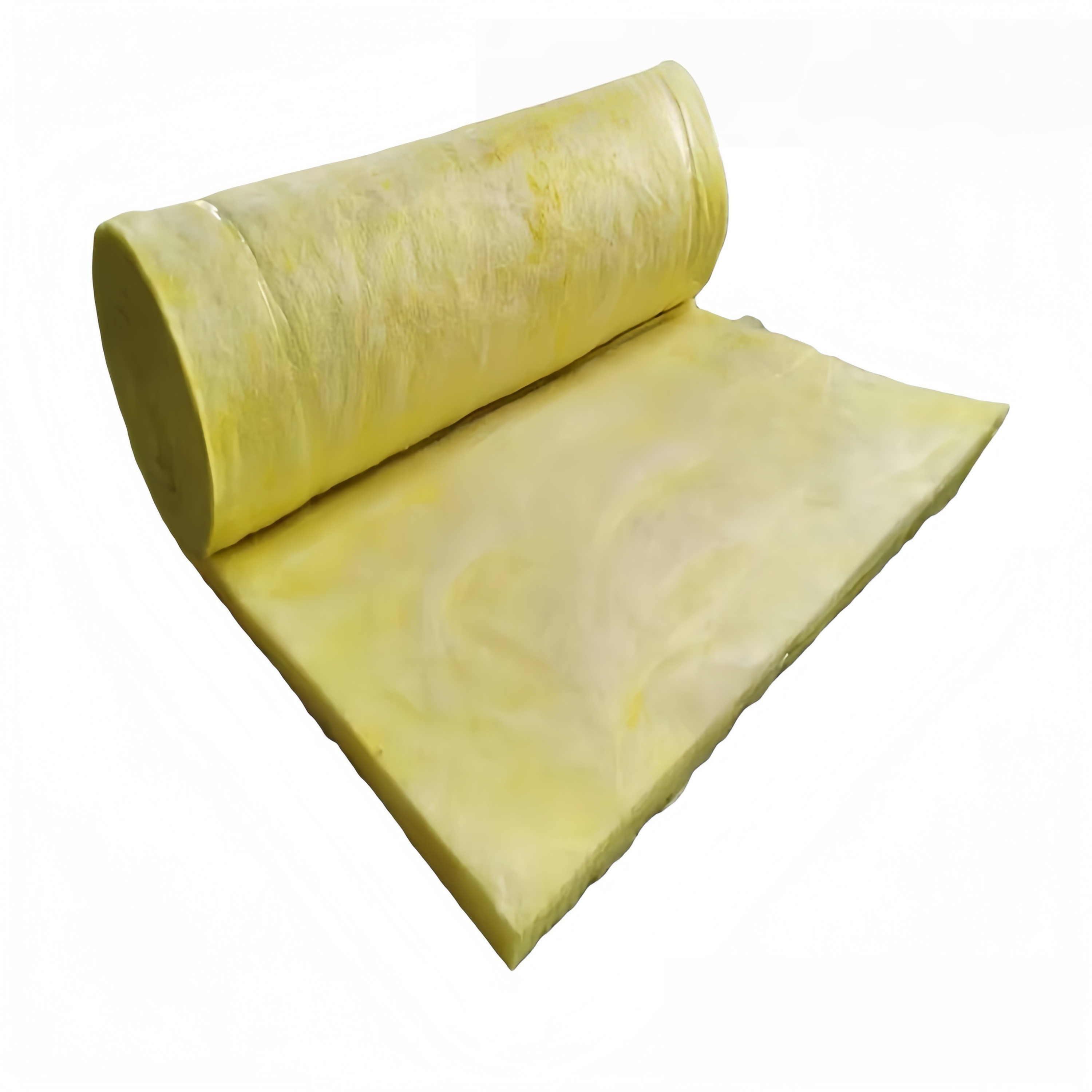
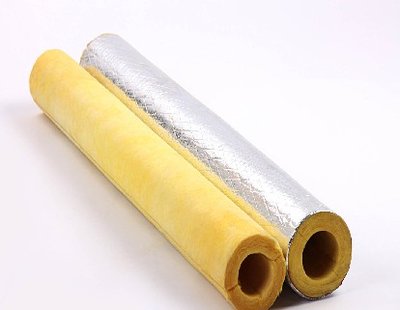
Glass wool is used in building envelopes, HVAC systems, ceilings, and applications where thermal and acoustic insulation are required. Its suitability depends on the intended installation, facing material, operating temperature, and moisture conditions.
When comparing glass wool products, buyers should check thermal conductivity, thickness, density where relevant, and the requirements of the intended assembly instead of relying on a single performance figure.
Polyurethane for Temperature-Controlled Buildings
Polyurethane insulation is often considered for cold storage and other applications where high thermal resistance within a limited thickness is desirable. Its performance in service depends on product properties, joint treatment, air leakage control, and the design of the surrounding enclosure.
Moisture control is particularly important in temperature-controlled buildings. The U.S. Environmental Protection Agency's moisture control guidance explains why moisture management should be addressed during design, construction, and maintenance. Insulation alone cannot compensate for poorly designed vapor control, air sealing, or drainage.
Selecting the Right Waterproofing Material
TPO, PVC, and SBS Waterproofing Membranes
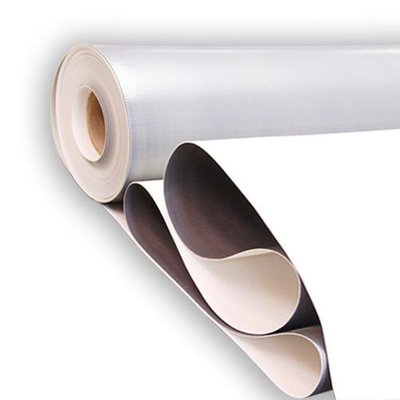
TPO and PVC membranes are thermoplastic roofing options used in suitable low-slope roof systems. Their suitability depends on membrane formulation, roof design, exposure, attachment method, seam quality, and project specifications. Neither material should automatically be considered the best choice for every industrial roof.
The National Roofing Contractors Association's technical discussion of TPO roofing membranes highlights that thermoplastic membrane products can have different chemical and physical properties. Therefore, buyers should compare product-specific performance and the requirements of the complete roofing system.
SBS-modified bitumen membranes may be suitable for certain roof and below-grade waterproofing applications, depending on the product and system design. Buyers should verify whether the membrane is intended for exposed or covered use and follow the manufacturer's installation requirements. The distinction between these applications matters because surface protection, weather exposure, and installation methods can differ significantly.
HDPE Geomembranes for Containment Projects
HDPE geomembranes are widely considered for containment applications such as landfills, reservoirs, ponds, and wastewater facilities. Selection should account for thickness, chemical compatibility, puncture resistance, subgrade conditions, and seam integrity.
The U.S. EPA's technical manual on solid waste disposal facility criteria discusses geomembranes as components of engineered containment systems. This reinforces an important principle: a geomembrane should not be treated as a standalone guarantee against leakage. Subgrade preparation, liner-system design, drainage, seam quality, and installation inspection all influence performance.
HDPE geomembranes and building roofing membranes serve different purposes. A geomembrane designed for liquid containment should not be substituted for a roof membrane unless the product has been specifically designed and approved for that application.
Matching Materials to Different Industrial Projects
The most suitable material depends on the operating environment and the building's performance requirements. The following table provides a preliminary selection framework rather than a substitute for project specifications.
| Project Type | Main Requirements | Materials to Evaluate |
|---|---|---|
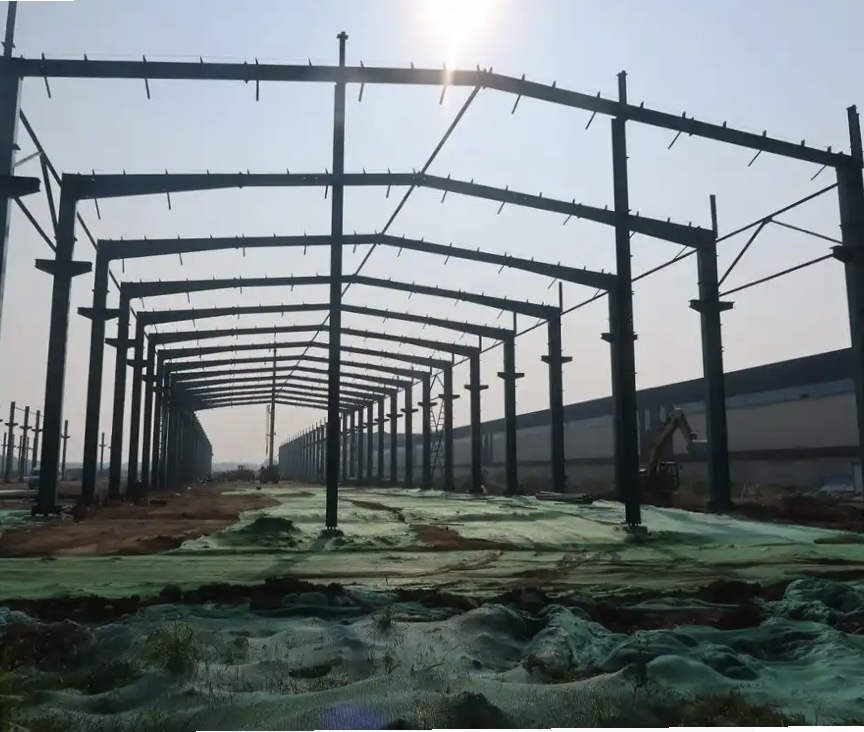
| Manufacturing workshop | Thermal insulation, fire performance, weather protection | Rock wool, glass wool, insulated sandwich panels |
| Cold storage facility | Low heat transfer, condensation control, airtightness | Polyurethane insulation, suitable insulated panels, vapor control systems |
| Industrial roofing | UV exposure, drainage, wind resistance, watertight joints | TPO, PVC, or other roofing membranes specified for the project |
| Landfill or wastewater facility | Liquid containment, chemical compatibility, seam integrity | HDPE geomembranes or other engineered liner materials |
| Chemical processing plant | Chemical exposure, operating temperature, fire requirements | Materials selected according to the actual process conditions |
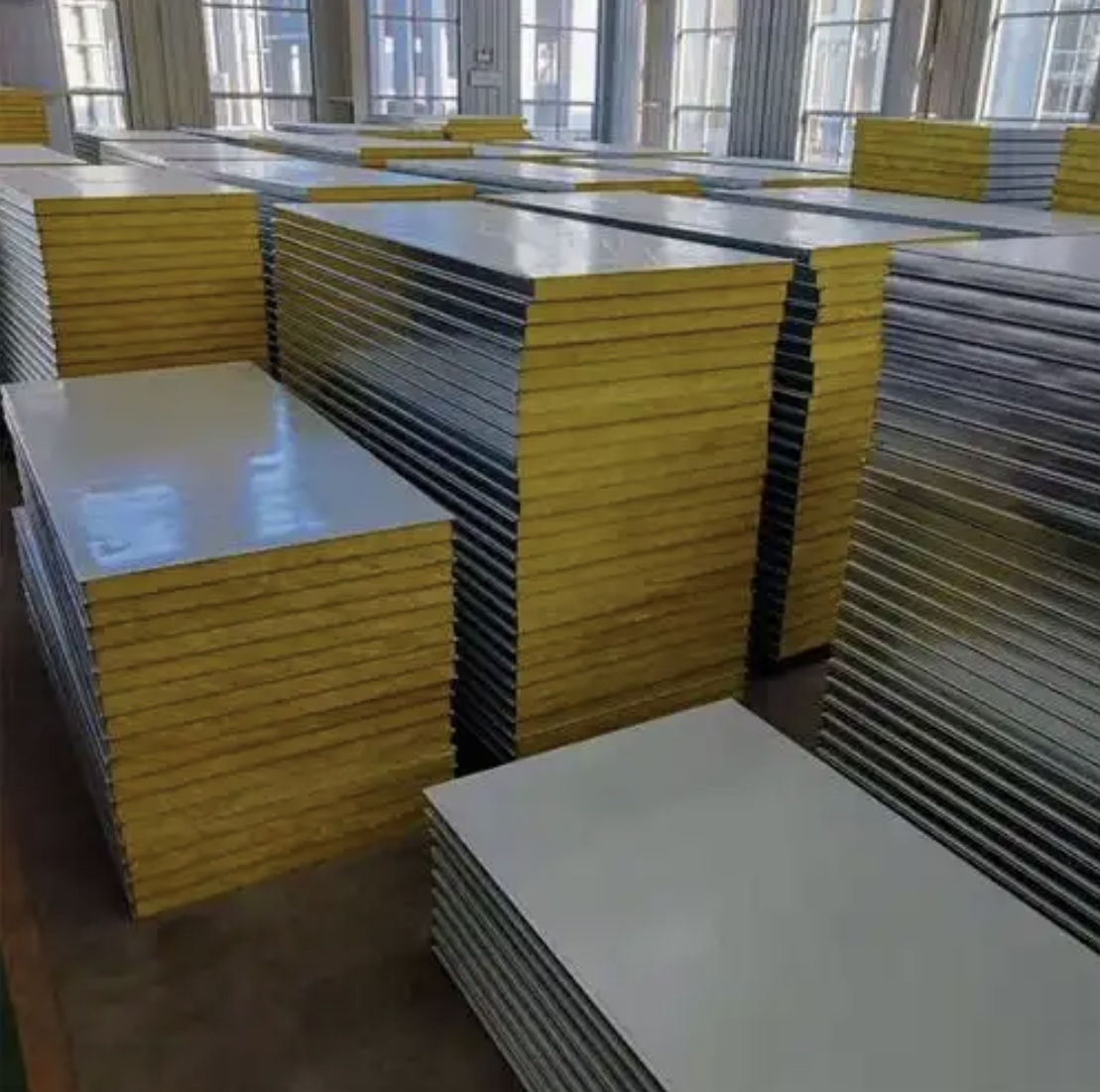
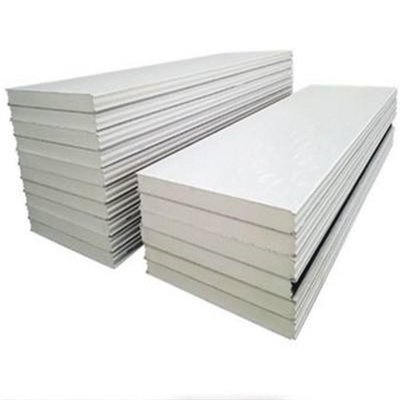
For insulated sandwich panels, buyers should also compare core material, panel thickness, steel facing, joint design, and the requirements for the complete wall or roof assembly. Panel selection should reflect the intended building use rather than insulation performance alone.
Five Common Mistakes When Selecting Materials
1. Choosing by price alone. A lower initial purchase price may not represent the best overall value if the product requires more maintenance or is unsuitable for the intended environment.
2. Assuming all products have the same fire performance. Materials within the same broad category may have different classifications. Request applicable documentation and check local building requirements.
3. Overlooking condensation control. Insulation, air barriers, vapor control, and ventilation must be considered together where relevant. Poor moisture management can undermine otherwise suitable materials.
4. Confusing roofing membranes with geomembranes. These products are designed for different applications. Verify the intended use before specifying or purchasing a membrane.
5. Ignoring installation details. Joints, penetrations, substrate preparation, drainage, and fixing methods can significantly influence system performance. Even a suitable product can fail if installation requirements are not followed.
6. What Should Buyers Check Before Ordering?
Before confirming an order, contractors and purchasing teams should review the following information:
- Technical specifications: Confirm dimensions, thickness, relevant performance indicators, and product configuration.
- Application suitability: Check that the product is intended for the specific roof, wall, HVAC, cold storage, or containment application.
- Fire and safety requirements: Verify applicable classifications and supporting documentation for the product or assembly.
- Installation compatibility: Review substrate conditions, joint treatment, fixing methods, and compatibility with adjacent materials.
- Quality documentation: Request relevant technical data sheets and test reports where applicable and available.
- Supply arrangements: Confirm quantities, packaging, delivery schedules, and consistency of specifications for repeat orders.
These checks help buyers compare products on a consistent basis and reduce the risk of choosing materials that do not match the project's technical requirements.
Conclusion
Selecting insulation and waterproofing materials for industrial buildings requires a project-based approach. Rock wool, glass wool, polyurethane insulation, roofing membranes, HDPE geomembranes, and insulated sandwich panels each serve different purposes. The right choice depends on operating conditions, product-specific performance, system compatibility, and installation quality.
By defining project requirements before comparing products, buyers can make more informed decisions about material suitability, durability, and long-term building performance. Explore the relevant thermal insulation materials, HDPE geomembranes, and insulated sandwich panels to compare available product options for different construction applications.
References
1.ASHRAE. ASHRAE Handbook: Building Envelopes.
2.U.S. Environmental Protection Agency. Moisture Control Guidance for Building Design, Construction and Maintenance.
3.National Roofing Contractors Association. Thermoplastic Polyolefin (TPO) Roofing Membranes: The North American Experience.
4.U.S. Environmental Protection Agency. Solid Waste Disposal Facility Criteria: Technical Manual.
5.ASHRAE. Heat, Air, and Moisture Control in Building Assemblies—Material Properties.