

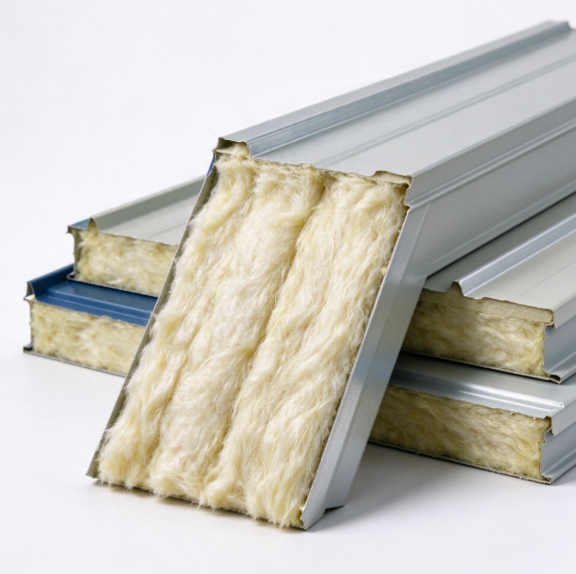
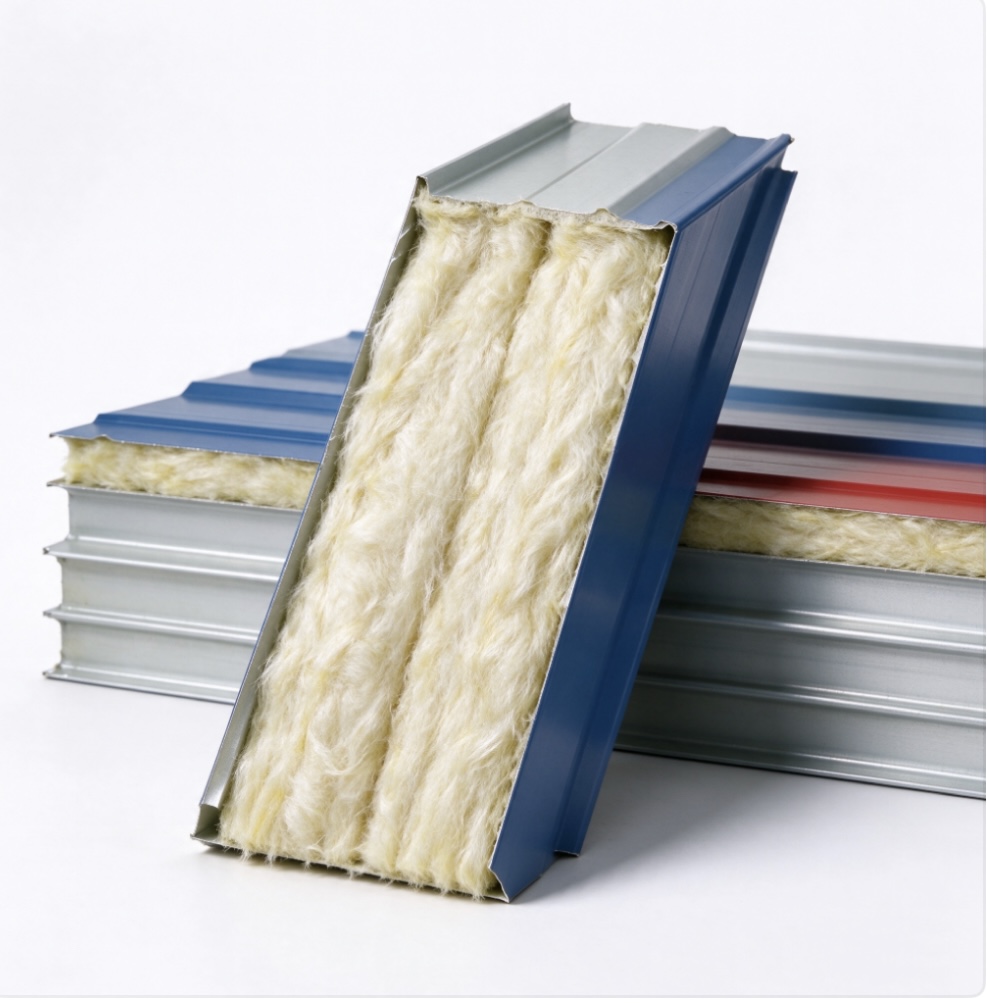

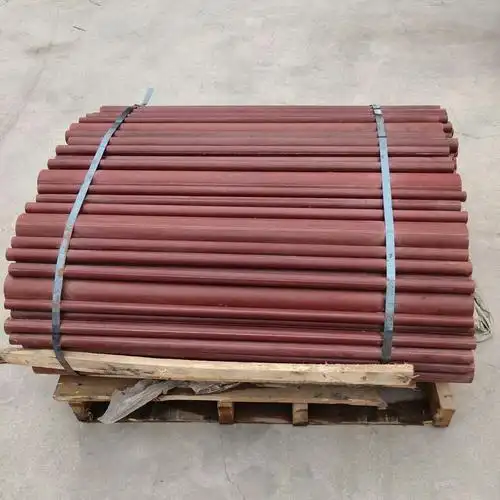
Phenolic Pipe Insulation for HVAC and Industrial Piping
Phenolic Pipe Insulation for Building, HVAC and Industrial Systems
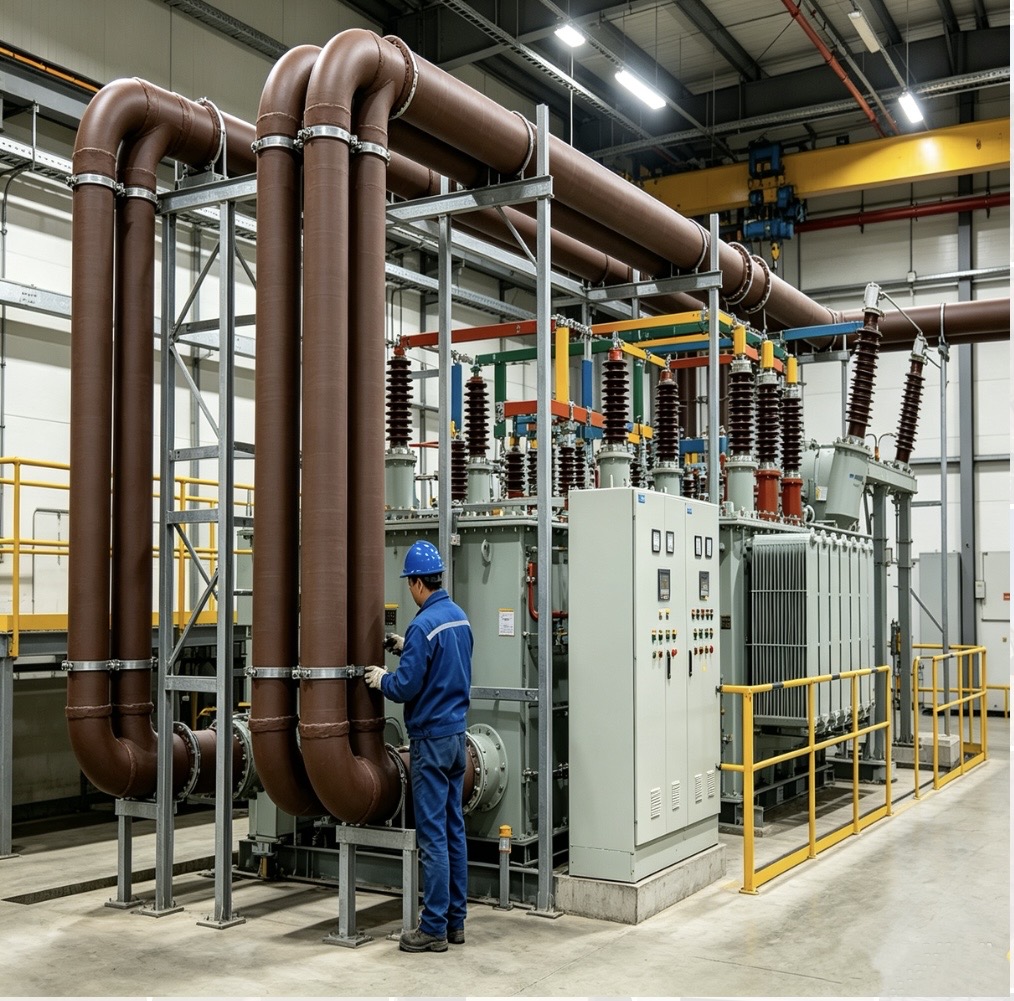
Phenolic pipe insulation is a rigid, pre-formed insulation solution made from closed-cell phenolic foam for HVAC, industrial piping and building service systems. It helps reduce unwanted heat transfer and provides consistent insulation coverage around round pipes.
As a practical thermal insulation material, phenolic foam pipe insulation is available with different sizes, insulation thicknesses and surface options to meet project requirements. Jinsimai supplies phenolic pipe insulation for B2B construction and industrial projects, with customized specifications available according to pipe dimensions, installation conditions and application needs.
When requesting a quotation, buyers can provide the pipe outside diameter, required insulation thickness, surface finish and estimated order quantity to help identify a suitable specification.
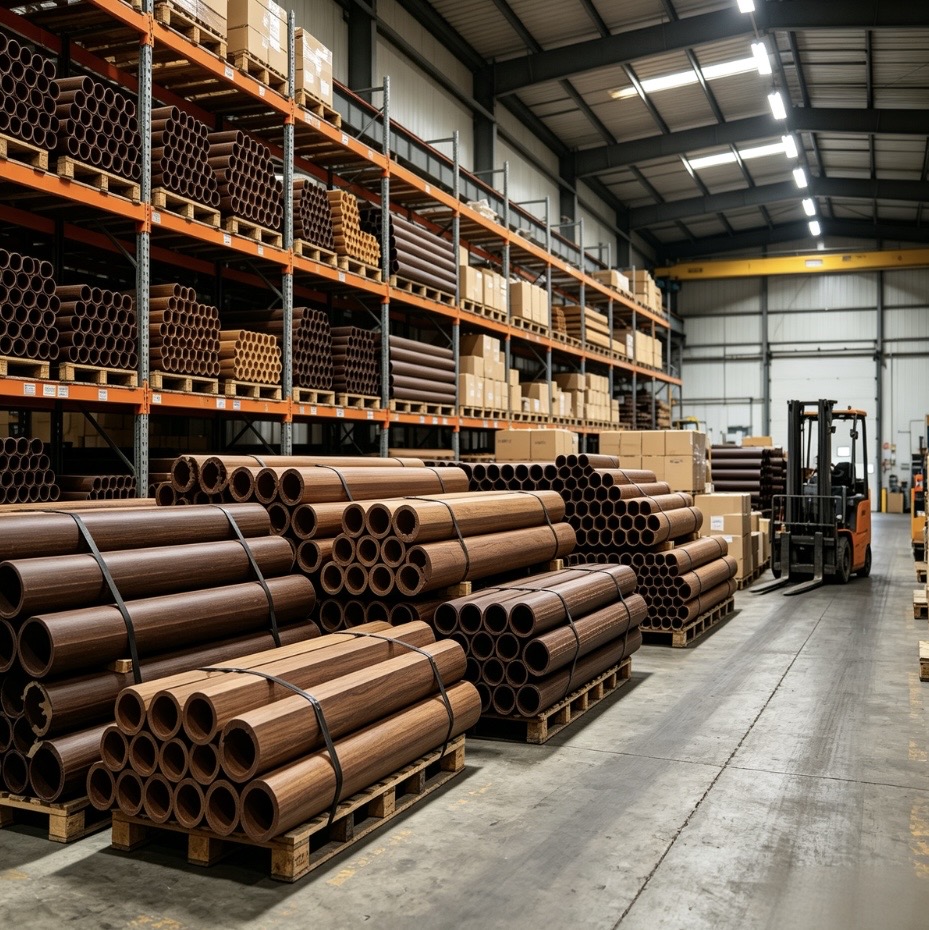
Key Features of Phenolic Pipe Insulation
Thermal Insulation for Piping Systems
Phenolic pipe insulation offers better thermal performance per unit thickness than many alternative materials, allowing thinner insulation layers to meet the same thermal requirements and reducing material volume and installation space. The required insulation thickness should be selected according to the operating conditions and project specifications.
Pre-Formed Rigid Structure
The rigid, closed-cell tubular design fits around round pipes and provides consistent insulation coverage. Correct sizing and installation are important for reducing gaps at joints and pipe connections.
Available Surface Options
Three surface types are available: plain (unfaced) for indoor applications, aluminum foil faced for vapor barrier and condensation control in HVAC and cold storage piping, and fiberglass cloth wrapped for mechanical strength and abrasion resistance in industrial environments. Buyers should confirm the required facing material and installation conditions before ordering.
Customized Sizes and Thicknesses
Two-half shell sections are available for retrofit installation on existing piping. Custom dimensions and thicknesses beyond the standard range can be produced upon request — buyers can submit their pipe measurements and project requirements for specification review.
Phenolic Pipe Insulation Specifications
|
Specification |
Details |
|
Material |
Phenolic Foam (closed-cell structure)
|
Density
|
40–80 kg/m³ (per GB/T 6343)
|
Operating Temperature
|
-180°C to +150°C
|
|
Surface |
Plain / Aluminum foil faced / Fiberglass cloth wrapped
|
|
Shape |
Round Pipe Section |
Standard Length
|
1000mm per section
|
Structure
|
Rigid, Tubular
|
Applications of Phenolic Pipe Insulation
HVAC Piping Systems
Phenolic pipe insulation can be used around suitable heating, ventilation and air-conditioning pipes to help manage heat transfer. The aluminum foil faced type provides vapor barrier protection to prevent condensation on cold pipes operating below ambient dew point. The insulation thickness and facing should be selected according to the system design and installation conditions.
Industrial Piping
Industrial piping projects may require insulation based on operating temperatures, energy management needs and site conditions. The operating temperature range of phenolic foam covers cryogenic piping (LNG, liquid nitrogen), chilled water systems and low-pressure steam lines. The fiberglass cloth wrapped type is recommended for industrial environments with high vibration or where additional mechanical protection is needed.
Mechanical Rooms
Mechanical rooms often contain multiple pipes, valves and equipment connections. The low thermal conductivity of phenolic foam allows thinner insulation layers to achieve the required thermal performance, saving valuable installation space. Accurate pipe measurements and suitable insulation dimensions help improve fit around straight pipe sections and connections.
Commercial and Building Services
Phenolic pipe insulation can be used in commercial building service systems including fire protection of steel pipes in escape stairs and fire compartments. Its non-combustible rating with low smoke emission meets fire safety requirements for high-rise buildings and public facilities. Buyers should confirm the required pipe sizes, insulation thickness, surface facing and applicable project specifications before placing an order.
FAQ About Phenolic Pipe Insulation
1. What is the MOQ and lead time?
MOQ is 500 sections, with 15–25 working days lead time.
2. What certifications and test reports are provided?
GB 8624 Class A1 fire test, thermal conductivity, density, water absorption and compressive strength test reports, plus ISO 9001, CE and Certificate of Origin upon request.
3. Can phenolic pipe insulation be used for cryogenic piping?
Yes, phenolic foam maintains thermal performance down to -180°C, suitable for LNG and liquid nitrogen lines.
4. How does phenolic compare to glass wool and rubber insulation?
Phenolic offers lower thermal conductivity and better fire performance, while glass wool has a higher temperature limit and rubber is better for condensation control.
5. What information is needed for a quotation?
Provide pipe diameter (DN), required thickness, surface type, estimated quantity and destination port.
Get a Phenolic Pipe Insulation Quote for Your Project
Jinsimai supplies phenolic pipe insulation for suitable HVAC, industrial piping and building service applications. Customized sizes, insulation thicknesses and surface options can be discussed according to confirmed product capabilities and project requirements.
To help us review your requirements, provide the pipe dimensions, required insulation thickness, surface facing, estimated order quantity and intended application. Contact Jinsimai to discuss your project and request a quotation.
For further guidance on product selection and engineering considerations, read our Phenolic Pipe Engineering Selection Guide.