SBS vs TPO Waterproof Membrane: Which Is Better for Flat Roofs?
Introduction
Choosing a waterproof membrane for a flat roof involves more than comparing material prices. The roofing system must withstand weather exposure, accommodate building movement, manage water drainage, and remain maintainable throughout its service life.
SBS modified bitumen and thermoplastic polyolefin (TPO) are two common options for low-slope roofing projects. SBS offers a flexible, asphalt-based membrane system, while TPO provides a single-ply thermoplastic roofing solution with heat-welded seams. The better choice depends on roof design, installation conditions, climate, and long-term maintenance requirements.
What Are SBS and TPO Waterproof Membranes?
SBS Modified Bitumen Membrane
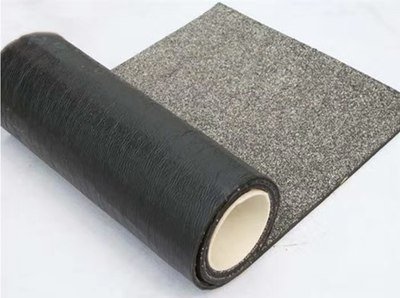
SBS stands for styrene-butadiene-styrene, an elastomer used to modify asphalt. The resulting membrane generally offers good flexibility and is commonly incorporated into multi-ply roofing systems.
Depending on the product, SBS membranes can be torch-applied, self-adhered, or installed using other approved methods. This variety allows contractors to select an installation approach suited to the roof assembly and site conditions.
The ASTM D6164/D6164M standard for SBS modified bituminous sheets specifies requirements for certain polyester-reinforced SBS materials. However, compliance with a material specification alone does not establish the suitability of an entire roofing system.
TPO Waterproofing Membrane
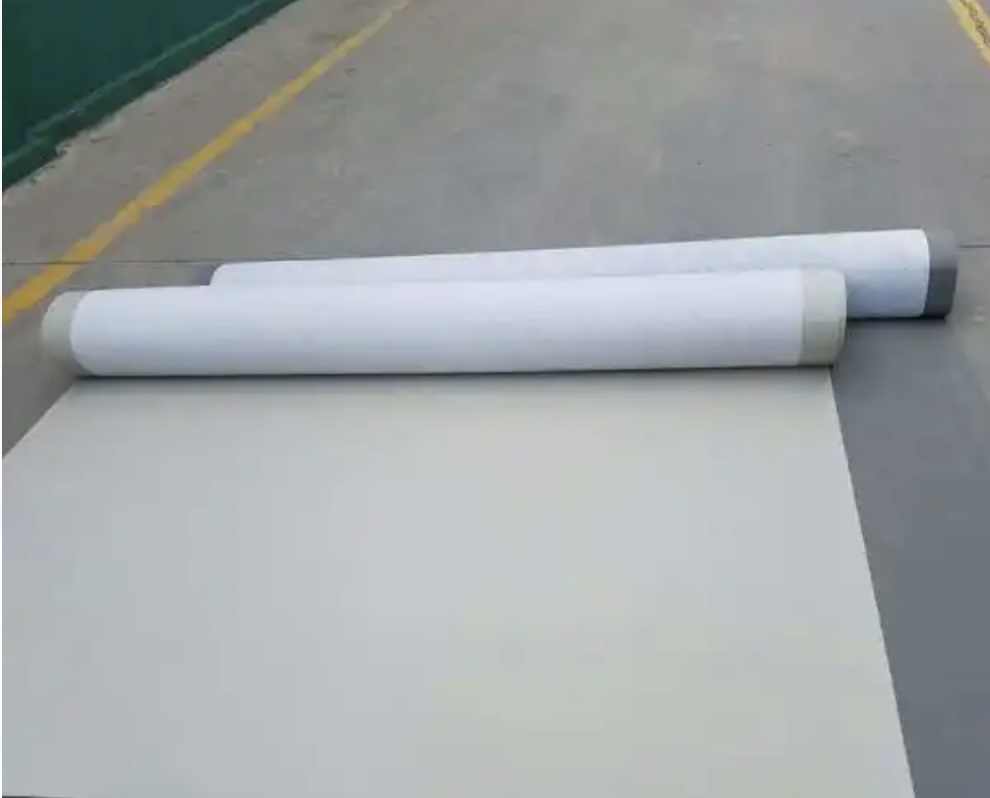
TPO is a thermoplastic roofing material commonly supplied in flexible, reinforced sheets. It is widely used in commercial and industrial low-slope roofing applications.
TPO membranes are typically installed using mechanical attachment or adhesive systems, depending on the roof design. Overlapping seams are commonly joined through hot-air welding to create watertight connections.
According to ASTM D6878/D6878M, the specification for TPO-based sheet roofing, relevant material properties include tensile strength, elongation, tear resistance, heat aging, water absorption, and weather resistance.
For buyers, the important distinction is that material performance and complete roof-system performance are related but not identical.
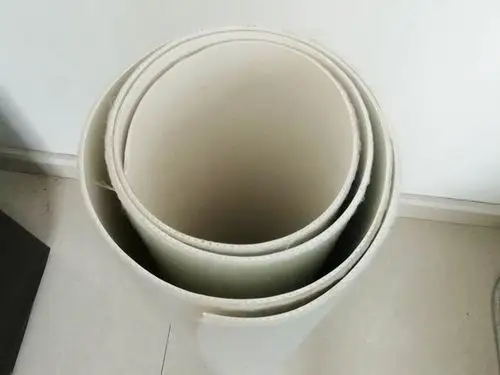
SBS vs TPO: Key Differences
The following comparison highlights practical considerations for flat roof projects.
| Comparison Factor | SBS Waterproof Membrane | TPO Waterproof Membrane |
|---|---|---|
| Material | Polymer-modified bitumen | Thermoplastic polyolefin |
| System Design | Commonly used in multi-ply systems | Commonly used as a single-ply system |
| Installation | Torch-applied, self-adhered, or other approved methods | Commonly heat-welded seams with suitable attachment methods |
| Flexibility | Generally offers good flexibility | Depends on formulation and temperature |
| Surface Reflectivity | Depends on surface finish | White or light-colored products may offer high solar reflectance |
| Seam Treatment | Bonding method depends on the selected system | Overlapping seams are commonly heat-welded |
| Maintenance | Inspect seams, flashing, and surface damage | Inspect welds, flashing, punctures, and surface damage |
| Cost Factors | Layers, accessories, labor, and installation method | Membrane specifications, attachment method, accessories, and labor |
Neither material is automatically superior in every category. Project requirements and the quality of the complete roofing assembly should determine the final selection.
Four Factors to Consider When Choosing a Flat Roof Membrane
1.Roof Drainage and Ponding Water
Flat roofs require careful drainage design. Inadequate slope, blocked outlets, and poorly positioned drains can cause water to accumulate, increasing the demands placed on the roofing system.
Neither SBS nor TPO should be selected on the assumption that the membrane alone will solve drainage problems. Buyers should review roof slopes, drain locations, flashing details, and the manufacturer's requirements for prolonged water exposure.
A useful reference is the National Roofing Contractors Association (NRCA), which provides roofing industry guidance and technical resources. Project teams should use applicable roofing guidelines alongside product-specific installation instructions.
For buildings with recurring drainage problems, correcting the underlying design or drainage defect should take priority over choosing a different membrane.
2. Installation Around Complex Roof Details
Large roof areas are only part of the installation challenge. Pipe penetrations, HVAC equipment bases, parapet walls, drains, and roof edges require careful detailing.
SBS systems depend on the correct bonding method, membrane overlaps, and compatible flashing components. Torch-applied products also require appropriate fire precautions and trained installers. Self-adhered or cold-applied alternatives may be more suitable where open-flame work is restricted.
TPO systems require properly prepared surfaces, controlled welding conditions, and consistent seam quality. Poorly executed welds can compromise the waterproofing layer even when the membrane itself meets its material specifications.
The U.S. General Services Administration's facilities management resources provide broader context for building maintenance and facility requirements. For actual installation decisions, however, the selected membrane manufacturer's technical instructions and the project's approved specifications should take precedence.
The practical lesson is straightforward: select a system that the installation team can execute reliably, particularly around complex details.
3. Repairability and Long-Term Maintenance
The cost of a roof does not end when installation is complete. Inspection access, repair procedures, and the availability of compatible materials can affect its long-term performance.
For SBS systems, inspections should focus on seams, flashing, surface deterioration, and visible damage. Repairs must use compatible materials and follow the specified system's procedures.
For TPO systems, particular attention should be given to welded seams, penetrations, edge details, and punctures. Repair work may require cleaning, preparation, and heat welding according to the membrane manufacturer's instructions.
Both systems can be damaged by repeated foot traffic, dropped tools, or maintenance activities. Walkway protection and clear access routes can help reduce avoidable damage.
The U.S. Environmental Protection Agency's ENERGY STAR cool roofs guidance explains how reflective roofing surfaces can reduce roof temperatures and influence heat transfer into buildings. This is relevant when evaluating light-colored TPO products, although actual energy benefits depend on climate, insulation, building design, and operating conditions.
Maintenance planning should therefore consider both waterproofing integrity and the building's wider operational requirements.
4. Compare Total Project Cost, Not Just Membrane Prices
A lower price per square meter does not necessarily mean a lower total roofing cost.
SBS and TPO systems can differ in the number of membrane layers, attachment methods, labor requirements, insulation arrangements, cover boards, flashing components, and installation equipment.
Buyers should request comparable quotations that clearly identify the included materials and work. Important questions include:
- Are substrate preparation and insulation included?
- Which membrane thickness and reinforcement are specified?
- Are flashings, edge details, and drainage accessories included?
- What installation method and labor assumptions are used?
- What product documentation and warranty conditions apply?
The National Institute of Standards and Technology (NIST) provides resources on building science and construction performance. More broadly, sound building procurement requires evaluating documented performance and project requirements rather than relying on a single price or marketing claim.
A meaningful comparison should consider installation costs, expected maintenance, repair access, and the consequences of roof disruption over time.
Which Membrane Is Better for Different Flat Roof Applications?
TPO may be attractive for large commercial roofs where reflective surfaces, heat-welded seams, and single-ply installation suit the project requirements.
SBS may be appropriate where a multi-ply modified bitumen system, its installation options, and the contractor's experience align with the roof design.
For roofs with frequent maintenance access, both systems require suitable protection and traffic management. For buildings with numerous penetrations or complicated edges, the quality of the detailing strategy may matter more than the membrane category alone.
Climate is another consideration. Reflective TPO surfaces may be beneficial in cooling-dominated environments, while SBS flexibility and system configuration may suit particular project requirements. Neither material should be chosen based on climate alone.
Before specifying either option, confirm applicable building codes, fire requirements, wind-uplift resistance, insulation compatibility, drainage design, and the manufacturer's approved installation details.
Frequently Asked Questions
Is SBS or TPO better for flat roofs?
Neither is universally better. SBS may suit projects requiring a modified bitumen system, while TPO may suit projects prioritizing a reflective single-ply membrane. Roof design and installation quality should guide the decision.
Can TPO membranes be used on commercial roofs?
Yes. TPO is commonly used on commercial and industrial low-slope roofs. The membrane specification, attachment method, seam quality, and complete roof assembly must meet project requirements.
Is SBS modified bitumen suitable for low-slope roofs?
Yes, SBS modified bitumen is commonly used on low-slope roofs. The selected system must be appropriate for the roof design, drainage conditions, substrate, and installation requirements.
Conclusion: Choose the Right Membrane for Your Project
SBS and TPO can both provide effective waterproofing when properly specified and installed. The best choice depends on drainage, roof details, installation capabilities, maintenance requirements, and total project cost.
Before purchasing, compare complete roofing system specifications rather than membrane prices alone. For project-specific selection, buyers should confirm the required membrane type, thickness, installation method, and compatible accessories.
References
1.ASTM International. Standard Specification for SBS Modified Bituminous Sheet Materials Using Polyester Reinforcements (ASTM D6164/D6164M).
2.ASTM International. Standard Specification for Thermoplastic Polyolefin-Based Sheet Roofing (ASTM D6878/D6878M).
3.National Roofing Contractors Association (NRCA). Roofing Industry Technical Resources and Guidelines.
4.U.S. General Services Administration (GSA). Facilities Management Resources.
5.U.S. Environmental Protection Agency / ENERGY STAR. Cool Roofs.
6.National Institute of Standards and Technology (NIST). Building Science and Construction Performance Resources.