
The Environmental Benefits of Choosing Rock Wool Blankets
Many people choose insulation based on price or R-value. I think that misses the bigger picture. The environmental impact of insulation can last for decades.
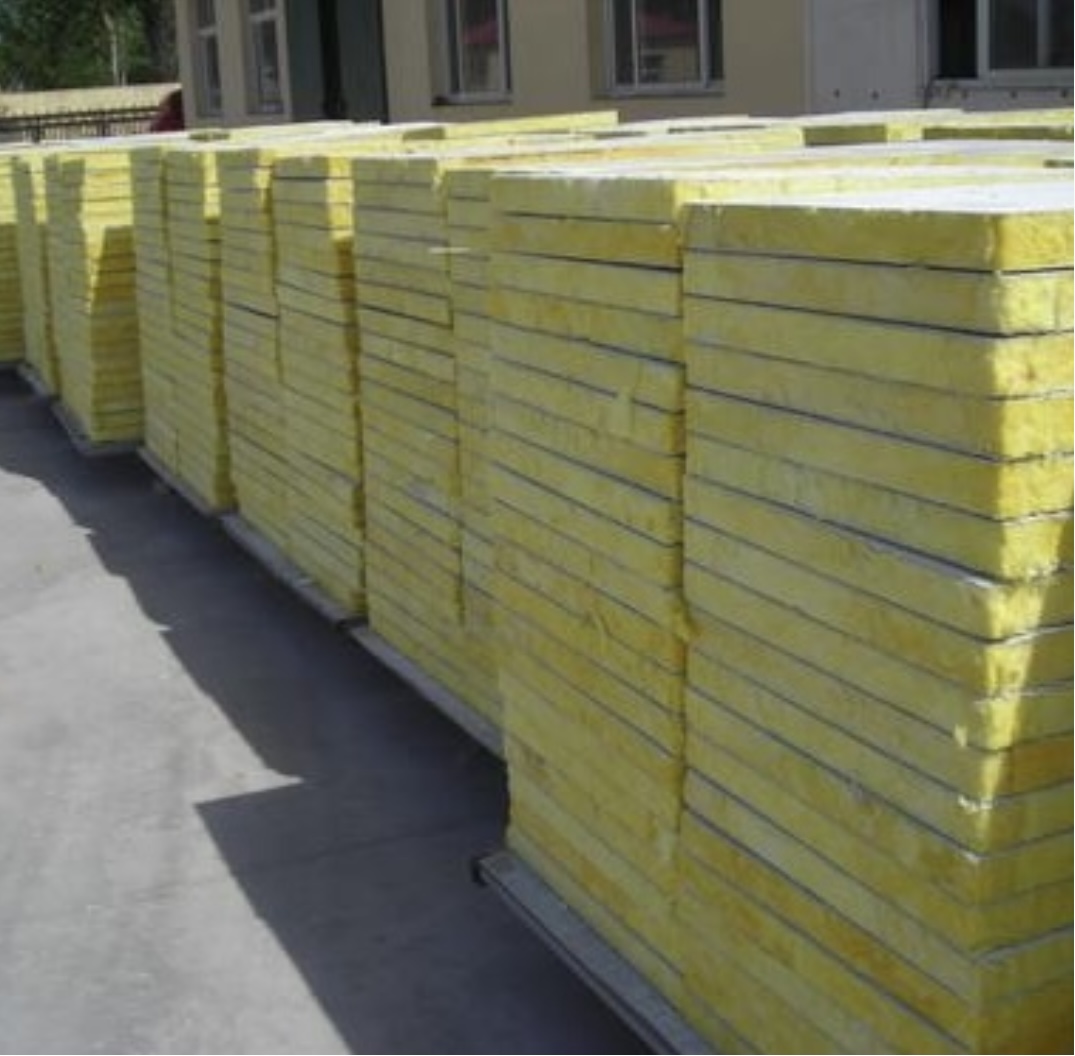
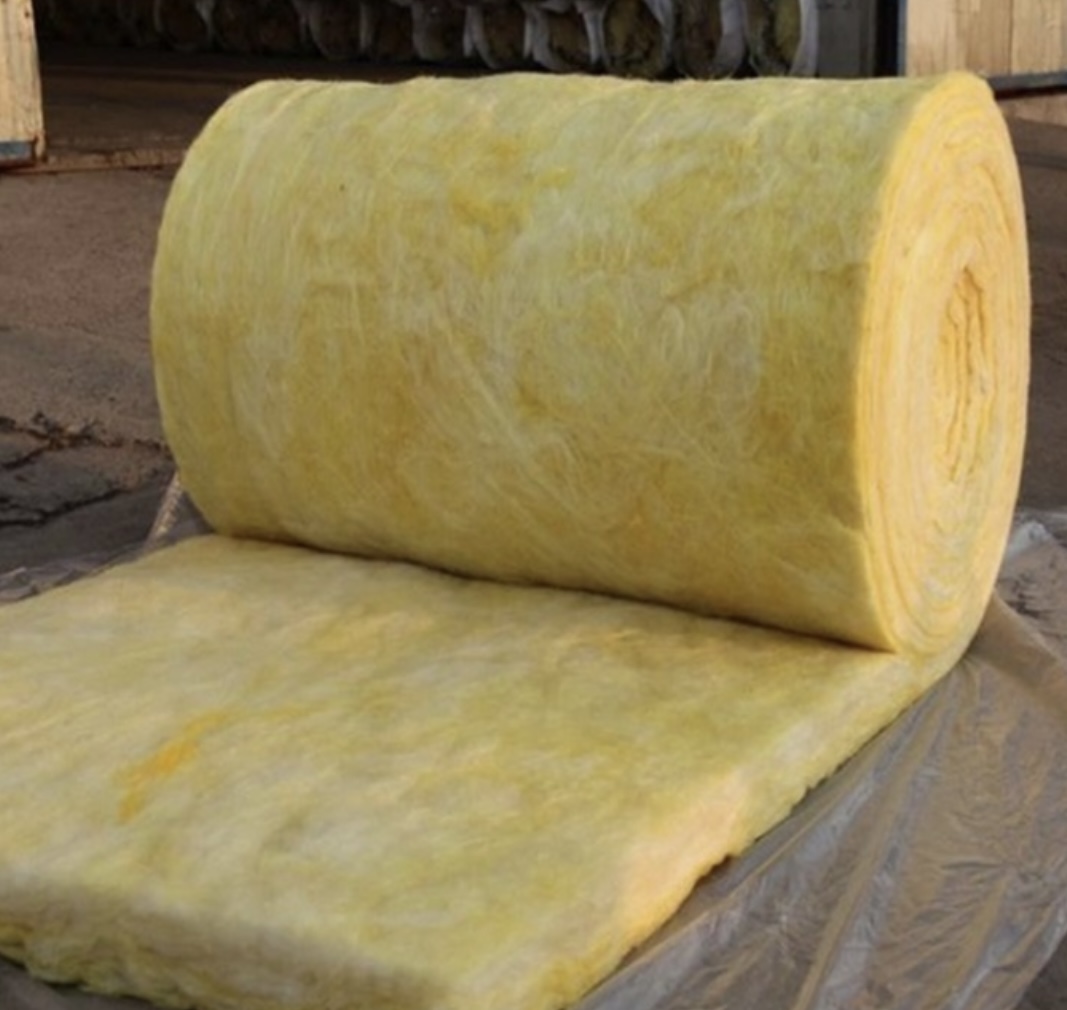
Rock wool blankets help reduce energy use, contain high levels of recycled materials, resist fire naturally, and support long-term sustainable building goals.
When I help buyers compare insulation materials, I always look beyond thermal performance. A product may perform well in a laboratory, but real sustainability depends on its raw materials, service life, indoor air quality, and end-of-life options. Rock wool blankets stand out because they combine these advantages in one solution.
What are the environmental benefits of using rock wool blankets in home insulation?
Many homeowners want an eco-friendly home. The wrong insulation choice can increase waste and reduce long-term energy savings.
Rock wool blankets improve energy efficiency, use recycled raw materials, last for decades, and remain recyclable after use.
One reason I recommend rock wool blankets is their raw material composition. They are mainly produced from volcanic rock and recycled industrial slag. This reduces the need for virgin resources and helps divert industrial waste from disposal. According to the U.S. Environmental Protection Agency, using recycled materials helps conserve natural resources and supports a circular economy.
Another benefit is energy efficiency. Good insulation reduces heat transfer through walls, roofs, and floors. That means heating and cooling systems work less throughout the year. Over decades, lower energy demand can reduce greenhouse gas emissions linked to building operations. Since buildings account for a significant share of global energy use, insulation plays an important role in improving overall building sustainability.
Durability also matters. Rock wool blankets maintain stable thermal performance for many years. They resist moisture, shrinkage, and biological growth better than many alternative materials under normal conditions. A longer service life means fewer replacements, less material waste, and lower environmental impact over the building's lifetime.
How do rock wool blankets compare environmentally to fiberglass insulation products?
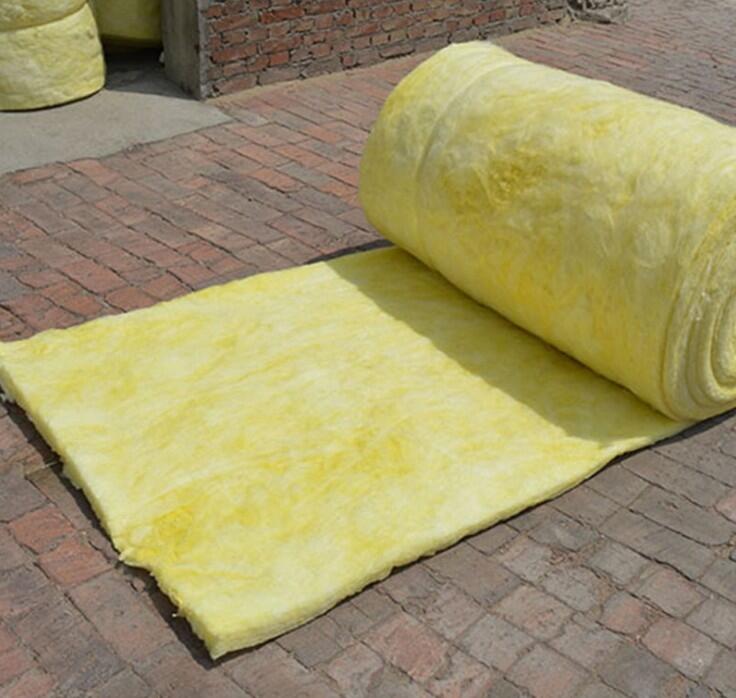
Many people compare rock wool with fiberglass. I think both save energy, but they differ in several environmental areas.
Rock wool usually offers better fire resistance, higher recycled content in many products, and stronger long-term durability, while both materials contribute to energy savings. 2244
When I compare these materials, I look at their entire life cycle instead of only installation costs. Both reduce energy consumption, but rock wool provides several additional environmental strengths.
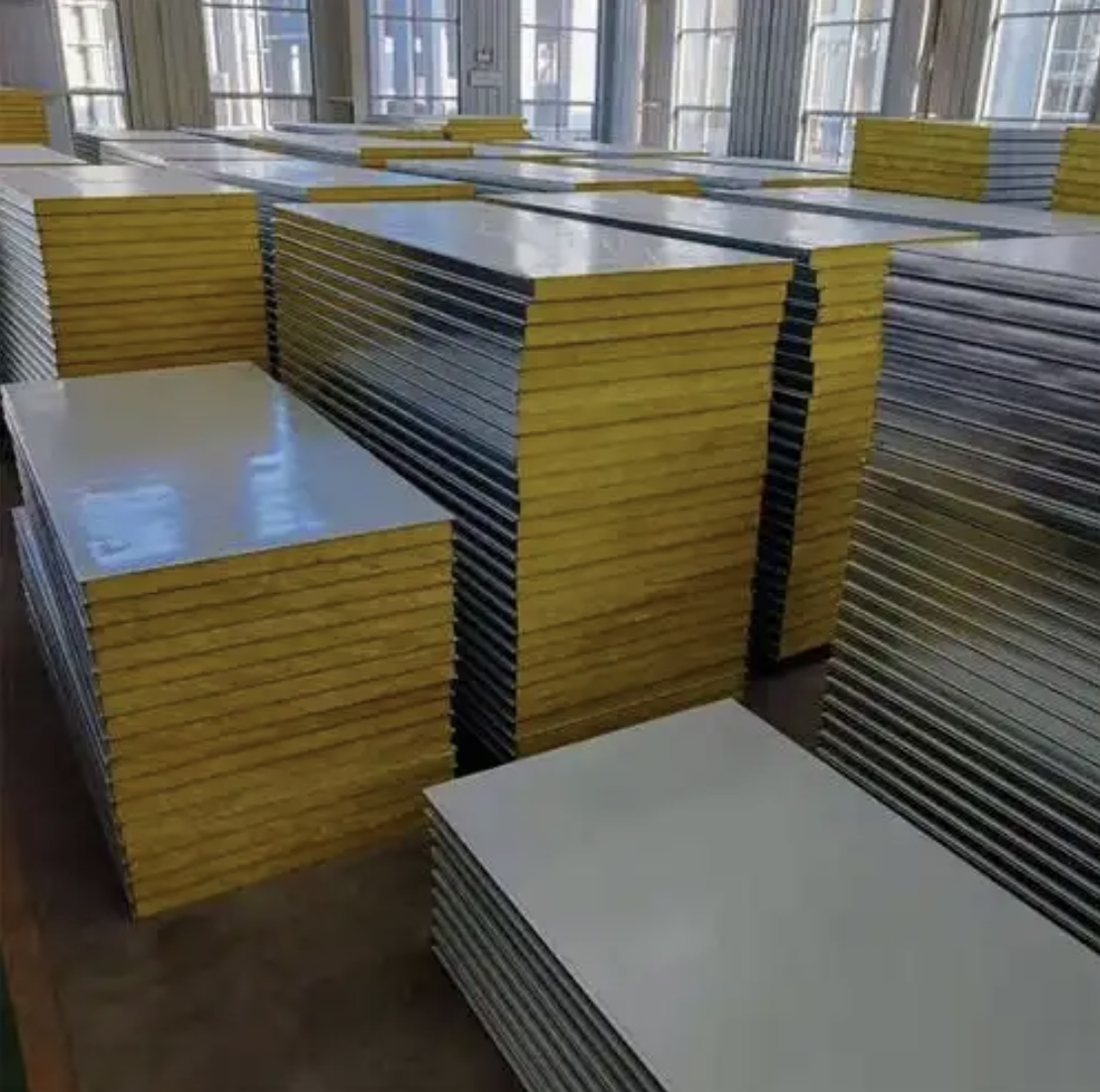
First, fire performance creates an important difference. Rock wool is naturally non-combustible because it comes from stone. It can withstand very high temperatures without contributing fuel to a fire. This can improve building resilience and reduce fire-related environmental losses. 22
Second, recycled content deserves attention. Many rock wool manufacturers publish Environmental Product Declarations that document recycled content and environmental impacts using standardized methods. These verified reports improve transparency for architects, contractors, and procurement teams.
Third, rock wool often performs well in demanding environments. It maintains its shape under temperature changes and continues providing insulation performance over long periods. This reduces maintenance needs and replacement frequency, which helps lower the overall environmental footprint of construction projects.
The following comparison summarizes key environmental differences.
Environmental Comparison of Rock Wool and Fiberglass Insulation
|
Feature |
Rock Wool Blanket |
Fiberglass Insulation |
|
Main Raw Material |
Natural stone + recycled slag |
Glass + recycled glass |
|
Fire Resistance |
Naturally non-combustible |
Good but lower than rock wool |
|
Recycled Content |
Often high (manufacturer dependent) |
Varies by manufacturer |
|
Moisture Resistance |
Excellent |
Good |
|
Long-Term Durability |
Excellent |
Good |
|
Recyclability |
Recyclable |
Limited recycling in many markets |
|
Indoor Air Quality |
Low VOC options available |
Low VOC certified options available |
This comparison shows why many commercial projects choose rock wool when fire safety, durability, and sustainability receive equal priority.
Are there any certifications or eco-labels to look for in sustainable rock wool blankets?
Many buyers see environmental claims on product labels. I think certifications help separate verified performance from marketing language.
Look for Environmental Product Declarations, GREENGUARD certifications, recycled-content documentation, and other third-party verified sustainability labels.
I always encourage buyers to verify environmental claims through independent certification instead of relying only on promotional materials.
One of the most valuable documents is the Environmental Product Declaration, often called an EPD. An EPD provides standardized life-cycle information about carbon emissions, resource use, and manufacturing impacts. Because independent organizations verify these documents, they help procurement teams compare products fairly.
Indoor air quality certifications also matter. GREENGUARD Certification indicates that products meet strict chemical emission standards for indoor environments. This is especially useful for homes, schools, hospitals, and offices where occupant health receives close attention.
Many manufacturers also publish recycled-content documentation and sustainability reports. These documents explain how much recycled material enters production and how manufacturing processes reduce environmental impact. Combined with EPDs and indoor air quality certifications, these records give buyers stronger confidence in selecting environmentally responsible insulation.
Before purchasing, I usually check four items: verified EPD documentation, indoor air quality certification, recycled-content information, and compliance with local building standards. These checks help ensure that environmental benefits continue throughout the product's service life.
Conclusion
I believe rock wool blankets provide more than thermal insulation. They combine energy efficiency, recycled materials, fire safety, long-term durability, and verified environmental performance into one sustainable building solution.
Reference
11 U.S. Environmental Protection Agency (EPA). Sustainable Materials Management.
22 ROCKWOOL Group. Environmental Product Declarations (EPDs).
33 UL Solutions. Environmental Product Declaration Program.
44 UL Solutions. GREENGUARD Certification.
55 International Energy Agency (IEA). Buildings.