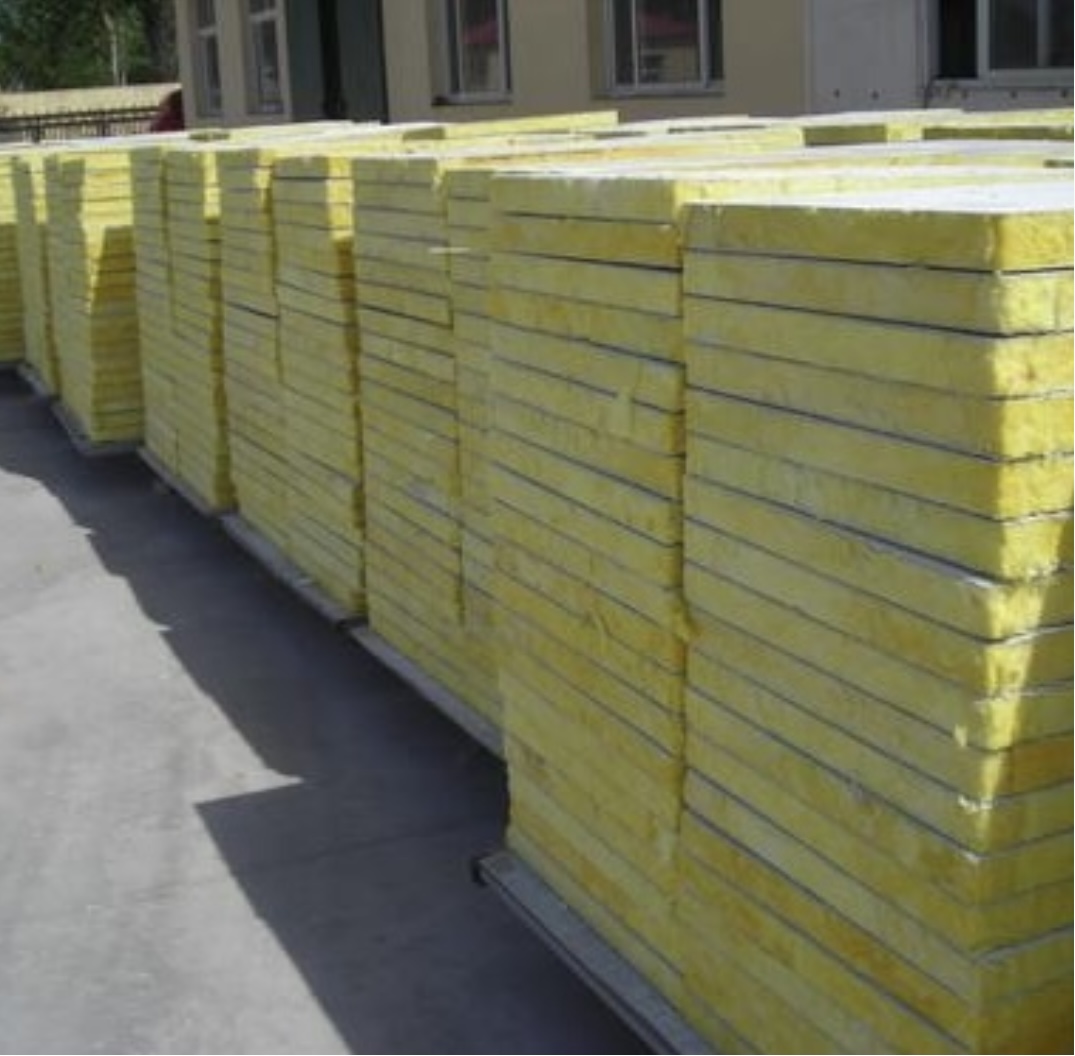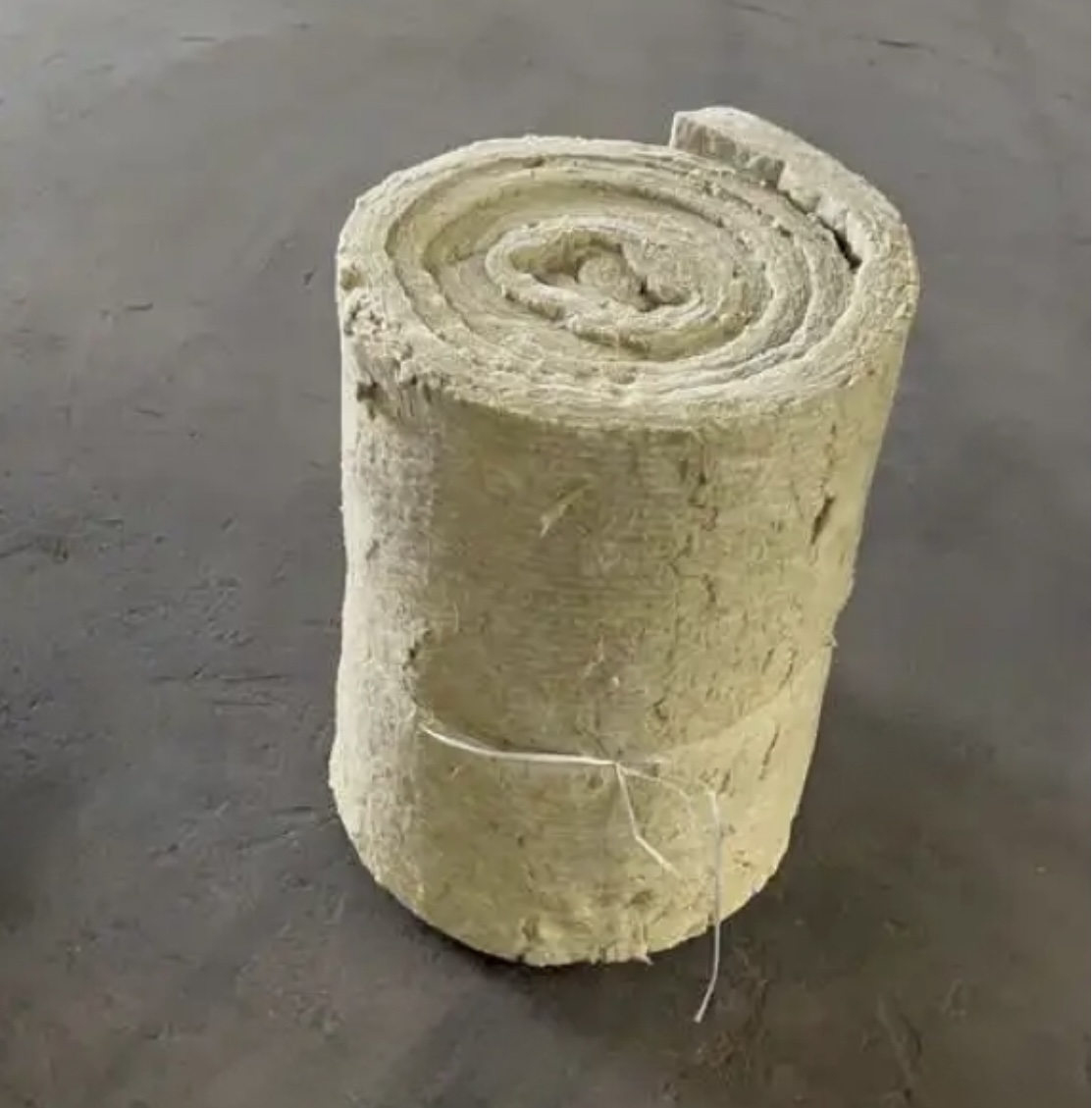
The Benefits of Glass Wool Insulation Material
Poor insulation can increase energy use, create uncomfortable indoor spaces, and reduce building performance. I have seen these problems when insulation is chosen only by its advertised R-value.
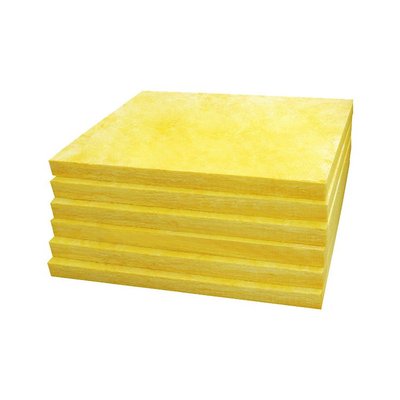
I have found that glass wool insulation can provide strong thermal, environmental, and indoor-air benefits when its density, fiber stability, binder formulation, and installation method match the project. Good material selection helps maintain performance over time.When I evaluate glass wool insulation, I look beyond the number on the product sheet. I also consider how the material will perform after installation. A product can have a good laboratory rating but still perform poorly if it sags, leaves gaps, or does not suit the application.
What Are the Energy-Saving Benefits of Using Glass Wool Insulation?
High energy bills often come from heat moving through poorly insulated walls, roofs, and ceilings. I focus on continuous insulation because small gaps can reduce real-world performance.
Glass wool insulation helps reduce heat transfer through building envelopes. Its thermal resistance can lower heating and cooling demand when the insulation is correctly selected and installed. The U.S. Department of Energy explains that insulation slows heat flow and that proper installation is important for achieving the expected performance.
In my experience, R-value is important, but it is not the only factor. I also check density, thickness, fiber stability, and installation quality. A higher R-value on paper does not always mean better performance in a finished wall or ceiling.
| Key Factor | Main Benefit | What I Check |
|---|---|---|
| Thermal performance | Helps reduce heat transfer and energy use | R-value, thickness, and application |
| Density | Supports suitable long-term performance | Whether density matches the installation area |
| Fiber stability | Helps prevent sagging and gaps | Whether the material maintains its shape |
| Recycled content | Supports sustainability goals | The amount and source of recycled materials |
| Binder formulation | Supports lower-emission options | Binder type and emission information |
| Installation quality | Helps maintain insulation performance | Continuous coverage and proper fitting |
I usually choose lighter glass wool blankets for attic overheads when the application allows it. For exterior walls or areas where acoustic performance also matters, I may look at higher-density grades. The right density depends on the structure and installation conditions.I have also seen why fiber stability matters. Loose, low-density products may show attractive initial thermal figures. However, if the material settles after installation, gaps can form inside wall or ceiling cavities. These gaps create weak points in the insulation layer and can reduce the energy savings expected from the project.
For this reason, I treat installation as part of the insulation system. The material needs to fit the cavity correctly. Workers also need to avoid unnecessary compression. Continuous insulation gives the building a better chance of achieving its expected thermal performance.
What Are the Environmental Benefits of Glass Wool Insulation Materials?
Many buyers want insulation that supports energy efficiency and sustainability at the same time. I look at both the material itself and the energy savings it can support during building use.
Glass wool can support environmental goals through recycled glass content and long-term thermal performance. Some glass mineral wool products use a high percentage of recycled glass. Knauf Insulation, for example, states that its glass mineral wool products can contain a high level of recycled glass.
I do not treat the word “green” as enough evidence. I prefer to check recycled content, product information, environmental documentation, and binder formulation before making a decision.
Recycled content is useful, but I do not look at it separately from thermal performance. If an insulation material contains recycled content but cannot maintain stable performance after installation, the project may not receive the expected long-term benefits.
Glass wool can also support sustainability through energy savings during the building's service life. Better insulation can reduce the amount of heating and cooling energy needed to maintain indoor temperatures. This means the environmental value of insulation is not only related to its raw materials. Long-term performance also matters.
Binder technology is another area I pay attention to. Some modern glass mineral wool products use plant-based or low-emission binder systems. Knauf Insulation states that its ECOSE Technology uses a formaldehyde-free binder and recycled glass content.
For me, a good environmental choice is not simply the product with the highest recycled content. I look for a balance between recycled materials, thermal performance, product stability, and reliable environmental information.
How Does Glass Wool Insulation Improve Indoor Air Quality?
Indoor air quality can be affected by many building materials. I pay particular attention to insulation binders because emissions from poorly selected materials can become a concern in enclosed spaces.
Glass wool insulation can support healthier indoor environments when the product uses low-emission materials and is correctly installed. Some glass mineral wool products are designed with low-VOC or formaldehyde-free binders and have indoor-air certifications.
In my experience, binder formulation deserves more attention than it often receives. Buyers may focus on R-value, density, or thickness and forget that insulation can remain inside the building envelope for many years. The materials used to hold the glass fibers together therefore deserve careful attention.
I usually check the binder system before I make a final recommendation. I also look for reliable emission information instead of depending only on general marketing claims.
Indoor-air performance should also be considered as part of the whole building system. Good insulation cannot solve every indoor-air problem. Ventilation, moisture control, air sealing, and other construction materials also affect indoor air quality.
Still, choosing an insulation product with clear emission information is a useful step. Knauf Insulation describes some of its glass mineral wool products as having low VOC emissions and certifications related to indoor air quality.I also pay attention to installation quality. Gaps and poor fitting can reduce thermal performance and may create other building problems. Properly fitted insulation helps the building system work as intended.
After years of looking at glass wool for building projects, I have found that the best results come from evaluating several factors together. Thermal performance, recycled content, binder formulation, fiber stability, and installation quality all have a role. A balanced evaluation is more useful than choosing a product based on one number.
Conclusion
I have found that glass wool delivers the best value when thermal performance, environmental goals, indoor-air quality, material stability, and installation requirements are considered together.
References
U.S. Department of Energy. “Types of Insulation.” Building Science Education.
U.S. Department of Energy. “High-R Insulation.” Building Science Education.
Knauf Insulation. “Glass Mineral Wool.”
Knauf Insulation. “Celebrating ECOSE Technology.”
Knauf Insulation Japan. “Earthwool High-Performance Glass Wool Insulation.”