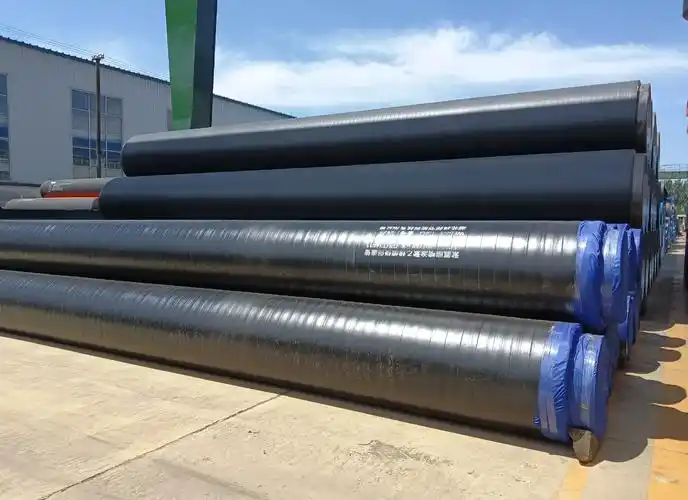

PEX (cross-linked polyethylene) pipes are widely used in residential, commercial, and industrial plumbing because of their flexibility, corrosion resistance, and ease of installation. However, without suitable insulation, these pipes can still experience heat loss, condensation, and exposure to freezing temperatures.
Choosing the right insulation for PEX pipes requires more than finding a sleeve that fits. Pipe dimensions, insulation thickness, operating temperature, moisture conditions, and installation environment all affect performance.
This guide explains how to select PEX pipe insulation, compare suitable materials, and identify the specifications that matter when sourcing insulation products for plumbing and construction projects.
Why is Insulation for PEX Pipes Important?
Although PEX pipes have good thermal properties compared with some metal pipes, they are not immune to heat transfer or freezing risks. Properly selected pipe insulation can improve system performance in several ways.
Reduce heat loss: Insulating hot-water pipes helps maintain water temperature and reduce unnecessary heat loss during distribution.
Control condensation: Insulating cold-water pipes can help prevent moisture from forming on the pipe surface when surrounding air is warm and humid.
Improve temperature stability: Insulation slows heat transfer between the pipe and its surroundings.
Provide additional freeze protection: Insulation delays cooling but cannot prevent freezing indefinitely in sustained low temperatures.
The U.S. Department of Energy provides practical recommendations in its guidance on insulating domestic hot-water pipes.
For contractors and project buyers, the objective is to select insulation that matches the actual operating conditions rather than choosing a product based on price or thickness alone.
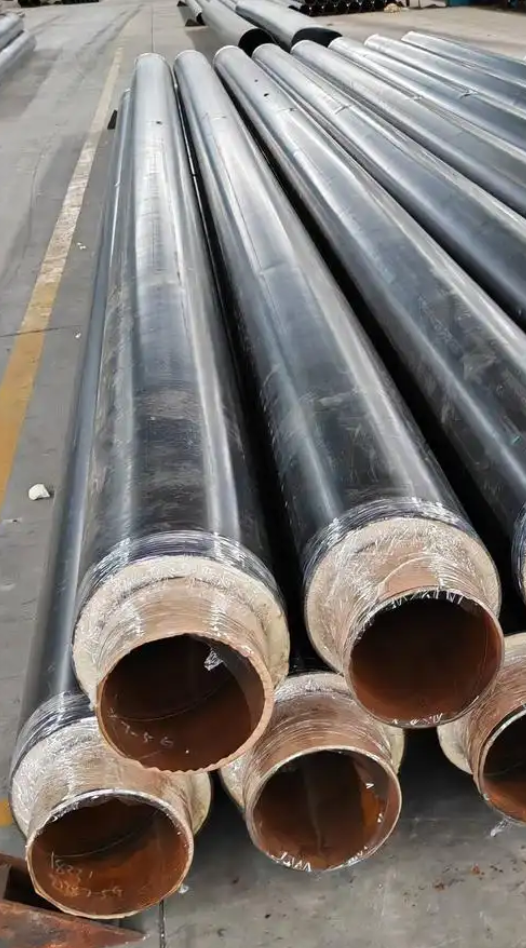
How to Choose the Correct PEX Pipe Insulation Size
Correct sizing is the first step toward reliable insulation performance. A sleeve that is too small can be difficult to install or become compressed, while an oversized sleeve may leave gaps around the pipe.
Before purchasing PEX pipe insulation, confirm the pipe's nominal size and actual outside diameter (OD). Nominal size and measured outside diameter are not necessarily the same, so always check the pipe manufacturer's specifications.
Next, select insulation with a compatible inside diameter (ID). The sleeve should fit closely around the pipe without excessive compression or open spaces.
When comparing products, check these specifications:
- Inside diameter: Must match the pipe's outside diameter.
- Wall thickness: Should meet the project's thermal requirements.
- Operating temperature range: Must be suitable for the pipe's working conditions.
- Material compatibility: Insulation, adhesives, and sealing tapes should be suitable for the application.
- Available dimensions: Confirm the required sizes and lengths before placing a bulk order.
For system design and installation considerations, refer to the PEX Plumbing Design and Installation Guide.
Do not overlook elbows, tees, valves, and pipe supports. These areas can create thermal weak points if insulation coverage is incomplete.
What Thickness of PEX Pipe Insulation do You Need?
There is no universal thickness suitable for every application. The appropriate thickness depends on pipe diameter, water temperature, ambient conditions, insulation conductivity, and the required level of thermal performance.
For hot-water systems, insulation is generally selected to reduce heat loss. For cold-water pipes, condensation control may be equally important, especially in humid indoor environments.
ASHRAE explains these engineering considerations in its Handbook chapter on insulation for mechanical systems.
Before selecting an insulation thickness, evaluate:
Operating temperature: Hot- and cold-water systems have different requirements.
Ambient temperature: Pipes in garages, crawl spaces, and other unheated areas may need additional protection.
Moisture exposure: Cold-water applications may require suitable vapor-control properties.
Applicable standards: Building codes and project specifications may establish minimum requirements.
Product performance: Check thermal conductivity, temperature limits, and manufacturer recommendations.
For commercial and industrial projects, confirm the required thickness through applicable codes, engineering calculations, and verified product data. Avoid relying on a single thickness recommendation for every pipe size and environment.
Selecting Insulation for PEX Pipes by Application
The installation environment plays a major role in choosing the right insulation system.
| Application | Main consideration |
|---|---|
| Heated indoor spaces | Reduce hot-water heat loss where beneficial |
| Basements | Consider temperature changes and condensation |
| Crawl spaces | Assess cold-air exposure and moisture |
| Garages | Account for seasonal temperature extremes |
| Exterior walls | Limit exposure to cold conditions and control air leakage |
| Outdoor or exposed installations | Check weather resistance and additional protection requirements |
Pipes inside exterior walls deserve particular attention because cold air entering wall cavities can increase the risk of freezing. The U.S. Department of Energy discusses these issues in its guidance on pipes in exterior walls.
In colder climates, pipe insulation should be combined with appropriate pipe routing, air sealing, and other freeze-protection measures. Insulation alone may not be sufficient for pipes exposed to prolonged freezing temperatures.
For project buyers, identifying the installation location before selecting a product helps avoid specification mismatches and unnecessary material costs.
How to Install PEX Pipe Insulation Properly
Even high-quality insulation may perform poorly if installation is incomplete. Follow these steps to improve coverage and consistency.
Step 1: Measure the pipe. Confirm the outside diameter, operating temperature, and required insulation thickness.
Step 2: Cut the insulation accurately. Clean cuts help reduce gaps at joints and connections.
Step 3: Maintain continuous coverage. Insulate straight sections, bends, and accessible fittings. Avoid leaving exposed sections between sleeves.
Step 4: Seal all joints. Use compatible tape, adhesive, or the closure system recommended by the manufacturer. Cold-water applications require particular attention to moisture and vapor control.
Step 5: Inspect the finished installation. Check for open seams, compressed insulation, exposed pipe surfaces, and gaps around fittings.
ASHRAE's broader engineering guidance on insulation systems for piping explains important principles related to insulation continuity and moisture control. Although the chapter focuses on refrigerant piping, these principles can also inform the evaluation of other piping insulation systems.
Which Material is Best for PEX Pipe Insulation?
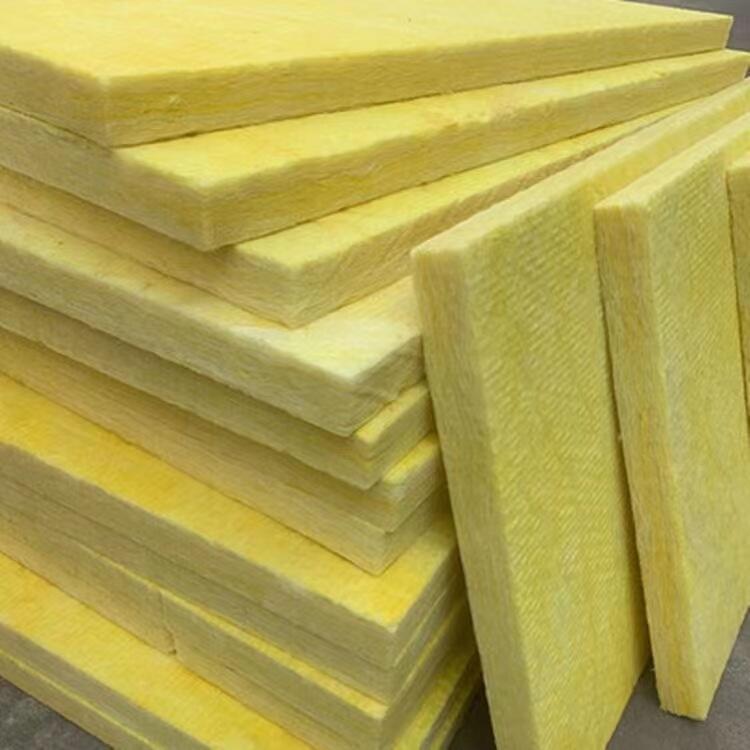
Flexible closed-cell elastomeric insulation is often considered for applications requiring flexibility and condensation control. Fiberglass insulation may also be suitable in certain installations, depending on the product design and environmental conditions.
The best choice depends on the project's requirements. Compare the following properties before making a decision:
- Thermal conductivity and insulation performance
- Water-vapor resistance and moisture absorption
- Operating temperature limits
- Fire performance and relevant certifications
- Flexibility, durability, and ease of installation
- Compatibility with the pipe system and surrounding materials
For construction contractors, distributors, and insulation buyers, product specifications are more useful than material names alone. Request technical data sheets to verify performance and confirm that the product meets applicable project requirements.
If you are sourcing insulation for a large project, confirm pipe dimensions, required thickness, application environment, and estimated quantities before requesting a quotation. This helps suppliers recommend suitable options and provide more accurate pricing.
Frequently Asked Questions
1. Can insulated PEX pipes still freeze?
Yes. Insulation slows heat transfer but does not generate heat. Pipes exposed to prolonged freezing temperatures may still require additional protection.
2. Should cold-water PEX pipes be insulated?
They may need insulation when condensation is likely. The selected system should provide appropriate moisture-control performance for the installation environment.
3. What information should I provide when purchasing PEX pipe insulation?
Provide the pipe outside diameter, required insulation thickness, operating temperature, installation location, estimated quantity, and any relevant fire or building-code requirements. These details help suppliers assess product suitability.
Conclusion
Choosing the right insulation for PEX pipes starts with accurate pipe measurements and a clear understanding of operating conditions. The correct insulation size, thickness, material, and installation method can help reduce heat loss, control condensation, and improve overall system performance.
For contractors, distributors, and project buyers, the most effective approach is to compare verified technical specifications rather than selecting products by price alone. Confirming application requirements before purchasing also helps reduce specification errors and unnecessary costs.