
A 2×6 wall looks simple: a 5.5-inch cavity, a batt and drywall. Yet the number printed on the bag rarely matches what the finished wall delivers. The real decision depends on thickness, density and how the product sits in the cavity.
What does a 2×6 Cavity Actually Allow?
A 2×6 cavity holds 5.5 inches of insulation without squeezing it, and that explains most specification errors. A standard R-19 batt is made about 6 inches thick, and pressed into a 5.5-inch space it gives up part of its rating. The Washington State energy code tables treat such a batt as roughly R-18 once installed, while an R-21 batt made at 5.5 inches keeps its full R-21. Building Science Corporation likewise puts installed fiberglass batts in 2×6 walls between R-19 and R-21.
The problem grows with thicker products. Earth Advantage shows that forcing an R-30 batt of about 8 inches into a 2×6 cavity yields only around R-22, because compressed fibers lose the trapped air that does the insulating.
How do Common Materials Compare in a 5.5-Inch Cavity?
Fiberglass is the budget default, mineral wool gives a little more R-value per inch, and closed-cell foam gives the most. Each trades something away.
| Material | Typical 2×6 Result | Where It Fits | Watch-Out |
|---|---|---|---|
| Glass wool blanket or batt | About R-19 to R-21 installed | Light, easy to cut, economical for long wall runs | Loses R-value if oversized in thickness or left with gaps |
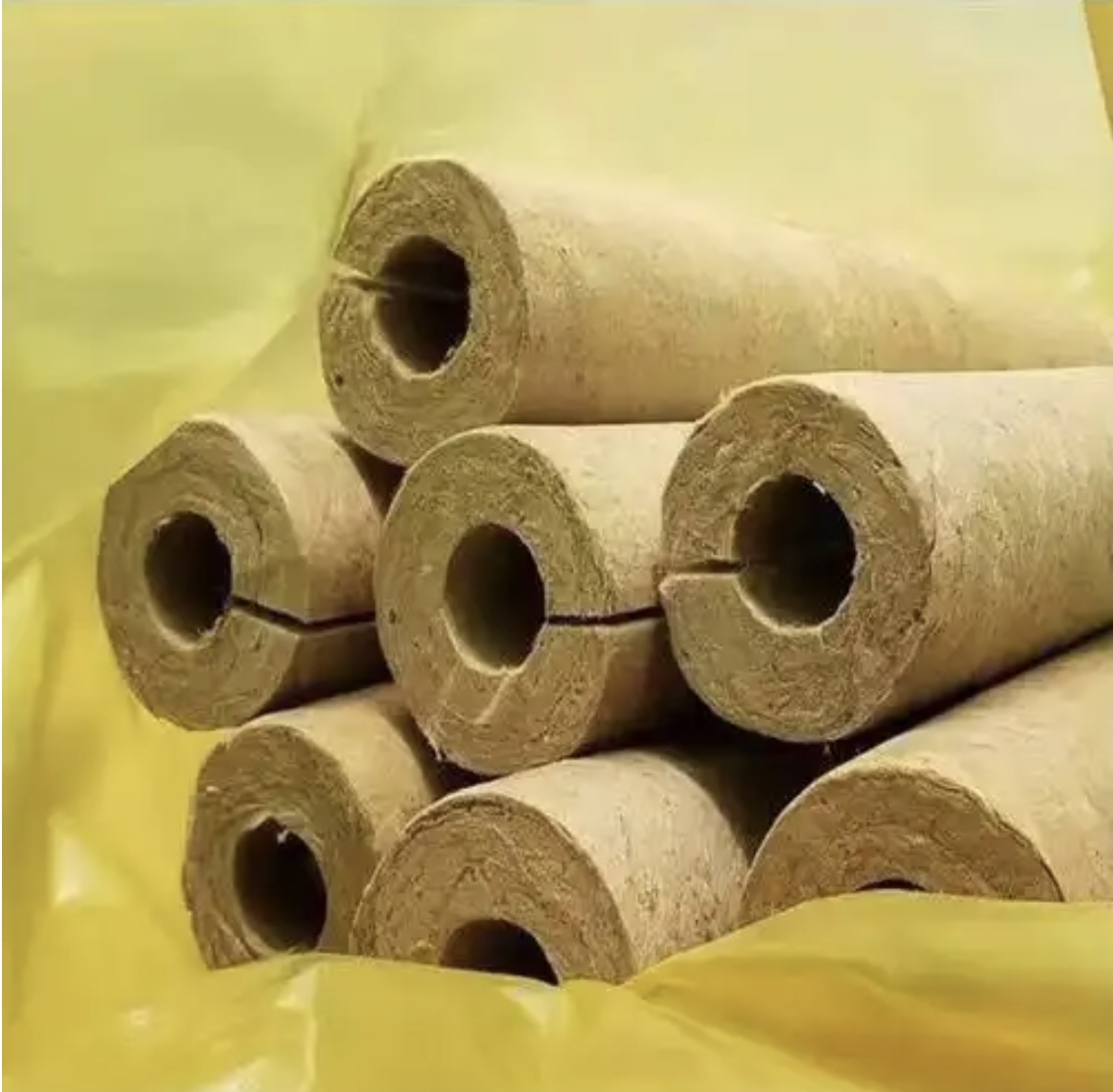
| Mineral wool batt | About R-23 | Stiffer, holds its shape, strong fire performance | Higher price; may need special order in some regions |
| Closed-cell spray foam | Roughly R-6 to R-7 per inch | Air sealing and insulation in one step | Highest cost; professional installation |
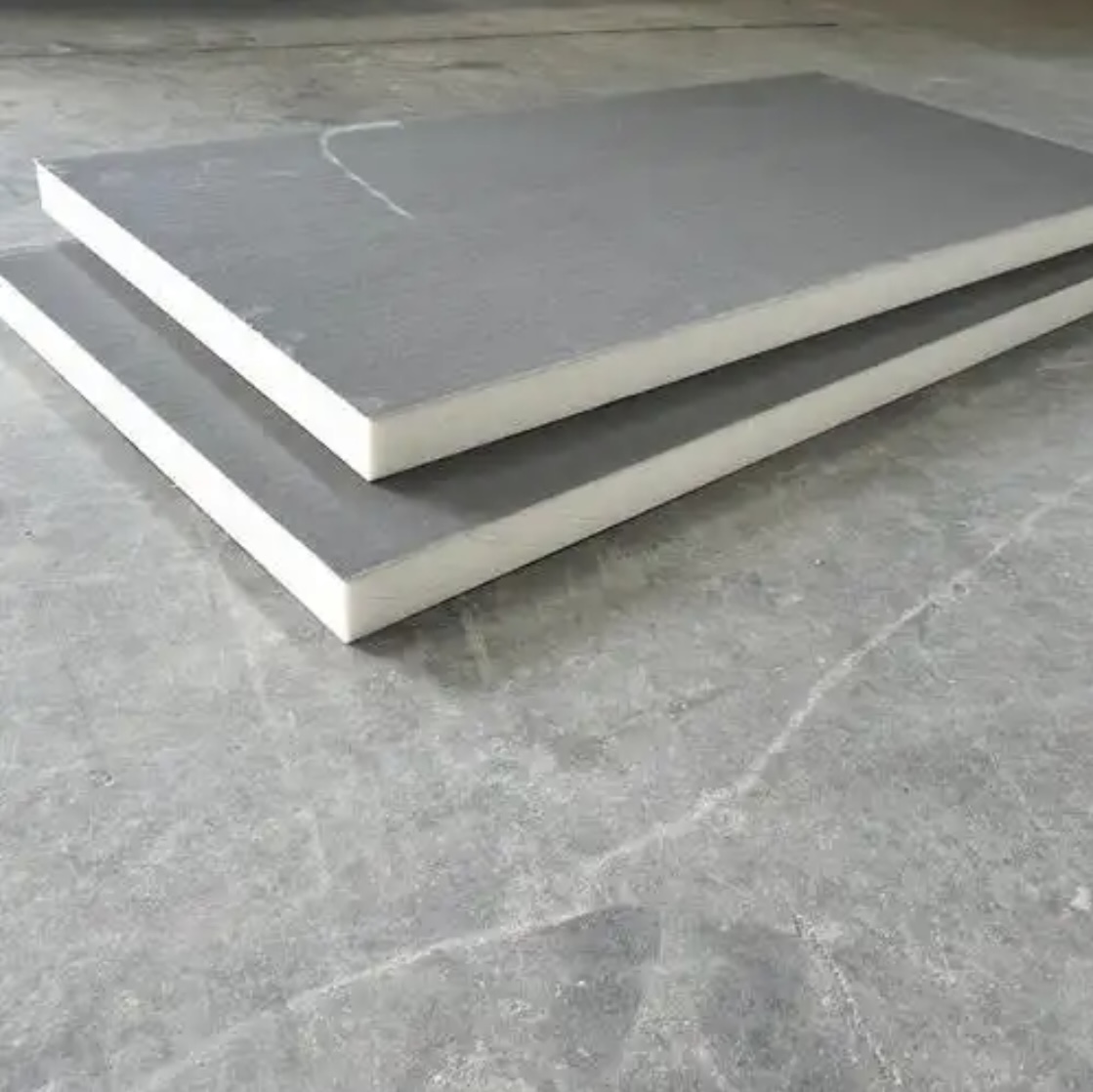
| Exterior rigid foam | Adds its full R-value to the whole wall | Covers the studs, reducing thermal bridging | Needs extra detailing at windows, doors and cladding |
Family Handyman notes that mineral wool batts keep their shape and handle fire better, but its example priced R-15 mineral wool at about 80 cents per square foot against 60 cents for fiberglass, roughly a third more.
Why does Installed R-Value Fall Short of the Label?
Three things quietly reduce performance. The first is voids: a batt that is too narrow, or cut carelessly around wiring and pipes, leaves air paths that bypass the fibers. The second is compression, as described above. The third is thermal bridging: studs conduct heat far better than insulation, so the whole wall performs below the cavity rating. A Green Building Advisor thread cites a whole-wall value near R-15 for a typical 2×6 wall, and explains that exterior continuous insulation counts in full because it covers the studs. The Owens Corning R-value calculator adds sheathing, drywall and air films for the same reason.
From the supply side at Jinsimai, the most common mistake in enquiries is ordering by R-number alone. Buyers rarely state cavity depth, stud spacing or density, yet those three details decide whether the product fills the bay or leaves gaps.
Where does Glass Wool Blanket Still Make Sense?
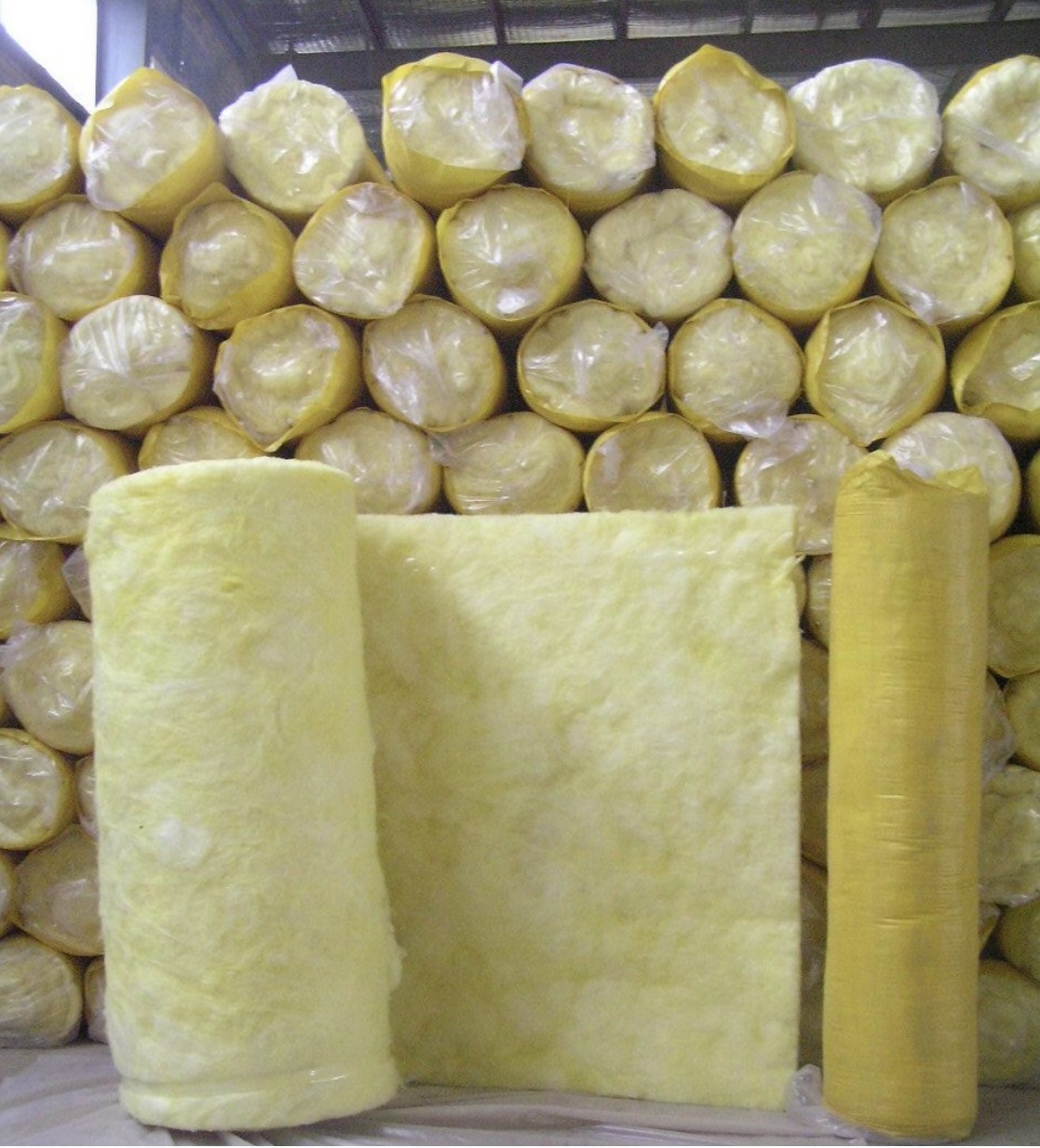
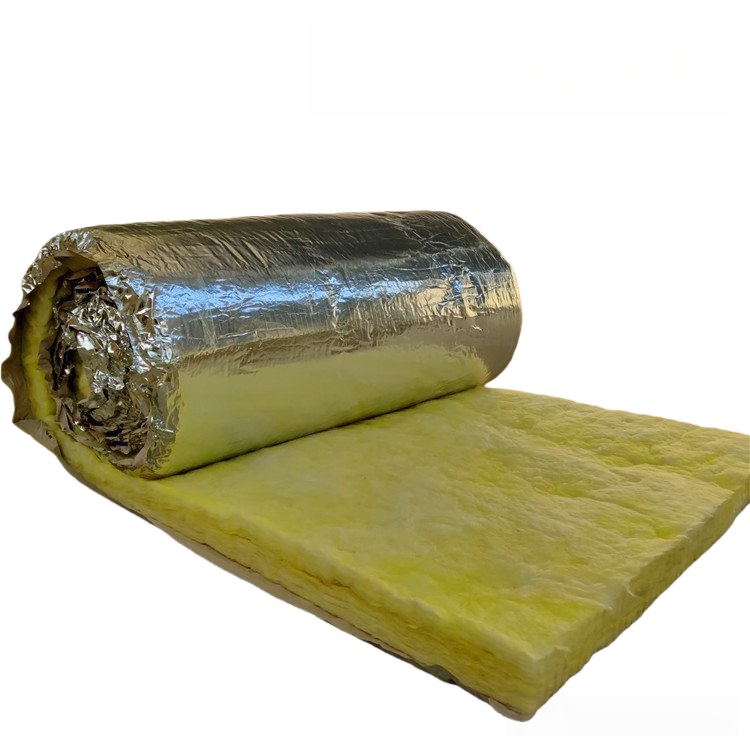
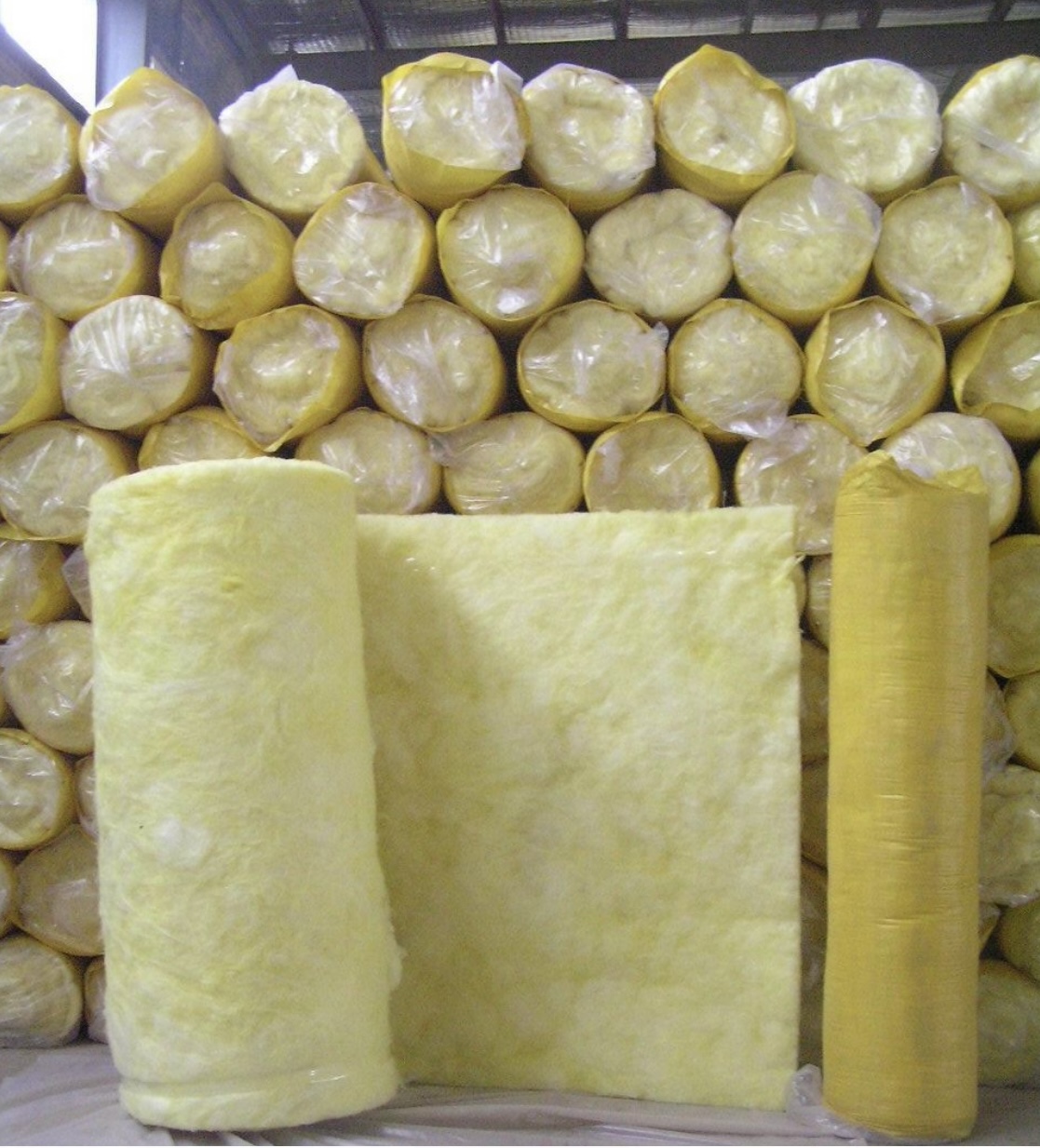
Glass wool remains the most practical cavity filler because it is light, quick to cut and available in thicknesses that match the cavity. A glass wool blanket can be produced in custom density, thickness and size, so a 140 mm (about 5.5-inch) product can be specified for the cavity instead of squeezing in a thicker one. Jinsimai supplies it as a formaldehyde-free, A-class non-combustible inorganic material in plain, aluminum foil faced and non-woven faced types. Buyers comparing roll formats can also review the fiberglass blanket insulation page.
It loses to mineral wool on stiffness and top-end R-value, but wins on price, weight and cutting speed over long wall runs. A correctly sized blanket with good air sealing will perform closer to its rating than a premium product installed with gaps. In colder climates, add exterior continuous insulation rather than hunting for an R-30 batt that will not fit.
What Should You Check before Ordering?
Start with thickness: match the 5.5-inch cavity, or 140 mm, rather than rounding up. Next, width: a blanket cut slightly wider than the bay, such as 15.25 inches for a 16-inch spacing, grips the studs by friction and avoids side gaps. Then ask for density and recovery after compression, since soft products can sag in vertical walls. Finally, confirm the facing and fire classification the local code requires, and make sure the wall can dry to at least one side so moisture does not collect inside the fibers.
Conclusion
The best insulation for a 2×6 wall is the one that fills a 5.5-inch cavity completely and honestly delivers its rated R-value after installation. Glass wool blanket suits most budgets and wall runs, mineral wool adds stiffness and a few extra R-points, and continuous exterior insulation does what no cavity product can: it treats the studs as part of the wall. Specify thickness, width and density together, not R-value alone.
References
- Building Science Corporation – High-R 2×6 Advanced Frame Wall
- Washington State Energy Code – WAC 51-11C-610331
- Earth Advantage – Effectively Insulating Small Wall Cavities
- Green Building Advisor – Wall Assemblies: Spray Foam vs. Exterior Rigid + Cavity Batt
- Family Handyman – Mineral Stone Wool Insulation Is Making a Comeback
- Owens Corning – Wall Insulation R-Value Calculator